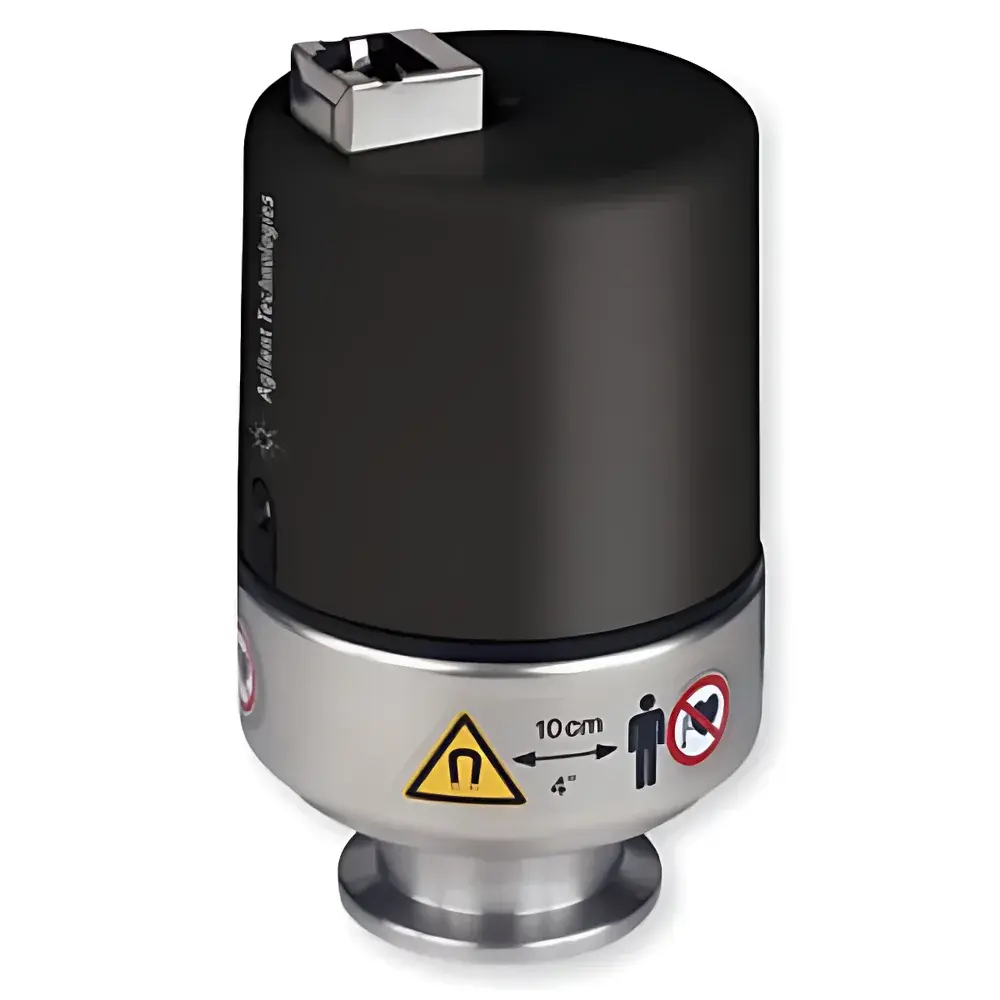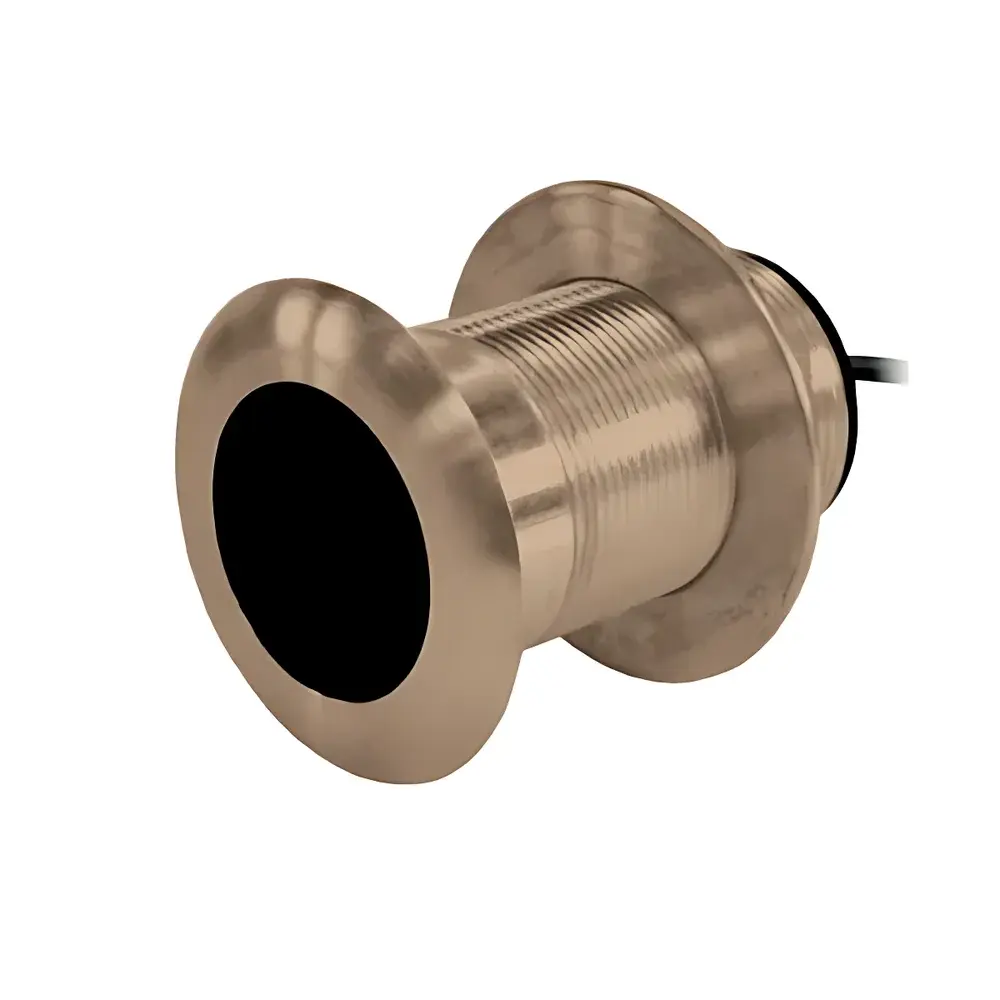
Airmar B117 Low-Profile Through-Hull Depth Sounder Transducer
| Brand | Airmar |
|---|---|
| Origin | USA |
| Model | B117 |
| Power Output | 600 W |
| Operating Frequencies | 50 kHz / 200 kHz |
| Beam Width | 45° @ 50 kHz, 12° @ 200 kHz |
| Mounting Type | Low-Profile Through-Hull |
| Housing Material | Bronze |
| Acoustic Window Material | Polyurethane |
| Hole Diameter | 51 mm |
| Stem Length | 94 mm |
| Cable Length | 10 m |
| Weight | 0.9 kg |
| Maximum Hull Tilt Angle | 8° |
| Temperature Sensor | Optional |
| Tilt Sensor | Integrated |
| Compliance | ABYC H-27 Certified |
| XducerID® Technology | Yes |
Overview
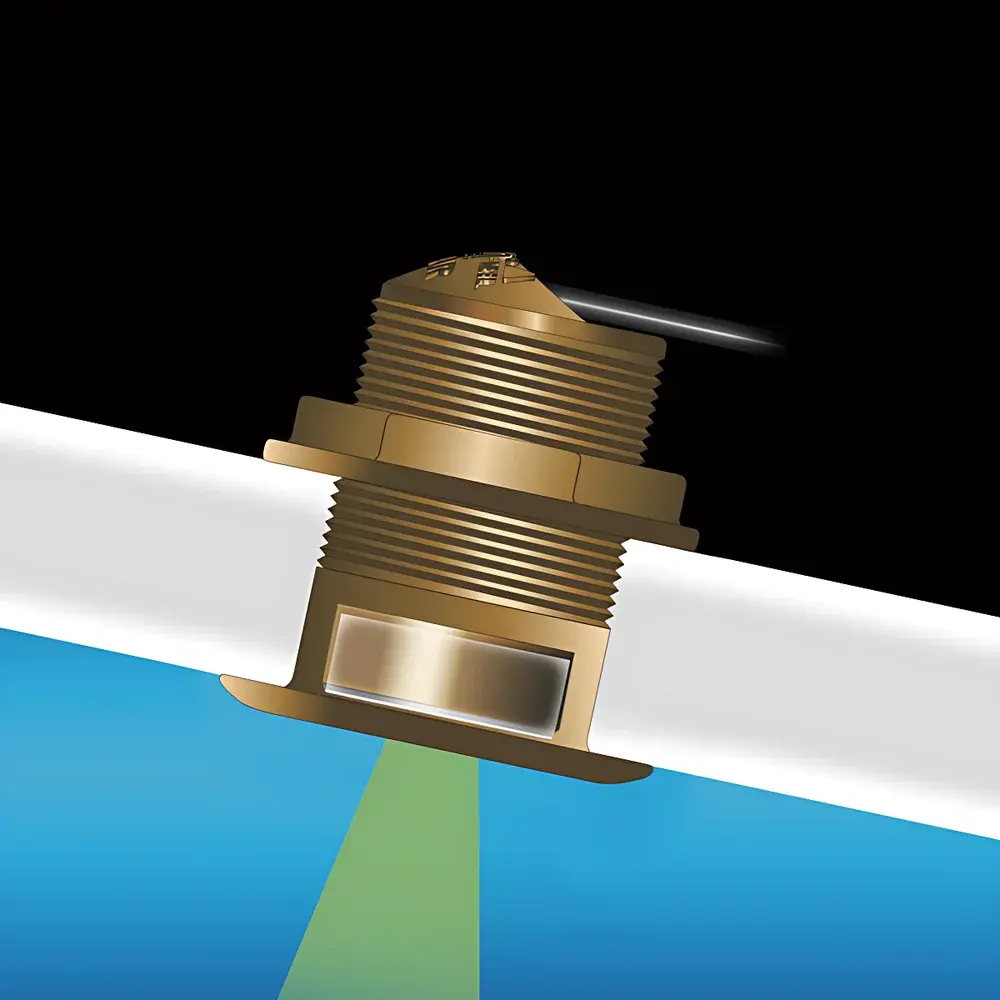
The Airmar B117 is a precision-engineered, low-profile through-hull transducer designed for reliable depth sounding and bottom tracking across diverse marine environments. It operates on dual-frequency sonar principles—utilizing simultaneous or selectable 50 kHz and 200 kHz acoustic pulses—to deliver optimized performance in both deep-water profiling and high-resolution shallow-water target discrimination. The transducer employs a single ceramic element with dual-frequency excitation, eliminating the need for separate transducers while maintaining signal integrity and minimizing hull penetration complexity. Its near-flush mounting geometry—protruding only 5 mm beyond the hull surface—reduces hydrodynamic drag and cavitation risk, making it especially suitable for planing hulls, high-speed vessels, and vessels requiring minimal underwater profile interference. Engineered for integration with leading marine electronics platforms—including Furuno, Garmin, Lowrance, and Raymarine—the B117 conforms to industry-standard NMEA 0183 and NMEA 2000 data protocols, ensuring seamless interoperability within modern bridge systems.
Key Features
- Low-profile through-hull design with only 5 mm (3/16″) hull protrusion, minimizing drag and turbulence
- Dual-frequency operation (50 kHz / 200 kHz) from a single ceramic element for versatile depth and resolution performance
- Bronze housing offering superior corrosion resistance and mechanical durability in saltwater environments
- Polyurethane acoustic window providing optimal acoustic coupling and broadband transmission efficiency
- Integrated tilt sensor enabling real-time pitch/roll compensation for improved depth accuracy on non-level hulls
- XducerID® technology for automatic transducer identification and configuration by compatible chartplotters
- ABYC H-27 compliant construction, meeting rigorous U.S. marine electrical and mechanical safety standards
- Right-angle cable exit reducing strain on the connector and facilitating tight-space installations
- Included rubber gasket system accommodating irregular or curved hull surfaces during installation
- Optional integrated temperature sensor supporting simultaneous water temperature measurement and thermal compensation
Sample Compatibility & Compliance
The B117 is validated for use on fiberglass, aluminum, and wood hulls with minimum recommended vessel length of 8 meters (25 feet). Its bronze housing and polyurethane window are chemically inert and mechanically stable under prolonged immersion in seawater, brackish, or freshwater conditions. Installation requires adherence to ABYC H-27 guidelines for through-hull transducer mounting—including proper bedding compound application, torque-controlled fastening, and verification of hull structural integrity at the cutout location. The transducer meets electromagnetic compatibility (EMC) requirements per EN 55022 Class B and environmental robustness per IEC 60945 for marine electronic equipment. While not intrinsically certified for Class I Div 1 hazardous locations, its design excludes ignition sources and supports safe operation in standard recreational and light-commercial maritime applications.
Software & Data Management
The B117 does not incorporate onboard firmware or local storage; instead, it functions as an analog/digital sonar signal source interfacing directly with host chartplotter systems. When paired with NMEA 2000–enabled displays, it supports automatic parameter negotiation—including frequency selection, gain adjustment, and pulse length—via XducerID® metadata exchange. All raw echo data processing, bottom detection algorithms, and depth logging occur within the host unit’s software stack. Compatible systems maintain audit-ready logs of transducer status, operational hours, and calibration events—supporting GLP-aligned maintenance documentation where required. No proprietary drivers or PC-based configuration utilities are needed; setup is performed entirely through the display unit’s menu interface.
Applications
- Recreational and commercial vessel depth monitoring and shallow-water navigation
- Bottom contour mapping and seabed classification in coastal survey support roles
- Marina infrastructure inspection and underwater obstacle detection
- Fishfinding and target separation in mixed-depth environments (e.g., estuaries, fjords)
- Integration into autonomous surface vehicle (ASV) telemetry systems for remote bathymetric sampling
- Training and education platforms for marine electronics technician certification programs
FAQ
Is the B117 suitable for metal-hulled vessels?
Yes—its bronze housing and isolation gasket system are compatible with aluminum and steel hulls when installed with non-conductive bedding compounds to prevent galvanic corrosion.
Can the temperature sensor be added post-purchase?
No—the temperature sensor is factory-integrated; units without this option lack internal wiring provisions and cannot be retrofitted.
What is the maximum operating depth for the B117 at 50 kHz?
Under typical seawater conditions (1500 m/s sound velocity), the B117 reliably resolves depths up to 300 meters at 50 kHz, subject to bottom composition and noise floor limitations.
Does the B117 require a separate power supply?
No—it draws power directly from the connected chartplotter or sonar module via the NMEA 2000 bus or dedicated transducer power line, depending on host architecture.
How is the tilt sensor calibrated?
Calibration occurs automatically during initial power-up when the host unit detects stable static orientation; no manual intervention or external tools are required.