
Airmar H2183 Heading Sensor
| Brand | Airmar |
|---|---|
| Origin | USA |
| Model | H2183 |
| IP Rating | IPX6 |
| Operating Voltage | 9–40 VDC |
| Power Consumption | <30 mA |
| Operating Temperature | −25 to +55 °C |
| Storage Temperature | −30 to +70 °C |
| Heading Accuracy (Static) | 1° RMS |
| Heading Accuracy (Dynamic, up to ±30° pitch/roll) | 2° RMS |
| Heading Resolution | 0.1° |
| Heading Update Rate | 10 Hz (NMEA 0183), up to 20 Hz (NMEA 2000®) |
| Rate of Turn Range | 0–70°/s |
| Rate of Turn Accuracy | ±1°/s |
| Pitch/Roll Range | ±50° |
| Static Pitch/Roll Accuracy | <1° RMS |
| Dynamic Pitch/Roll Accuracy | <3° RMS |
| Pitch/Roll Resolution | 0.1° |
| Pitch/Roll Update Rate | 2 Hz (NMEA 0183), up to 20 Hz (NMEA 2000®) |
| NMEA 2000® Load Equivalency Number (LEN) | 1 |
| Certifications | CE, RoHS, IEC 60945, IPX6 |
Overview
The Airmar H2183 Heading Sensor is a marine-grade, solid-state inertial heading reference unit engineered for high-reliability navigation in demanding maritime environments. Combining a three-axis magnetometer, three-axis MEMS gyroscope, and three-axis accelerometer within a single robust housing, the H2183 delivers continuous, real-time vessel attitude and heading data under both static and dynamic conditions. Its core measurement architecture relies on sensor fusion algorithms that compensate for magnetic interference, acceleration-induced errors, and angular motion—enabling consistent 2° RMS heading accuracy even during aggressive maneuvers, heavy sea states, or sustained pitch and roll angles up to ±30°. Designed specifically for integration into modern marine electronic systems, the H2183 serves as a primary heading source for autopilots, chartplotters, radar overlays, AIS transceivers, and ECDIS installations requiring stable, low-latency orientation data compliant with IEC 60945 maritime equipment standards.
Key Features
- Solid-state triaxial magnetometer delivering magnetic heading with <1° RMS static accuracy and 2° RMS dynamic accuracy under motion
- Integrated triaxial MEMS gyroscope providing rate-of-turn data (0–70°/s) with ±1°/s accuracy and configurable update rates up to 20 Hz via NMEA 2000®
- Triaxial accelerometer enabling precise pitch and roll estimation (±50° range) with <1° static and <3° dynamic RMS accuracy
- Simultaneous dual-protocol output: NMEA 0183 (HDG, HDT, TIROT, YXXDR) and NMEA 2000® (PGN 127250 Vessel Heading, PGN 127251 Rate of Turn)
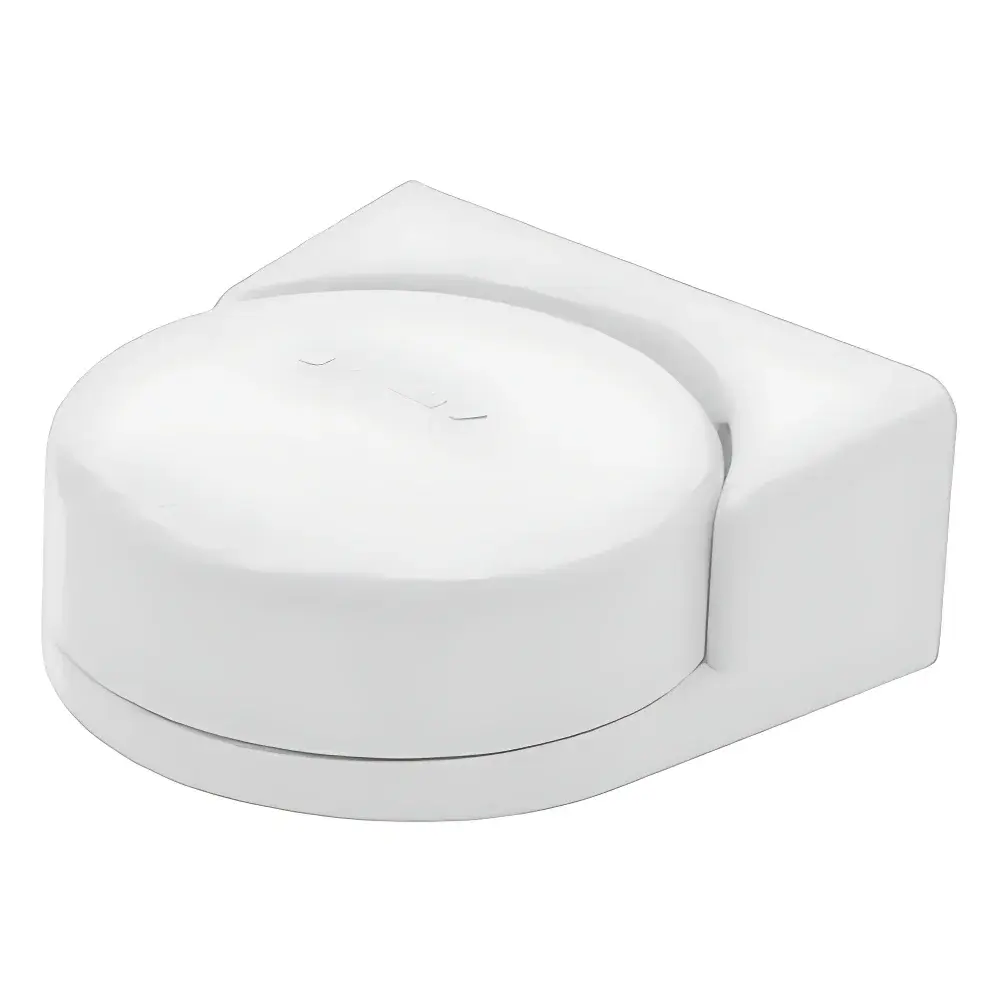
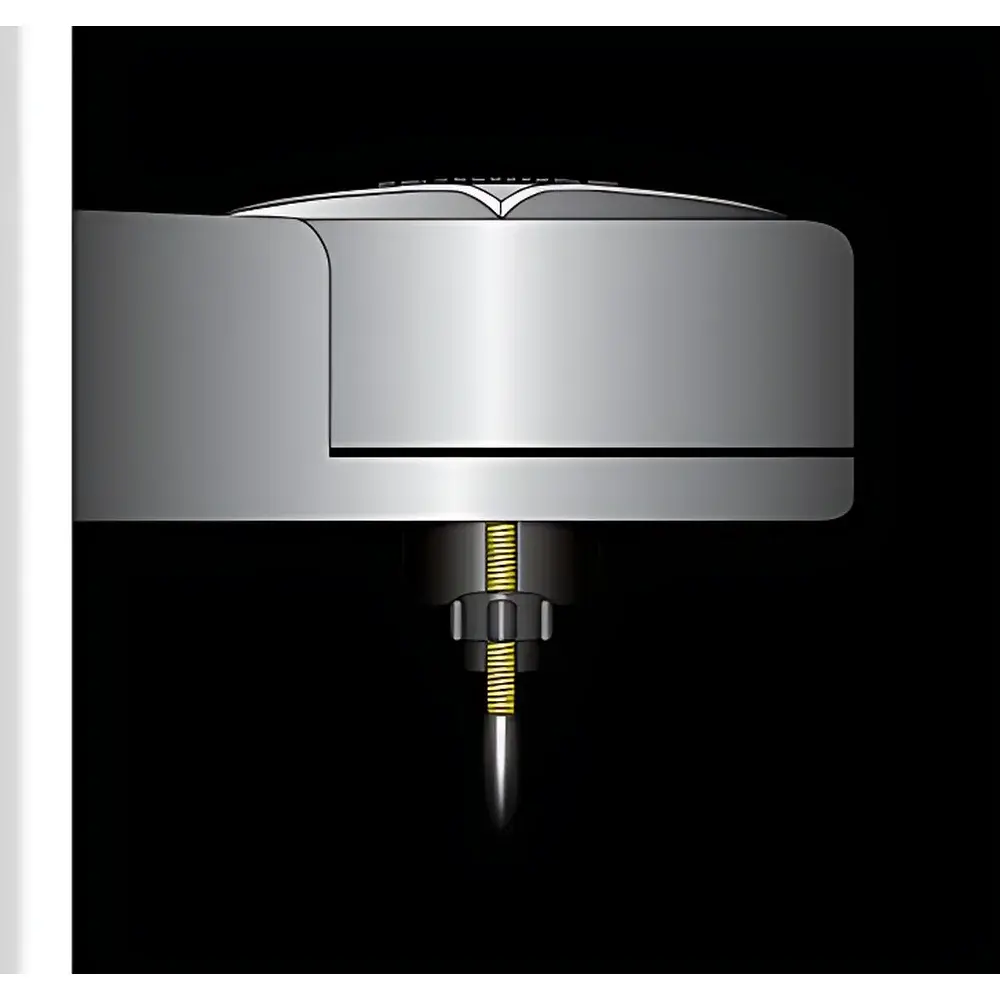
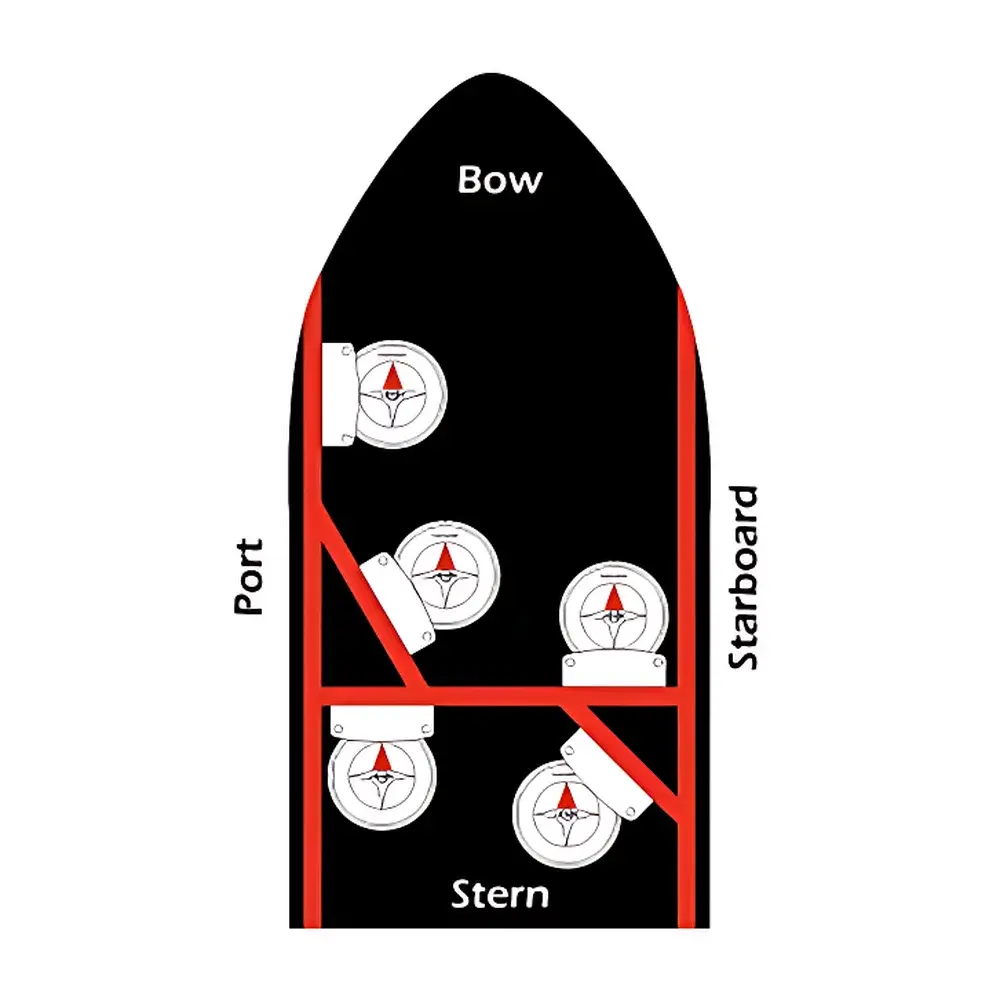
- Circular form factor with integrated bubble level and alignment marks—designed for rapid, repeatable mounting on angled bulkheads without mechanical recalibration
- IPX6-rated enclosure ensuring protection against powerful water jets, suitable for exposed deck or engine-room installations
- Wide-input DC power supply (9–40 VDC) with ultra-low quiescent current (<30 mA), compatible with 12 V and 24 V marine electrical systems
- Factory-calibrated with onboard self-test routines; field calibration supported via any NMEA-compatible display or PC-based configuration tool
Sample Compatibility & Compliance
The H2183 is fully compliant with international maritime equipment standards, including IEC 60945 (Marine Navigation and Radiocommunication Equipment), CE marking per EMC and LVD directives, RoHS 2011/65/EU, and IPX6 ingress protection. It meets electromagnetic compatibility requirements for installation in proximity to radar transmitters, VHF radios, and switching power supplies commonly found aboard commercial fishing vessels, yachts, and workboats. The device operates reliably across the full marine temperature range (−25 °C to +55 °C) and supports long-term storage at −30 °C to +70 °C. As a Class B NMEA 2000® device with LEN = 1, it integrates seamlessly into existing NMEA 2000® networks without exceeding bus load limits. All NMEA 0183 sentences conform to version 3.01 specifications, ensuring interoperability with legacy and modern displays from Garmin, Raymarine, Furuno, Simrad, and B&G.
Software & Data Management
The H2183 requires no external software for basic operation—configuration and calibration are performed using standard NMEA 0183 commands or via Airmar’s free PC-based Sensor Configuration Utility (Windows/macOS). The utility enables advanced parameter tuning, including heading offset adjustment, magnetic deviation compensation tables, update rate selection (1–20 Hz), and diagnostic logging. All configuration changes are stored non-volatilely and persist through power cycles. For auditability in regulated operations (e.g., fisheries monitoring or coastal patrol), the sensor maintains internal timestamped status registers accessible via NMEA query messages. While the H2183 itself does not implement FDA 21 CFR Part 11 or GLP/GMP electronic record controls—functions typically handled at the host system level—it outputs deterministic, time-synchronized data streams suitable for integration into certified data acquisition platforms.
Applications
- Autopilot heading reference for course-keeping stability in variable sea conditions
- True and magnetic heading overlay on multifunction displays (MFDs) and radar systems
- Pitch and roll compensation for stabilized sonar, echosounder, and side-scan transducers
- Attitude input for dynamic positioning (DP) light-duty auxiliary functions
- Heading and attitude logging for voyage data recorders (VDRs) and electronic logbooks
- Integration into unmanned surface vehicle (USV) navigation stacks requiring compact, low-power inertial reference
- Calibration reference for compass deviation analysis and correction table generation
FAQ
Does the H2183 require external GPS for true heading output?
Yes—true heading ($HCHDT) requires an external GPS source providing magnetic variation data. Magnetic heading ($HCHDG) is self-contained.
Can the H2183 be mounted vertically or upside-down?
Yes—the circular housing and built-in bubble level support mounting on angled or vertical surfaces; orientation is automatically compensated via internal sensor fusion.
Is firmware upgrade capability available?
Yes—firmware updates are delivered via Airmar’s Sensor Configuration Utility and applied over NMEA 0183 or USB connection.
What is the maximum recommended cable length for NMEA 2000® installation?
Per NMEA 2000® specification, trunk cable length should not exceed 100 m; drop cables to the H2183 must be ≤6 m with proper termination.
Does the H2183 support heading averaging or smoothing filters?
No—raw sensor data is output without internal filtering; post-processing smoothing must be implemented at the host system level.
Related Products







