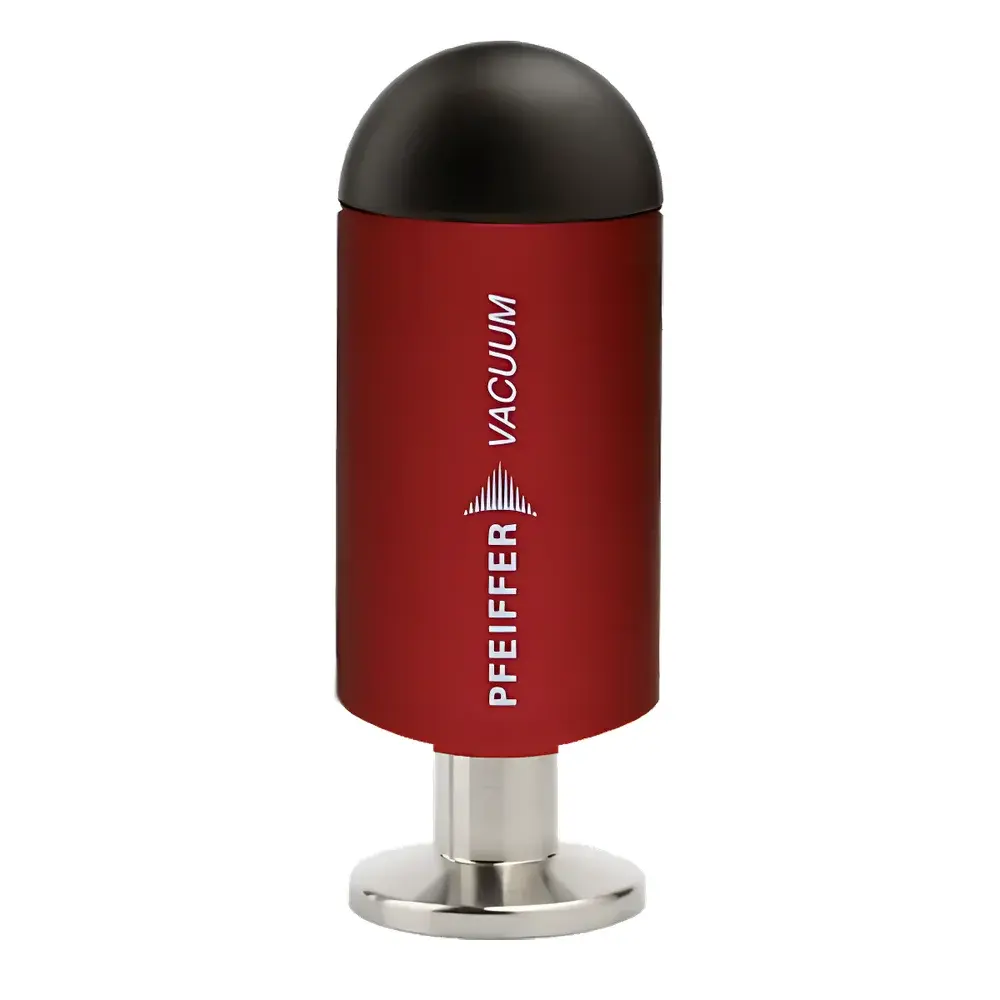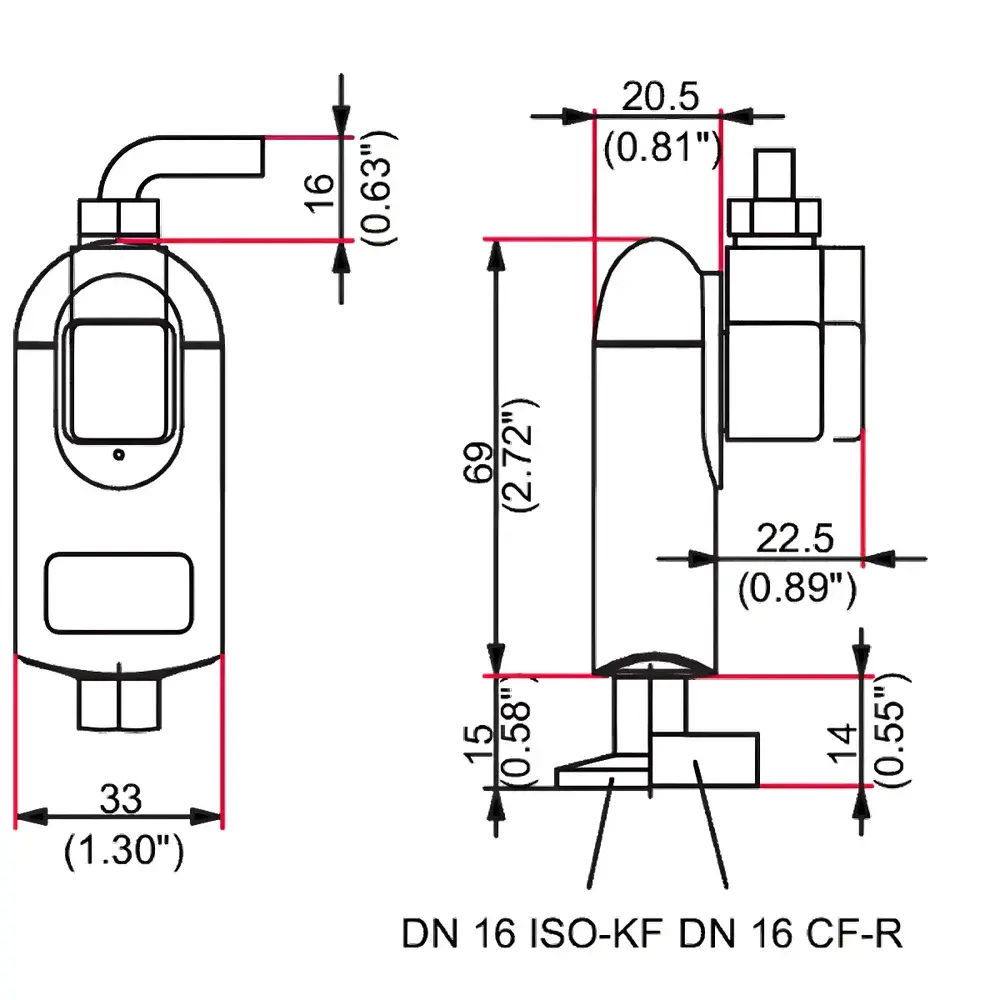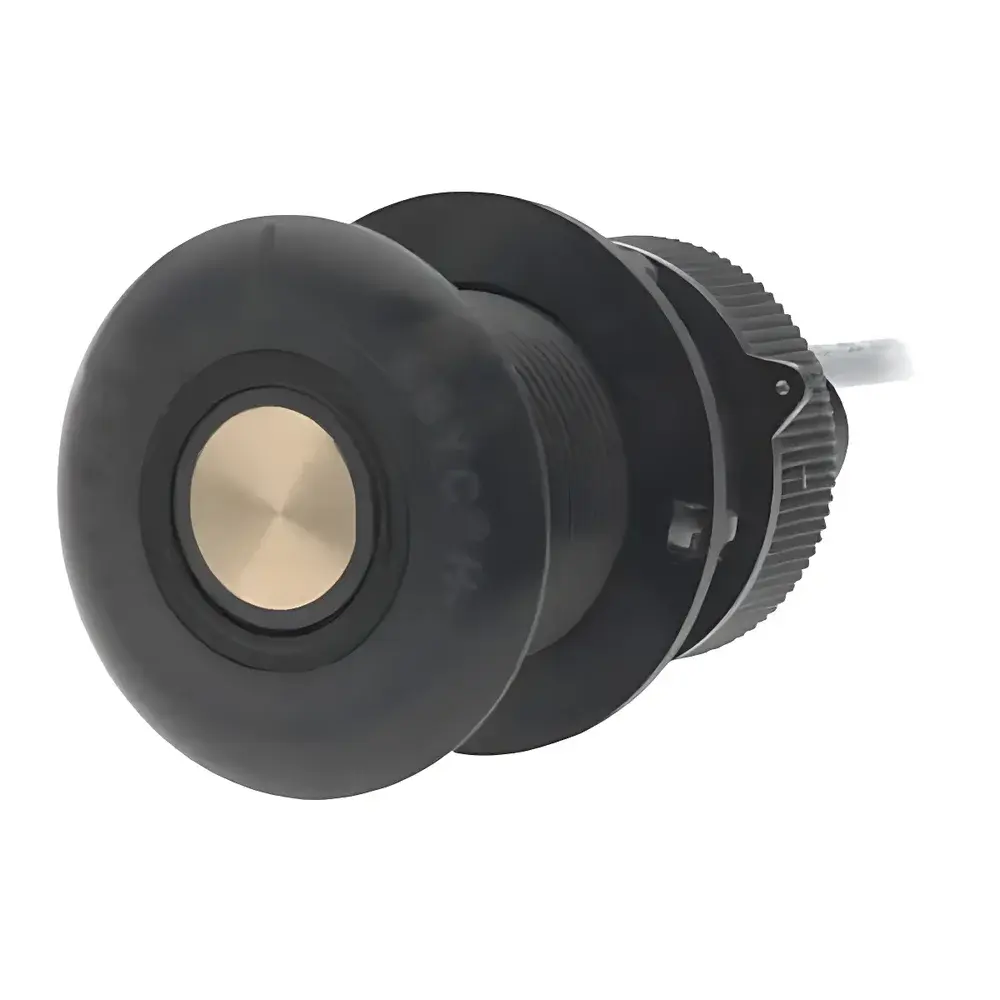
Airmar HT200 High-Response Marine Water Temperature Sensor
| Brand | Airmar |
|---|---|
| Origin | USA |
| Model | HT200 |
| Temperature Range | 0–30°C |
| Accuracy | ±0.3°C |
| Resolution | 0.01°C |
| Response Time | 0.15 s |
| Output Protocol | NMEA 2000® |
| Update Rate | 2 Hz |
| Supply Voltage | 9–50 VDC |
| Current Draw | ≤30 mA |
| Cable Length | 6 m |
| Housing Compatibility | P17, B17, SS577 |
| Mounting Hole Diameter | 51 mm |
| NMEA 2000 LEN | 1 |
| Weight (Bronze) | 1.3 kg |
| Weight (Stainless Steel) | 1.6 kg |
Overview
The Airmar HT200 is a high-fidelity, marine-grade water temperature sensor engineered for real-time thermal profiling in dynamic aquatic environments. Designed around a thermally optimized bronze sensing surface and integrated Pt1000 RTD element, the HT200 operates on the principle of resistance-based temperature measurement—leveraging the predictable, linear change in electrical resistance of platinum with temperature variation. Its ultra-fast 0.15-second thermal response time enables detection of subtle thermal gradients—such as thermoclines, tidal mixing zones, or freshwater-saltwater interfaces—critical for identifying pelagic fish aggregations, monitoring estuarine stratification, or supporting hydrographic survey workflows. Unlike immersion probes with slow thermal inertia, the HT200’s low-mass, flush-mount design minimizes boundary layer interference and ensures rapid equilibration with ambient water, making it suitable for both high-speed vessel transit and stationary mooring applications.
Key Features
- Ultra-rapid thermal response (≤0.15 s) enabled by a high-conductivity bronze sensing face and minimized thermal mass architecture
- Pt1000 platinum resistance thermometer (RTD) with traceable calibration and long-term stability over extended marine service life
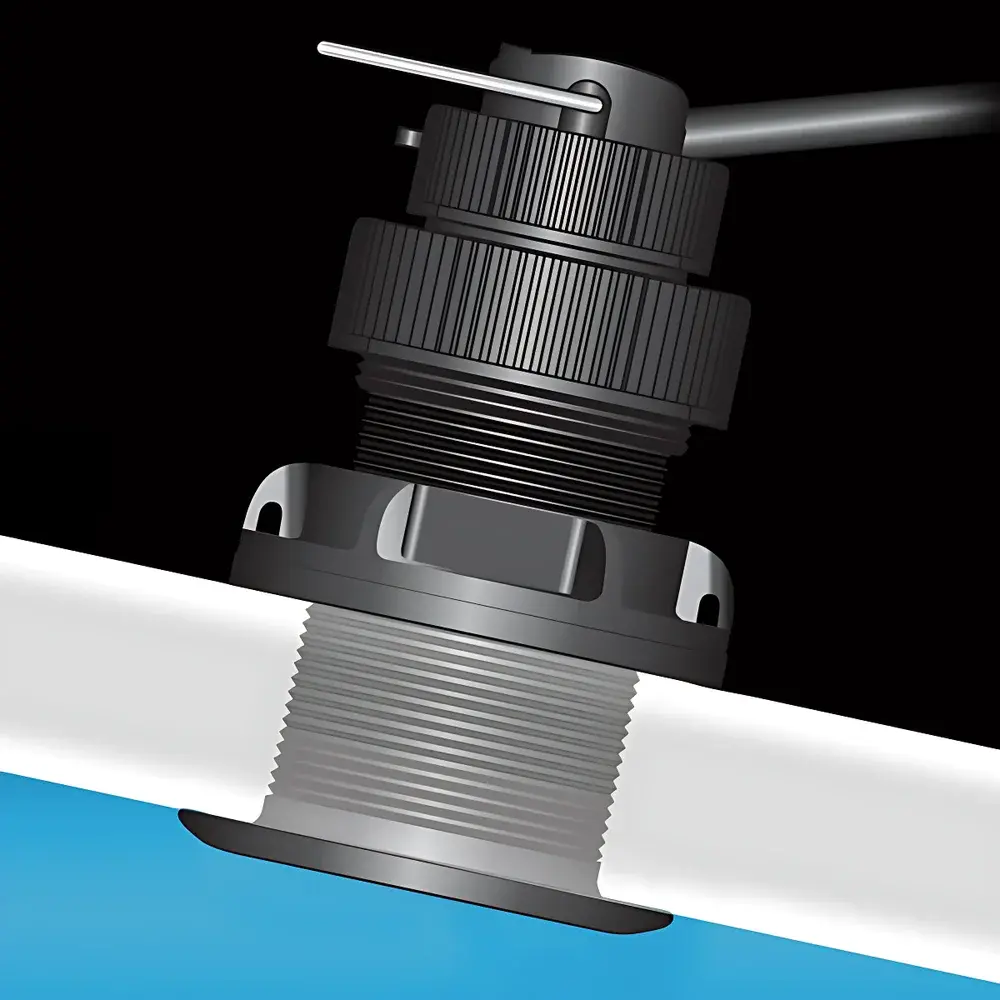
- Flush-mount compatible housing options—including P17, B17, and SS577 profiles—projecting only 5 mm beyond hull surfaces to reduce drag and cavitation risk
- NMEA 2000® certified (LEN = 1), ensuring interoperability with chartplotters, multifunction displays (MFDs), and networked marine electronics from Garmin, Raymarine, Furuno, and Simrad
- Wide operating voltage range (9–50 VDC) supports integration into both 12 V DC and 24 V DC vessel power systems without external regulation
- Robust mechanical construction available in bronze (1.3 kg), stainless steel (1.6 kg), or plastic (0.6 kg) variants for corrosion resistance and application-specific durability
Sample Compatibility & Compliance
The HT200 is validated for continuous immersion in seawater, brackish water, and freshwater environments. Its sealed, pressure-rated housing meets IP68 ingress protection standards for submersion up to 10 meters. The sensor complies with NMEA 2000® Class B device specifications (IEC 61162-3) and conforms to electromagnetic compatibility (EMC) requirements per EN 55022 (CISPR 22) and EN 60945 maritime equipment standards. While not intended for laboratory-grade metrology, its ±0.3°C accuracy and 0.01°C resolution satisfy operational requirements for fisheries science, recreational angling telemetry, and commercial catch optimization under ISO 17025-aligned field measurement practices. No special calibration certification is included; however, the device supports field verification using traceable reference baths per ASTM D1177 or ISO 7885 protocols.
Software & Data Management
The HT200 transmits calibrated temperature data via standardized NMEA 2000® PGN 130310 (Environmental Parameters) at 2 Hz, enabling real-time overlay on electronic charts or integration into vessel data logging systems. When connected to NMEA 2000 networks compliant with ISO 11783-5, the sensor supports automatic device discovery, plug-and-play configuration, and timestamped data streams compatible with third-party analytics platforms (e.g., MaxSea TimeZero, OpenCPN with NMEA plugins). Though the HT200 itself does not store historical data, its deterministic output rate and protocol adherence facilitate seamless ingestion into cloud-based fleet monitoring systems—supporting post-mission thermal mapping, correlation with sonar returns, or GLP-compliant logbook generation when paired with audit-trail-capable gateways.
Applications
- Recreational and competitive sportfishing: real-time identification of thermal fronts, thermoclines, and baitfish convergence zones
- Commercial fishing operations: optimizing trawl depth and set timing based on vertical temperature profiles
- Coastal environmental monitoring: tracking seasonal warming trends, upwelling events, or storm-induced mixing in estuaries and nearshore habitats
- Marine research vessel instrumentation: supplementary thermal input for acoustic Doppler current profilers (ADCPs) and multibeam echosounders
- Vessel performance optimization: correlating hull fouling progression with localized temperature anomalies near intake ports or cooling circuits
FAQ
What is the maximum depth rating for continuous operation?
The HT200 is rated for continuous submersion to 10 meters (33 ft) under static conditions. Dynamic pressure at higher speeds may reduce effective depth tolerance; consult Airmar’s installation guidelines for hull speed–depth derating curves.
Can the HT200 be used in freshwater lakes and rivers?
Yes—the sensor is chemically inert across freshwater, brackish, and full-strength seawater environments. No recalibration is required when transitioning between salinity regimes.
Is firmware update capability supported?
No—the HT200 is a fixed-function analog-to-digital transducer with no embedded microcontroller or field-upgradable firmware. All signal conditioning and protocol encoding are hardware-implemented.
Does the sensor require periodic recalibration?
Airmar recommends annual verification against a traceable reference standard in accordance with ISO/IEC 17025-accredited calibration laboratories, particularly after exposure to abrasive sediments or biofouling events.
How does the HT200 integrate with non-NMEA 2000 systems?
Direct integration requires an NMEA 2000® gateway or converter (e.g., Actisense NGT-1, Maretron USB100) to translate PGN 130310 data into NMEA 0183, CANopen, or ASCII serial formats for legacy or proprietary displays.