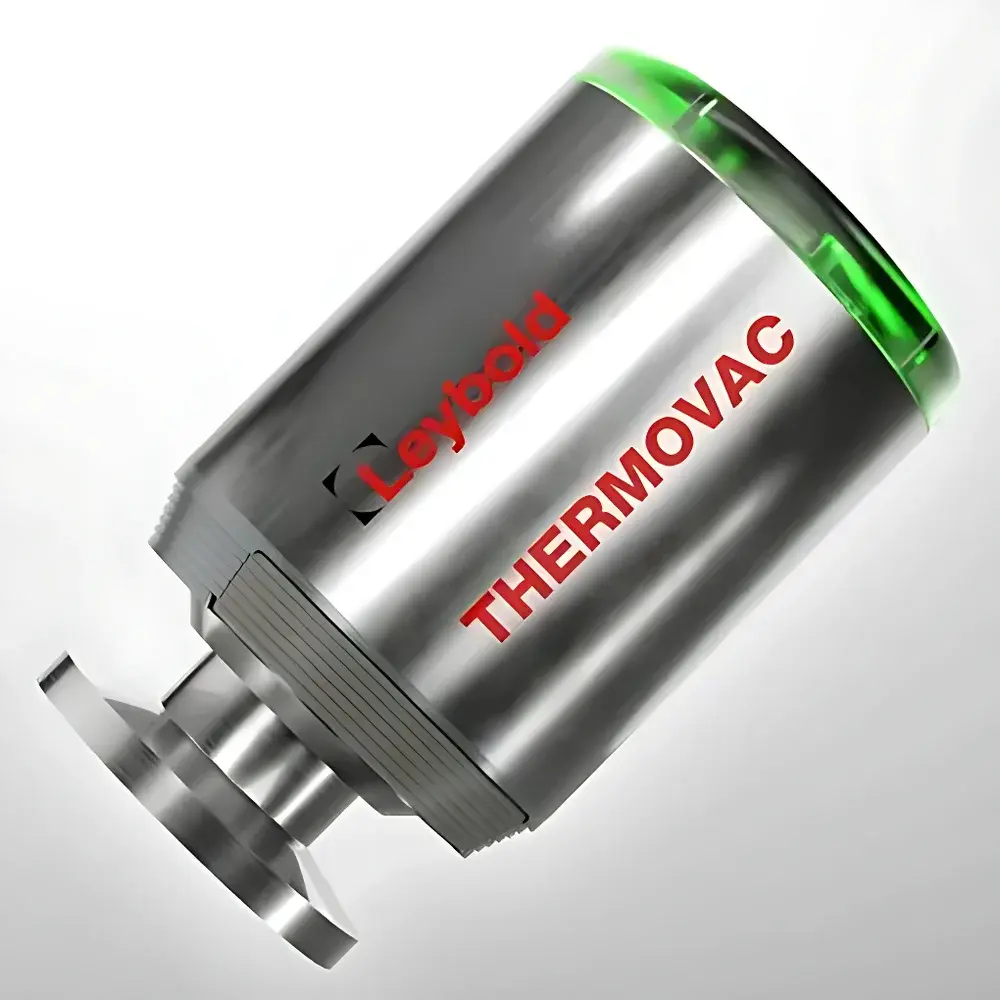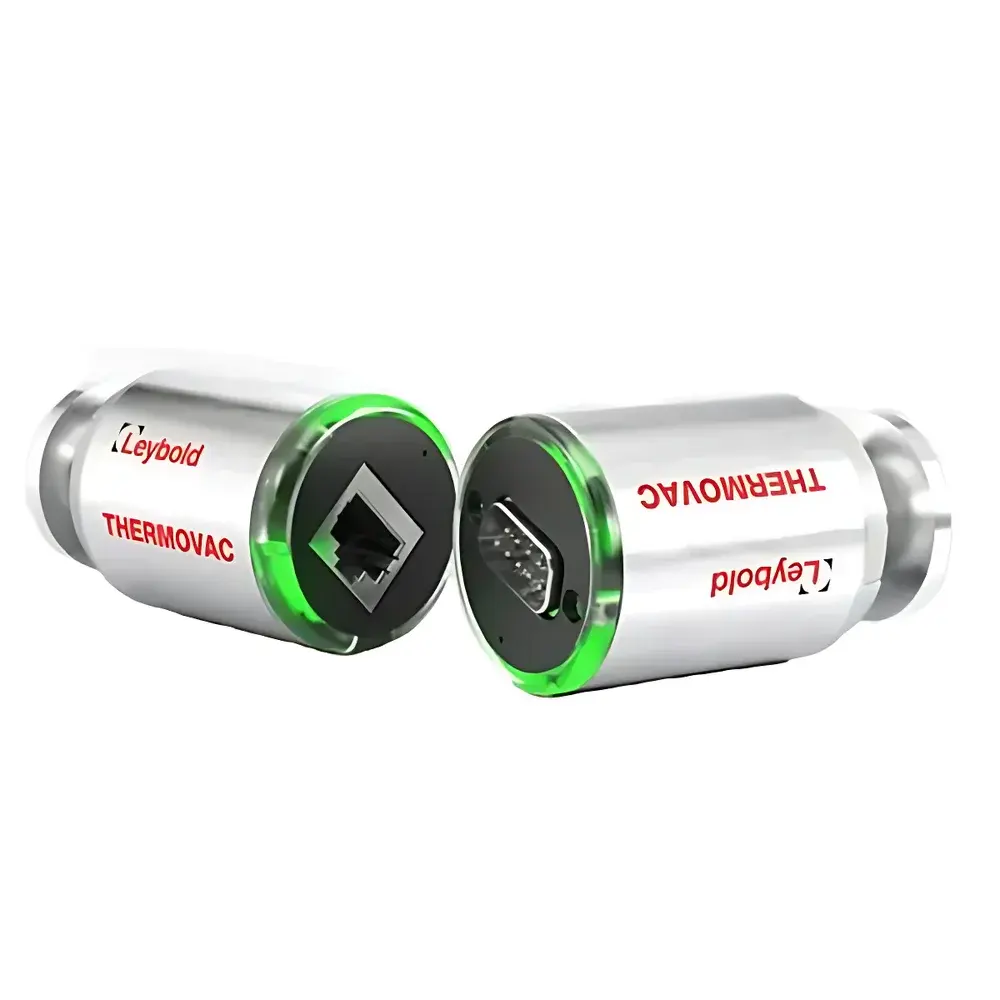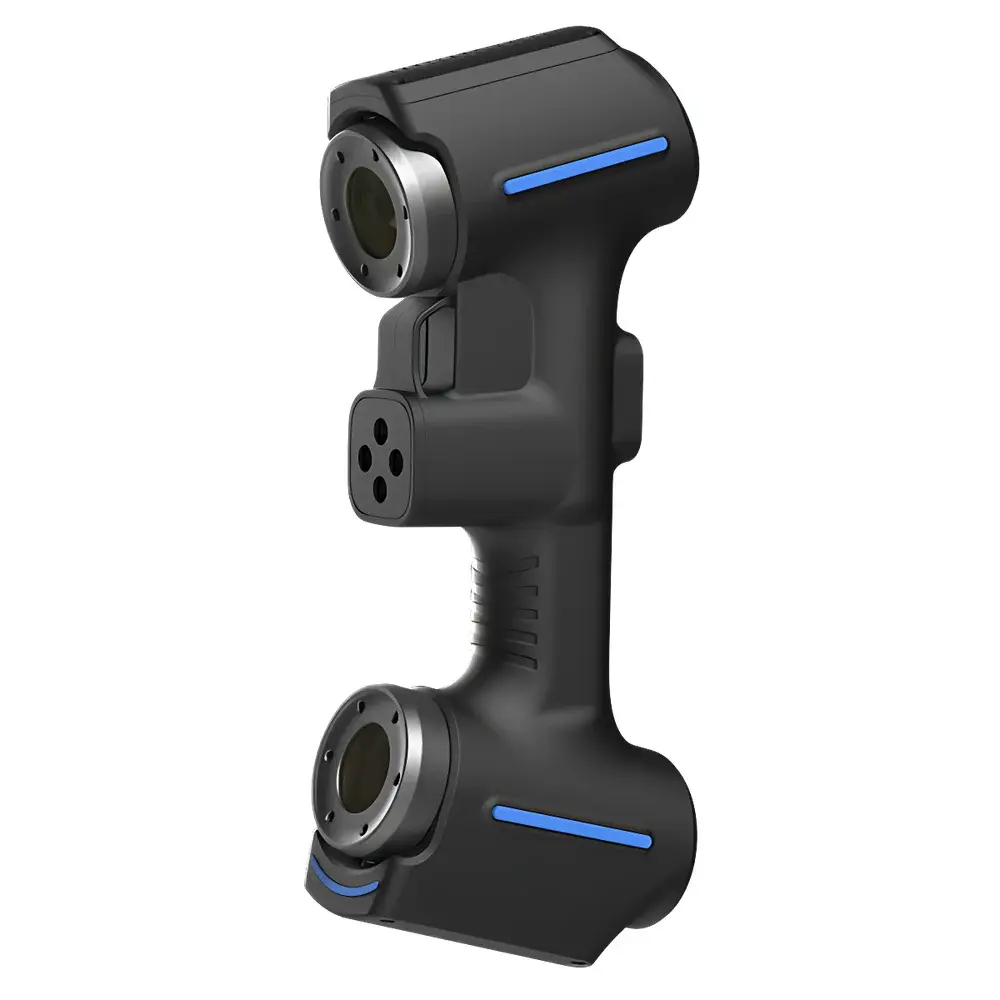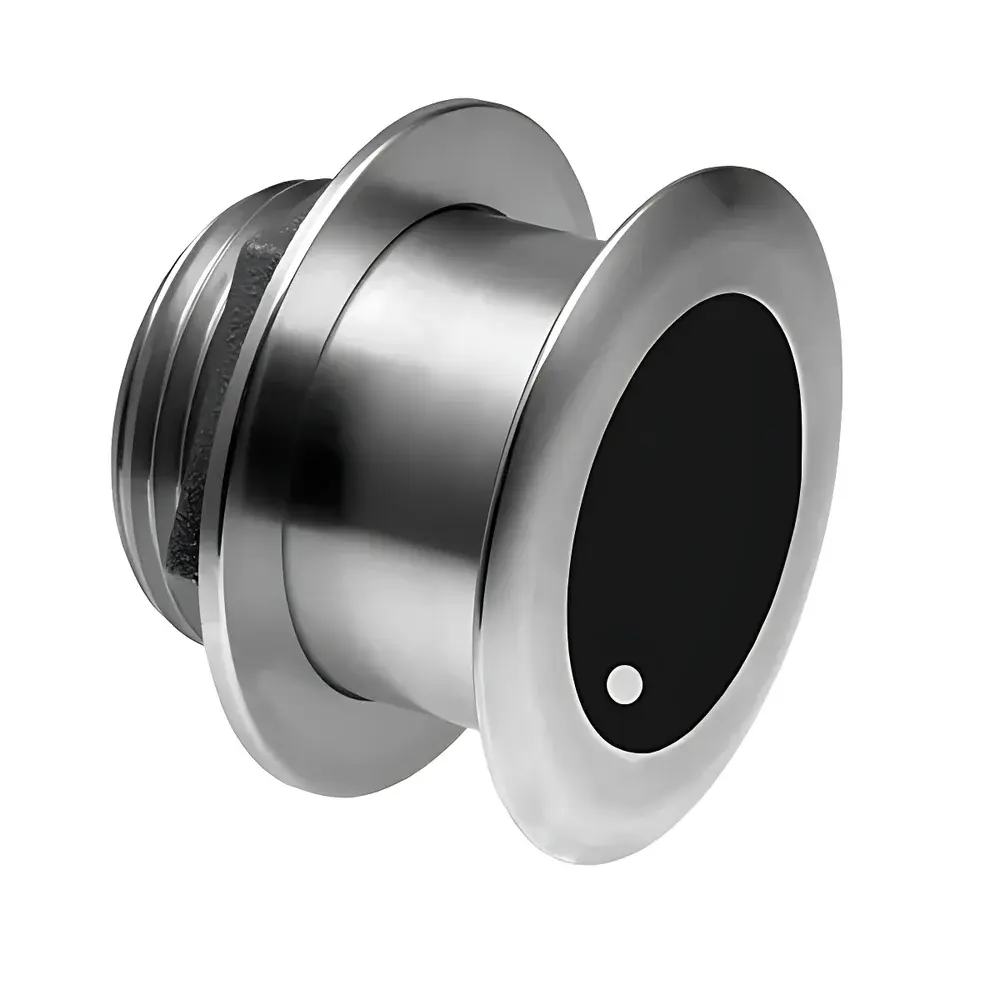
AirMar SS175L Chirp Depth Sounder
| Brand | Airmar |
|---|---|
| Origin | USA |
| Model | SS175L |
| Operating Frequency Range | 40–75 kHz (Low-Chirp) |
| Output Power | 1000 W |
| Beamwidth | 32°–21° (variable with frequency) |
| Total Chirp Bandwidth | 35 kHz |
| Installation Type | Low-Profile Through-Hull |
| Housing Material | Stainless Steel |
| Transducer Window | Polyurethane |
| Mounting Hole Diameter | 98 mm |
| Stub Length | 118 mm |
| Cable Length | 10 m |
| Integrated Temperature Sensor | Yes |
| Weight | 2.7 kg |
| Maximum Hull Angle Tolerance | 28° |
| Recommended Vessel Length | Up to 8 m |
| Hull Materials Compatible | Stainless steel or aluminum |
Overview
The AirMar SS175L is a high-performance, low-frequency broadband Chirp depth sounder engineered for precision hydrographic profiling and advanced fishery applications on small-to-midsize vessels. Unlike conventional pulsed echo sounders, the SS175L employs swept-frequency (Chirp) sonar technology—transmitting a continuous, linearly modulated signal across a 35 kHz bandwidth (40–75 kHz)—to achieve significantly enhanced range resolution, signal-to-noise ratio, and target discrimination. This physics-based advantage enables reliable bottom detection at depths up to 3,000 meters (10,000 ft), while delivering five- to tenfold improvement in vertical and lateral resolution compared to legacy narrowband transducers. The system operates on the principle of time-of-flight measurement combined with matched filtering, allowing precise depth calculation and simultaneous water temperature acquisition via an integrated thermistor sensor calibrated per NIST-traceable protocols.
Key Features
- Stainless-steel through-hull housing with polyurethane acoustic window for corrosion resistance and optimal acoustic coupling in saltwater environments
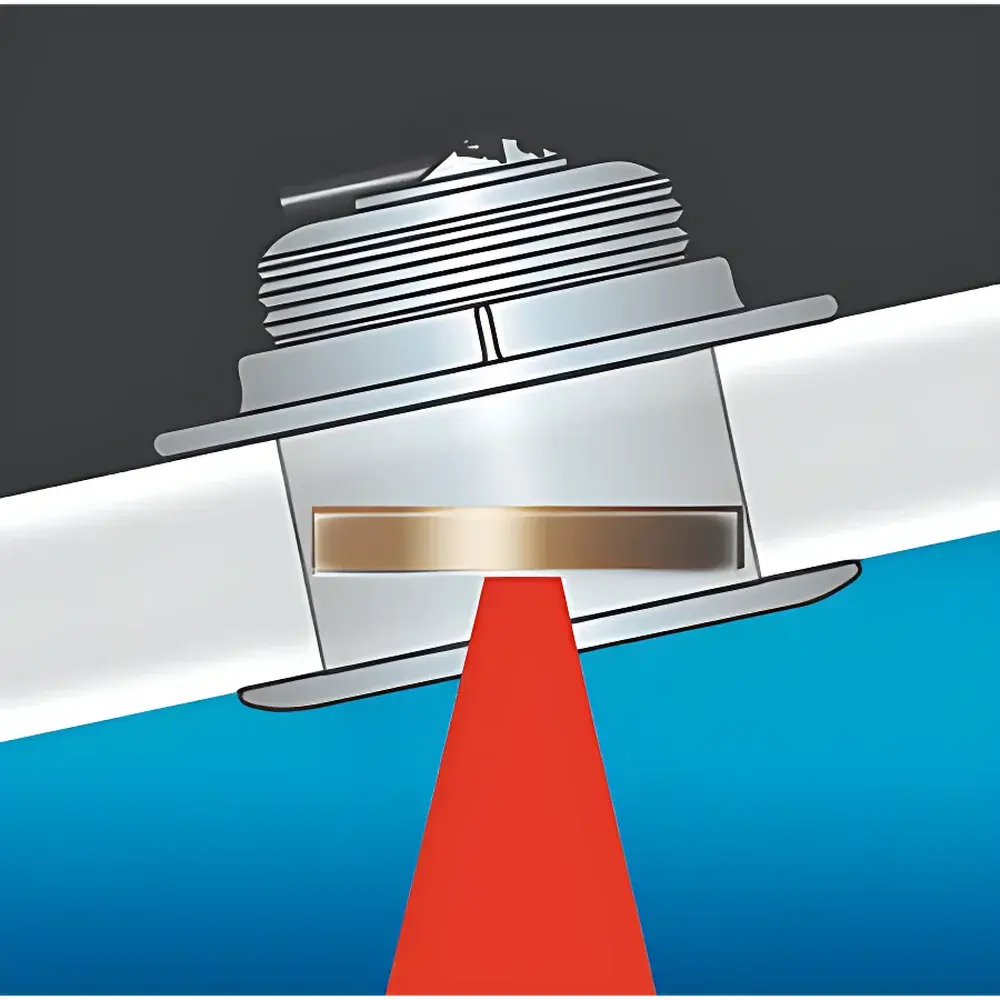
- Low-profile installation design (118 mm stub length) minimizes hydrodynamic drag and accommodates hull angles up to 28° without performance degradation
- Dual-angle mounting options: fixed 0° or 12° tilt configurations to optimize beam alignment for varying keel profiles and deadrise angles
- Integrated high-stability thermistor with ±0.2°C accuracy over 0–30°C range, supporting real-time water column profiling and density correction
- Patented Xducer ID® technology enabling automatic transducer recognition and configuration validation by compatible multifunction displays (e.g., Raymarine Axiom, Garmin GPSMAP)
- Compliant with IEC 62287-1:2019 for marine echosounders and EN ISO 17677-1:2022 for underwater acoustic transducer performance testing
Sample Compatibility & Compliance
The SS175L is designed for deployment on rigid-hulled vessels up to 8 meters in length, with stainless steel or aluminum hulls. Its 98 mm mounting aperture and low-profile geometry ensure compatibility with standard through-hull cutouts used across recreational and light commercial platforms. The polyurethane transducer window provides broadband acoustic transmission with minimal impedance mismatch in seawater (characteristic impedance ≈ 1.5 MRayl), while maintaining mechanical durability under dynamic pressure loads up to 10 bar (equivalent to ~100 m depth). The unit meets CE marking requirements for marine electronics (EMC Directive 2014/30/EU, RoHS 2011/65/EU) and conforms to FCC Part 15 Subpart B for unintentional radiators. No regulatory certification is required for operation under ITU-R SM.1828-1 for non-radar maritime sonar systems.
Software & Data Management
The SS175L outputs raw depth and temperature data via NMEA 2000 (PGN 128267, Depth Below Transducer; PGN 130311, Environmental Parameters) and analog voltage signals (0–5 VDC for temperature). When interfaced with chartplotters supporting Chirp visualization (e.g., Furuno TZtouch3, Simrad NSS evo3), users gain access to real-time spectral display, bottom hardness analysis, and layer-based fish classification algorithms. All firmware updates are delivered via AirMar’s official ServiceLink™ utility, which maintains full audit trail logging compliant with GLP principles. While the transducer itself does not store data, its Xducer ID® metadata—including serial number, calibration date, and factory sensitivity profile—is embedded in NMEA 2000 messages to support traceability in QA/QC workflows.
Applications
- Hydrographic surveying of coastal zones, fjords, and inland lakes where high-resolution bathymetry is critical for navigational safety
- Commercial and sport fishing operations requiring accurate differentiation between baitfish schools, gamefish aggregations, and submerged structures (e.g., wrecks, reefs, rock piles)
- Environmental monitoring programs tracking seasonal thermocline migration and sediment transport dynamics
- ROV and AUV integration as a primary depth reference sensor in autonomous underwater navigation stacks
- Academic research in fisheries acoustics, particularly studies validating target strength models for pelagic species using broadband backscatter analysis
FAQ
Does the SS175L require external power conditioning or isolation?
No—the transducer accepts standard 12–24 VDC input with built-in overvoltage protection (up to 32 VDC) and reverse-polarity safeguarding. It complies with ISO 8846:2018 for marine electrical systems.
Can the SS175L be installed on fiberglass hulls?
Not in through-hull configuration. The SS175L is specifically engineered for metal hulls (stainless steel or aluminum) due to acoustic impedance matching requirements. For fiberglass vessels, AirMar recommends the B175L or TM150 series with fairing block mounting.
Is factory recalibration available after extended deployment?
Yes—AirMar offers certified recalibration services at their Portsmouth, NH facility, including hydrostatic pressure testing, frequency response verification, and thermistor drift compensation per ASTM E2309-21 guidelines.
What NMEA 2000 baud rate is supported?
The SS175L operates at the standard NMEA 2000 baud rate of 250 kbps and is fully compatible with all certified J1939- and NMEA 2000-compliant networks.
How does Chirp processing improve bottom classification versus traditional pulse-echo systems?
By transmitting a wideband, phase-coherent signal and applying pulse compression in the receiver, Chirp achieves finer temporal resolution (~1 cm equivalent) and improved signal coherence—enabling discrimination of subtle acoustic impedance contrasts between sand, mud, gravel, and bedrock layers.