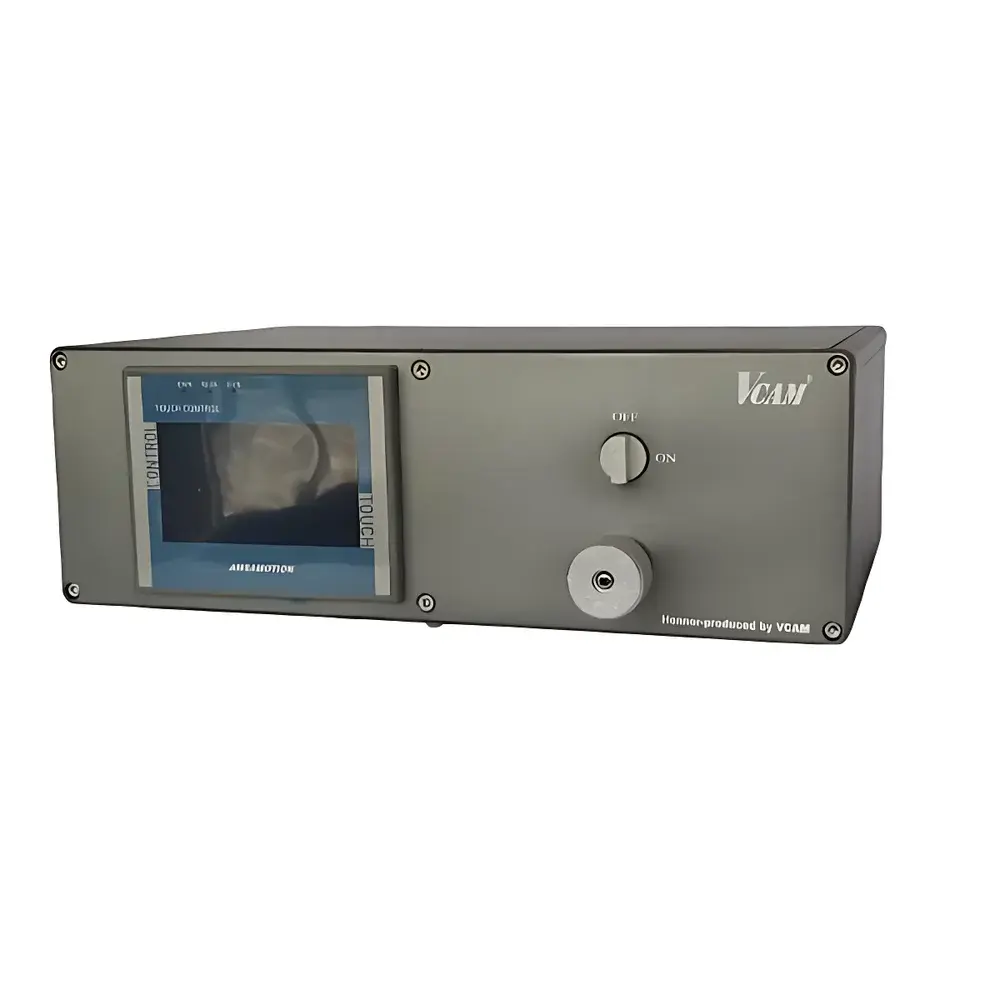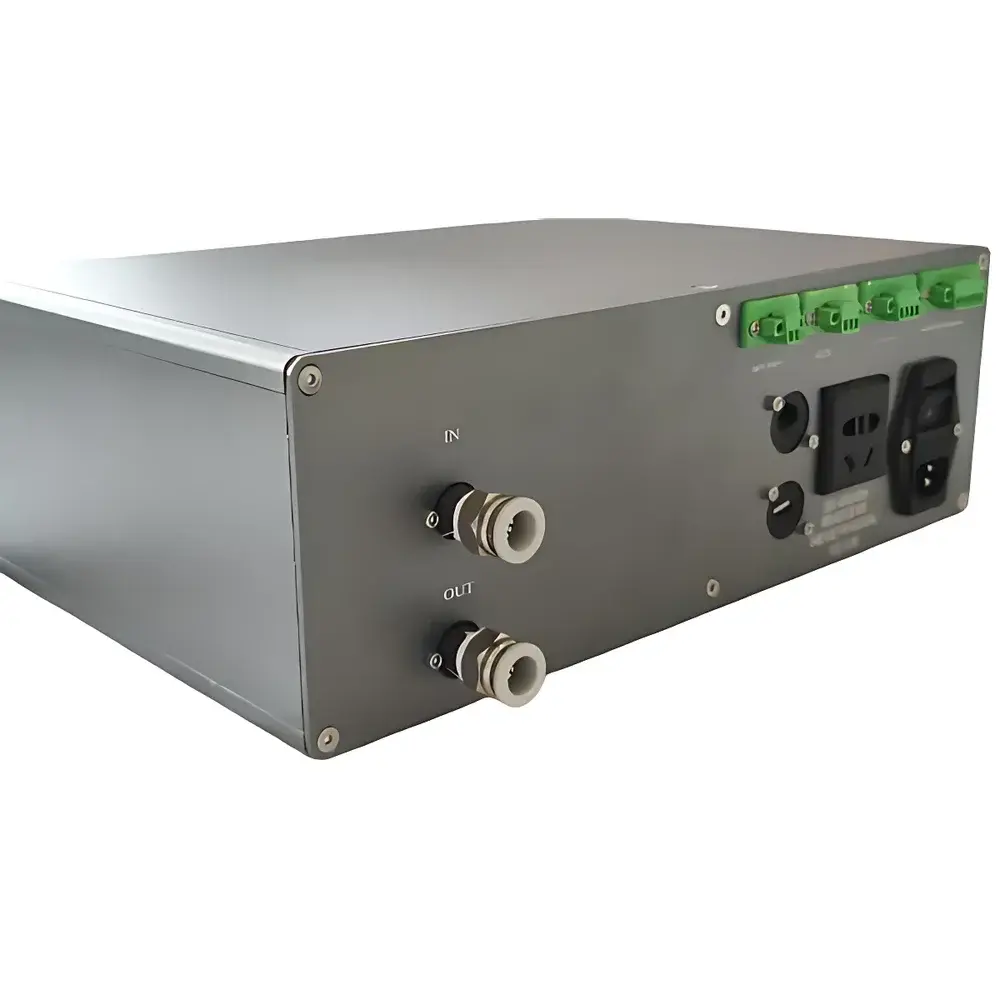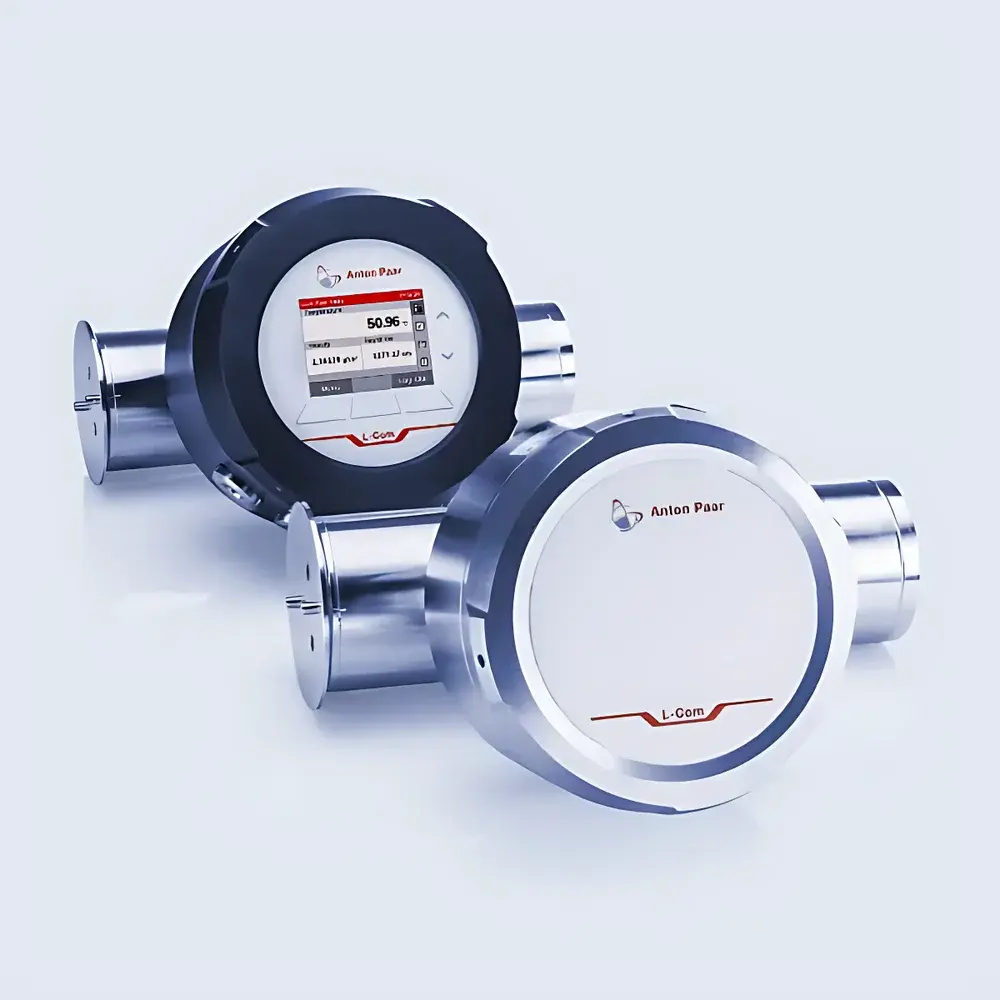
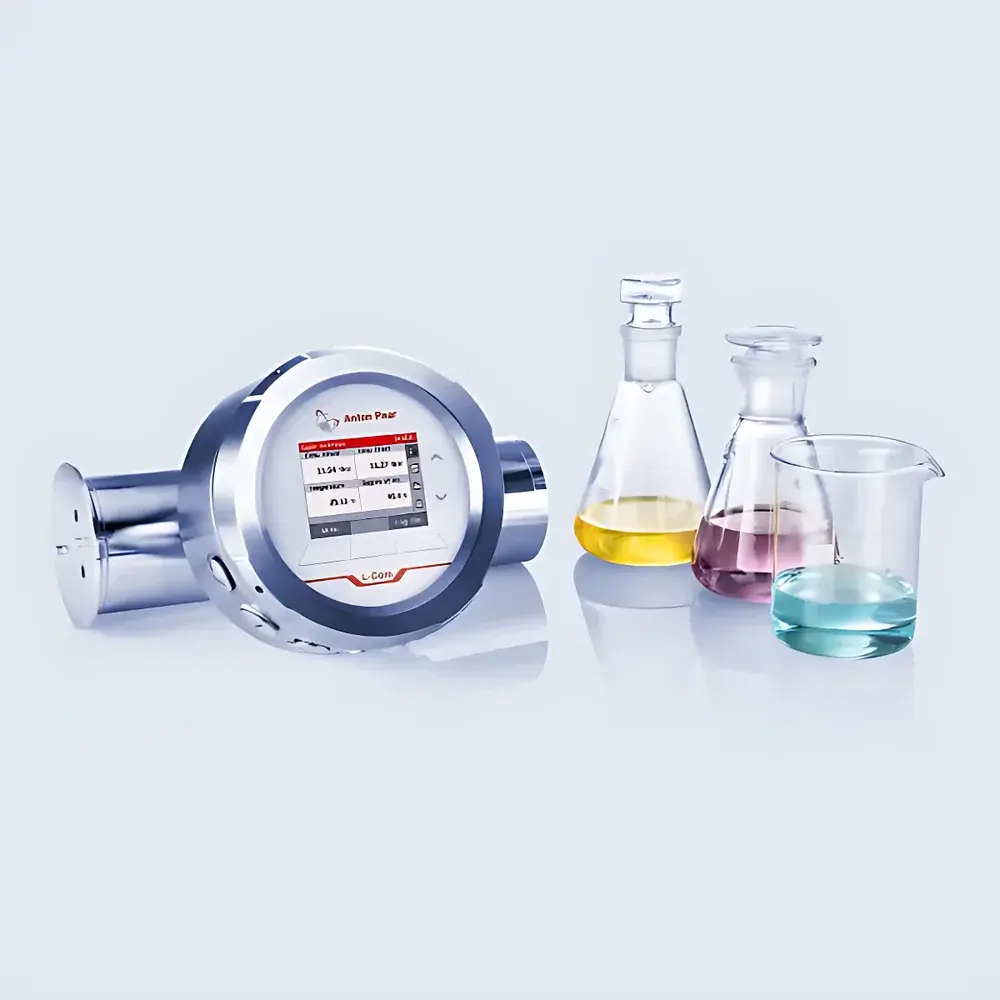
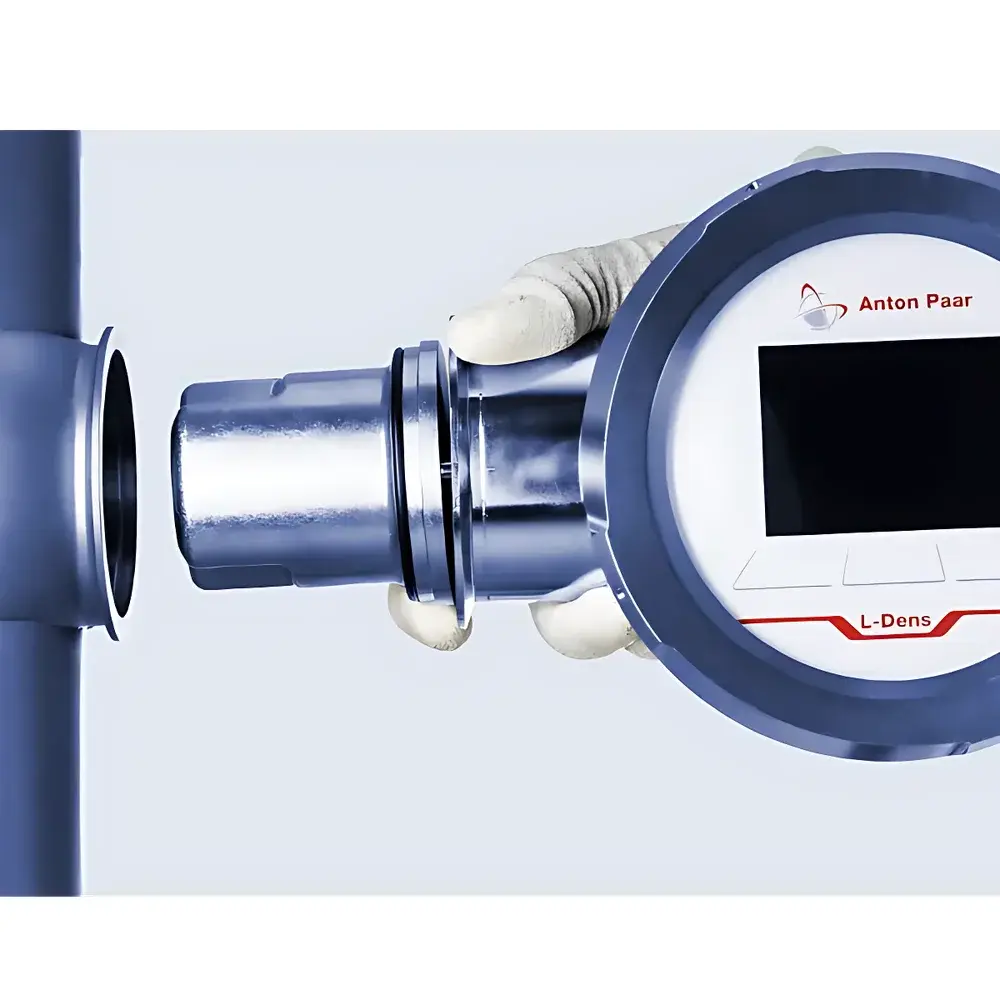
Anton Paar L-Com 5500 Density and Sound Velocity Sensor
| Brand | Anton Paar |
|---|---|
| Origin | Austria |
| Manufacturer Type | Manufacturer |
| Origin Category | Imported |
| Model | L-Com 5500 |
| Price | Upon Request |
Overview
The Anton Paar L-Com 5500 is an integrated inline process sensor engineered for simultaneous, real-time measurement of density and sound velocity in liquid streams. Based on oscillating U-tube principle for density determination (in accordance with ISO 12086 and ASTM D4052) and time-of-flight ultrasonic transduction for sound velocity, the L-Com 5500 enables robust, model-based concentration calculation for ternary mixtures—without requiring external calibration standards during operation. Its dual-parameter architecture eliminates the need for separate density and sound velocity instruments, reducing footprint, installation complexity, and long-term validation burden in regulated environments. Designed for continuous operation in demanding industrial settings—including chemical synthesis, brewing, pharmaceutical manufacturing, and fine chemical production—the sensor delivers metrological traceability, high reproducibility, and compliance-ready data integrity under dynamic process conditions.
Key Features
- Simultaneous density and sound velocity measurement in a single, compact sensor body
- Density accuracy up to ±0.05 kg/m³; sound velocity accuracy up to ±0.1 m/s (±0.01 m/s repeatability within calibration range)
- Extended operational range: density 700–2000 kg/m³; sound velocity 800–2000 m/s
- Process temperature tolerance from –25 °C to +125 °C (short-term up to +145 °C for 30 min); pressure rating up to 50 bar absolute
- Wetted parts constructed from corrosion-resistant Hastelloy® C-276, eliminating polymer coatings and ensuring thermal stability across rapid temperature fluctuations
- No moving parts, zero consumables, and maintenance-free operation over extended service intervals
- Integrated inline pump (Inline Pump 300 Ex d optional) for low-flow or stagnant applications, including hazardous areas
- Modular integration with Anton Paar’s mPDS 5 evaluation unit or Pico 3000 smart transmitter, supporting HART, Modbus RTU/TCP, and Profibus PA protocols
Sample Compatibility & Compliance
The L-Com 5500 is validated for homogeneous, non-particulate, non-gas-containing liquids with viscosity below 100 mPa·s. It supports ATEX Zone 1/21, IECEx, cQPSus, and INMETRO-certified explosion-proof configurations for use in classified areas. All firmware and configuration tools comply with FDA 21 CFR Part 11 requirements when deployed with Pico 3000 RC or mPDS 5 systems featuring electronic audit trails, user access control, and secure data export. The sensor meets GLP/GMP documentation expectations through built-in timestamped measurement logs and configurable alarm thresholds. Process connections accommodate EN 1092-1, ANSI B16.5, JIS B2220, Tri-Clamp®, Varivent®, G 3/8″, and 12 mm OD tubing—enabling direct in-line, bypass, or tank-mounted installation without process interruption.
Software & Data Management
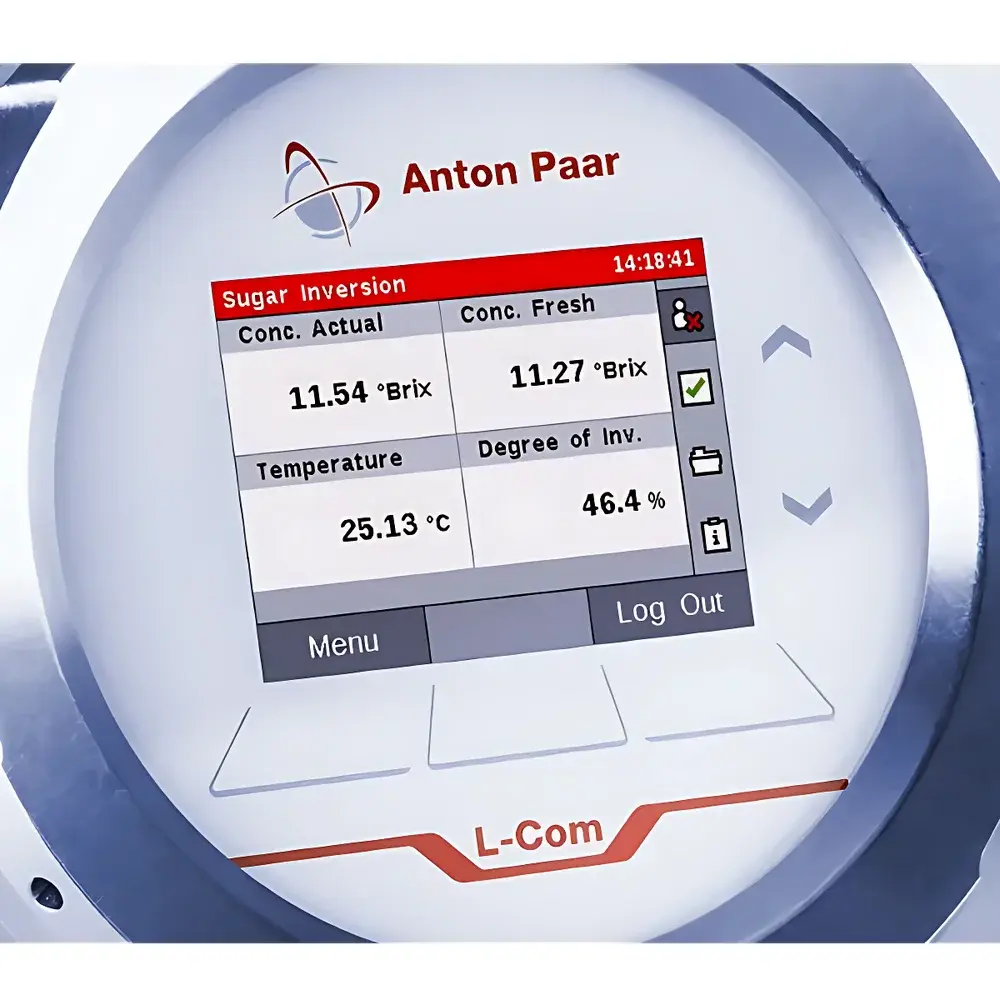
Concentration models are generated using Anton Paar’s proprietary mPDS 5 software suite, which integrates thermophysical property databases, ternary phase diagrams, and industry-specific empirical correlations. Users may select pre-validated models (e.g., ethanol–maltose–water for brewing; formaldehyde–methanol–water for resin synthesis) or develop custom calibration equations via laboratory submission of representative samples. All models are stored securely on the transmitter or evaluation unit with version-controlled revision history. Data output includes primary measurements (density, sound velocity, temperature), derived concentrations (mass %, volume %, mol %), and diagnostic flags (e.g., flow status, signal quality index, thermal drift warning). Export formats include CSV, OPC UA, and XML for seamless integration into DCS, MES, and LIMS platforms.
Applications
- Brewing: Real-time monitoring of alcohol content and original extract (°Plato) in wort, beer, and post-fermentation streams
- Chemical manufacturing: Closed-loop control of formaldehyde concentration in methanol–formaldehyde–water solutions during oxidation processes
- Pharmaceutical intermediates: In-process verification of solvent composition in API crystallization steps (e.g., acetone–water–ethanol)
- Food & beverage: Sugar concentration tracking in syrups and fruit juice blends where refractometry fails due to non-sugar solids interference
- Electrolyte management: Lithium-ion battery electrolyte formulation (LiPF₆ in EC/DMC) via density–sound velocity correlation
FAQ
Can the L-Com 5500 measure four-component mixtures?
No—it is optimized for ternary systems using a two-parameter (density + sound velocity) inverse modeling approach. Quadrinary mixtures require additional independent physical properties (e.g., conductivity or NIR absorbance) and are outside its design scope.
Is recalibration required after sensor cleaning or reinstallation?
No—zero-point and span adjustments are retained in non-volatile memory. However, verification against a certified reference fluid is recommended following mechanical intervention or extended exposure to aggressive media.
Does the sensor support SIL2 functional safety certification?
The L-Com 5500 itself is not SIL2-certified, but when integrated with Pico 3000 RC and configured per IEC 61511 guidelines—including redundant signal routing and fail-safe logic—it can be deployed in SIL2-rated loops for concentration-critical shutdown functions.
What is the minimum required flow rate for reliable measurement?
A sustained flow of ≥100 L/h ensures stable filling of the measuring cell. For intermittent or low-flow applications, the integrated Inline Pump 300 Ex d maintains laminar, bubble-free flow at rates as low as 5 L/h.
How is temperature compensation handled?
An integrated Pt100 Class A sensor provides direct in-cell temperature measurement with 0.1 °C resolution. All density and sound velocity outputs are automatically corrected using material-specific thermal expansion and adiabatic compressibility coefficients embedded in the firmware.