
Aolong Industrial Micro CT System
| Brand | Aolong |
|---|---|
| Origin | Liaoning, China |
| Manufacturer Type | Direct Manufacturer |
| Region of Origin | Domestic (China) |
| Model | Industrial CT 3D Scanning System |
| Pricing | Available Upon Request |
Overview
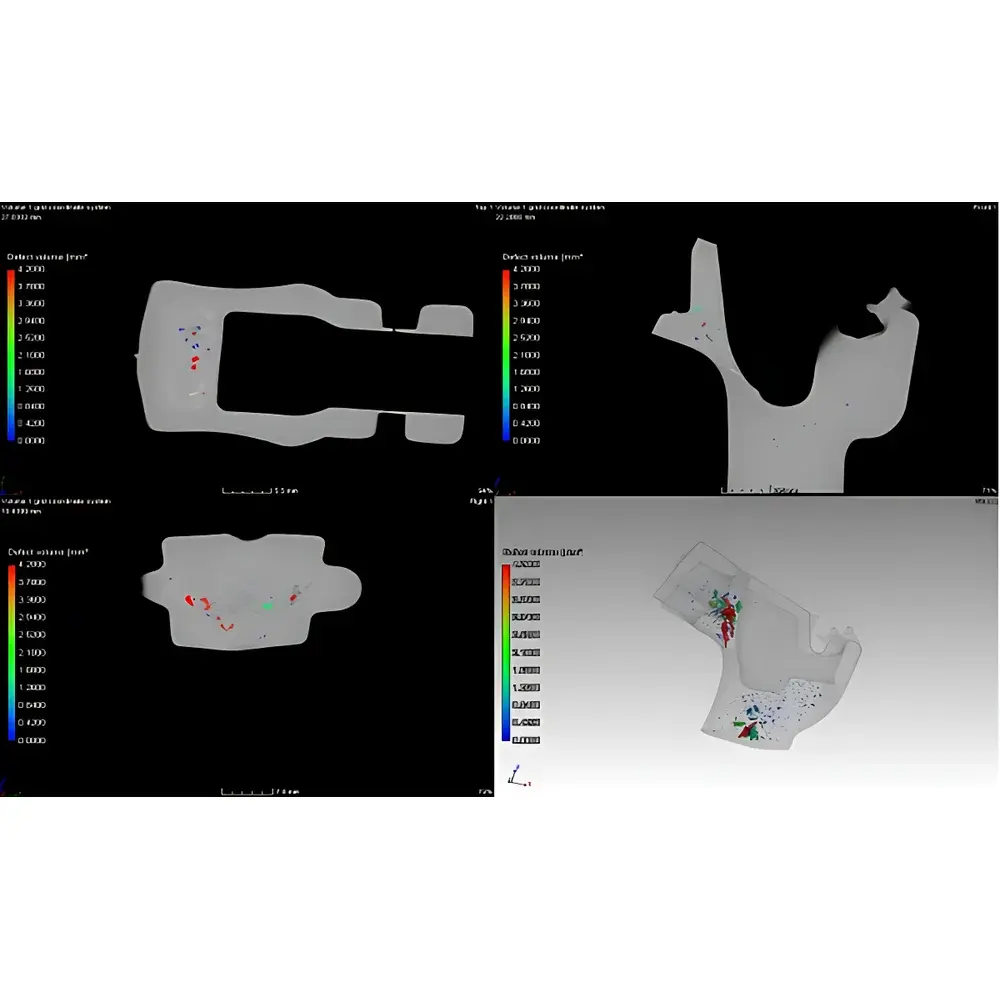
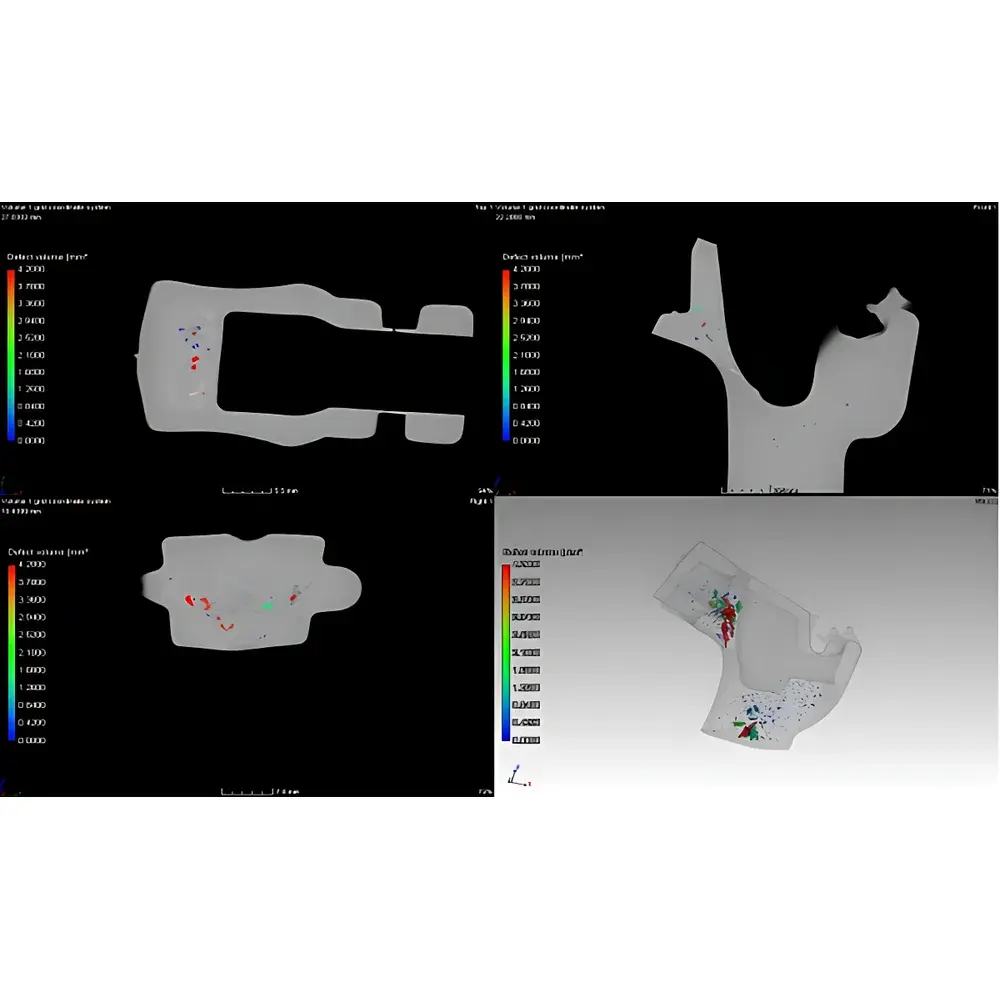
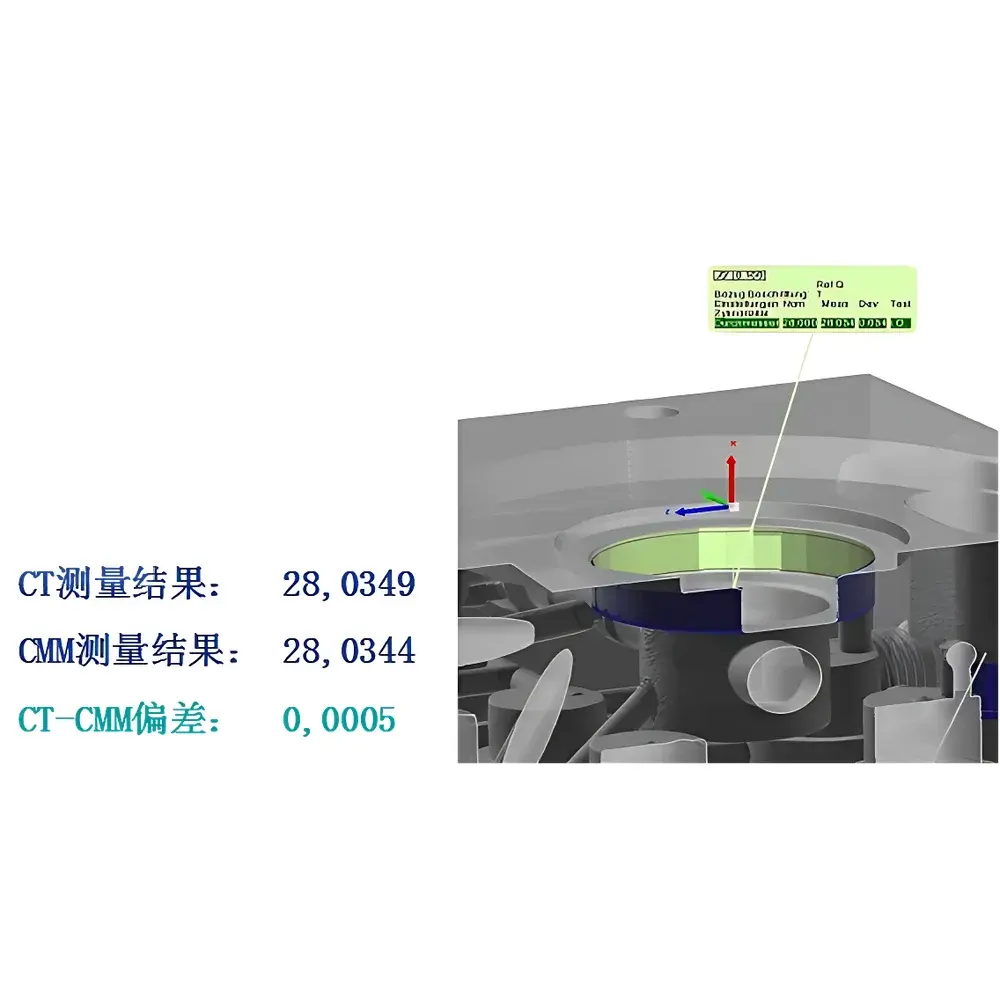
The Aolong Industrial Micro CT System is a high-resolution, non-destructive 3D X-ray computed tomography platform engineered for precision internal inspection and dimensional metrology of engineering components. Based on the physical principle of X-ray absorption differential contrast and iterative reconstruction algorithms (e.g., FDK or SART), the system acquires hundreds to thousands of projection images over a full 360° rotation, enabling voxel-level volumetric reconstruction with isotropic spatial resolution down to the micrometer range. Unlike conventional 2D radiography, this system delivers quantitative 3D density maps—allowing not only geometric characterization but also material phase differentiation, porosity quantification, and defect morphology analysis without sample sectioning or surface preparation.
Key Features
- High-stability microfocus X-ray source with adjustable kV/mA output and focal spot size ≤ 5 µm—optimized for high-contrast imaging of low-Z to mid-Z materials (e.g., polymers, aluminum alloys, composites)
- Digital flat-panel detector with ≥ 2048 × 2048 active pixels, 16-bit dynamic range, and scintillator-based conversion efficiency suitable for high signal-to-noise ratio (SNR) acquisition
- Precision rotational stage with angular repeatability < 0.005° and sub-micron linear positioning accuracy—ensuring geometric fidelity in reconstructed volumes
- Integrated thermal management and vibration-damping mechanical architecture to maintain long-scan stability (typical scan durations: 10–90 min depending on resolution and object size)
- Modular shielding cabinet compliant with national radiation safety standards (GBZ 130–2020), including interlocked access doors and real-time dose monitoring
Sample Compatibility & Compliance
The system accommodates samples up to Ø300 mm × H400 mm (customizable larger configurations available). Compatible with metallic, ceramic, polymer, and composite specimens—including additively manufactured parts, investment castings, electronic assemblies, and aerospace turbine blades. All measurement workflows support traceable calibration using NIST-traceable phantoms (e.g., ISO/IEC 17025-accredited reference standards). Data acquisition and reporting comply with requirements for GLP/GMP environments; audit trails, user authentication, and electronic signature capability are configurable per FDA 21 CFR Part 11 guidelines. System validation documentation aligns with ASTM E1441 (Standard Guide for Computed Tomography [CT] Imaging) and ISO 15732 (Non-destructive testing — Industrial computed tomography — General principles).
Software & Data Management
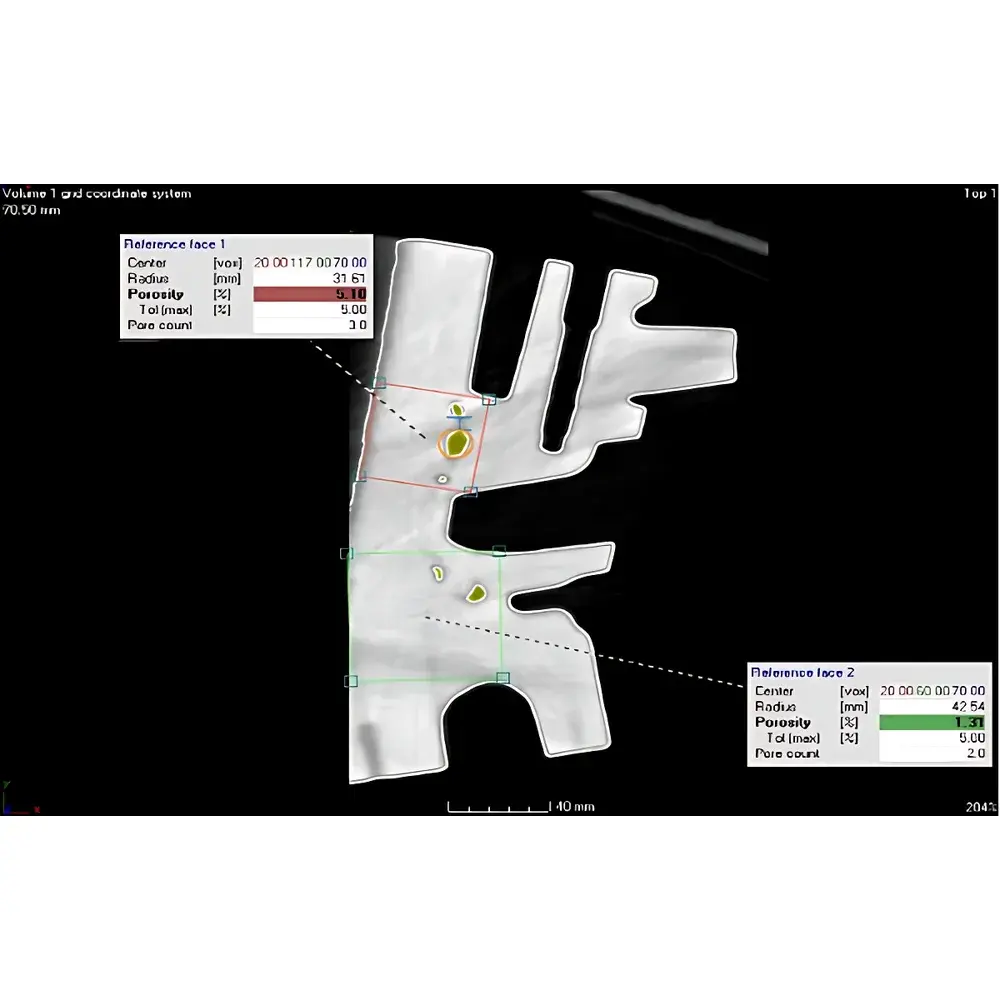
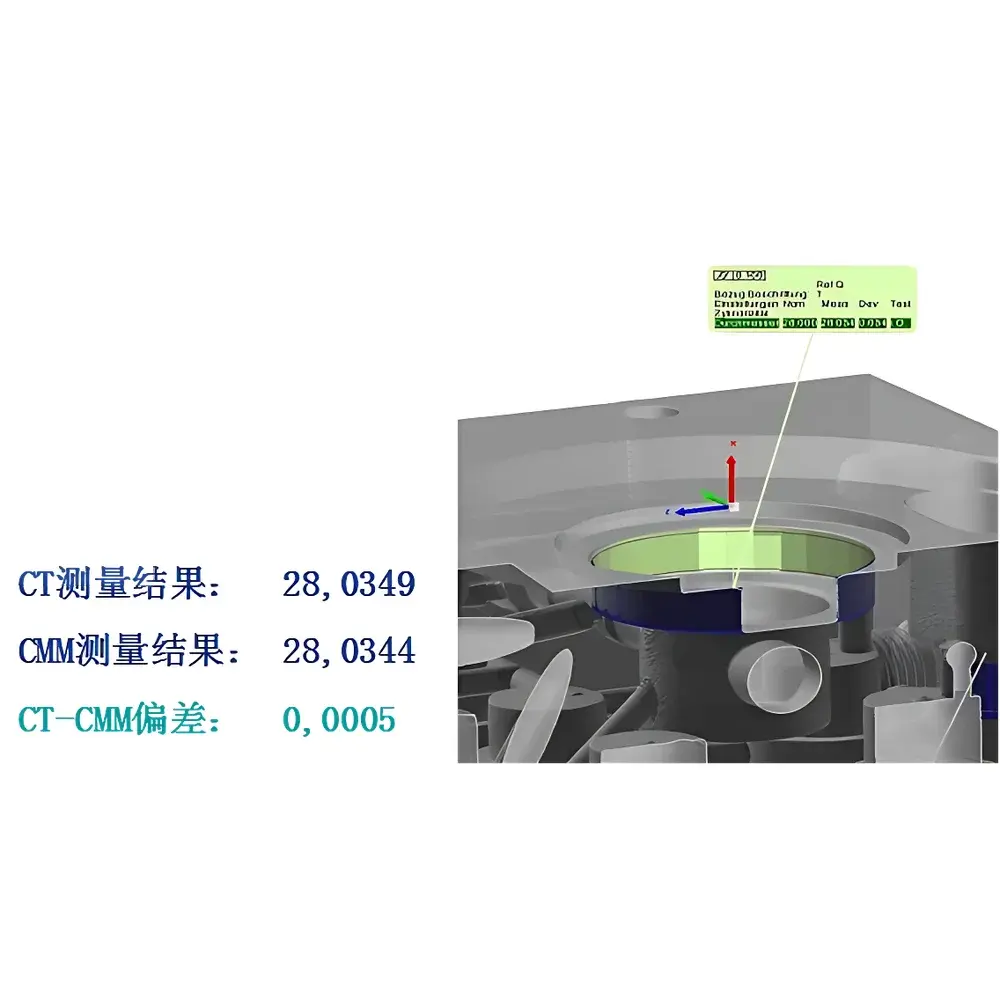
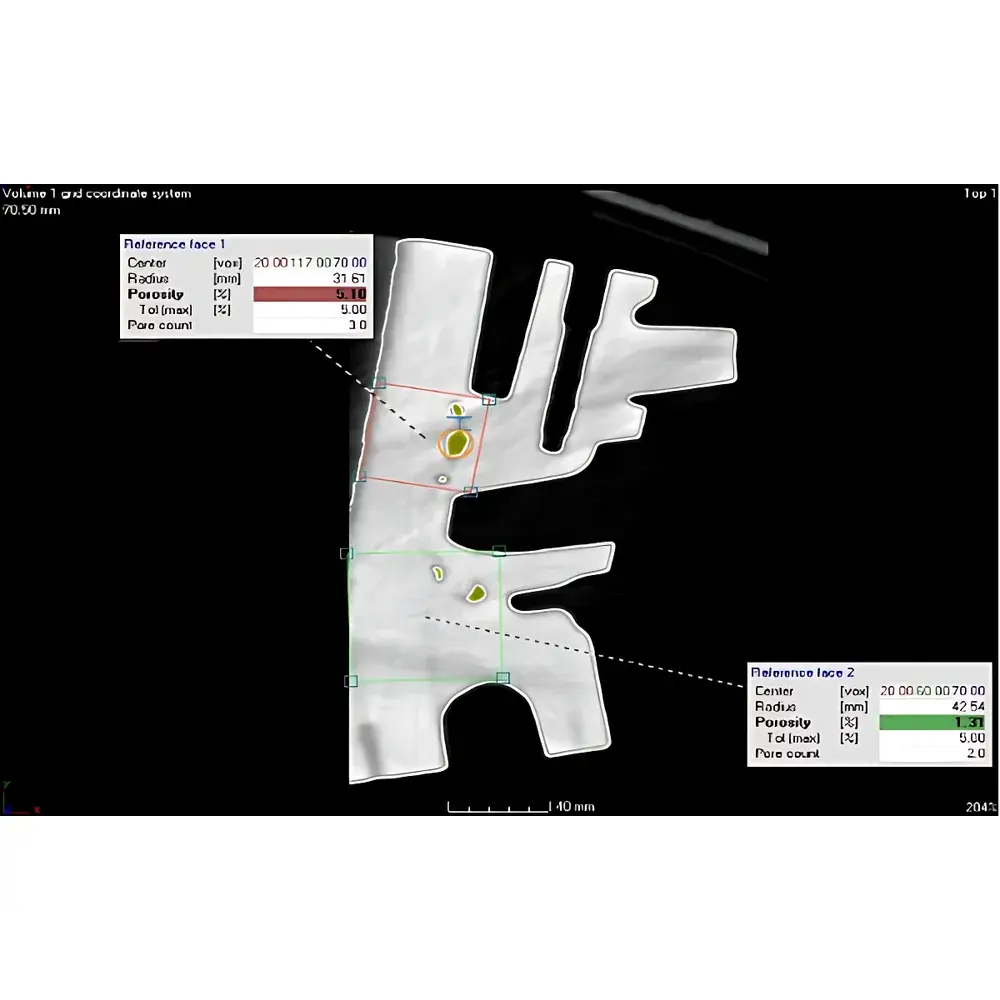
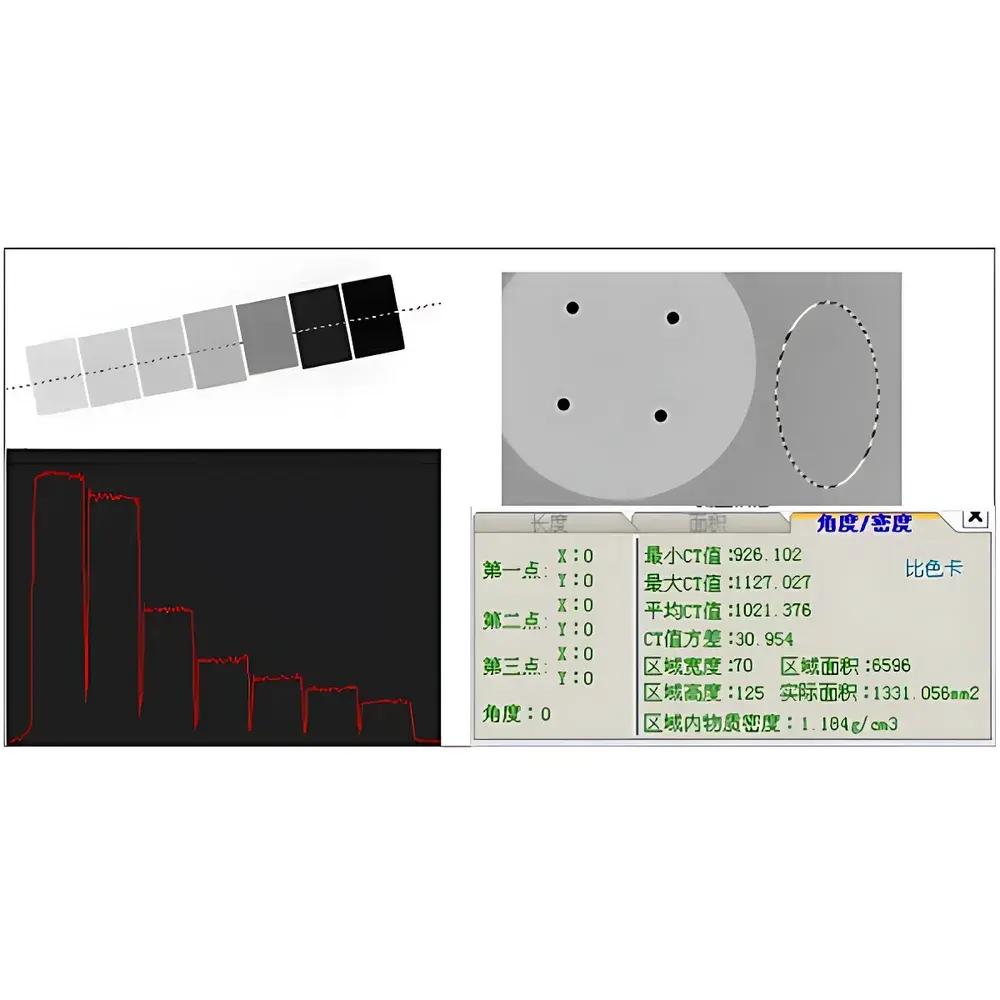
Bundled with proprietary reconstruction and analysis software featuring GPU-accelerated Feldkamp-Davis-Kress (FDK) and iterative OS-SART algorithms. Post-processing modules include: (1) automatic segmentation using adaptive thresholding and machine learning-assisted region growing; (2) dimensional metrology per ASME Y14.5–2018 GD&T standards with uncertainty estimation; (3) pore network analysis (porosity %, connectivity, tortuosity); (4) wall thickness mapping and deviation color-coding against CAD references; and (5) export of STL, PLY, VTK, and DICOM formats for integration into third-party CAE platforms (e.g., ANSYS, HyperMesh). Raw projections and reconstructed volumes are stored in vendor-neutral HDF5 format with embedded metadata (scan parameters, calibration logs, operator ID, timestamp).
Applications
- Aerospace & Defense: Inspection of turbine blade cooling channels, honeycomb core integrity, and adhesive bond line continuity in composite airframes
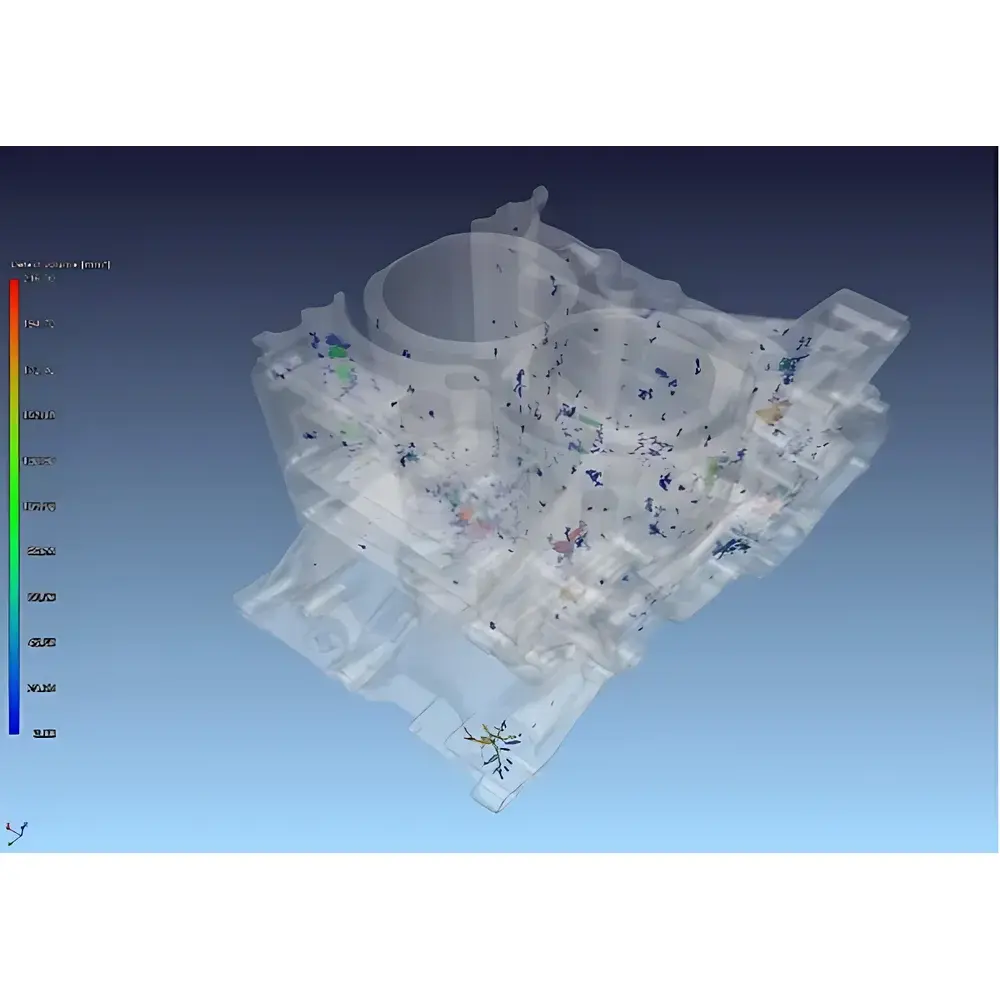
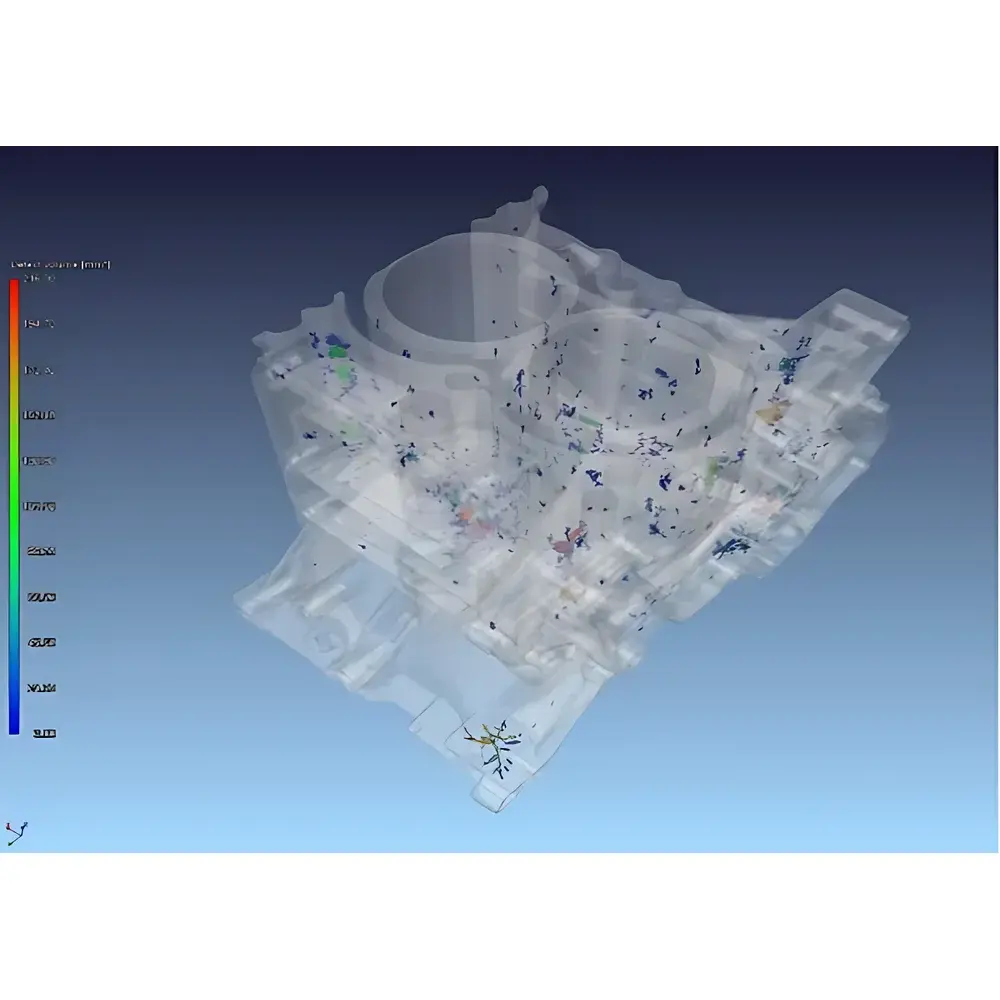
- Automotive: Validation of casting porosity in engine blocks, verification of solder joint voiding in EV battery modules, and geometric conformity of 3D-printed lightweight brackets
- Electronics: Failure analysis of BGA packages, detection of delamination in multilayer PCBs, and solder fillet quality assessment
- Medical Device Manufacturing: Wall thickness uniformity of catheter shafts, strut geometry verification in nitinol stents, and particulate contamination screening in sterile packaging
- Research & Development: In situ deformation studies under mechanical loading (with optional stage integration), multi-material interface characterization, and digital twin generation for simulation-driven design
FAQ
What is the typical achievable spatial resolution for metal samples?
Resolution depends on sample size, material density, and magnification geometry—but routinely achieves 5–20 µm isotropic voxel size for aluminum- and titanium-alloy components within standard field-of-view configurations.
Can the system perform quantitative density analysis?
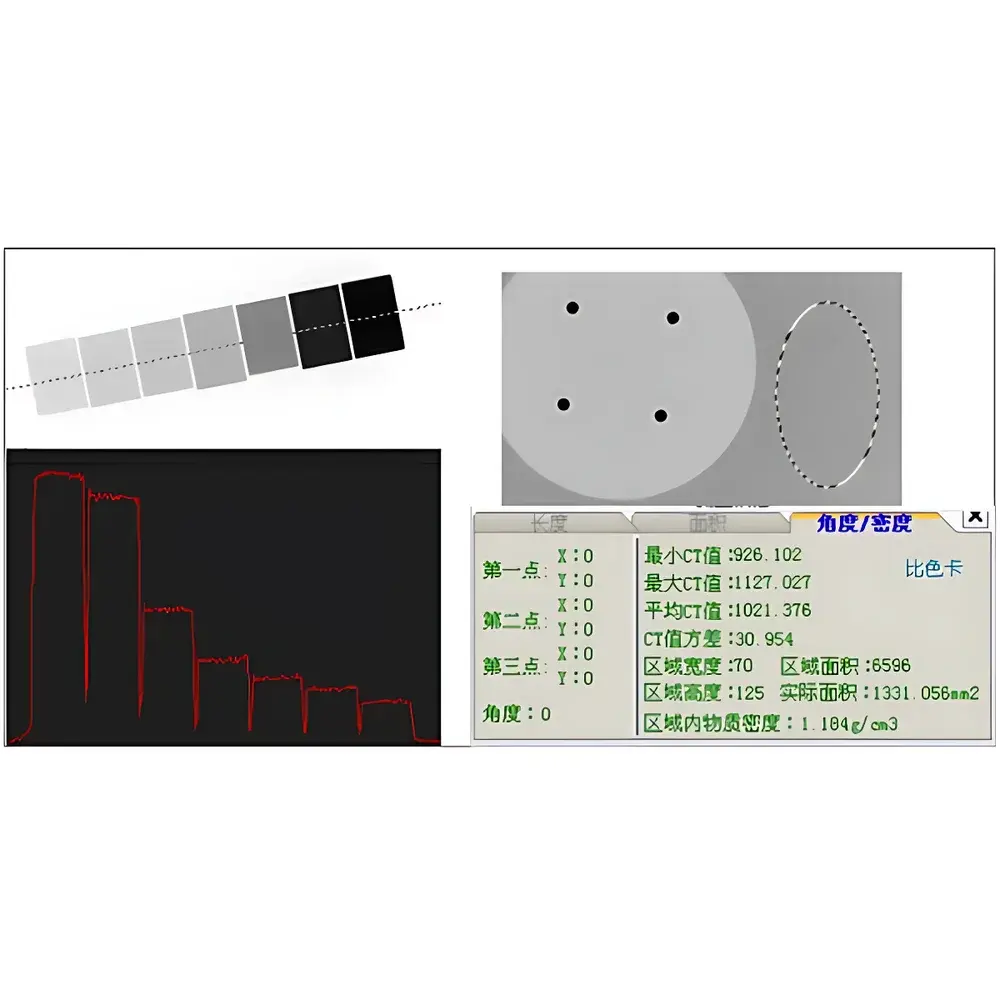
Yes—calibrated grayscale values in reconstructed volumes correlate linearly with electron density, enabling relative density mapping and identification of material inconsistencies or inclusions.
Is CAD-to-CT comparison supported?
Yes—the software includes full GD&T-compliant comparison tools that compute local deviations between reconstructed surfaces and imported STEP or IGES models, with statistical reporting per ISO 17450-1.
Does the system meet international regulatory requirements for quality labs?
The platform supports IQ/OQ/PQ validation protocols and provides documented compliance evidence for ISO/IEC 17025, AS9100, and IATF 16949 accredited laboratories.
What training and technical support options are available?
Aolong offers on-site installation commissioning, operator certification courses (including reconstruction parameter optimization and metrology workflow setup), and remote diagnostics via secure TLS-encrypted connection.



