
AQUAFLEX TDT-Based Soil Moisture and Temperature Profiling Sensor System
| Origin | New Zealand |
|---|---|
| Manufacturer Type | Authorized Distributor |
| Origin Category | Imported |
| Model | AQUAFLEX |
| Pricing | Available Upon Request |
Overview
The AQUAFLEX is a field-deployable, time-domain transmission (TDT) soil moisture and temperature profiling system engineered for high-reproducibility volumetric water content (VWC) monitoring in heterogeneous soil environments. Unlike point-sensor technologies, the AQUAFLEX employs a 3-meter flexible strip sensor that interrogates a cylindrical soil volume of approximately 6 L (Φ50 mm × 3000 mm), significantly reducing spatial sampling bias associated with discrete probes. Its measurement principle—grounded in US Patent 5,148,125—relies on propagation velocity and waveform distortion analysis of high-frequency electromagnetic pulses transmitted along a calibrated conductive strip embedded in soil. This TDT methodology offers robust performance in variable soil textures and salinities, with inherent compensation for bulk electrical conductivity and temperature effects—critical for long-term irrigation scheduling in agricultural and urban green infrastructure.
Key Features
- 3-meter flexible strip sensor enabling conformal installation across undulating terrain, root zones, or layered profiles without excavation disruption
- Integrated Pt1000-grade temperature sensor co-located with moisture sensing element for simultaneous, spatially aligned VWC and temperature acquisition
- Automatic real-time compensation for temperature-induced dielectric drift and electrolytic conductivity interference
- Volumetric water content resolution of ±0.5% VWC and accuracy of ±2.0% VWC across 0–60% range, validated per ASTM D5792 and ISO 11274 protocols
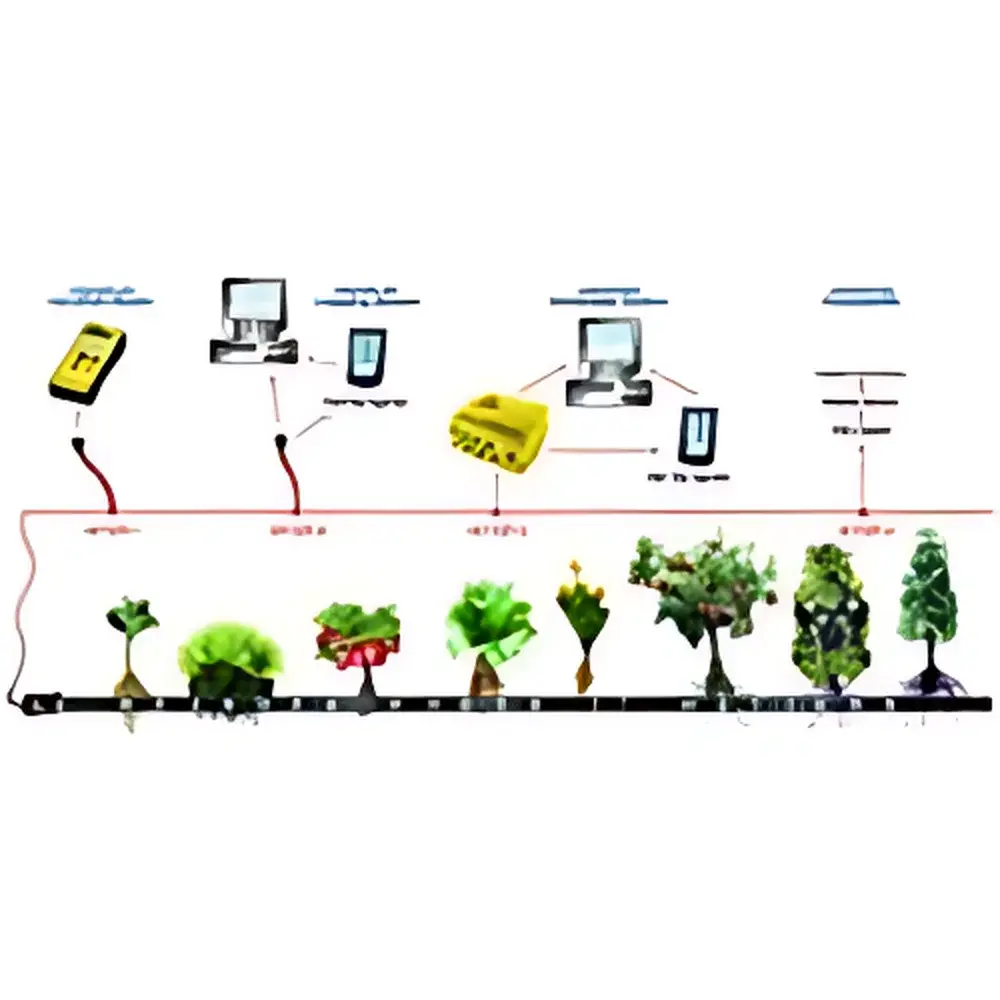
- Multi-output interface support: 4–20 mA analog, RS-232 serial, frequency-modulated pulse, and proprietary digital protocol for interoperability with third-party data loggers
- Operating ambient temperature range: −10 °C to +40 °C; sensor operational range: −10 °C to +50 °C
Sample Compatibility & Compliance
The AQUAFLEX is validated for use in mineral soils (sand to clay loam), organic-rich horticultural substrates, turfgrass root zones, and engineered urban growing media. It complies with FAO’s guidelines for soil water monitoring in precision irrigation systems and meets functional equivalence requirements under ISO/IEC 17025 for field-deployed environmental sensors. While not certified as a medical or pharmaceutical device, its data traceability architecture—including timestamped, checksummed output packets—supports GLP-aligned field studies. The system’s low-power design and non-invasive burial method minimize ecological disturbance, aligning with EPA Method 9080B recommendations for in situ soil water characterization.
Software & Data Management
AQUAFLEX-compatible PC software provides calibration management, sensor configuration, time-series visualization, and automated report generation (PDF/CSV). All firmware updates and sensor diagnostics are performed via RS-232 or USB-to-serial adapter. The software enforces audit-trail logging per FDA 21 CFR Part 11 requirements when used in regulated agricultural research settings. Optional GSM-enabled variants transmit encrypted hourly VWC/temperature datasets directly to cloud platforms (e.g., AWS IoT Core or Azure IoT Hub) using TLS 1.2 encryption and configurable retry logic for intermittent coverage zones.
Applications
- Precision irrigation control in vineyards, market gardens, and sports turf where spatial heterogeneity demands volumetric rather than point-based assessment
- Long-term soil moisture budgeting in municipal green corridors and urban parkland restoration projects
- Calibration reference for satellite-based soil moisture products (e.g., SMAP, Sentinel-1) in validation transects
- Root-zone water dynamics research in controlled-environment agriculture (CEA) and hydroponic substrate trials
- Regulatory compliance monitoring for stormwater retention basins and bioswale performance verification
FAQ
How does TDT differ from conventional TDR in practice?
TDT uses lower-energy, single-pulse transmission with optimized impedance matching, resulting in reduced signal attenuation in high-conductivity soils and improved signal-to-noise ratio at depth—making it more suitable for saline or clay-rich profiles than traditional TDR.
Can the sensor be installed vertically or horizontally?
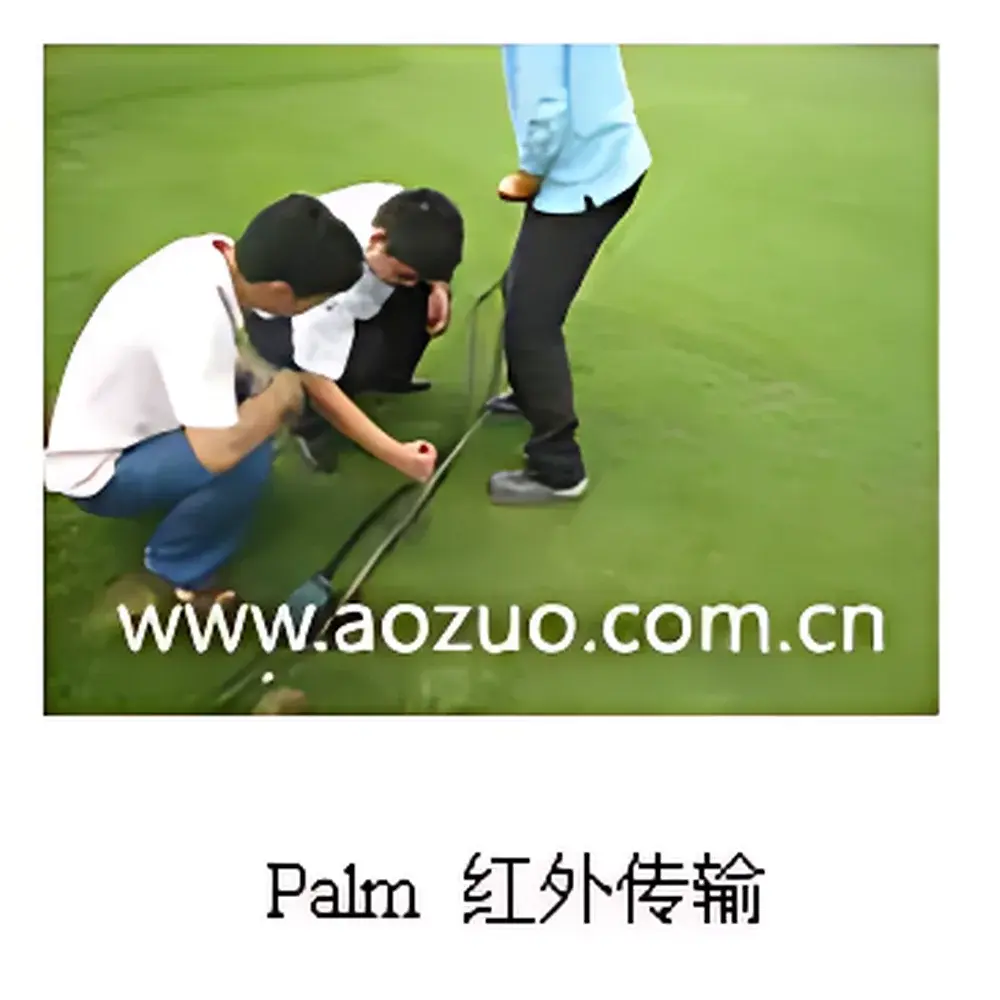
Yes—the flexible polymer-encapsulated strip allows vertical insertion into augered holes or horizontal placement within trench backfill, maintaining consistent volumetric interrogation geometry in both orientations.
Is factory recalibration required annually?
No—AQUAFLEX sensors exhibit <0.3% VWC/year drift under continuous field operation; field verification using gravimetric sampling at two points per season satisfies ISO 11274 maintenance protocols.
What power options support unattended multi-year deployment?
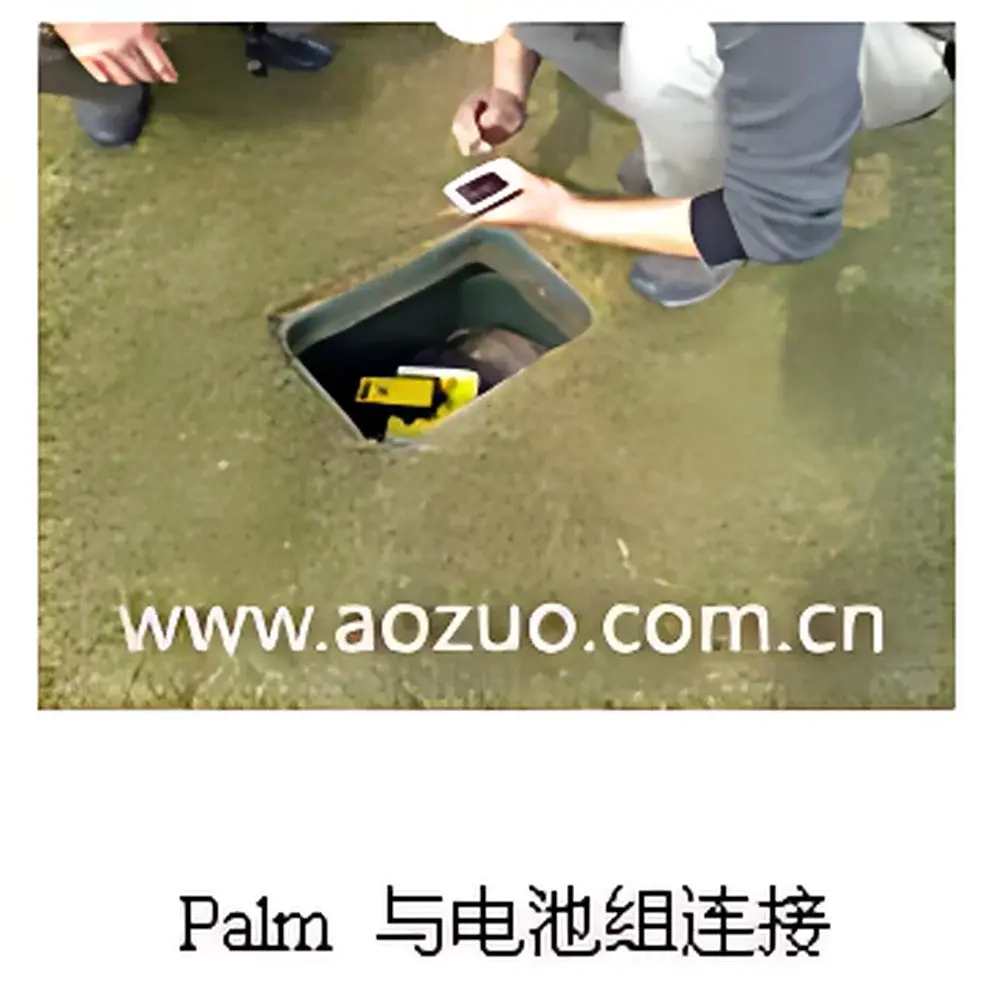
Standard configurations operate on 12 V DC (rechargeable LiFePO₄ or alkaline battery packs); solar-charged variants with MPPT regulators extend deployment beyond 36 months in temperate zones.
Does the system support MODBUS RTU or SDI-12 protocols?
Native MODBUS RTU is available via optional firmware upgrade; SDI-12 is not supported due to TDT’s deterministic timing requirements but can be bridged using third-party protocol converters compliant with IEEE 1451.2.







