
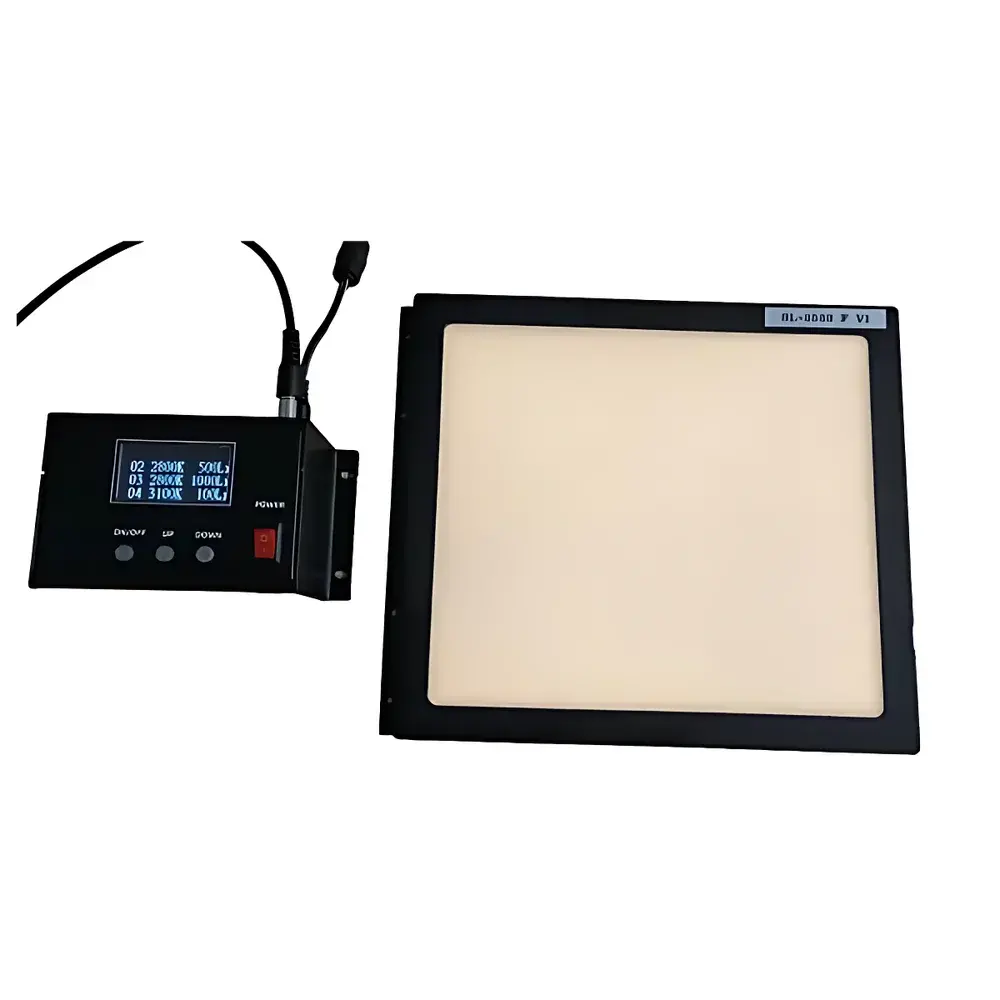
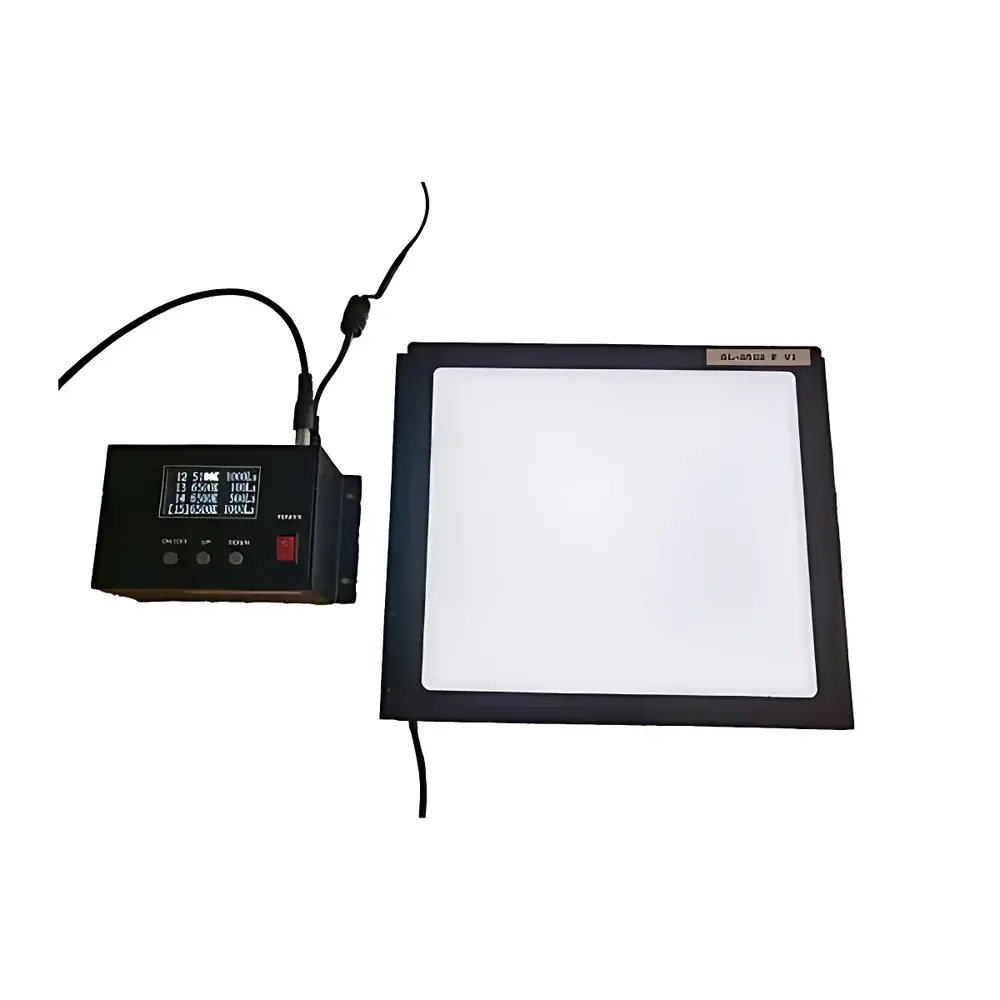
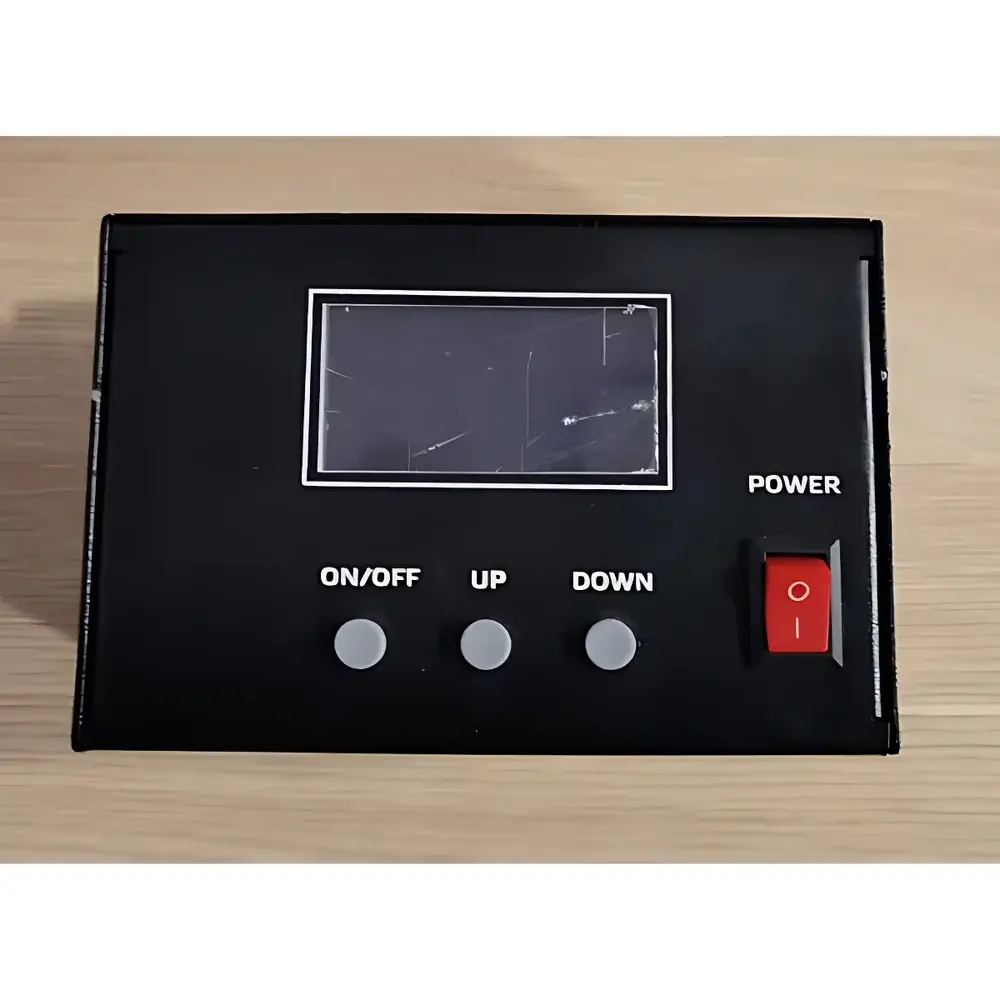
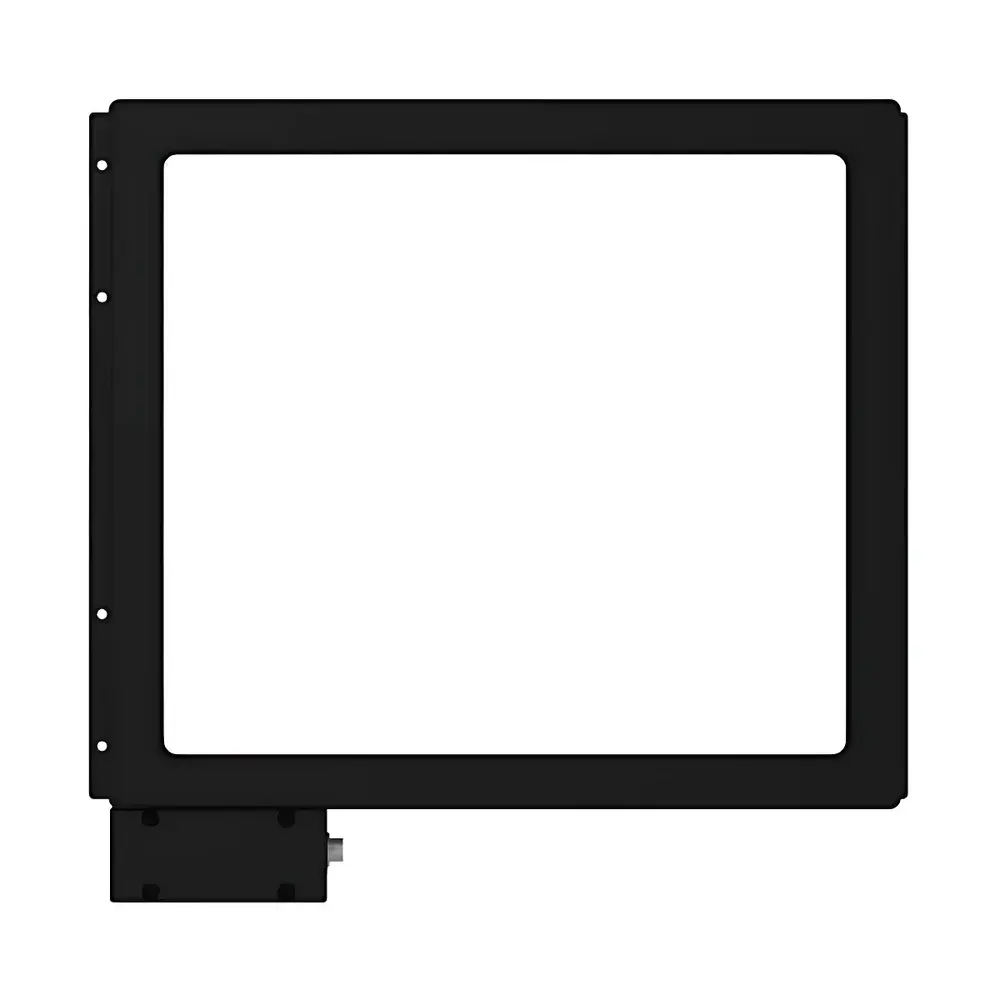
Auniontech AUT-SL Series Full-Spectrum LED Panel Light Source
| Brand | Auniontech |
|---|---|
| Origin | Shanghai, China |
| Model | AUT-SL-2522 FV2 / AUT-SL-2922 FV4 / AUT-SL-2522 FR4 |
| Light Source Type | Tunable Full-Spectrum LED Array |
| Color Temperature Range | 2700–7500 K (±20 K) |
| Brightness Control | 12-bit per channel (4096 levels) |
| Uniformity | >95% over active area |
| Spectral Smoothness | Continuous SPD without spectral spikes |
| Flicker-Free Operation | DC-driven, <0.1% RMS intensity fluctuation |
| Operating Temperature | −40 to +105 °C |
| Customizable Dimensions | e.g., 400 × 600 mm, 600 × 800 mm |
| Software Interface | Native API (C/C++, Python, LabVIEW) for calibration & automation integration |
| Compliance | RoHS, CE, ISO 9001 manufacturing environment |
Overview
The Auniontech AUT-SL Series Full-Spectrum LED Panel Light Source is an engineered optical reference standard designed for high-precision photometric and radiometric calibration in industrial imaging system validation. Based on multi-channel, spectrally blended LED architecture, it delivers continuous, flicker-free spectral power distribution (SPD) across the visible range (380–780 nm), emulating natural daylight at programmable correlated color temperatures (CCT). Unlike broadband arc lamps or filtered halogen sources, this solid-state platform eliminates UV/IR leakage, thermal drift, and temporal instability—making it suitable for automated optical test (AOT) stations requiring traceable, repeatable illumination during OTP (One-Time Programmable) calibration of CMOS image sensors. Its rigid aluminum-housed planar design ensures mechanical stability under vibration-prone production-line conditions, while its thermally managed PCB layout sustains long-term luminance constancy (ΔL* < 0.5% over 10,000 hours at rated drive current).
Key Features
- Programmable CCT from 2700 K to 7500 K with ±20 K accuracy, verified via integrated NIST-traceable spectroradiometer feedback loop
- Independent 12-bit digital control per LED channel (2–4 channels configurable), enabling fine-grained spectral shaping and dynamic white-point adjustment
- Optical uniformity exceeding 95% across the entire emission surface (measured per ISO 13660 and CIE 122), validated using calibrated CCD-based imaging photometers
- Flicker-free operation confirmed by IEEE 1789-compliant testing; intensity ripple < 0.1% RMS under constant-current driving
- Native software development kit (SDK) supporting C/C++, Python, and LabVIEW APIs—enabling seamless integration into automated test platforms (ATE), vision inspection systems, and metrology workstations
- Extended operational envelope: functional from −40 °C to +105 °C ambient, with optional conformal coating for humidity resistance (IP54 rating achievable)
Sample Compatibility & Compliance
The AUT-SL series is optimized for flat-field illumination of camera modules, lens assemblies, and sensor wafers during factory-level characterization. It supports standardized test charts (e.g., ISO 12233 slanted-edge targets, EMVA 1288 photodiode arrays) and accommodates both front-side and back-side illumination configurations. All units are manufactured under ISO 9001-certified processes and comply with RoHS Directive 2011/65/EU and CE marking requirements for electromagnetic compatibility (EN 61326-1) and safety (EN 62471 for LED photobiological safety). While not a certified reference standard per CIE S 023/E:2020, its output stability and spectral repeatability meet internal validation criteria for GLP-aligned sensor calibration workflows.
Software & Data Management
Auniontech provides a Windows-based calibration utility that performs real-time spectral verification using external USB spectroradiometers (e.g., Ocean Insight HDX, Konica Minolta CS-2000A). The included API enables bidirectional communication: users can trigger brightness/color updates, read back actual CCT and irradiance values, and log timestamped calibration records. Audit trails support basic 21 CFR Part 11 compliance when deployed with validated host software—though full electronic signature functionality requires third-party LIMS integration. Firmware updates are delivered via signed binary packages with SHA-256 hash verification.
Applications
- Auto White Balance (AWB) algorithm training and verification across multiple illuminants
- Lens Shading Correction (LSC) map generation using uniform field illumination
- Blemish detection on optical surfaces and sensor cover glass under controlled spectral excitation
- Defect pixel mapping via high-SNR flat-field exposure sequences
- Photoresponse non-uniformity (PRNU) and photoelectric conversion linearity assessment
- Backlighting for transmission-based test charts in MTF, distortion, and chromatic aberration measurement setups
FAQ
What spectral measurement uncertainty does the AUT-SL series exhibit when used with external spectroradiometers?
Typical spectral mismatch error is ≤1.2% (k=2) relative to NIST-traceable standards, primarily limited by detector responsivity calibration and stray-light rejection of the measurement instrument—not the source itself.
Can the panel be synchronized with camera exposure triggers?
Yes—TTL-compatible sync input/output ports support hardware-level frame synchronization up to 1 kHz repetition rate.
Is spectral recalibration required after extended use?
No routine recalibration is needed; however, annual verification against a reference spectroradiometer is recommended for GMP-aligned production environments.
Are custom spectral profiles (e.g., D50, D65, or customer-specific SPDs) supported?
Yes—via SDK-defined channel weighting tables; pre-loaded CIE standard illuminant profiles are included out-of-the-box.
What mounting options are available for integration into inline test fixtures?
Standard M4 threaded holes on all four corners; optional kinematic mounts and motorized tilt stages are available as accessories.



