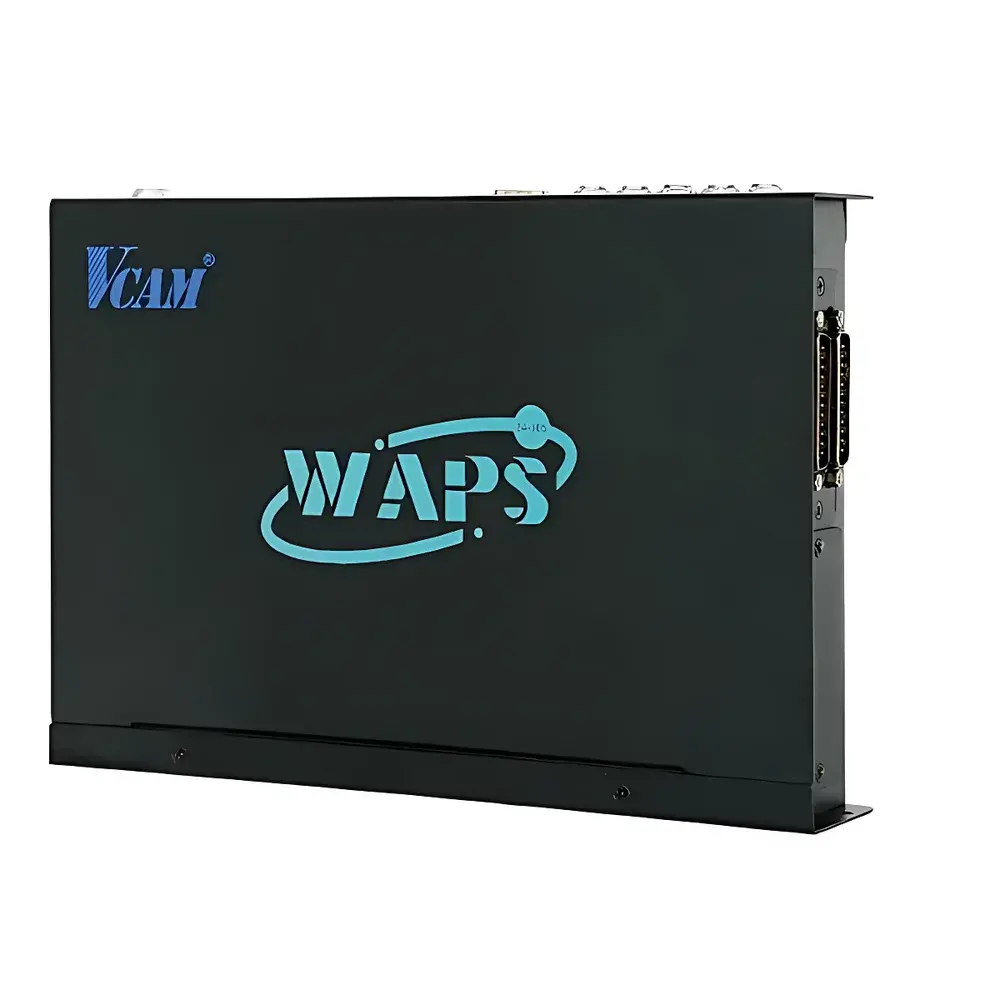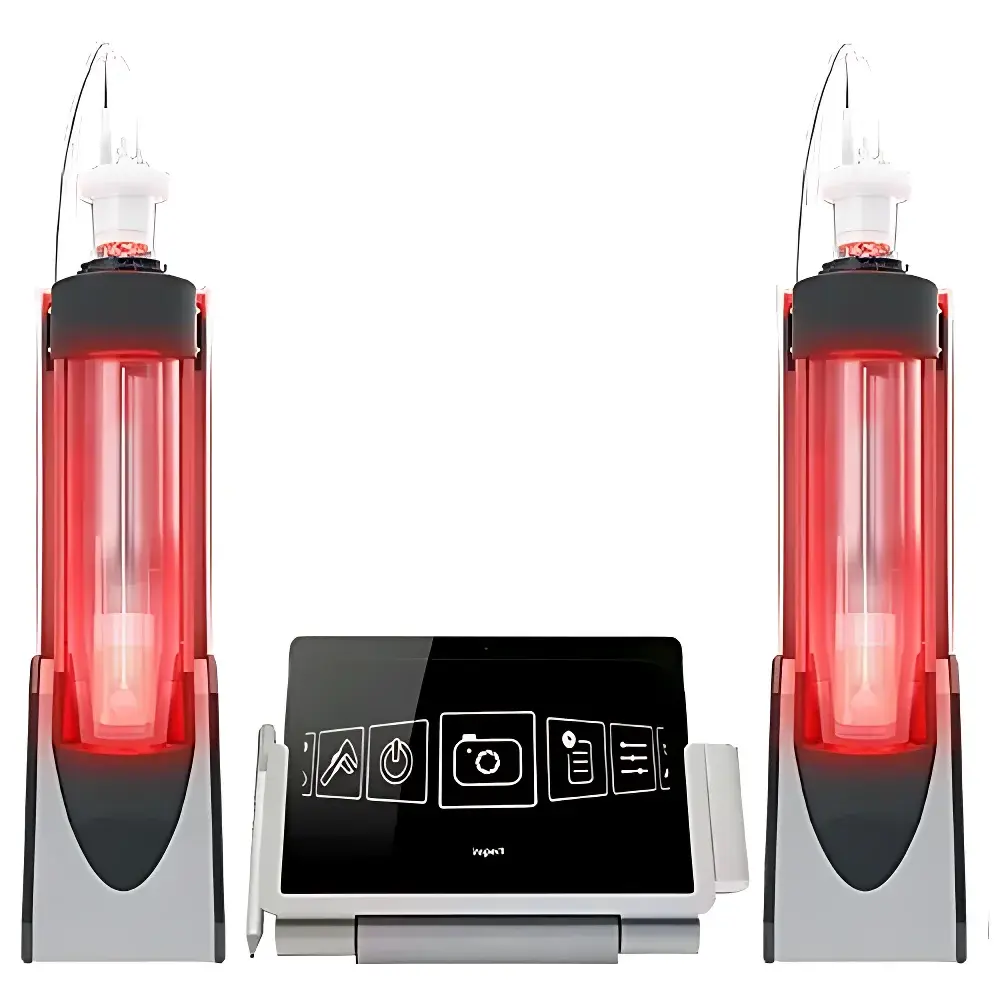
AYALYTICAL FoamDDI Automated Foam Characterization Instrument
| Brand | AYALYTICAL |
|---|---|
| Origin | USA |
| Model | FoamDDI |
| Detection Type | Total Sulfur Analysis |
| Portability | Portable |
| Standards Compliance | ASTM D892, D6082, D1881 |
| Temperature Range | 20–100 °C |
| Display | 10.1″ projected capacitive touchscreen |
| Power | Auto-ranging 90–264 VAC, 47–63 Hz, 280 W |
| Dimensions (W×D×H) | 350 × 300 × 270 mm |
| Weight | 10 kg |
| Storage | 64 GB SSD |
| Interface | Dual Ethernet, USB 3.0 ×1, USB 2.0 ×4, HDMI, VGA, USB printer/mouse/keyboard support |
| Humidity Tolerance | ≤75% non-condensing |
| Measurement Accuracy | ±0.25% of raw reading |
| Imaging Method | Patented digital video detection with real-time height quantification |
| Test Modes | Program I, II, III, IV |
| Output | Foam volume (mL), time-stamped video, dynamic/static foam height profiles |
Overview
The AYALYTICAL FoamDDI Automated Foam Characterization Instrument is a precision-engineered, fully automated system designed for quantitative assessment of foam behavior in petroleum-based fluids—including engine oils, hydraulic fluids, gear oils, and industrial lubricants—according to internationally recognized test standards. Unlike conventional manual or semi-automated foam testers, the FoamDDI employs high-resolution digital video imaging coupled with proprietary computer vision algorithms to objectively quantify foam volume, collapse kinetics, and stability profiles over time. Its measurement principle is based on real-time optical segmentation and pixel-based volumetric calibration—eliminating observer-dependent interpretation inherent in visual rating methods defined in ASTM D892 and ISO 6247. The instrument integrates tightly controlled gas flow regulation, programmable thermal management (20–100 °C), and synchronized timing logic to replicate standardized test sequences with metrological rigor. This architecture ensures repeatability across laboratories and compliance readiness for quality control environments operating under ISO/IEC 17025, API Q1, or internal GMP-aligned procedures.
Key Features
- Fully automated execution of ASTM D892 (Method A/B/C), D6082, D1881, IP 146, BS 2000-156, FTM 791-3211, and ISO 6247 protocols without operator intervention during test runtime.
- Digital video detection system with sub-millimeter spatial resolution, enabling dynamic tracking of foam column height and volume evolution at user-defined frame rates.
- Integrated thermoelectric heating/cooling module ensuring ±0.3 °C temperature stability throughout testing—critical for evaluating temperature-sensitive foam suppression additives.
- 10.1-inch projected capacitive touchscreen interface supporting multi-touch gestures, on-device method editing, and real-time visualization of foam height vs. time curves.
- Comprehensive I/O architecture: dual Gigabit Ethernet ports for LIMS integration, four USB 2.0 ports for peripheral expansion, one USB 3.0 port for high-speed data export, HDMI/VGA outputs for external display mirroring, and native USB printer support for audit-ready hardcopy reports.
- Onboard 64 GB SSD storage retains full-resolution video recordings, metadata logs, calibration history, and result exports—supporting traceability requirements per FDA 21 CFR Part 11 Annex 11 when configured with optional electronic signature modules.
Sample Compatibility & Compliance
The FoamDDI accommodates standard ASTM glassware (e.g., 100-mL graduated cylinders per D892) and supports both neat oils and formulated blends containing antifoam agents, dispersants, or viscosity index improvers. It has been validated for use with Group I–V base stocks and additive packages compliant with API SN, CK-4, FA-4, and ACEA specifications. All firmware and software operations adhere to the data integrity principles outlined in ISO 17025:2017 Clause 7.7 (Results Reporting) and EU Annex 11 (Computerized Systems). The device’s digital measurement chain—from image acquisition to volume calculation—is fully documented in its Design Qualification (DQ) and Installation Qualification (IQ) packages, facilitating qualification in regulated manufacturing sites.
Software & Data Management
The embedded operating system runs a dedicated, locked-down Linux distribution optimized for deterministic real-time imaging and analysis. Test methods are stored as XML-based protocol files, allowing version-controlled deployment across instrument fleets. Each test generates a structured output package including: (1) timestamped MP4 video file, (2) CSV-formatted height/time series data, (3) summary PDF report with pass/fail flags against specified limits, and (4) JSON metadata bundle containing environmental conditions, operator ID, calibration status, and instrument firmware revision. Data export supports SFTP, SMB/CIFS, and direct USB mass-storage modes. Optional cloud synchronization enables centralized dashboard monitoring via secure TLS 1.2–encrypted REST API endpoints.
Applications
- Quality assurance of finished lubricants prior to release—verifying conformance to foam volume and collapse time specifications.
- R&D screening of antifoam additive efficacy across temperature gradients and shear histories.
- Root cause analysis of field-reported foaming incidents by correlating laboratory-generated foam kinetics with operational parameters.
- Stability profiling of bio-based hydraulic fluids and low-SAPS formulations where traditional surfactant interactions may induce anomalous foam behavior.
- Contract testing laboratories serving OEMs requiring auditable, reproducible foam data for technical dossiers and regulatory submissions.
FAQ
Does the FoamDDI perform sulfur analysis?
No—the FoamDDI is exclusively a foam characterization instrument. Although it appears in petroleum sulfur tester categories due to shared end-user segments, it does not measure sulfur content. Total sulfur detection requires complementary instrumentation such as XRF, UVF, or combustion fluorescence analyzers.
Can the FoamDDI be integrated into an existing LIMS?
Yes—via dual Ethernet interfaces and configurable RESTful API or HL7-compliant message templates. Full audit trail export (including video hashes and digital signatures) satisfies ALCOA+ data integrity criteria.
Is visual calibration required before each test?
No—calibration is performed once using NIST-traceable volumetric standards, and results are retained in non-volatile memory. Visual verification is optional and only recommended after physical relocation or major firmware updates.
What is the typical test duration for Program III (ASTM D892 Method C)?
Approximately 42 minutes, including pre-conditioning, air injection cycles, and 10-minute drainage observation—fully automated with no manual steps.
Does the instrument meet GLP requirements for regulated testing?
Yes—when deployed with enabled audit trail logging, electronic signatures, and periodic performance verification using certified reference materials, the FoamDDI meets OECD GLP Principles and USP Analytical Instrument Qualification guidelines.