
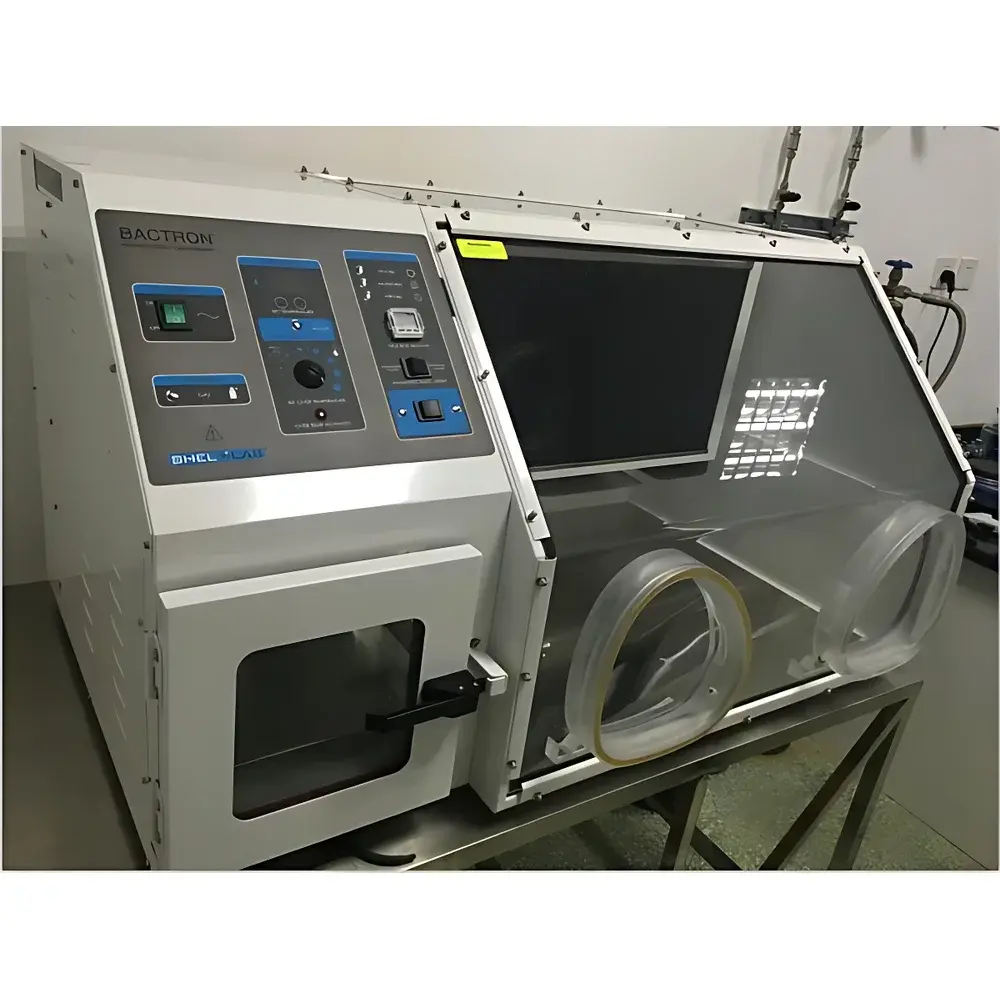
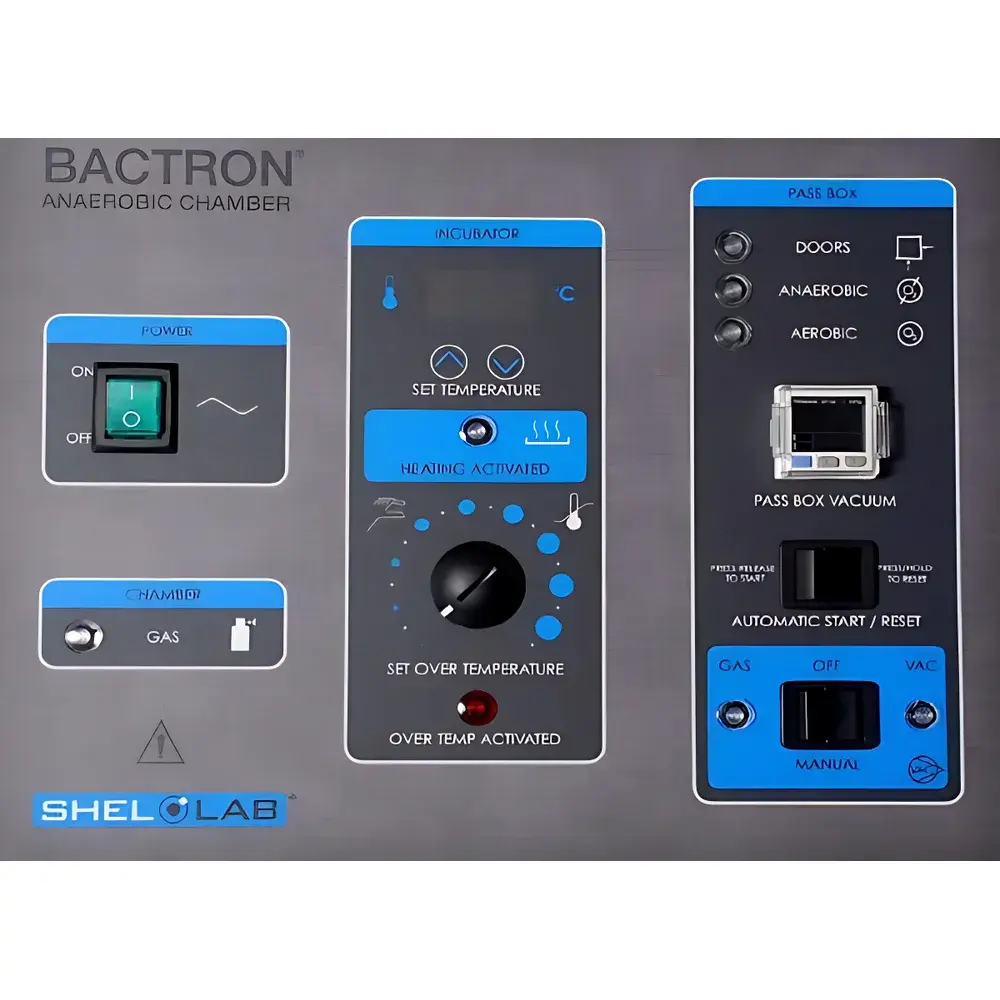
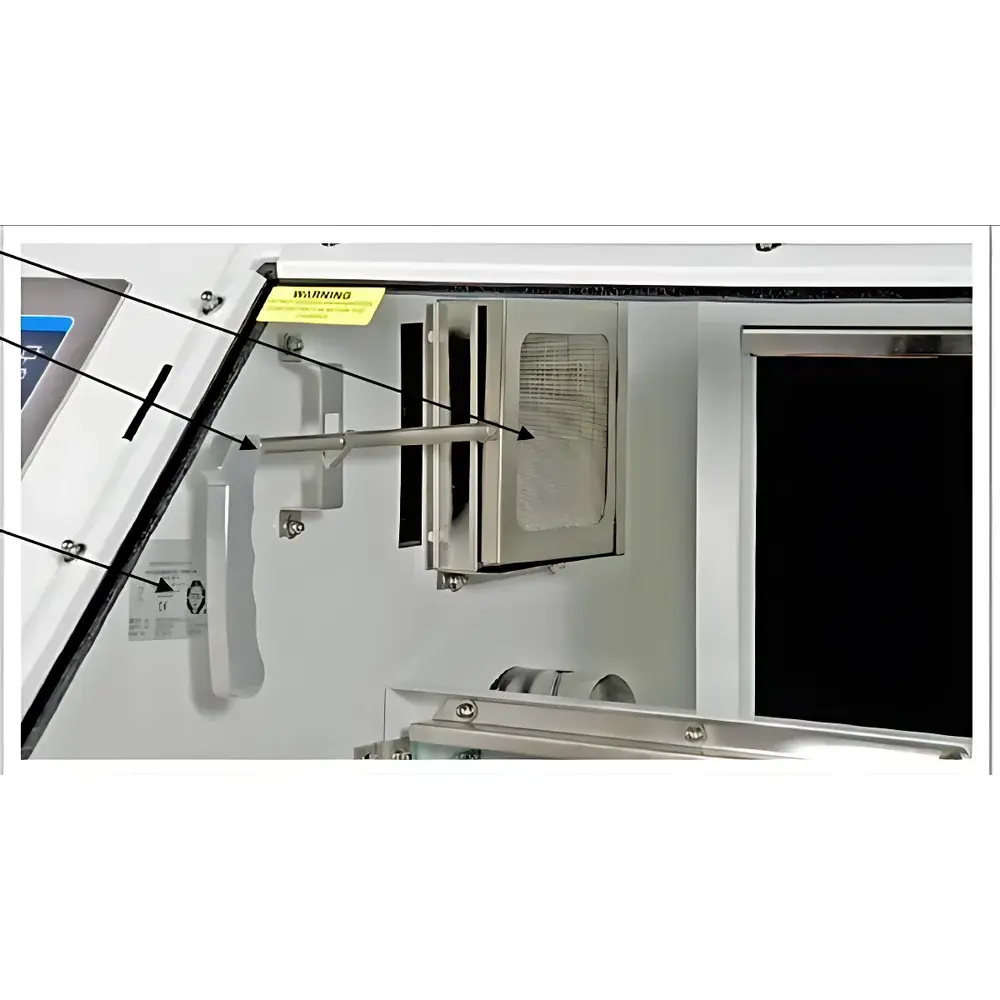
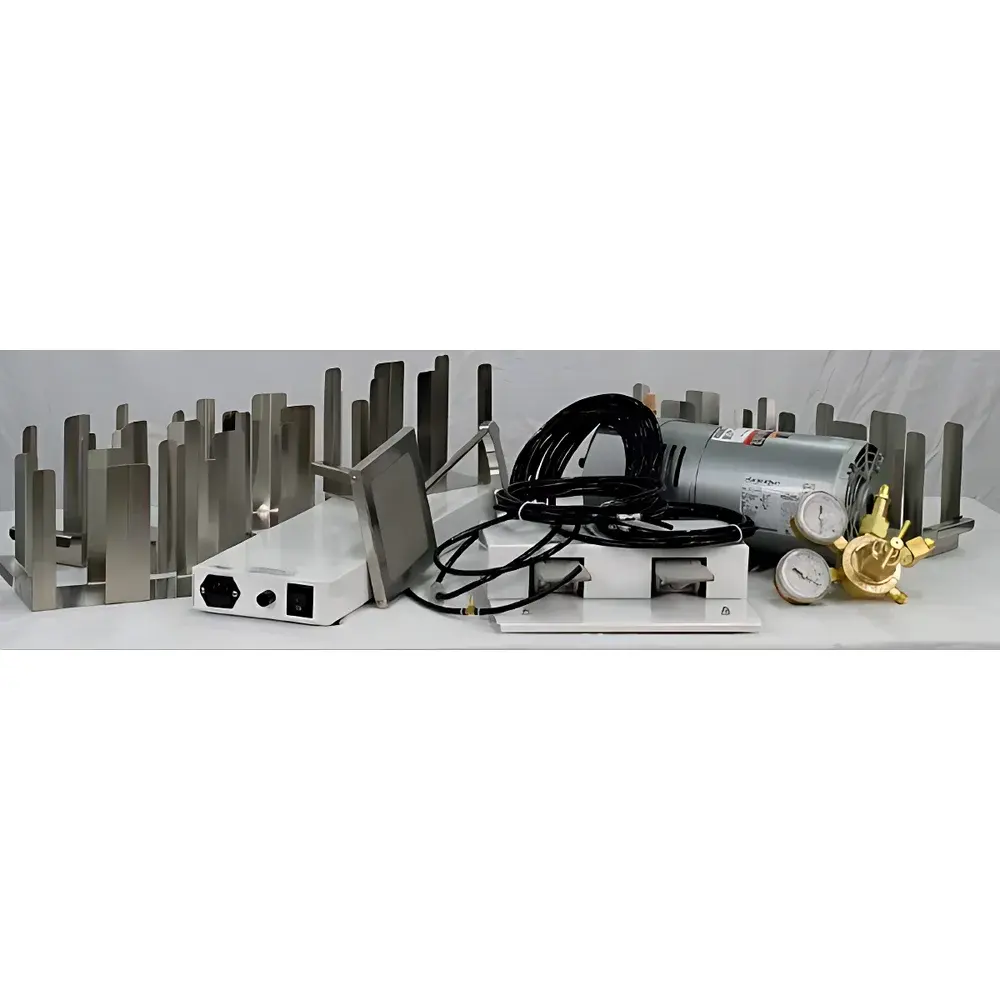
Bactron 300-2 Anaerobic Incubator
| Origin | USA |
|---|---|
| Manufacturer Type | Authorized Distributor |
| Origin Category | Imported |
| Model | Bactron 300-2 |
| Temperature Range | Ambient +5°C to 70°C |
| Temperature Uniformity & Stability | ±0.5°C at 37°C |
| Humidity Control Range | Ambient +5°C to 70°C (via integrated humidity management system) |
| Working Chamber Volume | 498 L |
| Incubation Chamber Volume | 48 L |
| Transfer Lock Volume | 31 L |
| Power Supply | 120–230 V, 50–60 Hz |
| Power Consumption | 1100 W |
| Safety Certification | TÜV-certified |
Overview
The Bactron 300-2 Anaerobic Incubator is a fully integrated, glove-free anaerobic workstation engineered for precise, reproducible cultivation of obligate and facultative anaerobes under strictly controlled atmospheric conditions. Unlike conventional glove-box systems requiring manual gas purging cycles, the Bactron 300-2 employs a continuous catalytic deoxygenation process—utilizing palladium-based catalysts in conjunction with hydrogen and CO₂ injection—to maintain oxygen levels below 1 ppm within both the working chamber and incubation chamber. Its dual-chamber architecture separates operator interaction from sample incubation, minimizing environmental disturbance during routine monitoring or intervention. Designed for compliance with ISO 13485, CLSI M22-A3, and USP microbiological testing requirements, the system supports validated workflows in clinical diagnostics, pharmaceutical QC, academic research, and industrial fermentation development.
Key Features
- Glove-free operation with intuitive front-access design—eliminates ergonomic strain and reduces contamination risk associated with traditional glove ports
- Dual independent chambers: sealed incubation chamber (48 L) and spacious working chamber (498 L), each with dedicated temperature, gas, and pressure control
- Integrated condensate management system prevents interior wall condensation and fogging, ensuring optical clarity for real-time colony observation without chamber opening
- Automated or manual transfer lock (31 L volume) with programmable purge cycles, enabling safe sample introduction/extraction while preserving anaerobic integrity
- Precision temperature control (±0.5°C at 37°C) via PID-regulated heating elements and redundant overtemperature cutoff—compliant with IEC 61000-6-2 EMC and IEC 61010-1 safety standards
- Constant-pressure regulation system actively monitors internal chamber pressure and vents excess gas to maintain physiological comfort and seal integrity
- Front-panel touchscreen interface with multilingual support (English, Spanish, French, German), data logging, and user-access level configuration (operator, supervisor, administrator)
Sample Compatibility & Compliance
The Bactron 300-2 accommodates standard Petri dishes (up to 300 plates per cycle), multiwell plates, culture tubes, anaerobic jars, and custom bioreactor vessels up to 15 cm in height. Its chamber geometry permits unobstructed placement of inverted plates and upright slants. All internal surfaces are constructed from electropolished 316L stainless steel with welded seams, meeting FDA-compliant material specifications for non-porous, non-shedding, and autoclavable-compatible construction. The system supports 21 CFR Part 11-compliant electronic records when paired with optional audit-trail-enabled software modules. It conforms to ISO 14644-1 Class 5 cleanroom air quality standards within the working chamber during steady-state operation.
Software & Data Management
The embedded controller logs temperature, O₂ concentration (via optional electrochemical sensor), chamber pressure, and cycle timestamps at user-defined intervals (1 sec to 60 min resolution). Exportable CSV files include metadata headers compliant with ALCOA+ principles (Attributable, Legible, Contemporaneous, Original, Accurate, Complete, Consistent, Enduring, Available). Optional PC-based BactronLink™ software enables remote monitoring, alarm notification via SMTP/SNMP, trend analysis, and integration with LIMS platforms via HL7 or ASTM E1384 interfaces. Audit trail functionality records all parameter changes, user logins, and door/open events with immutable digital signatures.
Applications
- Clinical microbiology: isolation and identification of *Clostridioides difficile*, *Bacteroides spp.*, *Fusobacterium*, and other fastidious anaerobes per CLSI guidelines
- Pharmaceutical sterility testing: anaerobic microbial limit tests in accordance with USP , EP 2.6.12, and JP 4.06
- Gut microbiome research: cultivation of human intestinal isolates under physiologically relevant H₂/CO₂/N₂ atmospheres
- Biotechnology: anaerobic fermentation optimization for biohydrogen, short-chain fatty acid, or lactate production
- Veterinary diagnostics: pathogen recovery from rumen fluid, abscess aspirates, and necrotic tissue samples
- Food safety: detection of spoilage anaerobes (*Clostridium botulinum*, *Desulfovibrio*) in low-oxygen packaged products
FAQ
What is the typical O₂ residual level achieved inside the working chamber?
Under standard operating conditions with catalyst regeneration and proper maintenance, the system maintains ≤0.5 ppm O₂ after 15-minute stabilization following door closure.
Can the incubation chamber be operated independently while the working chamber remains open?
Yes—the incubation chamber is pneumatically isolated and thermally insulated; its temperature and atmosphere remain stable even during extended working chamber access.
Is calibration traceable to NIST standards?
Temperature sensors are factory-calibrated against NIST-traceable reference probes; users may perform field verification using certified PT100 test sensors.
Does the system support hydrogen-free anaerobic operation?
Hydrogen is required for catalytic O₂ removal; however, alternative gas mixes (e.g., 90% N₂ / 10% CO₂) can be used with optional H₂-free catalyst configurations upon request.
What maintenance intervals are recommended for optimal performance?
Catalyst cartridges require replacement every 12 months or after 2,000 hours of operation; door gaskets and purge filters should be inspected quarterly and replaced annually or as wear dictates.




