
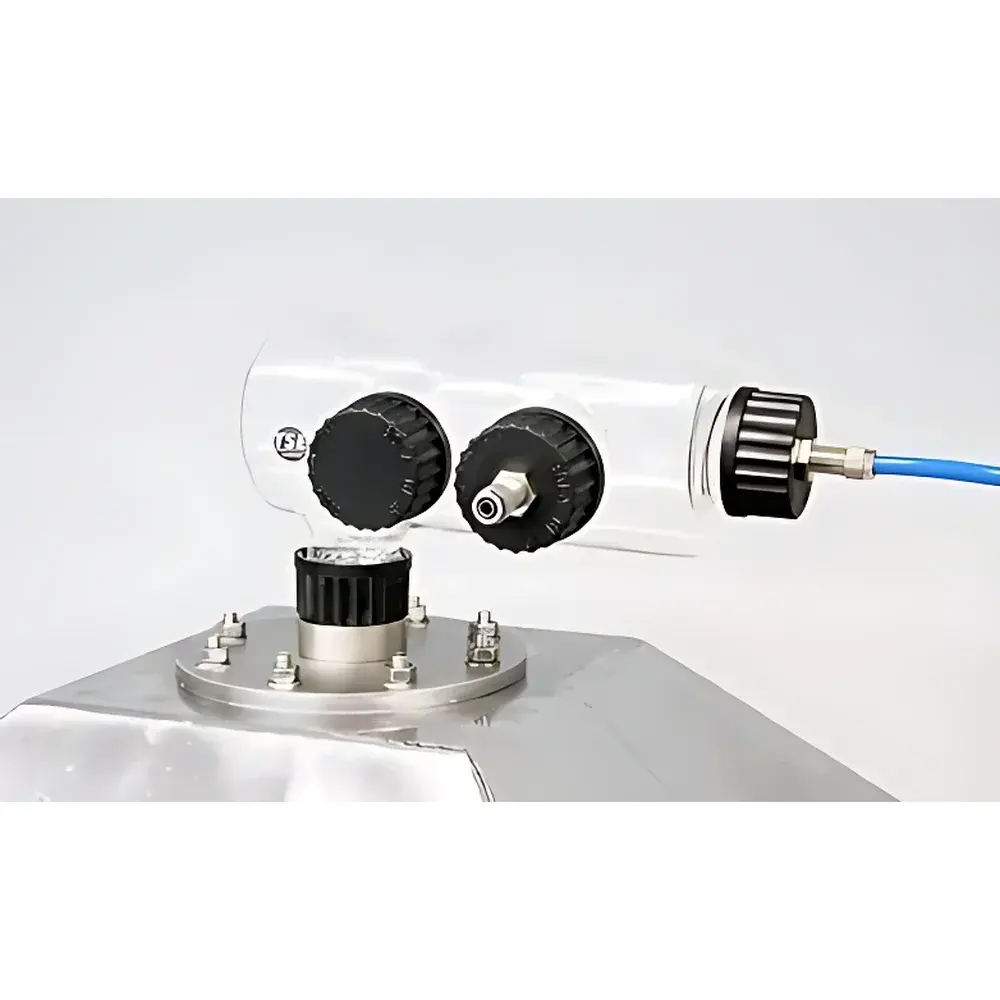
TSE Systems Aerosol Conditioning System
| Brand | TSE Systems |
|---|---|
| Origin | Germany |
| Model | Aerosol Conditioning |
| Type | Aerosol Conditioning Unit for Inhalation Toxicology Studies |
| Construction Materials | Borosilicate Glass, Stainless Steel (316L), Chemically Resistant Polymers (e.g., PTFE, PFA) |
| Flow Rate Control | Precision Mass Flow Controllers (MFCs), Adjustable Air-to-Aerosol Ratio |
| Humidity Control | Saturated Steam or Bubble-Type Humidifier, ±2% RH accuracy |
| Temperature Control | Jacketed Glass Sections with Circulating Water Bath or Heated Stainless Steel Tubing (Range: 15–40 °C) |
| Electrostatic Neutralization | Polonium-210 or Soft X-ray Discharger (Compliant with ISO 15012-1) |
| Particle Pre-Separation | Impactor Stages & Cyclonic Separators (D50 adjustable from 0.5 µm to 10 µm) |
| Software Integration | DACO Inhalation Exposure Software (v5.2+), Supports ASTM E1777, OECD 412, and EPA OPPTS 870.3465 protocols |
Overview
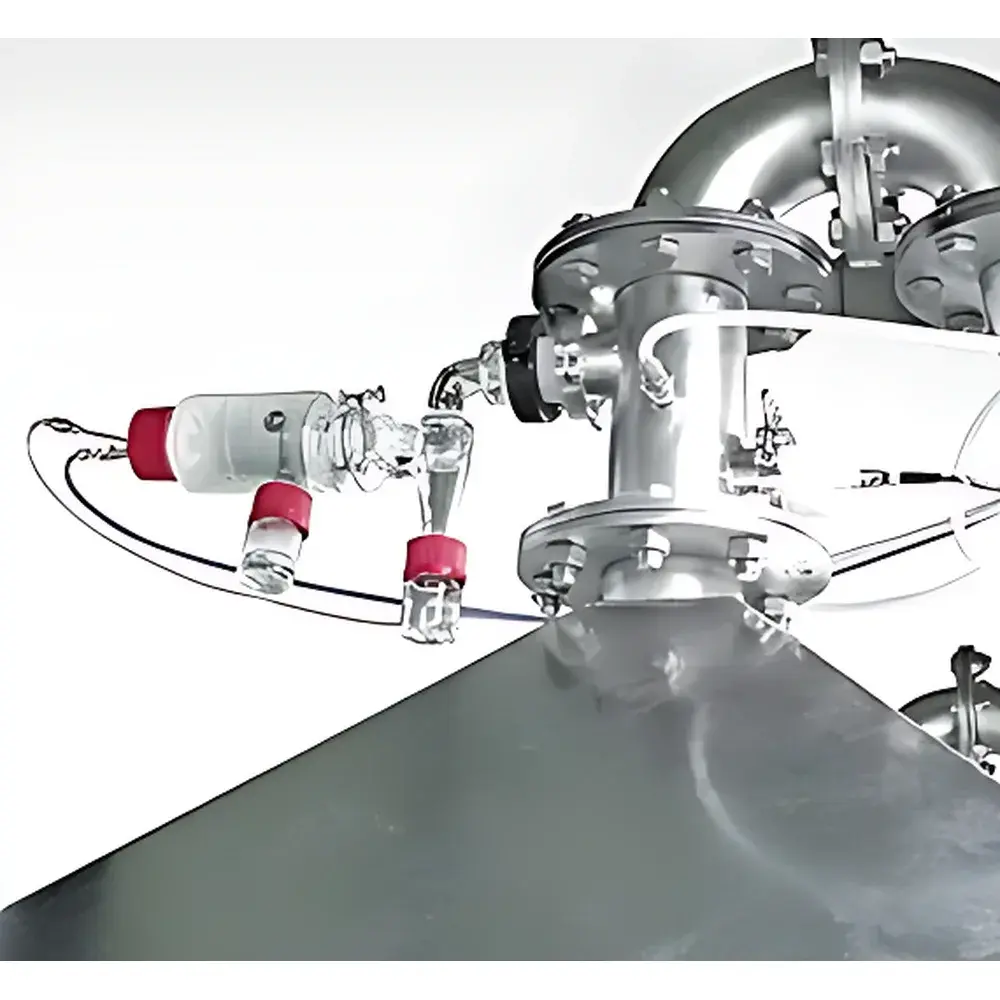
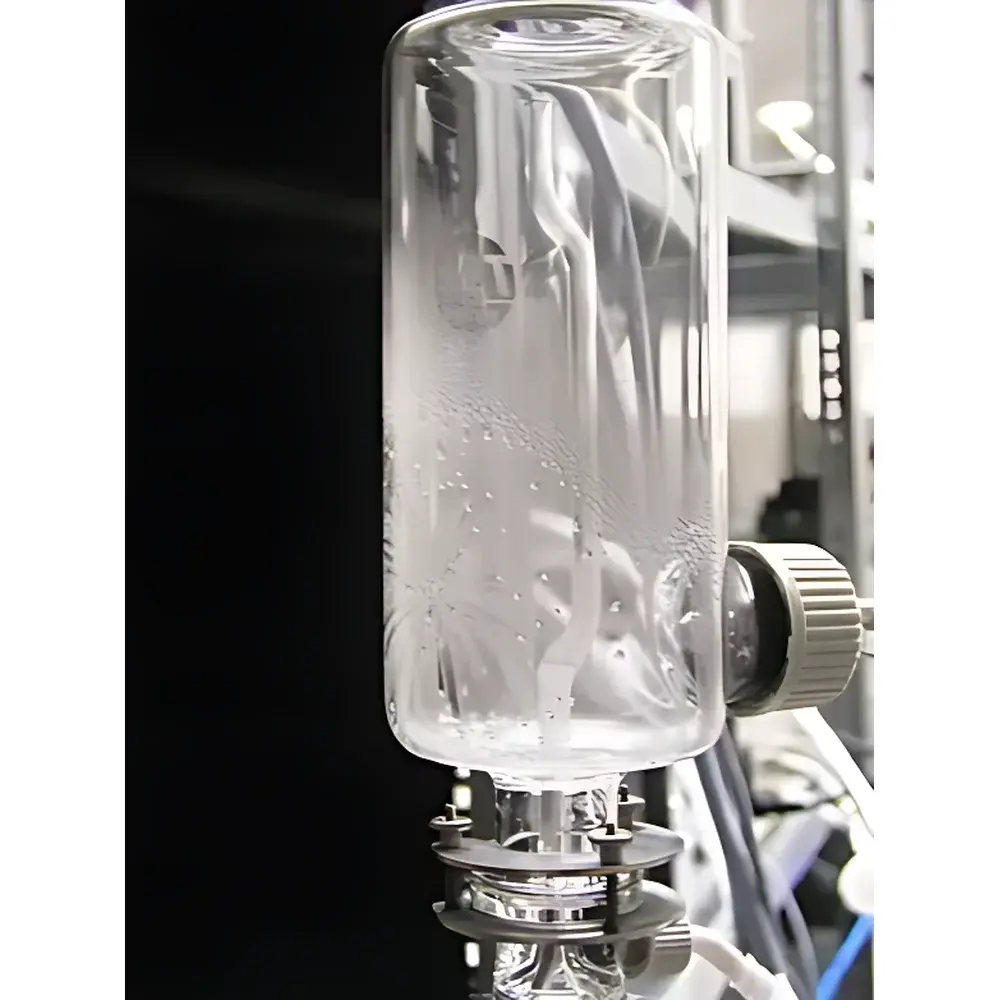
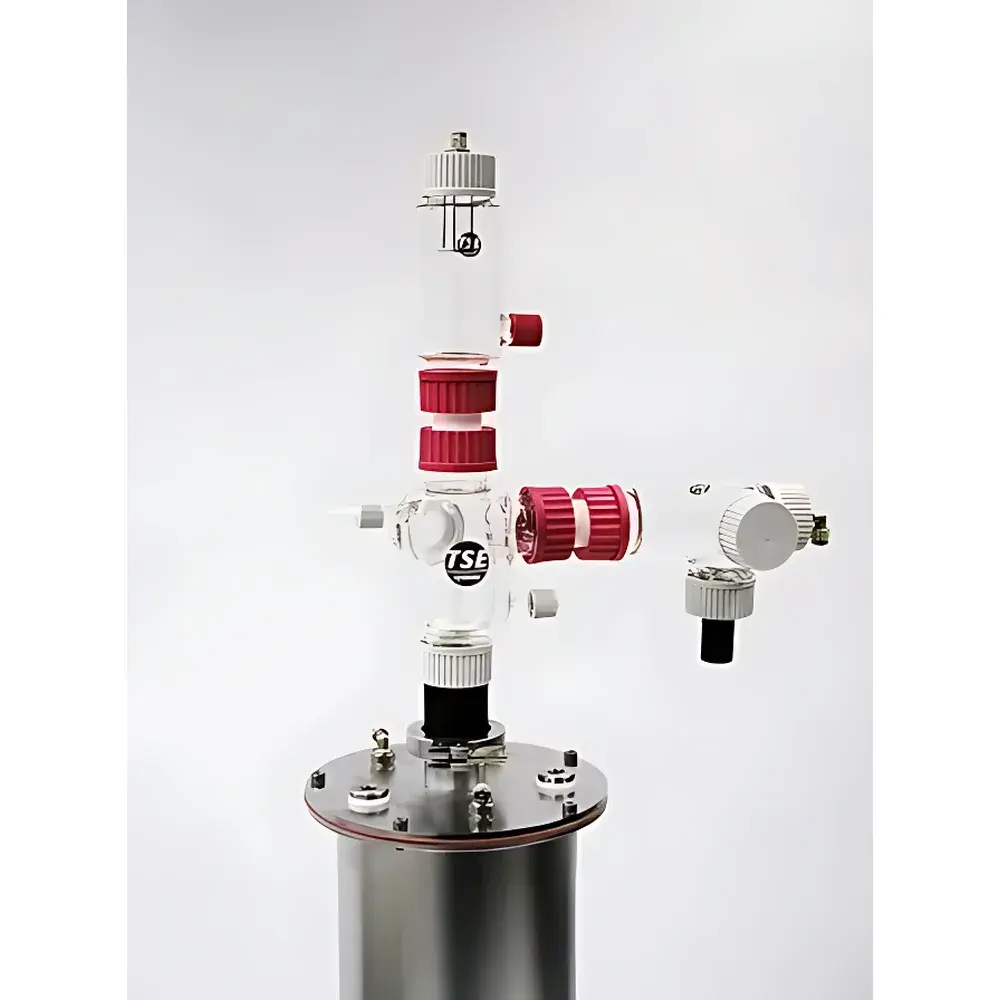
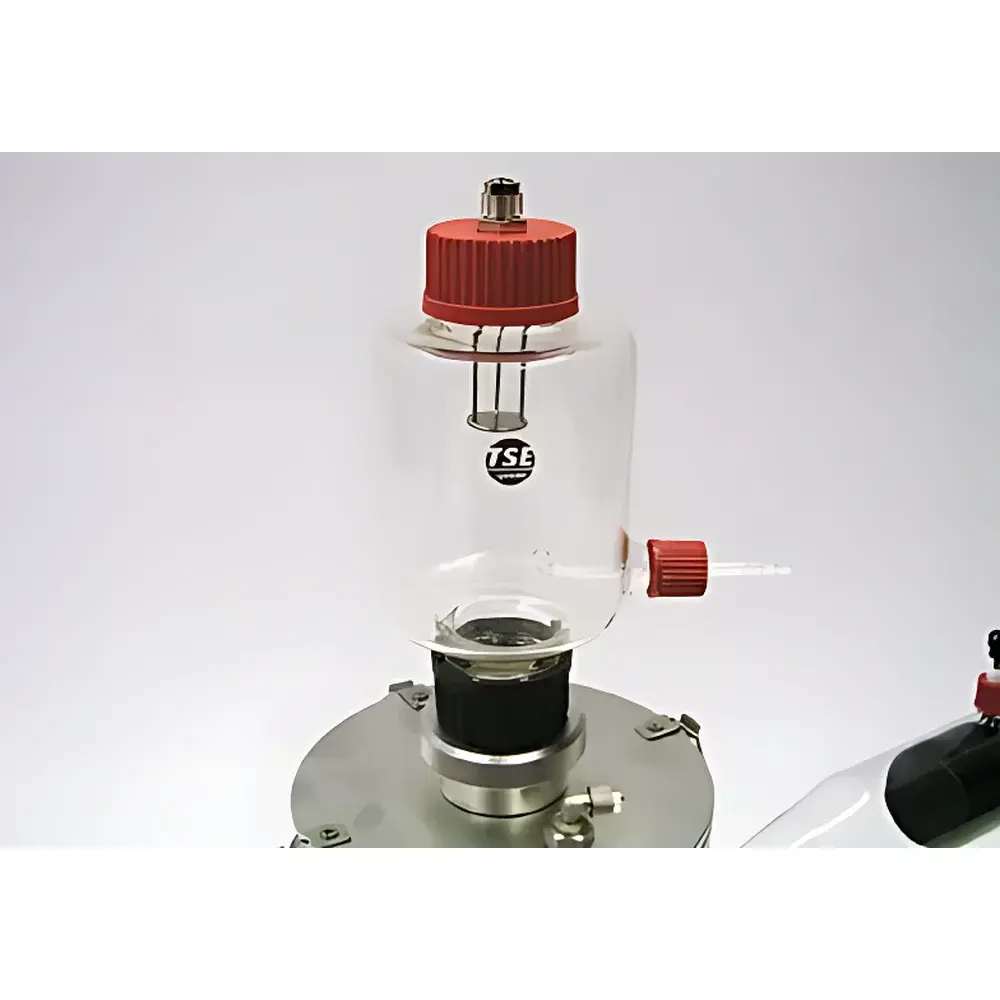
The TSE Systems Aerosol Conditioning System is an engineered platform designed for precise physicochemical modulation of test aerosols prior to controlled inhalation exposure in preclinical toxicology and pharmacokinetic studies. Operating on principles of aerosol physics—including inertial impaction, centrifugal separation, turbulent mixing, thermodynamic equilibration, and electrostatic neutralization—the system enables reproducible generation of inhalable aerosols with defined particle size distribution (PSD), mass concentration, humidity, temperature, and charge state. It serves as a critical upstream module in whole-body or nose-only exposure systems, ensuring that delivered aerosols meet the stringent requirements of regulatory inhalation study guidelines including OECD Test Guideline 412, ASTM E1777-22, and EPA OPPTS 870.3465. The system is not a standalone exposure chamber but a configurable conditioning train—integrated between aerosol generation and exposure units—to standardize aerosol properties across dosing groups and time points.
Key Features
- Modular Pre-Separation Architecture: Integrated impactor stages and cyclonic separators allow selective removal of coarse (>10 µm) or ultrafine (<0.3 µm) fractions, enabling PSD tailoring to match human respiratory tract deposition models (e.g., ICRP lung model).
- Active Mixing & Homogenization: Counter-current mixing chambers ensure complete and laminar integration of aerosol streams with dilution air, minimizing spatial heterogeneity and pulsation artifacts.
- Thermoregulated Conditioning Pathways: Jacketed borosilicate glass sections or heated stainless steel tubing maintain stable aerosol temperature (15–40 °C) with ±0.5 °C precision—critical for volatile compound stability and physiological relevance.
- Controlled Humidification: Steam-saturated or bubble-type humidifiers deliver calibrated relative humidity (RH) from 30% to 95%, with real-time feedback control to prevent condensation in downstream exposure lines.
- Electrostatic Neutralization: Built-in 210Po alpha-source or soft X-ray discharge units reduce particle surface charge to Boltzmann equilibrium, improving aerodynamic consistency and deposition predictability per ISO 15012-1.
- Material Compatibility & Cleanability: Fluid-contact surfaces constructed from USP Class VI-certified polymers (PTFE, PFA), electropolished 316L stainless steel, and DIN/ISO-compliant borosilicate glass (Duran®), supporting solvent cleaning, autoclaving (where applicable), and residue-free operation across diverse test substances (nanoparticles, APIs, pesticides, combustion aerosols).
Sample Compatibility & Compliance
The Aerosol Conditioning System accommodates liquid nebulized aerosols (e.g., saline, drug suspensions), dry powder aerosols (via fluidized bed or rotating drum generators), and combustion-generated particulates (e.g., diesel exhaust, wood smoke). Its design supports GLP-compliant workflows: all critical parameters (flow, RH, temperature, pressure drop) are logged with timestamped audit trails via DACO software, satisfying FDA 21 CFR Part 11 requirements for electronic records and signatures. Hardware configurations adhere to ISO 15012-1 (aerosol generation and characterization), ISO 17025 (calibration traceability of MFCs and RH sensors), and EU Directive 2010/63/EU Annex VIII criteria for animal exposure system validation.
Software & Data Management
Control and monitoring are executed through DACO Inhalation Exposure Software (v5.2 or later), a validated Windows-based application compliant with GAMP 5 classification. DACO provides synchronized logging of up to 64 analog/digital channels—including differential pressure across impactors, thermocouple readings, MFC setpoints, and humidifier duty cycles—with CSV export and automated report generation aligned to OECD 412 reporting templates. The software supports method-based SOP execution, user role management (admin/operator/auditor), and full electronic audit trail retention for ≥15 years. Optional integration with LIMS via OPC UA enables traceability from raw aerosol data to final histopathology reports.
Applications
- Regulatory inhalation toxicity testing (acute, subchronic, repeat-dose) per OECD 412, 413, and 429.
- Inhaled drug delivery development: PK/PD correlation of nanoparticle, liposomal, or dry powder formulations.
- Environmental health research: Controlled exposure to engineered nanomaterials (ENMs), wildfire smoke surrogates, or urban PM2.5.
- Vaccine adjuvant aerosolization studies requiring charge-neutralized, monodisperse delivery.
- Method validation for aerosol measurement techniques (e.g., SMPS, APS, ELPI+) using conditioned reference aerosols.
FAQ
Can this system be integrated with existing nose-only exposure chambers from other vendors?
Yes—standardized 1/2″ and 3/4″ Swagelok® or VCR® fittings enable mechanical and pneumatic interoperability with major exposure platforms (e.g., CH Technologies, PromethION, HCT). Interface documentation and flow compatibility assessments are provided during commissioning.
Is calibration support available for the mass flow controllers and RH sensors?
All MFCs are supplied with NIST-traceable calibration certificates (±1% of reading). RH sensors are factory-calibrated against saturated salt standards; on-site recalibration services are available annually under TSE’s ISO/IEC 17025-accredited service program.
Does the system support Good Laboratory Practice (GLP) compliance for regulatory submissions?
Yes—DACO software includes full 21 CFR Part 11 functionality (electronic signatures, audit trails, data integrity controls), and hardware design conforms to OECD Guidance Document No. 115 for exposure system qualification.
What maintenance intervals are recommended for the impactor stages and humidifier modules?
Impactor collection plates require cleaning after each study series; cyclone bodies should be inspected quarterly. Humidifier water reservoirs must be refilled daily and sterilized weekly using 0.2 µm filtered deionized water to prevent biofilm formation.



