
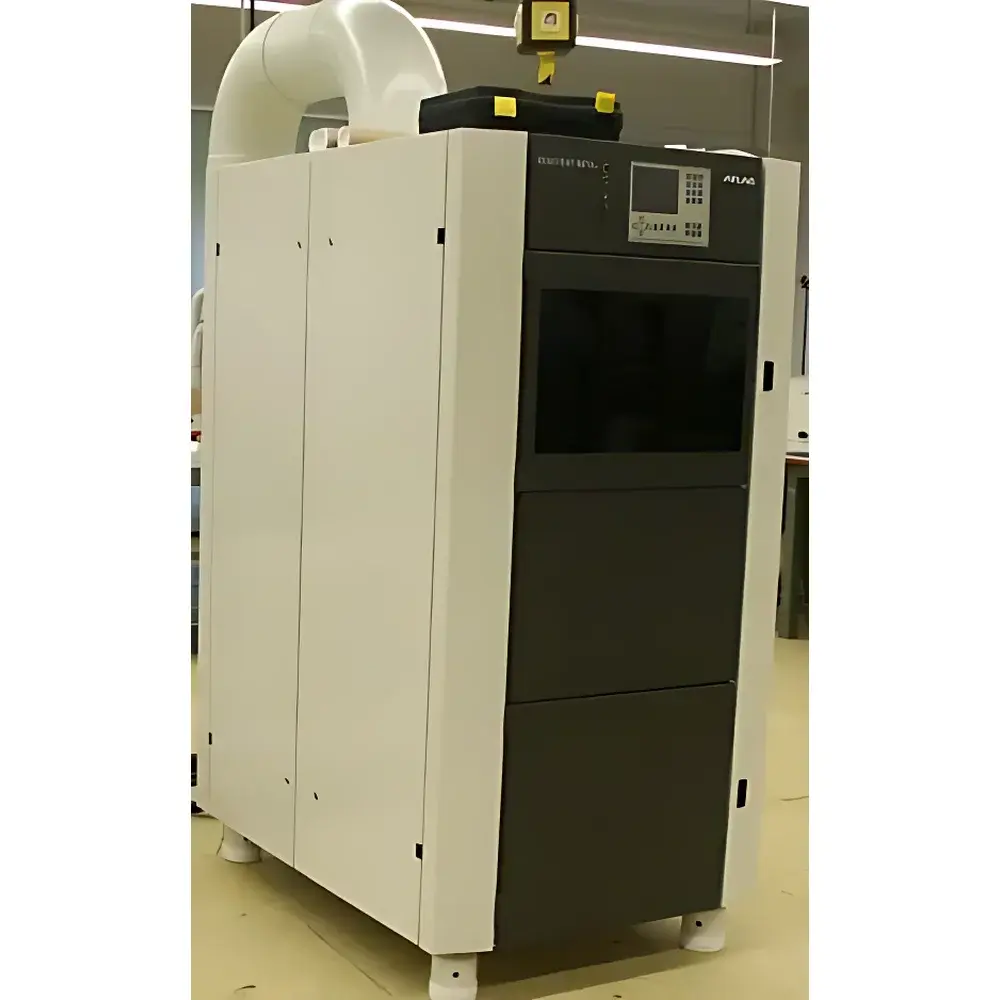
BATA+ Series Xenon Arc Weathering Test Chamber
| Origin | USA |
|---|---|
| Manufacturer Type | Authorized Distributor |
| Origin Category | Imported |
| Model | BATA+ |
| Pricing | Upon Request |
Overview
The BATA+ Series Xenon Arc Weathering Test Chamber is an engineered environmental test system designed to replicate the full solar spectrum—including ultraviolet (UV), visible, and near-infrared (NIR) radiation—using a high-stability, water-cooled xenon arc lamp. Unlike broad-spectrum UV fluorescent or metal halide sources, xenon arc technology delivers spectrally accurate irradiance closely matching natural sunlight (CIE No. 85, ISO 4892-2, ASTM G155), making it the internationally accepted reference method for accelerated weathering, colorfastness, and material degradation studies. The chamber integrates proprietary optical filtering systems—including quartz inner filters and borosilicate outer filters—to tailor spectral output per application requirements (e.g., daylight, window-glass filtered, or extended UV). Its design adheres to critical international standards including ISO 11341 (paints and varnishes), ISO 105-B02 (textile colorfastness), AATCC TM16, and SAE J2527, supporting compliance-driven testing in regulated industries such as automotive, packaging, and consumer goods.
Key Features
- Air-cooled xenon lamp with adjustable power output (1.2–2.8 kW), enabling precise irradiance control across multiple test protocols
- Microprocessor-based controller with onboard memory for up to 10 multi-stage test programs (12 stages per program), supporting complex cyclic exposure profiles (light/dark, irradiance/temperature/humidity ramps)
- Real-time LCD display of operational parameters: irradiance (W/m² @ 340 nm or 420 nm), black standard temperature (BST), chamber air temperature, relative humidity, and elapsed exposure time
- Dual temperature control modes: BST-controlled (via regulated airflow over black standard thermometers) or chamber air temperature regulation, both compliant with ISO 4892-2 calibration traceability requirements
- Automated test termination based on user-defined criteria: cumulative radiant exposure (kJ/m²), total elapsed time, or irradiance duration
- Integrated self-calibration routine for irradiance sensor verification, reducing reliance on external recalibration intervals
- 16-position sample rack accommodating specimens up to 310 × 80 mm (295 × 70 mm exposed area), totaling 4000 cm² maximum exposure surface; optional rotating sample holder available for uniform angular exposure
- Long-life optical filter assemblies engineered for spectral stability over >1,500 hours of continuous operation under nominal irradiance conditions
Sample Compatibility & Compliance
The BATA+ accommodates rigid and flexible flat-panel specimens—including coated substrates, polymer films, printed labels, automotive interior trim, food packaging (transparent and semi-transparent bottles, cans, cartons), pigments, dyes, UV stabilizers, inks, architectural coatings, and photoreactive materials. Its mechanical and thermal architecture meets CE marking requirements (2014/30/EU EMC Directive, 2014/35/EU LVD Directive) and conforms to IEC 61000-6-2/6-3 for electromagnetic compatibility. All control firmware supports audit-ready data logging compliant with GLP and GMP principles, including time-stamped parameter records, operator ID tagging, and non-editable event logs—essential for FDA 21 CFR Part 11 readiness when paired with validated software configurations.
Software & Data Management
While the embedded controller provides standalone operation, optional PC-based software enables remote monitoring, real-time graphing, and export of irradiance, temperature, and humidity datasets in CSV or XML format. Data integrity safeguards include encrypted storage, password-protected configuration changes, and automatic backup to external USB drives. The system supports integration into centralized laboratory information management systems (LIMS) via RS-485 Modbus RTU or optional Ethernet/IP interface, facilitating automated report generation aligned with ISO/IEC 17025 accreditation workflows.
Applications
- Accelerated aging of automotive interior materials per SAE J2412 and J2527
- Colorfastness evaluation of textiles and apparel per ISO 105-B02 and AATCC TM16
- UV resistance validation of packaging films, laminates, and printed labels for food & beverage applications
- Photostability assessment of pharmaceutical packaging and light-sensitive active ingredients
- Weathering performance qualification of architectural coatings and exterior plastics per ASTM D4329 and ISO 4892-2
- Development and screening of UV absorbers, HALS stabilizers, and pigment dispersion systems
FAQ
What spectral filters are available for the BATA+ chamber?
Standard configurations include Daylight (Q/B), Window Glass (WG), and Extended UV (Xe-1) filter sets—each certified to meet spectral irradiance tolerances defined in ISO 4892-2 Annex A.
Is the chamber compatible with ASTM G155 Cycle 1 and Cycle 3 protocols?
Yes—the microcontroller supports programmable irradiance setpoints, dark periods, and spray cycles required by all ASTM G155 exposure schedules.
Can black standard temperature (BST) be calibrated independently of chamber air temperature?
Yes—BST is measured using a dedicated black-painted copper plate sensor with forced-air cooling; its control loop operates independently from the chamber air temperature PID loop.
What is the typical service interval for the xenon lamp and optical filters?
Lamp life is rated at ≥1,500 hours at 0.35 W/m² @ 340 nm; filter replacement is recommended every 2,000 hours or when spectral deviation exceeds ±5% from baseline calibration.
Does the system support third-party calibration services?
Yes—certified calibration kits and NIST-traceable irradiance sensors are available; field calibration services are offered globally through authorized service partners.



