
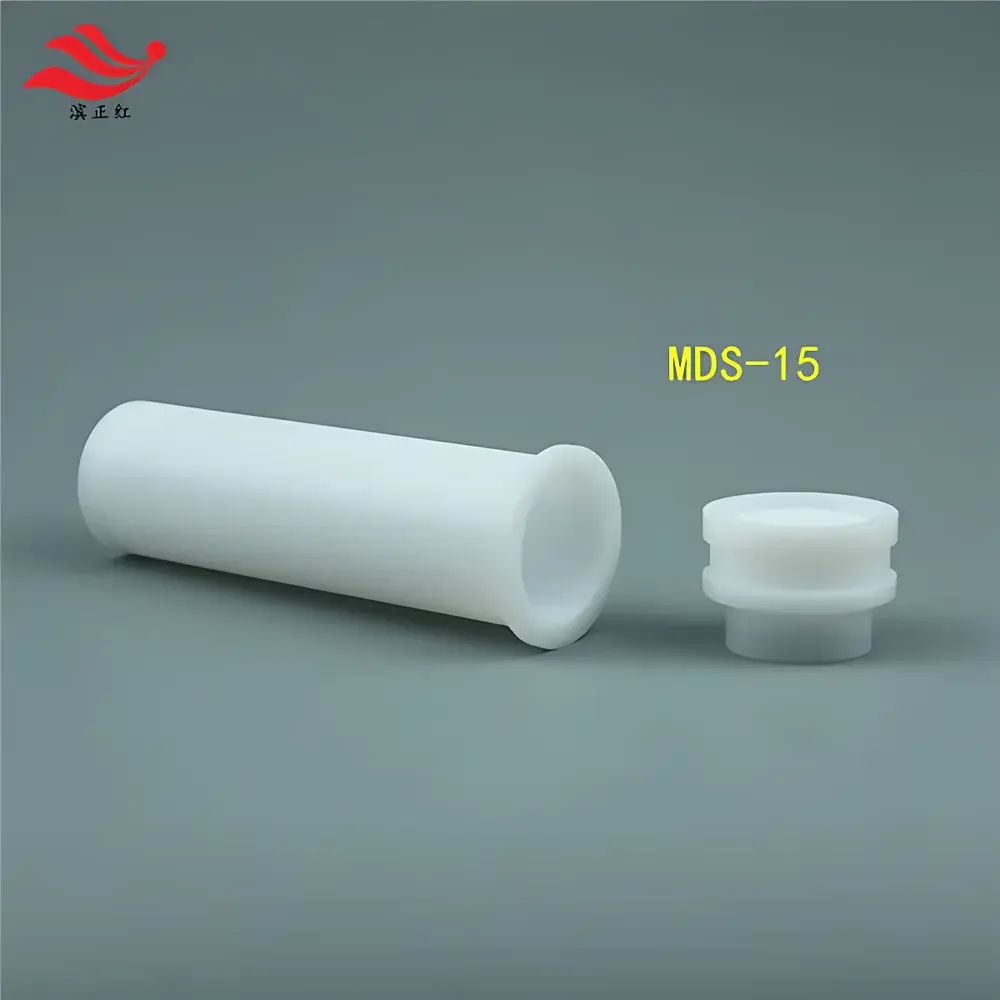
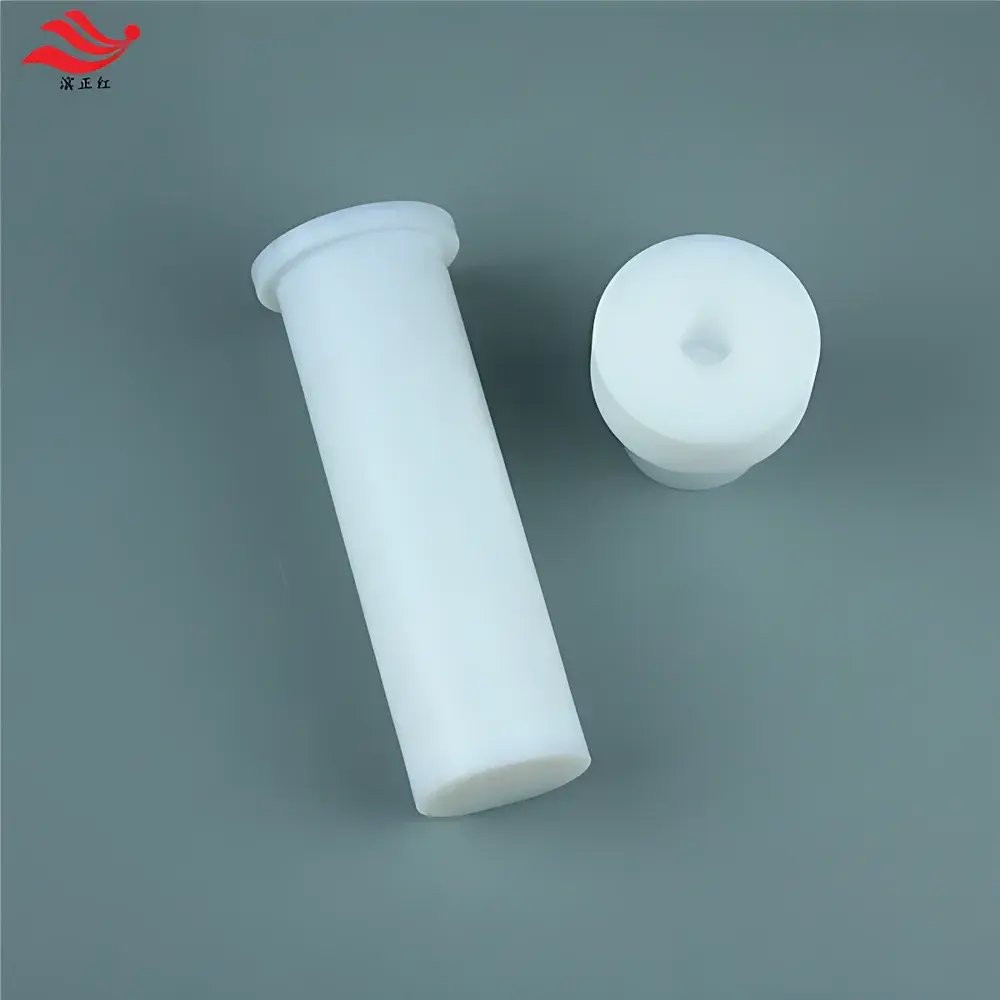
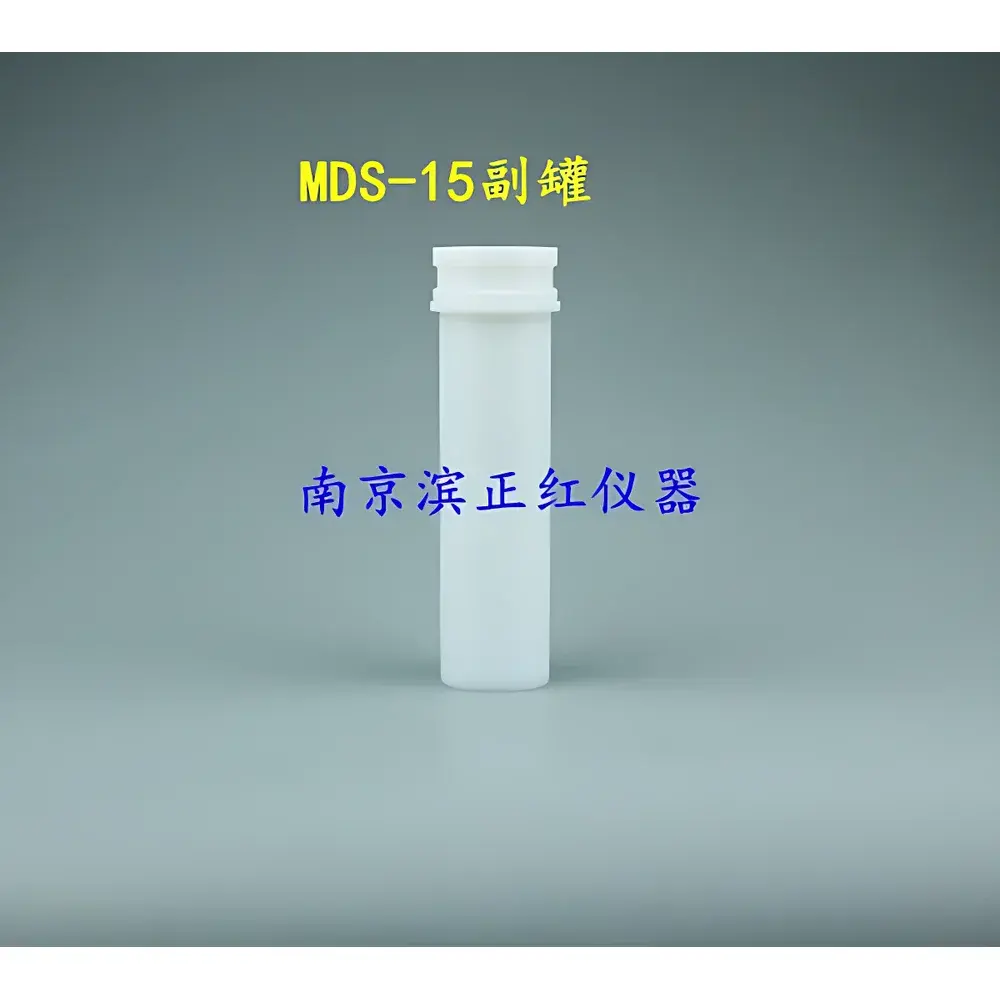
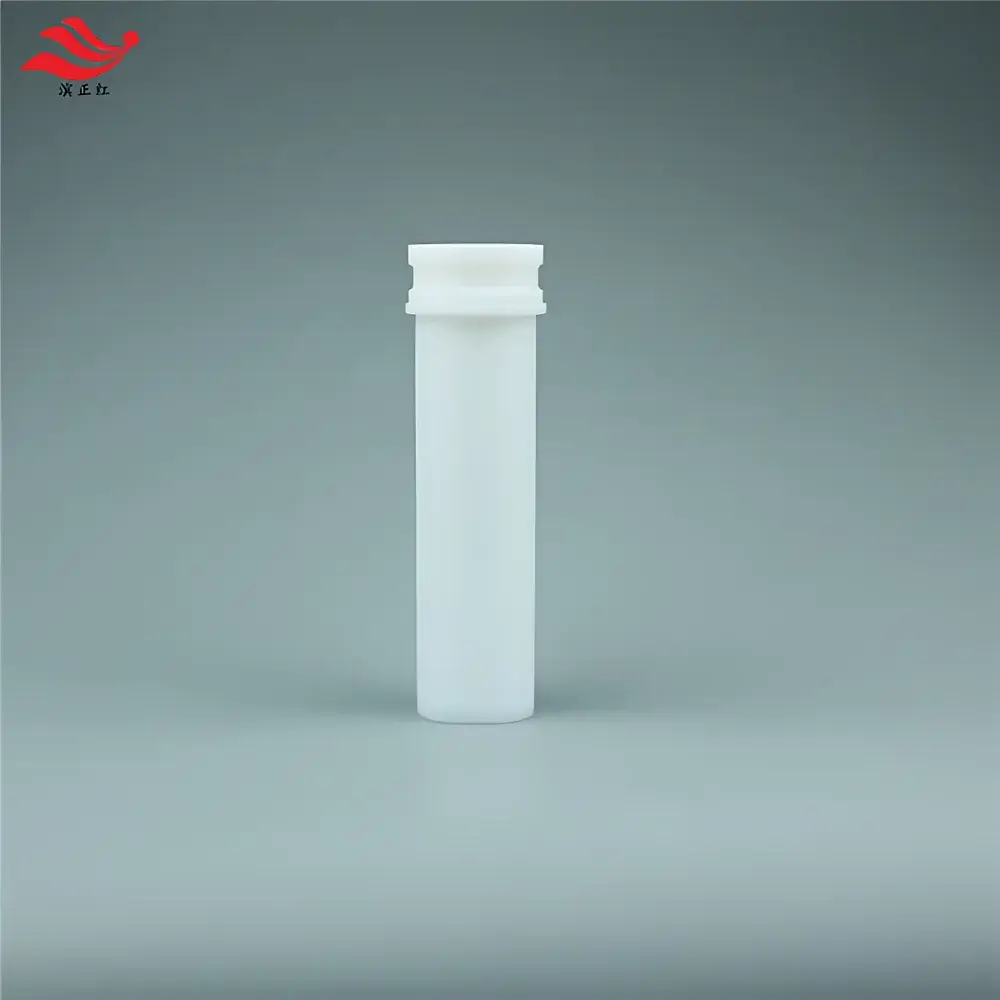
Binzhenghong MDS-15 100 mL Microwave Digestion Vessel for High-Pressure Closed-Vessel Microwave Sample Preparation Systems
| Brand | Binzhenghong |
|---|---|
| Origin | Jiangsu, China |
| Manufacturer Type | OEM Manufacturer |
| Product Origin | Domestic (China) |
| Model | MDS-15 |
| Price Range | USD 85 – 190 (FOB) |
| Inner Vessel Material | PTFE (Polytetrafluoroethylene) |
| Outer Vessel Material | Aerospace-Grade Composite Fiber |
| Max Operating Pressure | 15 MPa (2200 psi) |
| Max Operating Temperature | 310 °C |
| Nominal Volume | 100 mL |
| Compliance | ASTM D5511, ISO 11466, EPA Method 3052, GB/T 22917-2008 |
Overview
The Binzhenghong MDS-15 100 mL Microwave Digestion Vessel is a precision-engineered consumable component designed for closed-vessel microwave-assisted acid digestion systems. It operates on the principle of controlled microwave energy absorption by polar solvents (e.g., HNO₃, HF, HCl), enabling rapid, uniform heating of sample–acid mixtures under sealed, pressurized conditions. This facilitates complete mineralization of organic matrices and dissolution of refractory inorganic compounds—critical for elemental analysis by ICP-OES, ICP-MS, AAS, or XRF. The vessel is optimized for compatibility with multi-position rotor platforms supporting up to 16 high-pressure vessels per run, and conforms to internationally recognized digestion protocols for environmental, geological, biological, and industrial samples. Its design prioritizes thermal stability, chemical inertness, and mechanical integrity during transient pressure spikes typical of microwave-driven exothermic reactions.
Key Features
- Chemically inert 100 mL inner liner fabricated from high-purity, low-extractable PTFE—resistant to concentrated nitric, hydrochloric, hydrofluoric, and perchloric acids at elevated temperatures.
- Reinforced outer containment made from aerospace-grade composite fiber—providing structural rigidity, impact resistance, and thermal insulation while maintaining low dielectric loss under 2.45 GHz microwave irradiation.
- Integrated pressure-relief safety mechanism with calibrated rupture disc (optional) compliant with ISO 11466 Annex B requirements for overpressure mitigation.
- Optimized geometry for uniform microwave coupling and minimal hot-spot formation—validated via finite-element electromagnetic simulation and empirical temperature mapping (±2.5 °C repeatability across vessel positions).
- Interchangeable sealing components including PTFE-coated stainless-steel caps and elastomeric O-rings rated for continuous exposure to 310 °C and 15 MPa.
Sample Compatibility & Compliance
The MDS-15 vessel supports digestion of diverse sample types—including soils, sediments, plant tissues, food products, polymers, and electronic waste—under standardized methods such as EPA 3052 (microwave-assisted acid digestion of siliceous and organically based matrices) and ISO 11466 (determination of trace elements in soils). All materials comply with USP for extractables profiling and meet EU REACH SVHC screening thresholds. The vessel system is validated for GLP/GMP environments when used with audit-trail-enabled microwave controllers satisfying FDA 21 CFR Part 11 data integrity requirements.
Software & Data Management
While the MDS-15 itself is a passive hardware component, its operational parameters are fully integrated into vendor-neutral microwave platform software suites (e.g., Ethos UP, Mars 6, UltraWAVE). These interfaces support method-based pressure/temperature ramping profiles, real-time vessel-specific sensor feedback logging, and automated pass/fail validation against pre-set safety thresholds. Raw telemetry data (pressure, temperature, power) is exportable in CSV or XML formats compatible with LIMS and ELN systems, ensuring full traceability from digestion run to final elemental quantification.
Applications
- Environmental monitoring: Total metal recovery from certified reference materials (e.g., NIST SRM 2710a, GBW 07401) for QA/QC in wastewater sludge and airborne particulate filters.
- Geochemical analysis: Complete dissolution of silicate minerals (e.g., feldspar, quartz) using HF-containing reagents without measurable borosilicate contamination.
- Pharmaceutical quality control: Residual catalyst metal determination (Pd, Pt, Rh) in active pharmaceutical ingredients following ICH Q2(R2) validation guidelines.
- Materials science: Leaching studies of nanomaterials (e.g., TiO₂, ZnO NPs) for regulatory compliance testing per OECD TG 111 and ISO/IEC 17025-accredited labs.
FAQ
What cleaning protocol is recommended after digestion with hydrofluoric acid?
Rinse immediately with deionized water, followed by soaking in 5% v/v nitric acid for ≥30 min; ultrasonicate for 10 min, then rinse thoroughly with 18.2 MΩ·cm water and dry at 50 °C in a Class 100 laminar flow hood.
Can the MDS-15 vessel be reused for different sample matrices?
Yes—provided rigorous cleaning and blank verification (≤0.5 ng/g detection limit for target analytes) are performed between uses; cross-contamination risk is mitigated by dedicated vessel sets per matrix class (e.g., biological vs. metallurgical).
Is this vessel compatible with non-Binzhenghong microwave systems?
Mechanical fitment is confirmed for rotor geometries matching ISO-standard 16-position configurations (e.g., CEM MARS 6, Anton Paar Multiwave PRO); pressure/temperature calibration must be verified per instrument manufacturer’s SOP.
What documentation accompanies each batch of MDS-15 vessels?
Certificate of Conformance (CoC), material traceability report (PTFE lot number, composite fiber tensile strength test data), and third-party validation summary per ASTM D5511 Annex A.



