
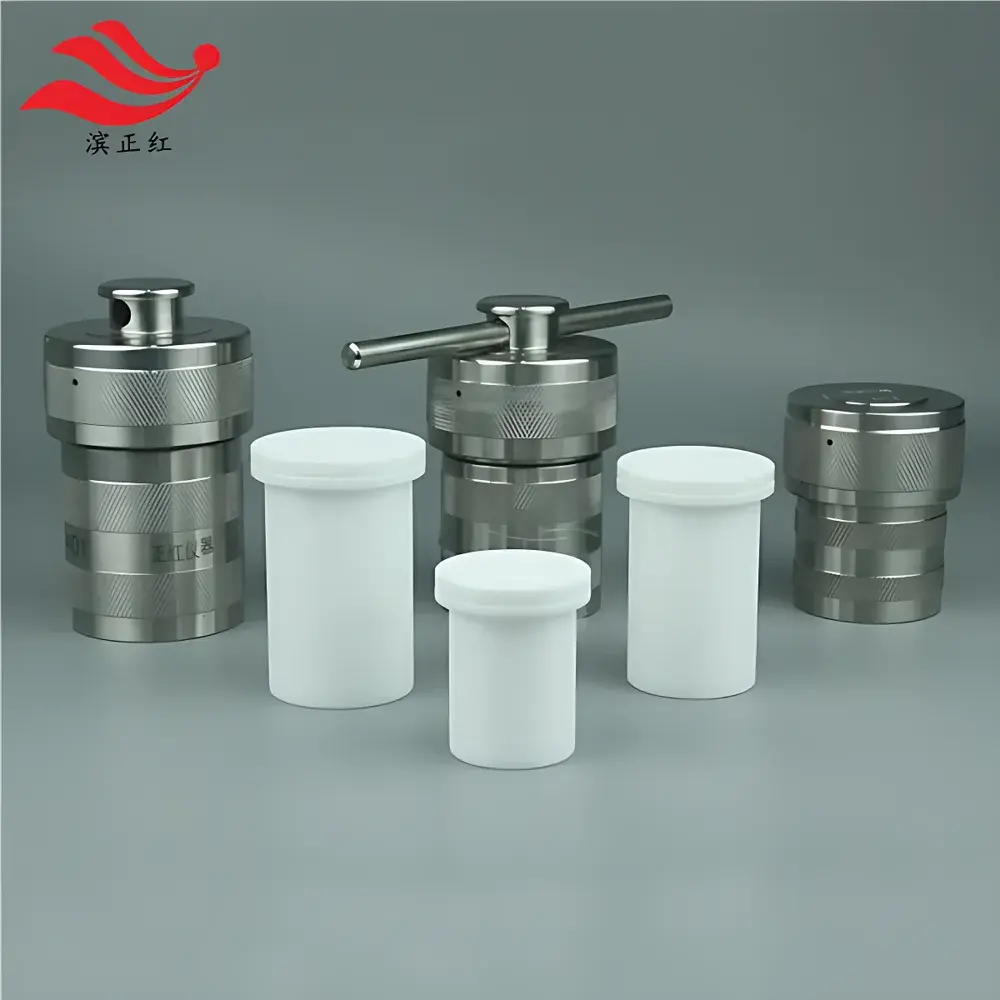
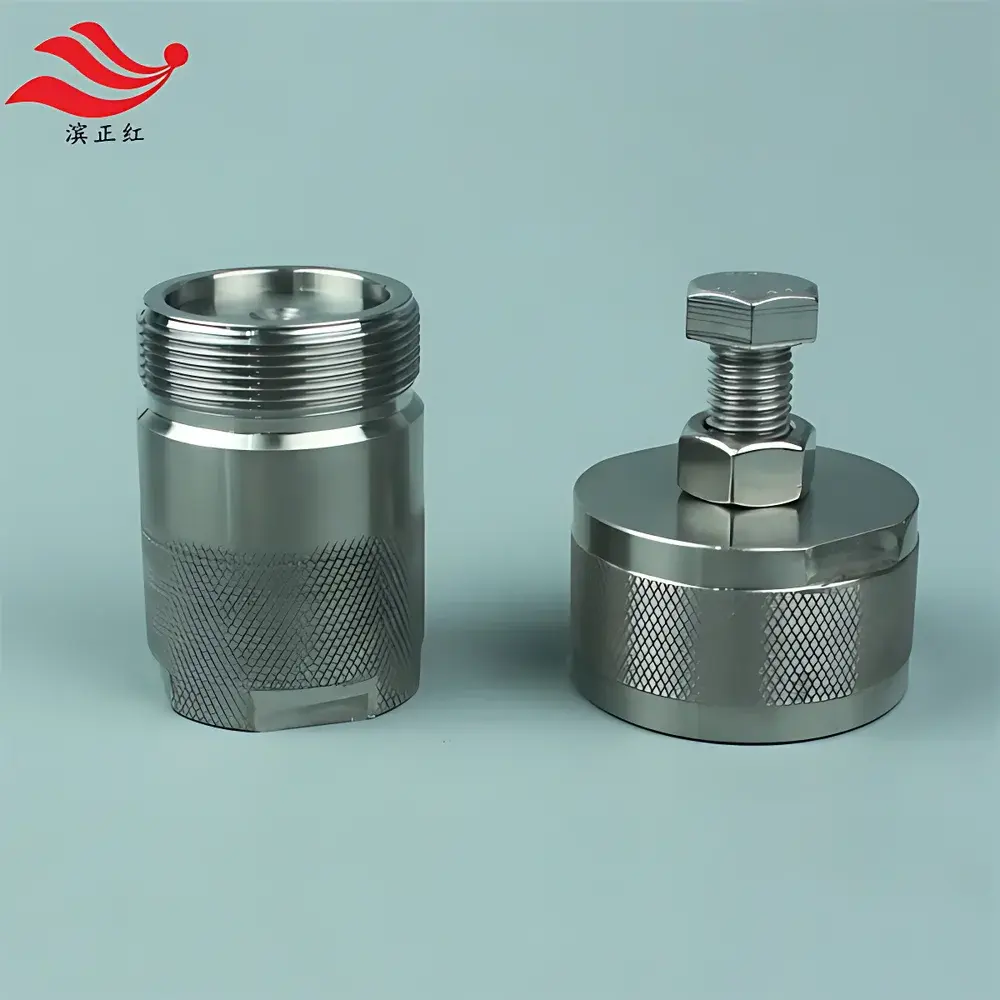
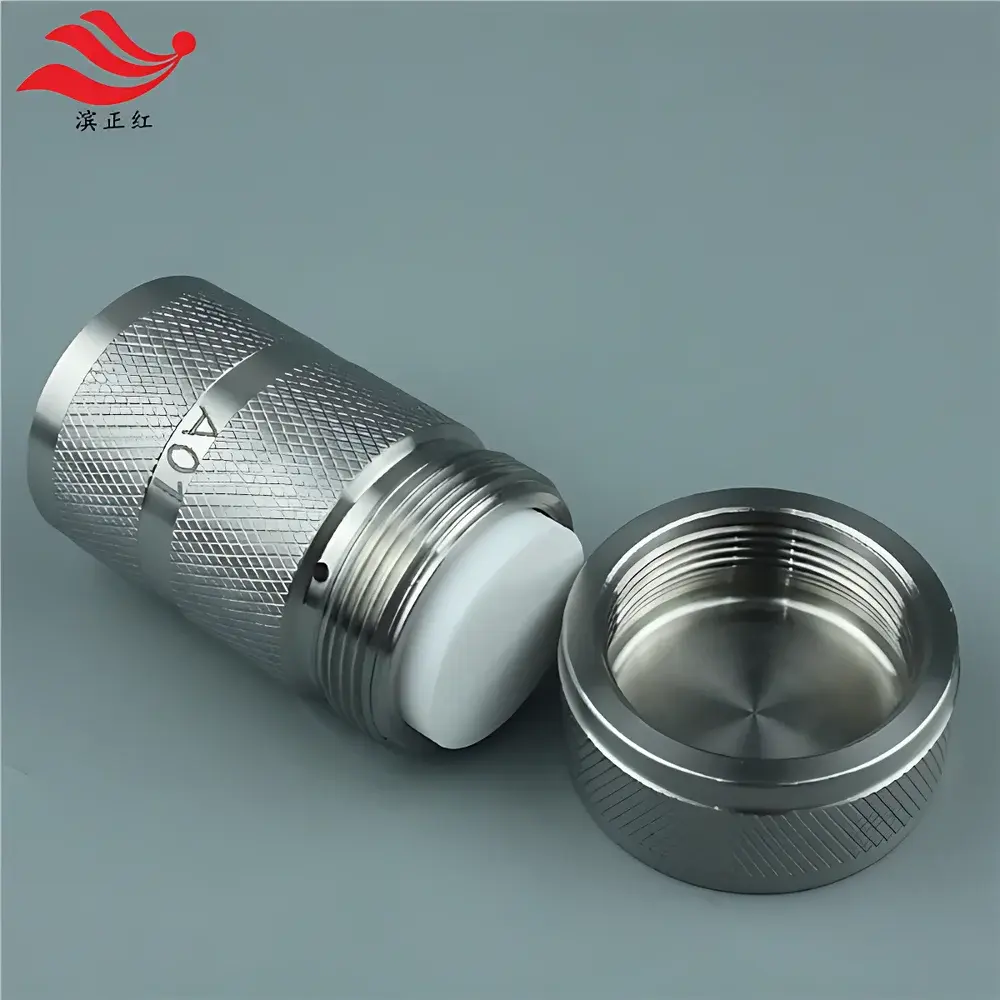
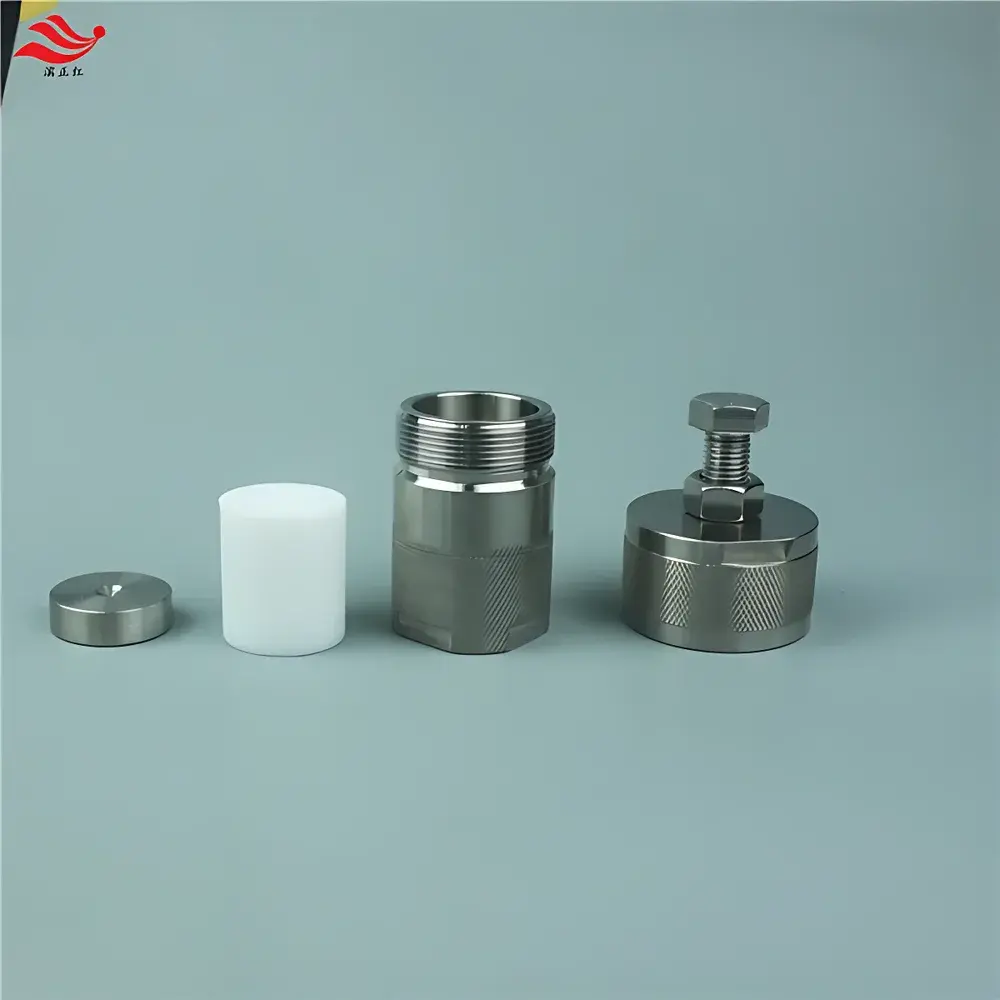
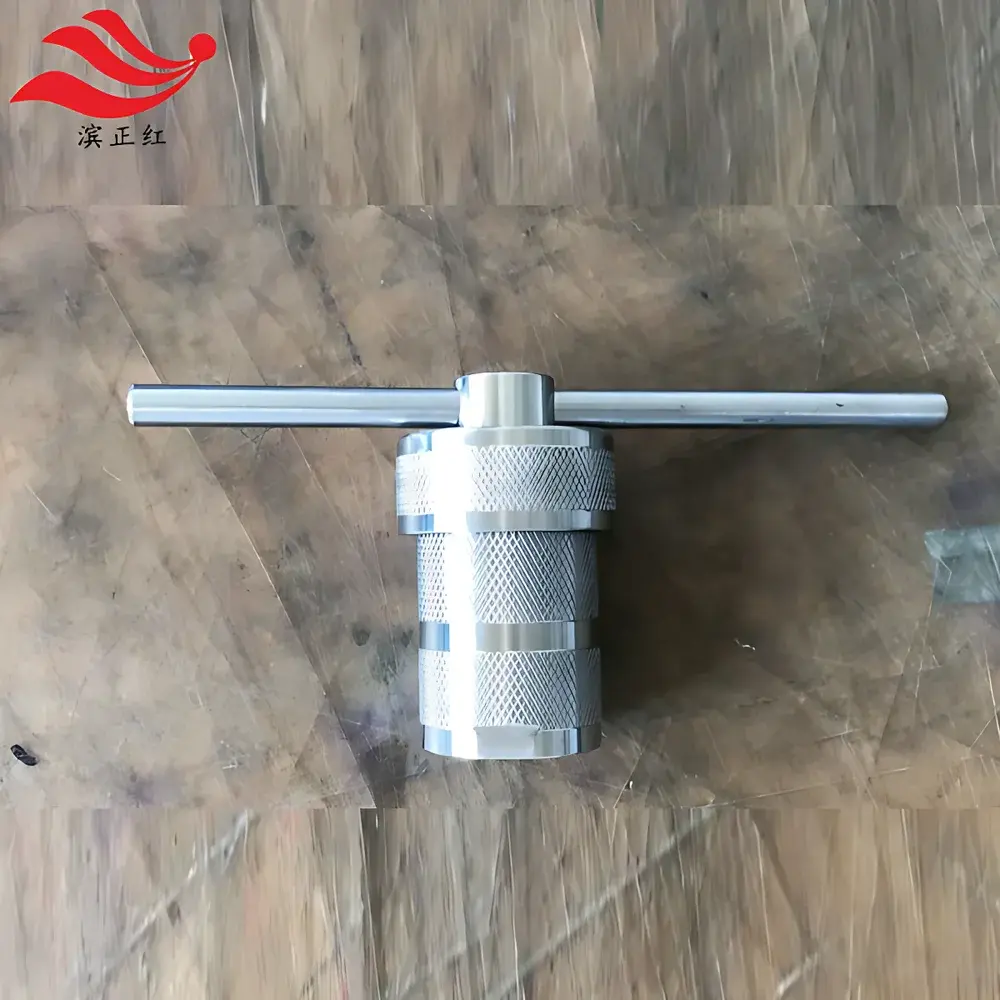
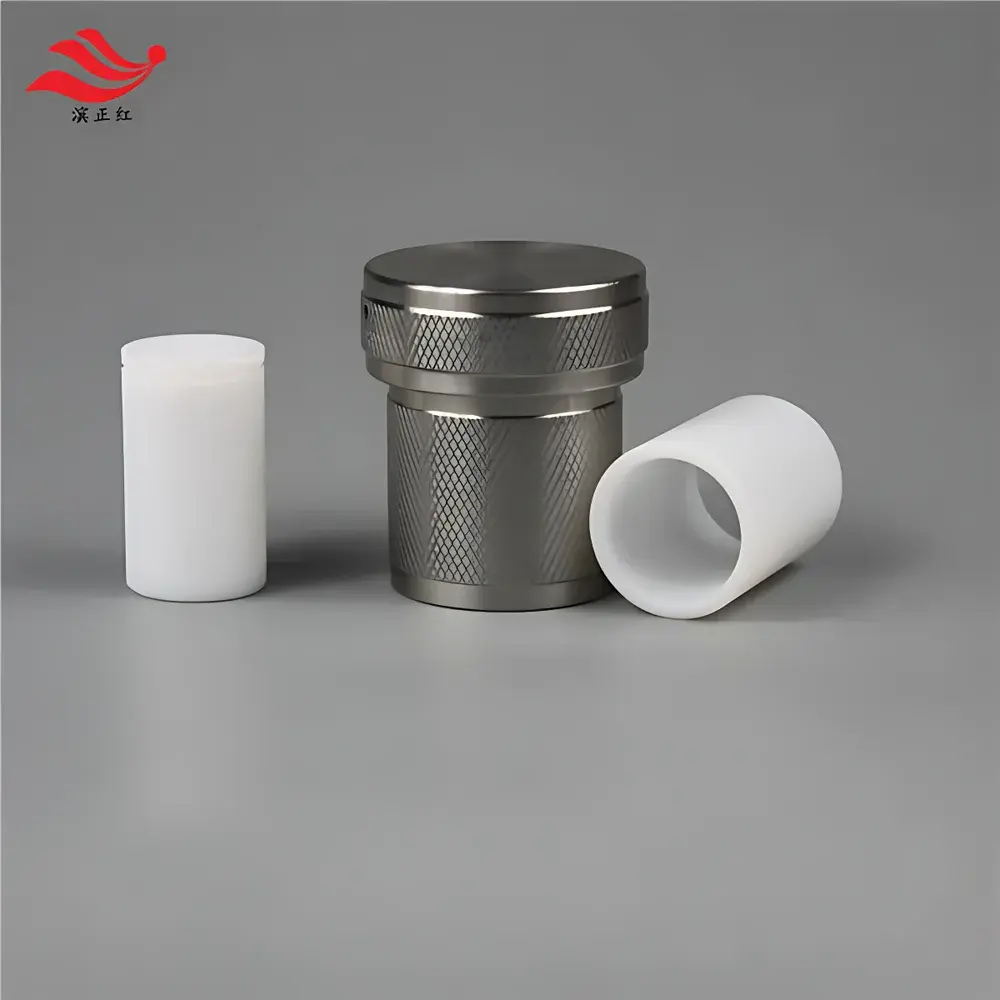
Binzhenghong NJ-10mL Sealed Microwave Digestion Vessel for Geological Sample Preparation (Compliant with GB/T 14506.1)
| Brand | Binzhenghong |
|---|---|
| Origin | Jiangsu, China |
| Manufacturer Type | Direct Manufacturer |
| Product Origin | Domestic (China) |
| Model | NJ-10mL |
| Pricing | Upon Request |
Overview
The Binzhenghong NJ-10mL Sealed Digestion Vessel is a precision-engineered, high-pressure, high-temperature sample preparation tool specifically designed for the complete acid digestion of refractory geological matrices—including silicate rocks, ores, and mineral concentrates—under controlled closed-vessel conditions. Based on the national standard GB/T 14506.1 and aligned with methodological requirements in GB/T 14506.30–2010, this vessel enables reproducible decomposition using hydrofluoric acid (HF) and nitric acid (HNO₃) under sealed thermal conditions. The system operates on the principle of pressurized acid reflux: elevated temperature and autogenous pressure generated during heating retain volatile reagents (notably HF) within the reaction chamber, promoting efficient mineral dissolution while minimizing analyte loss—especially critical for volatile or semi-volatile elements (e.g., Hg, As, Se, Pb, U). Its compact 10 mL capacity supports low-sample-volume workflows typical of ICP-MS, ICP-OES, and AAS analysis, where contamination control and reagent economy are paramount.
Key Features
- Optimized geometry and tight-fitting sealing mechanism ensure reliable containment up to 5 MPa (equivalent to ~50 kgf/cm²) at operational temperatures.
- Dual-material construction: outer jacket fabricated from high-grade non-magnetic stainless steel for mechanical integrity and corrosion resistance; inner liner available in either high-purity PTFE (rated to 200 °C) or ultra-clean TFM™ (rated to 260 °C), both certified for ultra-trace metal analysis.
- Ultra-low background performance: TFM liners exhibit Pb and U concentrations <0.01 ppb, with negligible leaching or outgassing under repeated use—validated per ASTM D5673 and ISO/IEC 17025 traceability protocols.
- Modular design allows compatibility with standard laboratory ovens, hot blocks, and dedicated digestion systems; vessels may be stacked or arranged uniformly for batch processing.
- Scalable platform: part of a standardized series (5–500 mL), enabling method transfer across sample mass and throughput requirements without revalidation.
Sample Compatibility & Compliance
The NJ-10mL vessel is validated for digestion of silicate-based geological materials per GB/T 14506.1–2010 and GB/T 14506.30–2010, and is routinely applied in laboratories adhering to ISO/IEC 17025, USP , and EPA Method 3052. It supports digestion protocols involving HF/HNO₃, HNO₃/HClO₄ (with cold nitration pre-treatment), and HNO₃/H₂O₂ mixtures. Due to its inert liner materials and absence of metallic components in contact with samples, it meets stringent requirements for multi-element analysis by ICP-MS, particularly for isotopic ratio measurements (e.g., U–Pb geochronology) and low-level environmental monitoring (e.g., REE profiling in seawater particulates). All vessels undergo batch-certified blank testing prior to shipment.
Software & Data Management
While the NJ-10mL vessel itself is a passive hardware component, its use is fully integrated into GLP-compliant analytical workflows. Laboratories routinely log digestion parameters—including acid type/volume, ramp time, hold temperature/duration, and cooling protocol—in LIMS or electronic lab notebooks (ELNs) to satisfy audit requirements under FDA 21 CFR Part 11 and ISO 17025 clause 7.7. Traceability is reinforced through unique batch numbering on each vessel set and accompanying Certificate of Conformance (CoC), which includes test data for metal blank levels and pressure-cycle validation reports.
Applications
- Routine geochemical analysis of igneous, metamorphic, and sedimentary rocks for major, minor, and trace elements (including REEs, HFSEs, and chalcophiles).
- Preparation of certified reference materials (CRMs) such as AGV-2, BCR-2, and BHVO-2 for method validation and QA/QC.
- Multi-element screening of environmental solids (soils, sediments, dust filters) prior to ICP-MS quantification.
- Metallurgical process control in mining and rare-earth extraction facilities requiring rapid, low-contamination digestion.
- Food safety and agricultural testing for heavy metals (Pb, Cd, As, Hg) in plant tissues and soil amendments.
FAQ
What is the maximum recommended operating pressure and temperature for the NJ-10mL vessel?
The vessel is rated for continuous use up to 5 MPa and 260 °C when equipped with TFM liners; PTFE liners are limited to 200 °C.
Can this vessel be used with perchloric acid?
Yes—but only after cold nitration overnight and with strict volume control (<10% of inner cup capacity); consult your institution’s chemical safety office before use.
Is the vessel compatible with automated digestion systems?
It is mechanically compatible with most benchtop hot-block and oven-based systems; however, it is not designed for rotor-based microwave digesters without adapter fixtures.
How should the vessel be cleaned between uses?
Rinse thoroughly with 18.2 MΩ·cm deionized water, followed by soaking in 5% v/v HNO₃ at 80 °C for 2 hours, then triple-rinsed and dried in a Class 100 clean hood.
Does Binzhenghong provide documentation supporting trace-metal purity claims?
Yes—each production lot includes a Certificate of Analysis (CoA) with measured Pb, U, Th, and Fe blanks, plus pressure-cycling test records upon request.



