
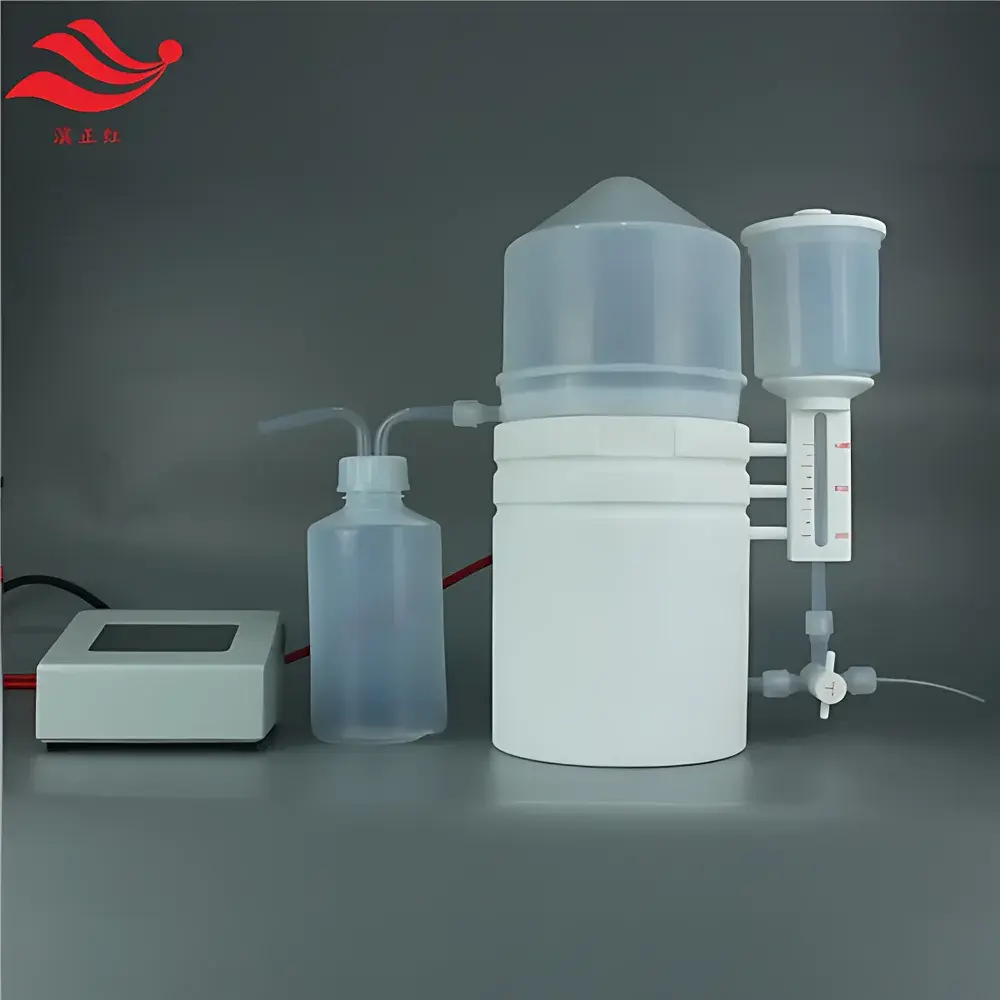
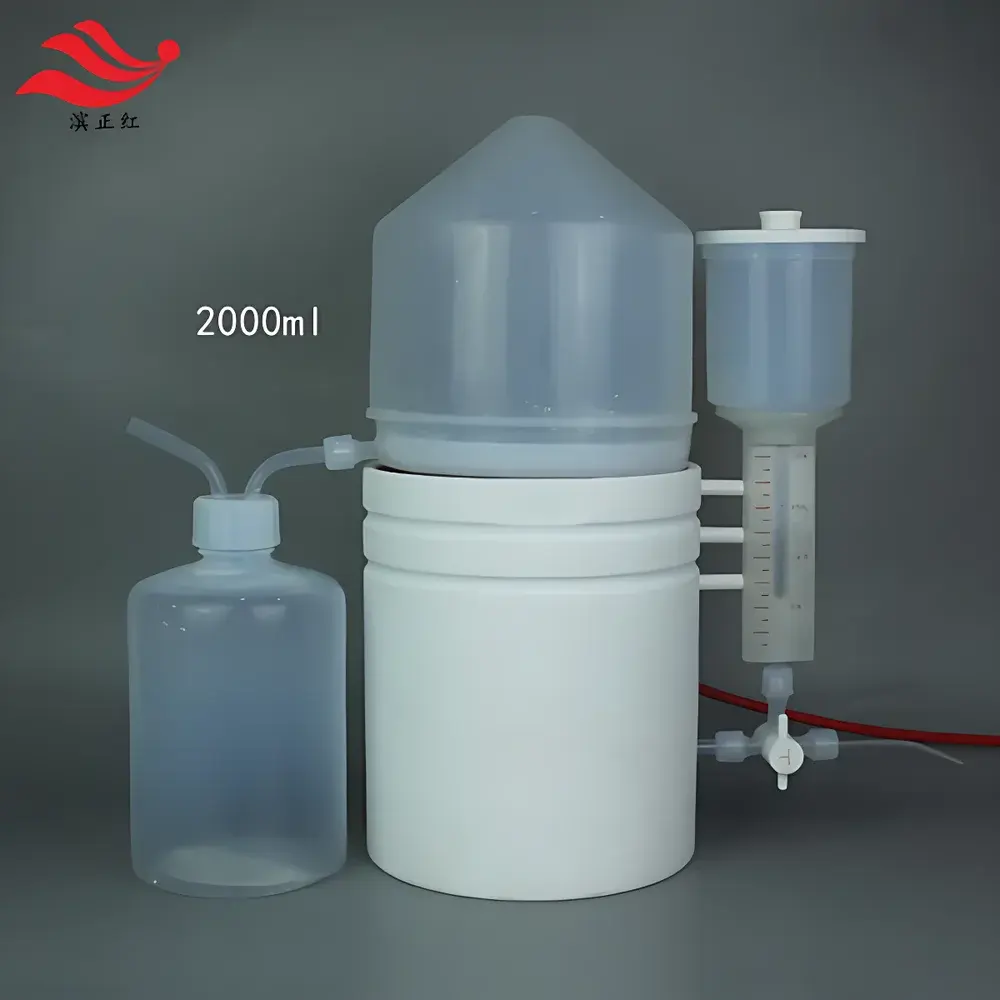
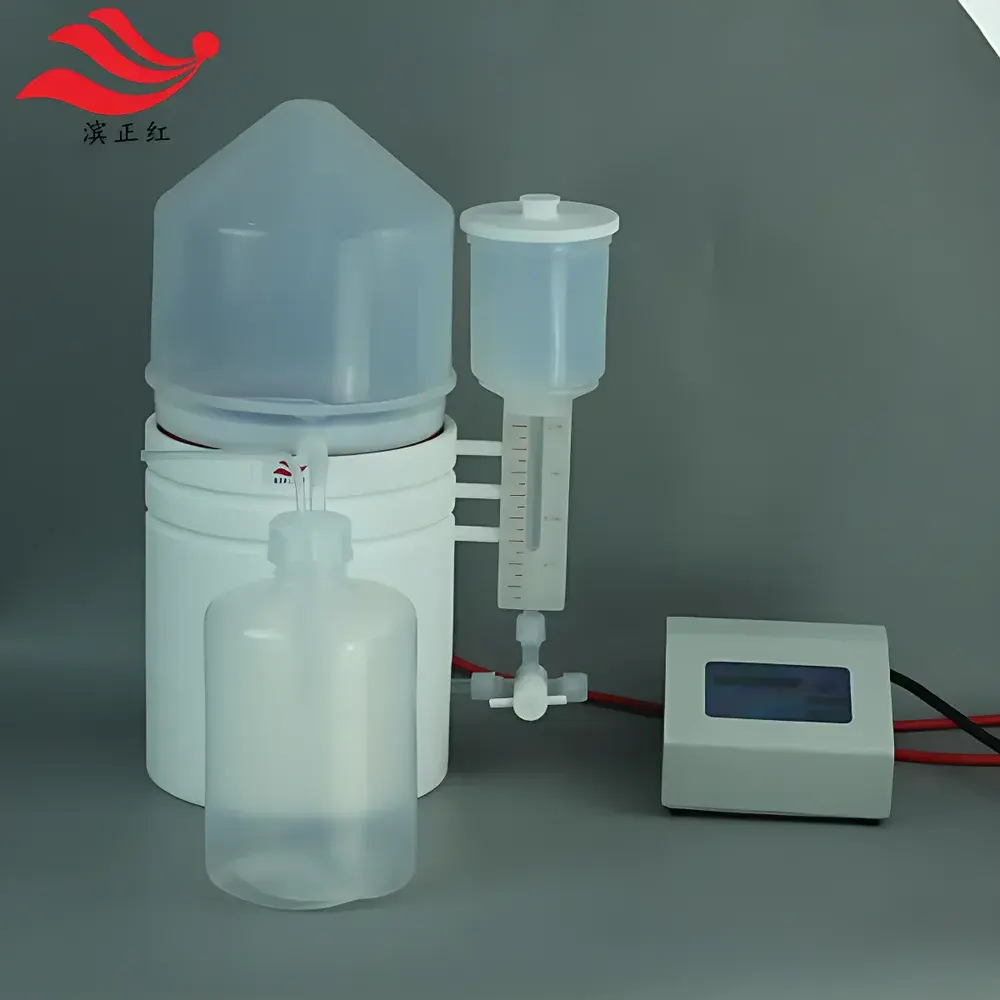
Binzhenghong NJ-SCH-I-1000ml Sub-Boiling Acid Purifier System
| Brand | Binzhenghong |
|---|---|
| Origin | Jiangsu, China |
| Manufacturer Type | Direct Manufacturer |
| Product Category | Domestic |
| Model | NJ-SCH-I-1000ml |
| Instrument Type | Sub-boiling Distillation Unit |
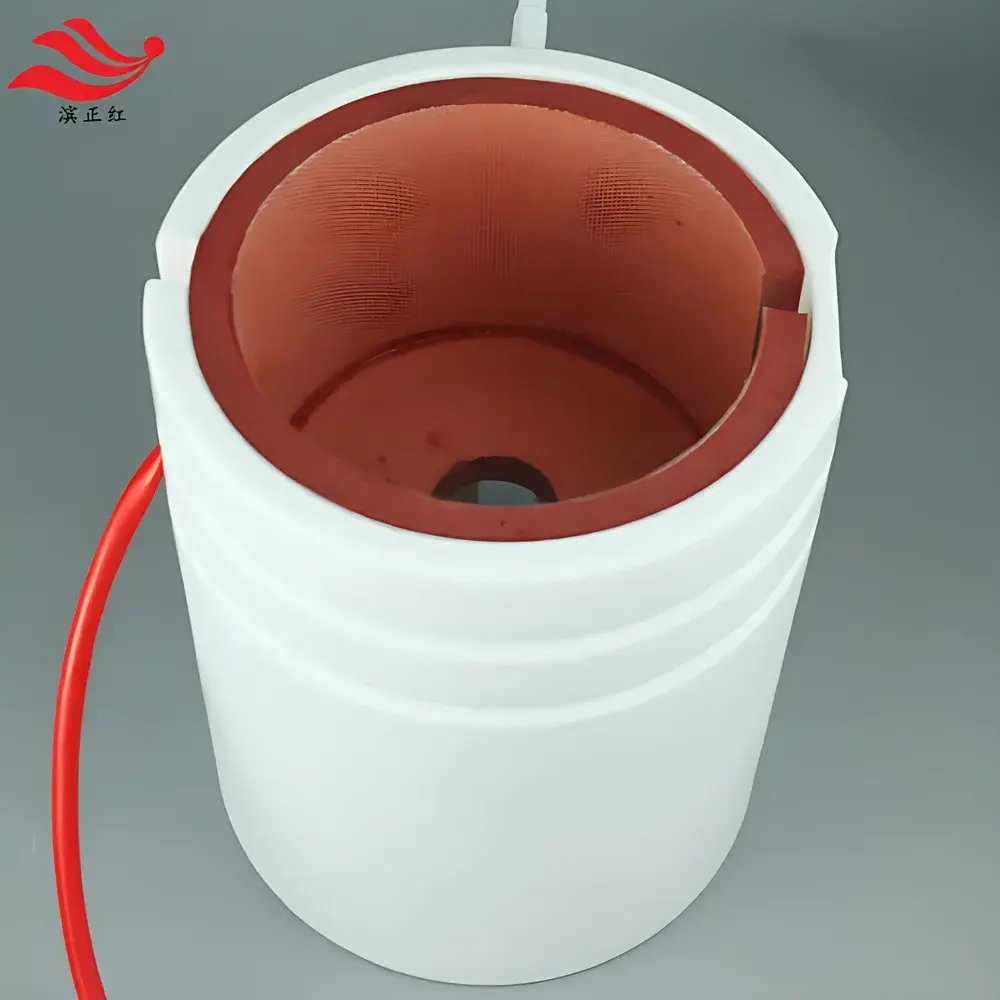
| Heating Method | PID-Controlled Silicone Heater Sleeve |
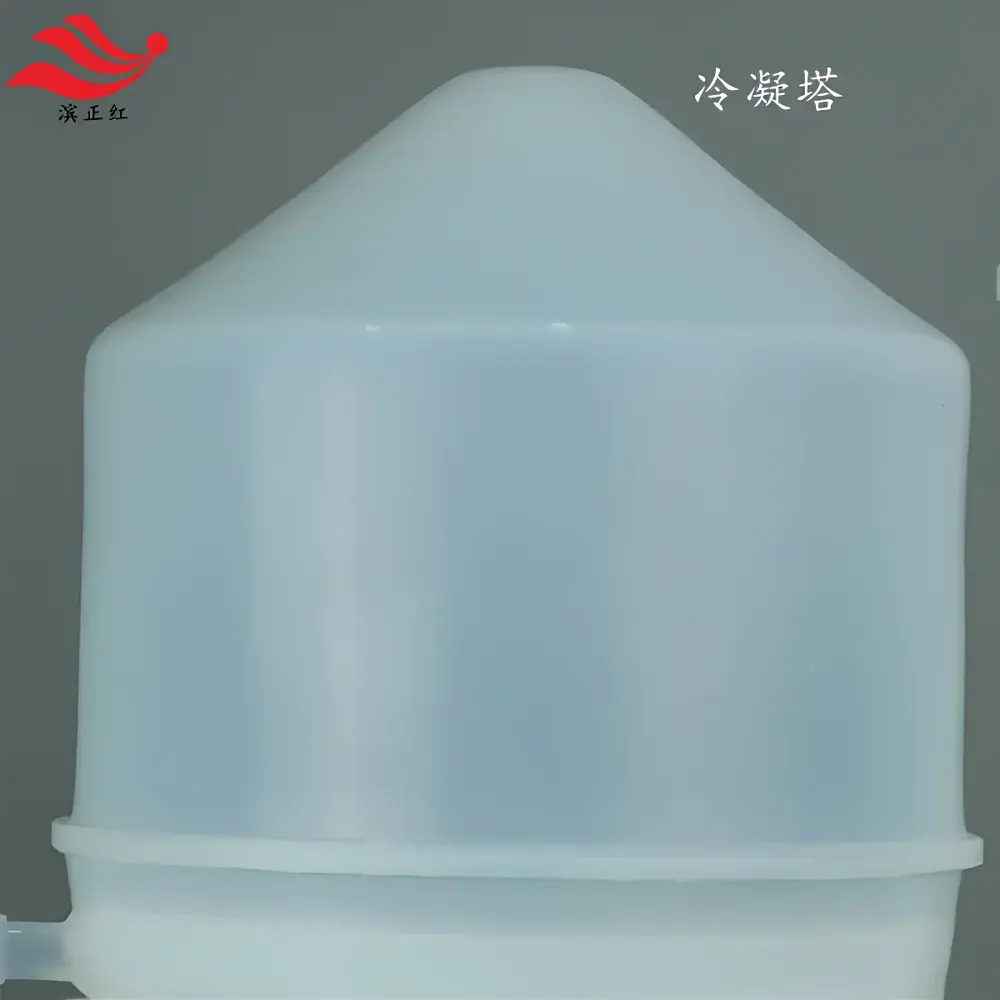
| Cooling Method | Integrated Air-Cooled Condenser |
| Distillation Rate | 50 mL/h |
| Ramp-up Time | 30 min |
| Endpoint Control Capacity | 1000 mL |
| Heating Element | Cylindrical Silicone Rubber Heating Pad |
| Temperature Control Accuracy | ±1 °C |
| Construction Material | All-Wetted Parts in High-Purity PFA |
| Compliance | Designed for ISO/IEC 17025-aligned trace metal analysis workflows |
| Power Supply | 220 V / 50 Hz |
| Max. Power Consumption | ≤400 W (Variable-Frequency Adjustable) |
Overview
The Binzhenghong NJ-SCH-I-1000ml Sub-Boiling Acid Purifier System is an engineered solution for the production of ultra-high-purity mineral acids and solvents used in trace elemental analysis. It operates on the principle of sub-boiling distillation—a low-energy, controlled thermal separation process wherein the acid is heated just below its boiling point to minimize vapor-phase entrainment of non-volatile contaminants. This method ensures that only the volatile acid fraction transitions into vapor, condenses cleanly, and is collected free from particulates, organic residues, and metallic impurities. The system is specifically optimized for high-sensitivity applications such as ICP-MS, GF-AAS, and EPA Method 200.2–200.9 sample preparation, where background contamination must be reduced to sub-part-per-trillion (ppt) levels.
Key Features
- All-wetted components—including evaporator chamber, condenser, distillate path, and collection bottle—are fabricated from fluorinated ethylene propylene (PFA), a perfluoropolymer with exceptional chemical inertness, low extractables, and negligible metal leaching even under prolonged exposure to aggressive reagents.
- Integrated one-piece PFA evaporator-condenser assembly, manufactured via thermal welding to eliminate gasketed joints or threaded interfaces—ensuring zero risk of cross-contamination or leakage during operation.
- PID-controlled silicone rubber heating sleeve provides uniform circumferential heating with ±1 °C temperature stability; adjustable setpoint range supports optimized purification protocols for HCl (110 °C), HNO₃/HF mixtures (175–180 °C), and ultrapure water.
- Passive air-cooled condensation system eliminates dependency on external cooling water, reducing infrastructure requirements and enabling safe unattended operation inside fume hoods.
- Automated dry-run protection circuit halts heating when liquid level falls below the minimum operational threshold, preventing thermal degradation of PFA surfaces and ensuring equipment longevity.
- GL45-threaded high-purity PFA collection bottles are produced via stretch blow molding—guaranteeing consistent wall thickness, dimensional accuracy, and hermetic seal integrity without internal liners or secondary closures.
Sample Compatibility & Compliance
The NJ-SCH-I-1000ml system is validated for the purification of hydrochloric acid (HCl), nitric acid (HNO₃), hydrofluoric acid (HF), and deionized water. Each run reduces dissolved metal impurities—such as Fe, Al, Cr, Ni, Cu, Zn, and Pb—from typical commercial-grade concentrations (~10 ppb) to ≤0.01 ppb after single-pass distillation. The design conforms to critical requirements for GLP/GMP-regulated laboratories, including traceability of operating parameters (temperature setpoint, runtime, volume processed), physical segregation of purified vs. crude reagent streams, and compatibility with audit-ready documentation practices. While not certified to ISO 17025, the unit supports compliance with ISO/IEC 17025 Clause 5.5.2 (equipment verification) and USP water conductivity specifications when used with appropriate calibration and procedural controls.
Software & Data Management
This model operates as a standalone analog-digital hybrid instrument with no embedded firmware or network interface. Temperature is displayed via LED/LCD digital readout; all operational parameters—including setpoint, real-time heater status, and elapsed time—are manually recorded per laboratory SOP. For full 21 CFR Part 11 compliance, users integrate the device into validated electronic lab notebook (ELN) systems or LIMS platforms using external data loggers capable of capturing analog voltage outputs from the PID controller’s process variable signal. Optional RS-485 or 4–20 mA output modules can be retrofitted upon request to support centralized monitoring in multi-unit installations.
Applications
- Preparation of calibration standards and blank matrices for ICP-MS quantification of environmental water, soil digests, and biological tissues.
- Generation of high-purity acids for microwave-assisted digestion of geological and metallurgical samples prior to multi-element analysis.
- Production of reagent-grade HF for semiconductor wafer cleaning and etching processes requiring ultra-low alkali and transition metal content.
- Refinement of HNO₃/HCl blends used in aqua regia digestions for noble metal recovery and geochemical reference material certification.
- On-site purification of bulk acid stocks in central analytical labs seeking to reduce consumable costs while maintaining strict QC/QA traceability.
FAQ
Can this unit purify hydrofluoric acid safely?
Yes—the entire fluid path is constructed from PFA, which exhibits outstanding resistance to HF corrosion at elevated temperatures. Users must follow institutional EH&S protocols for HF handling, including proper PPE and calcium gluconate gel availability.
Is water cooling required?
No—the integrated air-cooled condenser relies on ambient convection and requires no external water supply or chiller connection.
What is the expected lifetime of the PFA evaporator-condenser assembly?
Under normal use conditions (≤8 h/day, proper acid selection, avoidance of overheating), the welded PFA structure maintains structural integrity for ≥5 years with no performance degradation.
Does the system support automated volume termination?
It features fixed endpoint control at 1000 mL via calibrated liquid-level sensing; no programmable volumetric cutoff is available on this base model.
Can multiple acid types be processed sequentially in one unit?
We strongly recommend dedicating one unit per acid type to prevent cross-contamination. Residue carryover—even at ppt levels—can compromise subsequent analyses, especially for HF/HNO₃ co-processing.
Related Products



