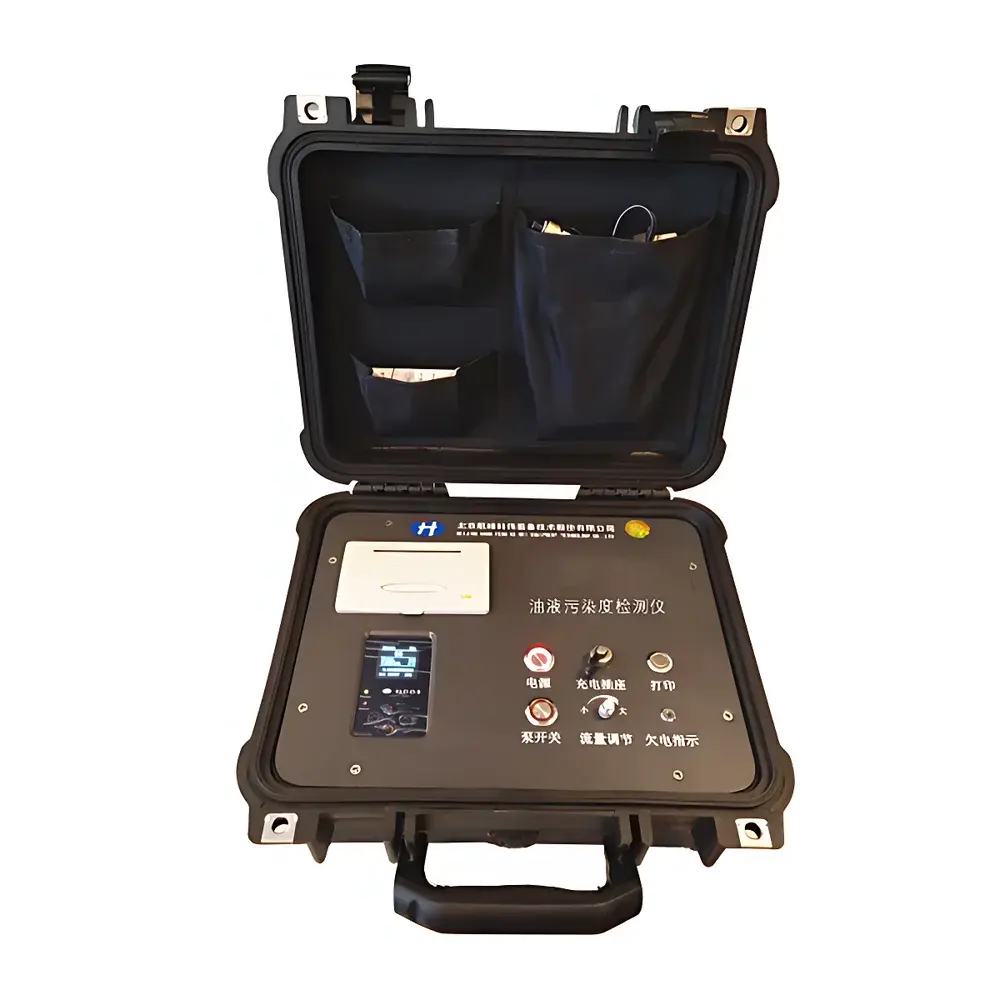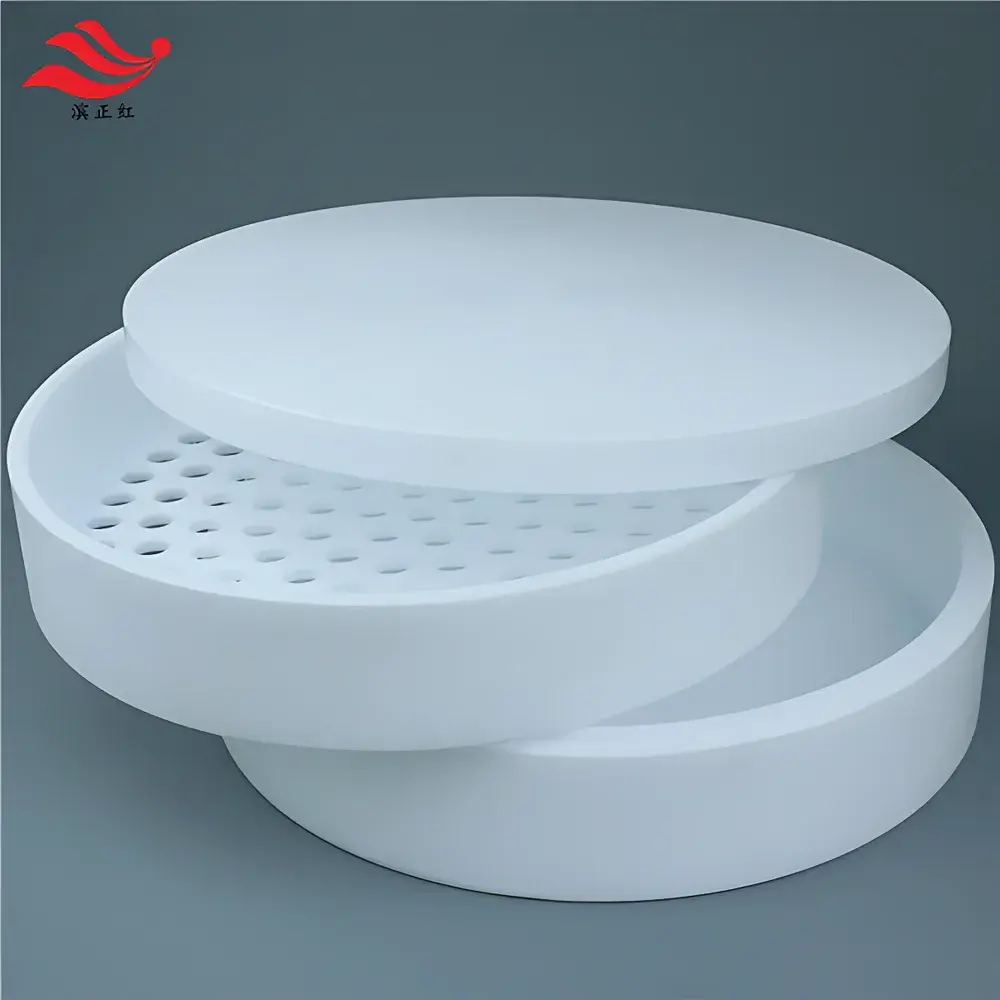
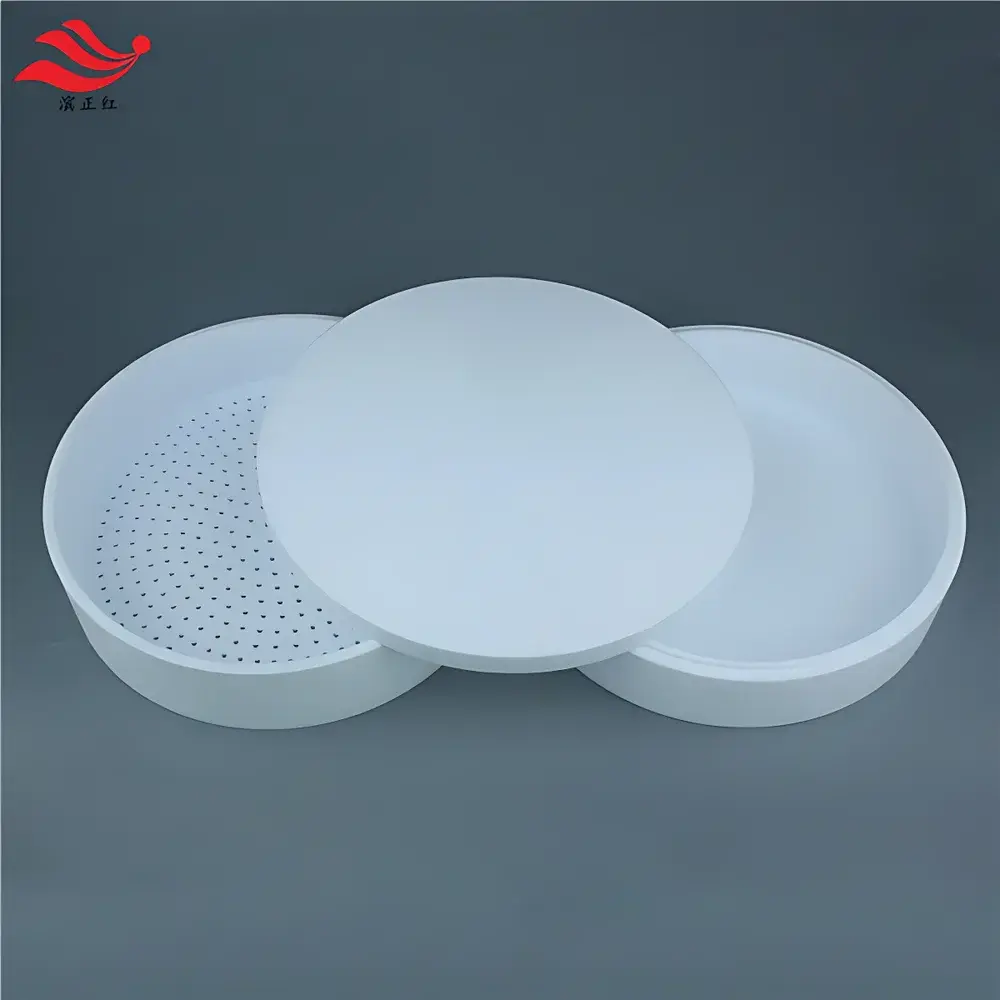
Binzhenghong NJ-ZH-1 PTFE-Coated Standard Test Sieves Compliant with JJF 1175
| Brand | Binzhenghong |
|---|---|
| Origin | Jiangsu, China |
| Manufacturer Type | Direct Producer |
| Model | NJ-ZH-1 |
| Compliance | JJF 1175, HJ/T 299–2007, HJ/T 300–2007, HJ/T 557–2007 |
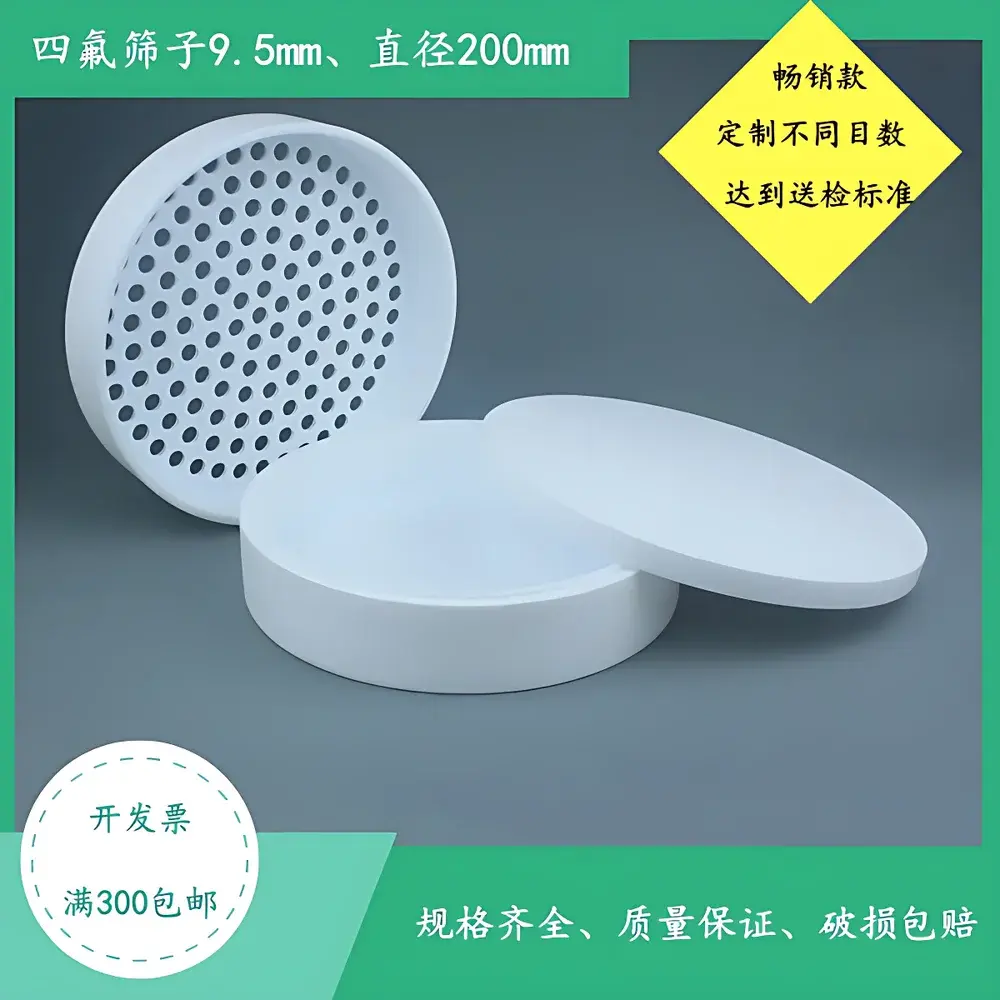
| Diameter | 200 mm |
| Mesh Range | 4–35 mesh (4.75 mm – 0.500 mm aperture) |
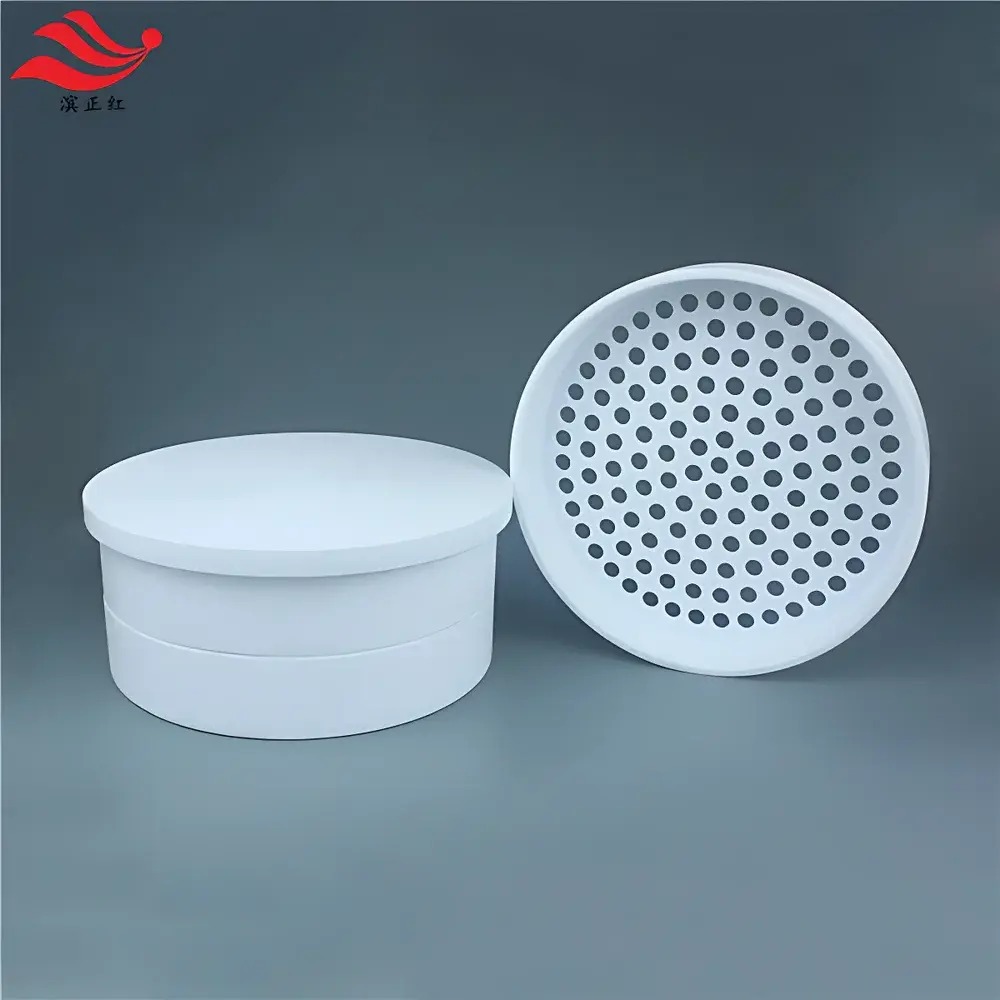
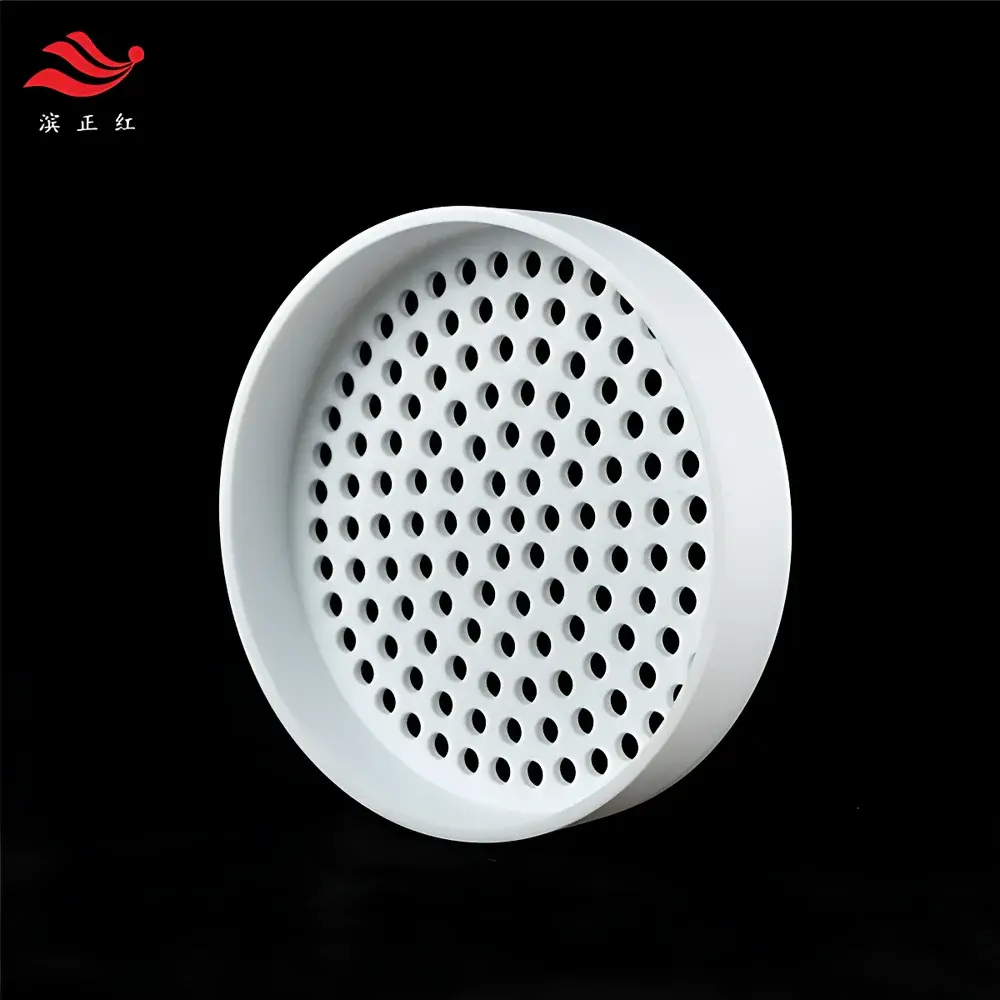
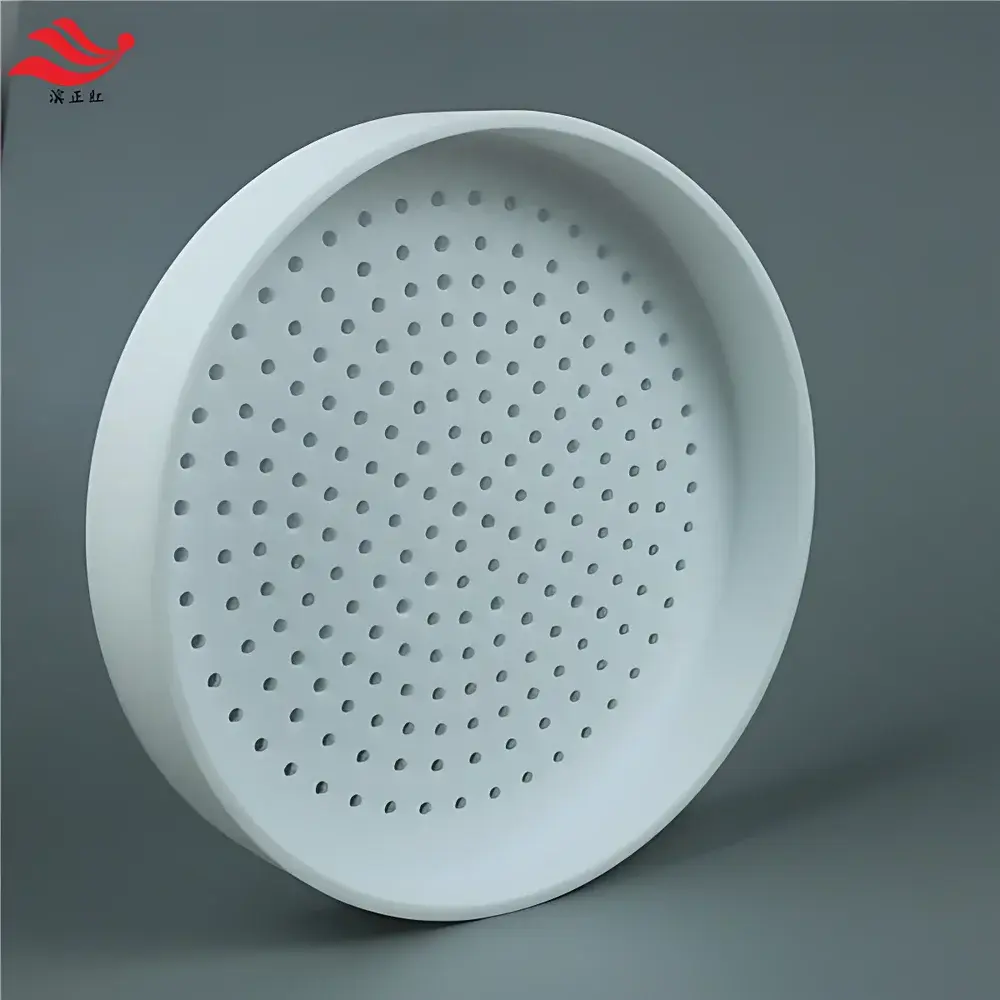
| Material | PTFE-coated stainless steel mesh with PTFE base and lid |
Overview
The Binzhenghong NJ-ZH-1 PTFE-Coated Standard Test Sieves are precision-engineered laboratory sieving tools designed for particle size distribution analysis of solid granular materials in environmental, geological, pharmaceutical, and industrial quality control laboratories. These sieves operate on the principle of mechanical dry sieving—relying on controlled vibrational energy to separate particles based on their ability to pass through defined apertures. Each sieve conforms strictly to the metrological verification specification JJF 1175–2007 issued by the General Administration of Quality Supervision, Inspection and Quarantine of China, ensuring traceable dimensional accuracy and repeatability across the full range of nominal apertures. The PTFE coating provides exceptional chemical inertness and non-stick surface properties, minimizing sample adhesion and cross-contamination—critical when handling reactive, hygroscopic, or fine-powdered samples such as soil extracts, fly ash, catalysts, or leachate residues.
Key Features
- PTFE-coated stainless steel mesh ensures high corrosion resistance and compatibility with acidic, alkaline, and organic solvent-based sample matrices.
- Standardized 200 mm diameter format aligns with ISO 3310-1, ASTM E11, and GB/T 6003.1 requirements for interchangeability with standard sieve shakers.
- Full compliance with Chinese environmental testing standards: HJ/T 299–2007 (Toxicity Characteristic Leaching Procedure), HJ/T 300–2007 (Synthetic Precipitation Leaching Procedure), and HJ/T 557–2007 (Solid Waste Extraction Method).
- Calibrated aperture tolerances meet JJF 1175 metrological verification criteria—including strict limits on mesh uniformity, wire diameter deviation, and frame flatness.
- Modular design includes interchangeable PTFE base, sieve frame, and lid—enabling full containment during vibration and preventing sample loss or operator exposure.
- Custom aperture options available from 0.500 mm to 9.5 mm (4 to 35 mesh), including non-standard increments for method-specific validation protocols.
Sample Compatibility & Compliance
These sieves are routinely employed in regulatory-compliant solid waste characterization workflows, particularly for preparing representative sub-samples prior to TCLP (Toxicity Characteristic Leaching Procedure) and SPLP (Synthetic Precipitation Leaching Procedure) extractions. Their PTFE construction eliminates metal ion leaching—a critical requirement for low-level heavy metal analysis per US EPA Method 1311 and ISO 17294-2. All units are supplied with individual calibration documentation referencing JJF 1175 traceability, and may be integrated into GLP/GMP environments where documented instrument qualification (IQ/OQ) is required. While not certified to ISO/IEC 17025, the manufacturing process adheres to internal quality controls aligned with ISO 9001 principles.
Software & Data Management
As passive mechanical devices, the NJ-ZH-1 sieves do not incorporate embedded electronics or software interfaces. However, they are fully compatible with industry-standard sieve shaker systems—including electromagnetic, rotary, and tapping-type units—that support digital parameter logging (amplitude, time, RPM). When used within validated analytical workflows, sieve identification, aperture size, and usage history can be recorded in LIMS platforms using configurable fields for equipment tracking. For audit readiness under FDA 21 CFR Part 11 or ISO/IEC 17025, laboratories may assign unique asset IDs and maintain maintenance logs covering visual inspection, aperture verification, and cleaning validation records.
Applications
- Particle size grading of contaminated soils and sediments prior to leaching toxicity assessment.
- Homogenization and fractionation of heterogeneous solid waste streams for compositional analysis.
- Pre-sieving of catalyst powders, battery electrode materials, and ceramic precursors to remove agglomerates.
- Quality control screening of pharmaceutical excipients and active ingredients per USP & ChP monographs.
- Method validation support for ASTM D6913 (particle-size analysis of soils) and ISO 14688-1 (geotechnical investigation).
FAQ
Are these sieves certified to international standards such as ISO 3310-1 or ASTM E11?
Yes—the physical dimensions, aperture tolerances, and construction follow the geometric and metrological requirements of ISO 3310-1:2016 and ASTM E11–22, though formal third-party certification is not included by default. Calibration reports reference JJF 1175 as the primary metrological basis.
Can I use these sieves with a Ro-Tap or sonic sieve shaker?
Yes—200 mm diameter and standard 25 mm stack height ensure compatibility with all major mechanical and electro-mechanical sieve shakers, including Gilson, Endecotts, and Retsch models.
Is PTFE coating applied to both sides of the mesh?
The PTFE layer is uniformly applied to the entire exposed surface of the mesh—including both top and bottom faces—as well as the interior surfaces of the base and lid, ensuring complete chemical isolation.
Do you supply calibration certificates with NIST-traceable reference data?
Each set includes a manufacturer’s calibration statement compliant with JJF 1175. For NIST-traceable verification, external metrology labs can perform aperture measurement using optical microscopy or laser scanning per ISO/IEC 17025 procedures.
What is the expected service life under routine lab use?
With proper cleaning (e.g., ultrasonic bath with isopropanol, air drying) and avoidance of abrasive scrubbing, PTFE-coated sieves typically maintain aperture integrity for ≥5 years under daily QC use. Visual inspection for mesh deformation or coating wear is recommended quarterly.