
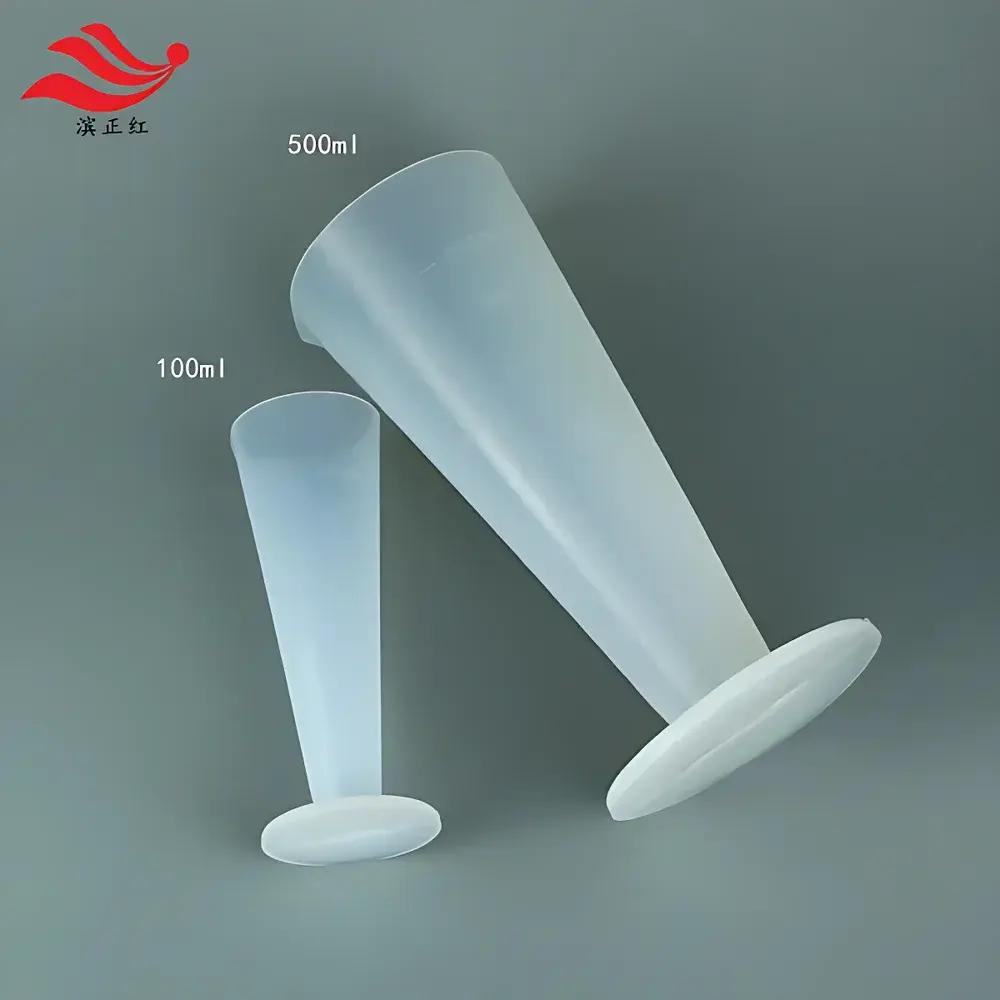
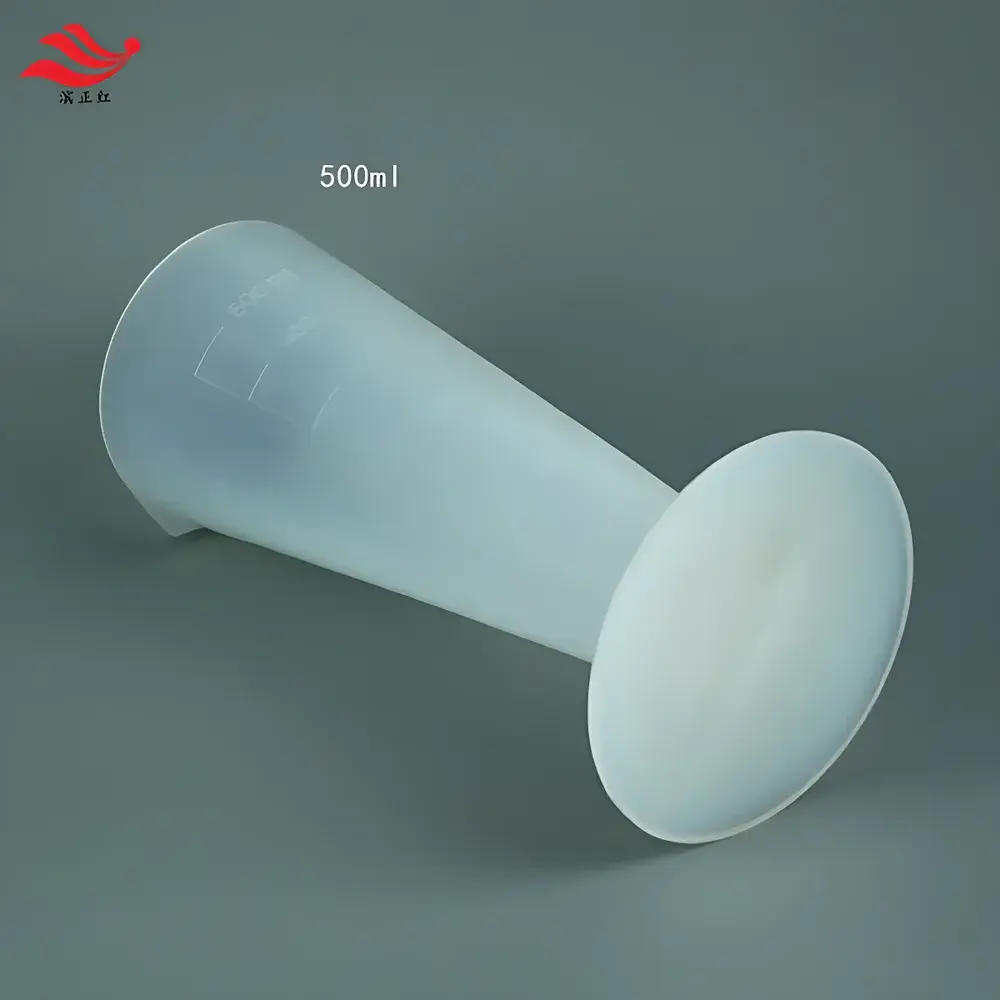
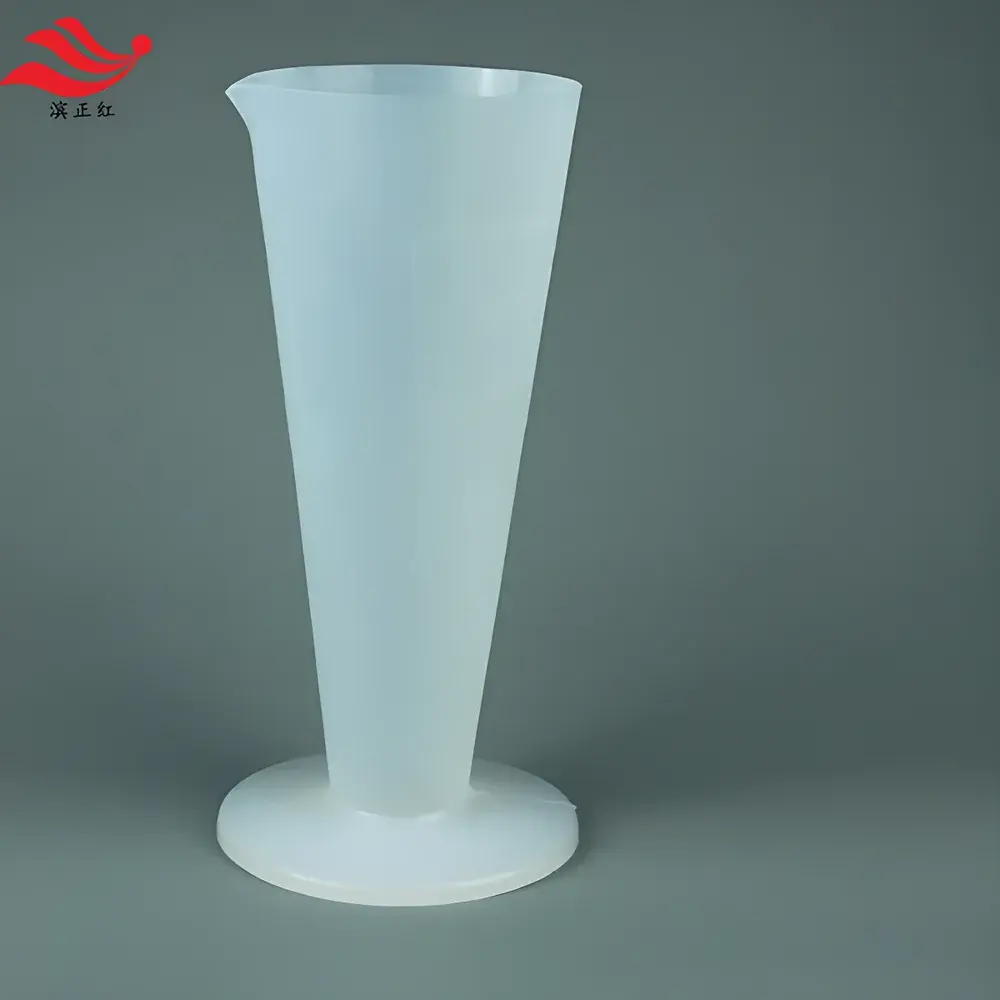
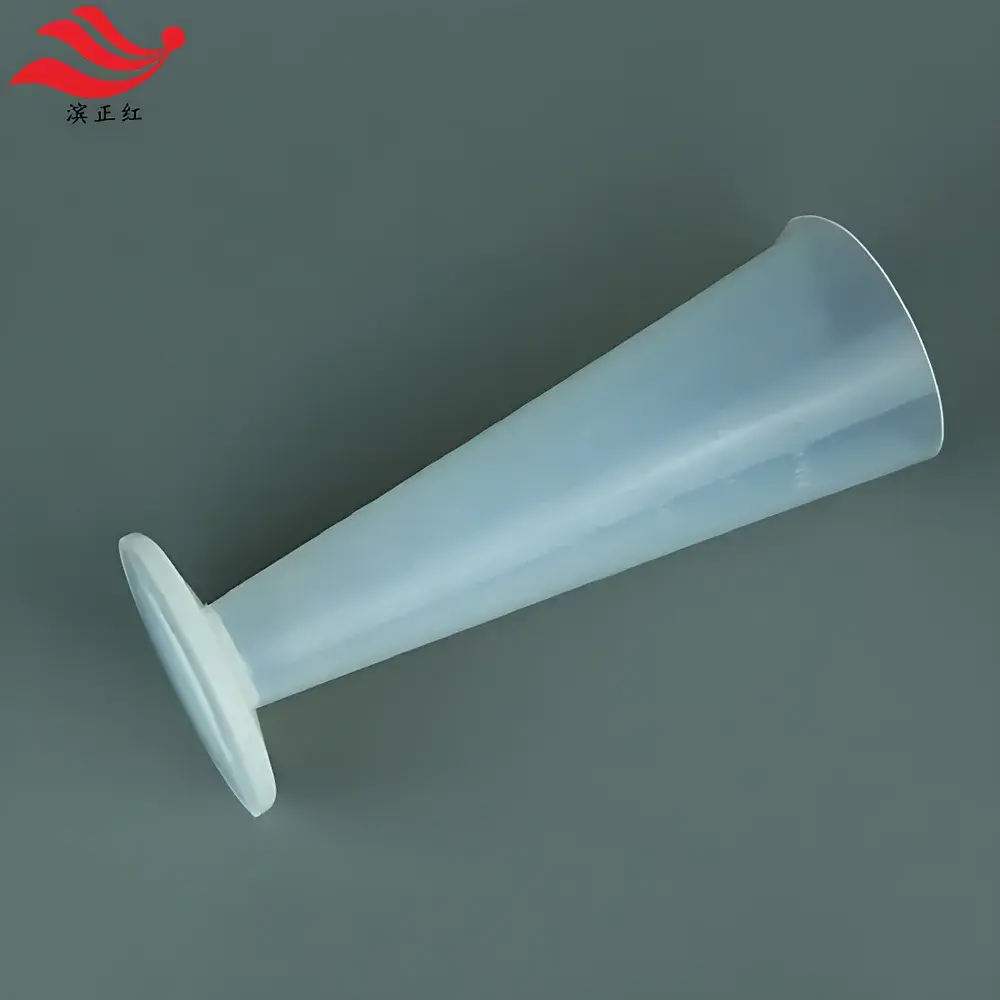
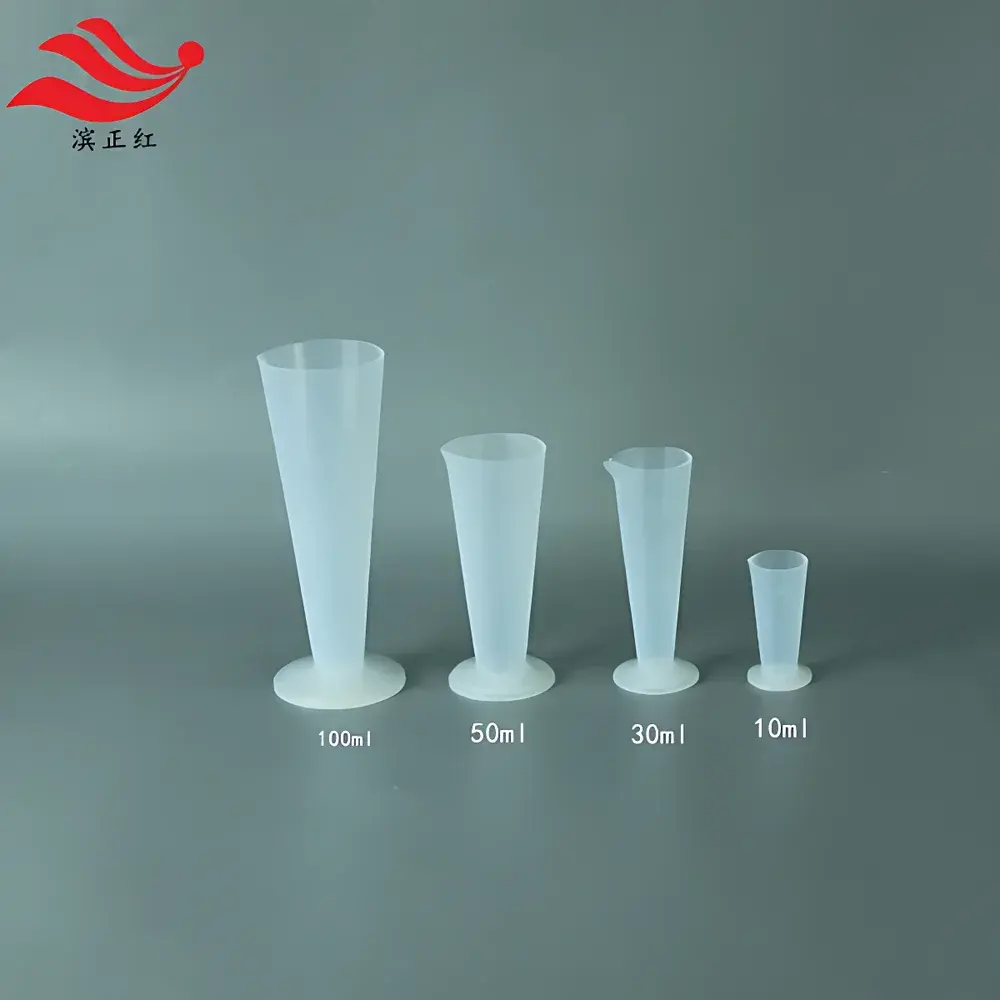
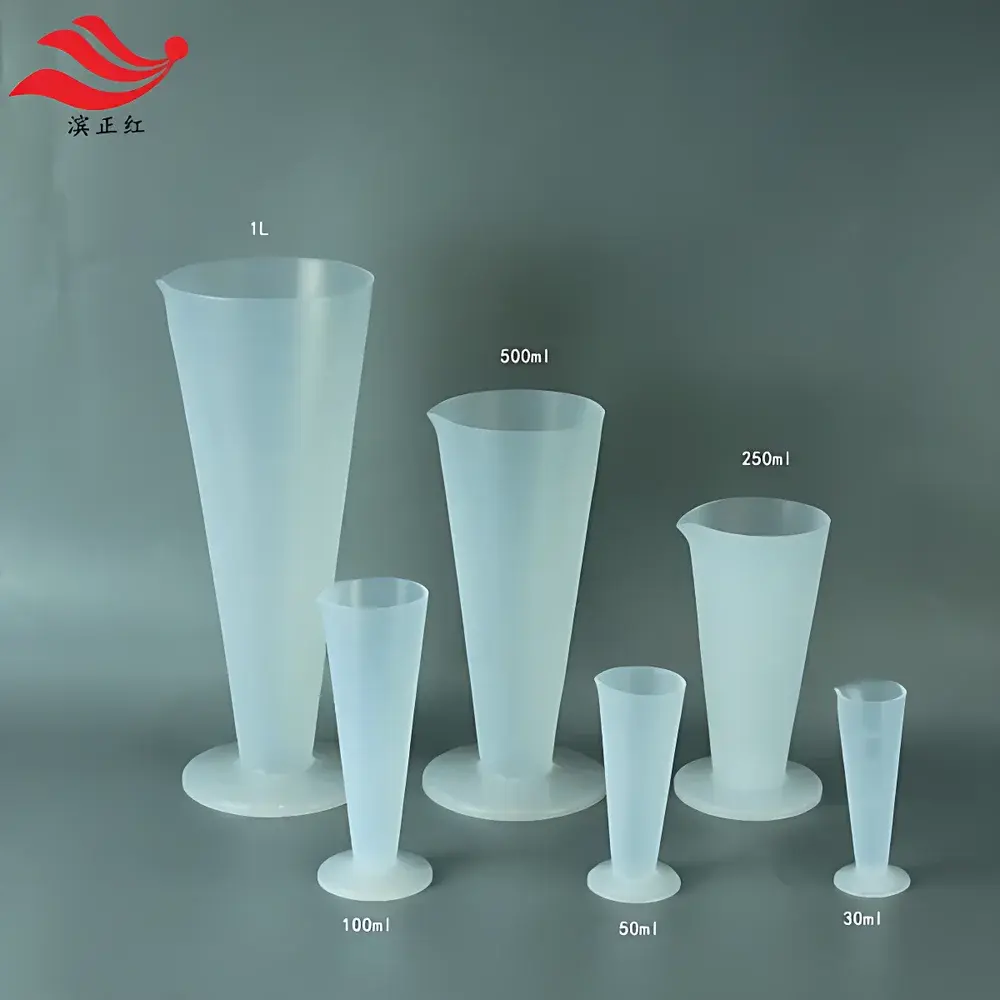
Binzhenghong PFA Graduated Beakers (5–2000 mL)
| Brand | Binzhenghong |
|---|---|
| Origin | Jiangsu, China |
| Manufacturer Type | Direct Producer |
| Model Range | 5–2000 mL |
| Temperature Range | −200 °C to +260 °C |
| Material | Perfluoroalkoxy alkane (PFA) |
| Transparency | Semi-transparent |
| Surface Finish | Low-metal, low-leaching |
| Compliance | Suitable for trace metal analysis, ICP-MS/OES/AAS sample handling |
Overview
Binzhenghong PFA Graduated Beakers are high-purity, chemically inert laboratory vessels engineered for critical applications in trace elemental analysis, isotopic studies, and ultra-low-contamination sample preparation. Constructed from perfluoroalkoxy alkane (PFA), a melt-processable fluoropolymer with performance characteristics closely aligned with polytetrafluoroethylene (PTFE), these beakers offer exceptional resistance to aggressive reagents—including hydrofluoric acid, aqua regia, hot concentrated alkalis, and organic solvents—without compromising dimensional stability or surface integrity. Unlike glass or polypropylene alternatives, PFA exhibits near-zero extractables and minimal metal leaching, making it the material of choice for calibration standard storage, reference material handling, and sample digestion workflows where background contamination must remain below sub-ppt detection limits.
Key Features
- Ultra-Low Metal Background: Fabricated under controlled cleanroom conditions, each beaker undergoes rigorous quality screening to ensure trace element content (e.g., Al, Fe, Cr, Ni, Cu, Zn, Pb) remains consistently below 10 pg/mL per ISO 17025–validated ICP-MS protocols.
- Thermal Stability Across Extremes: Maintains mechanical integrity and volumetric accuracy from cryogenic temperatures (−200 °C) up to continuous service at +260 °C, enabling direct use in hotplate digestion, freeze-drying pre-concentration, and cold-trap applications.
- Precision Graduation Markings: Laser-etched or molded volume scales (5–2000 mL range) provide high-contrast, abrasion-resistant calibration lines with ±0.5% volumetric tolerance per ASTM E542–22, verified via gravimetric calibration against NIST-traceable standards.
- Electrical & Dielectric Inertness: Exhibits stable dielectric constant (~2.1) and volume resistivity (>1018 Ω·cm) across frequencies (1 kHz–1 GHz) and temperatures, eliminating electrostatic interference during sensitive electrochemical or mass spectrometry sample introduction.
- Wide-Mouth Geometry: Optimized opening-to-height ratio ensures rapid reagent addition, efficient stirring with PTFE-coated magnetic stir bars, and unobstructed access for pipette tips or digestion vessel inserts without splashing or meniscus distortion.
Sample Compatibility & Compliance
These beakers are routinely deployed in laboratories operating under GLP, ISO/IEC 17025, and FDA 21 CFR Part 11 frameworks. Their compatibility extends to EPA Method 200.8, ISO 17294-2, and USP requirements for elemental impurities testing. The PFA matrix demonstrates no measurable interference in quadrupole or multi-collector ICP-MS analyses—even after repeated exposure to 10 mol/L HNO3 at 120 °C for 24 h. All units are supplied individually wrapped in double-layer polyethylene pouches within static-dissipative shipping containers to prevent particulate ingress or surface charge accumulation.
Software & Data Management
While inherently passive hardware, Binzhenghong PFA beakers integrate seamlessly into digital lab workflows. Each batch is assigned a unique QR-coded lot identifier linked to a secure LIMS-accessible certificate of analysis (CoA), including full ICP-MS trace metal screening data, thermal cycling validation reports, and dimensional inspection records. Optional RFID tagging (upon request) supports automated inventory tracking and audit-ready chain-of-custody logging compatible with LabVantage and Thermo Fisher SampleManager platforms.
Applications
- Preparation and long-term storage of certified reference materials (CRMs) and multi-element calibration standards for ICP-OES and ICP-MS.
- Open-vessel microwave-assisted digestion of environmental, biological, and geological samples prior to trace metal quantification.
- Evaporation and concentration of acid digests under nitrogen purge or low-temperature rotary evaporation.
- Reagent dispensing and intermediate transfer steps in semiconductor-grade chemical handling (SEMI F57 compliant).
- Calibration verification of automated liquid handlers using gravimetric delivery checks per ISO 8655-5.
FAQ
Are these beakers suitable for use with hydrofluoric acid (HF)?
Yes. PFA exhibits superior resistance to HF compared to fused silica or quartz, permitting safe handling of concentrations up to 49% at room temperature and short-term exposure to diluted HF at elevated temperatures.
Can they be autoclaved?
No. Autoclaving (121 °C, 15 psi, saturated steam) is not recommended due to potential microstructural stress cracking; dry-heat sterilization at ≤200 °C for ≤30 min is acceptable.
Do graduation markings remain legible after repeated acid cleaning?
Yes. Laser-etched graduations are integral to the PFA matrix and show no fading, blurring, or delamination after ≥50 cycles of hot 6 mol/L HCl wash followed by Class 100 cleanroom drying.
Is there batch-to-batch variability in metal content?
No. Every production lot undergoes mandatory ICP-MS screening per ASTM D5688, and only batches meeting ≤5 pg/mL for all regulated elements (per USP /) are released with full CoA documentation.
What is the maximum recommended fill level for accurate volumetric reading?
For optimal meniscus alignment and measurement repeatability, fill to no more than 85% of nominal capacity—e.g., 425 mL for the 500 mL beaker—to minimize parallax error and thermal expansion effects.



