
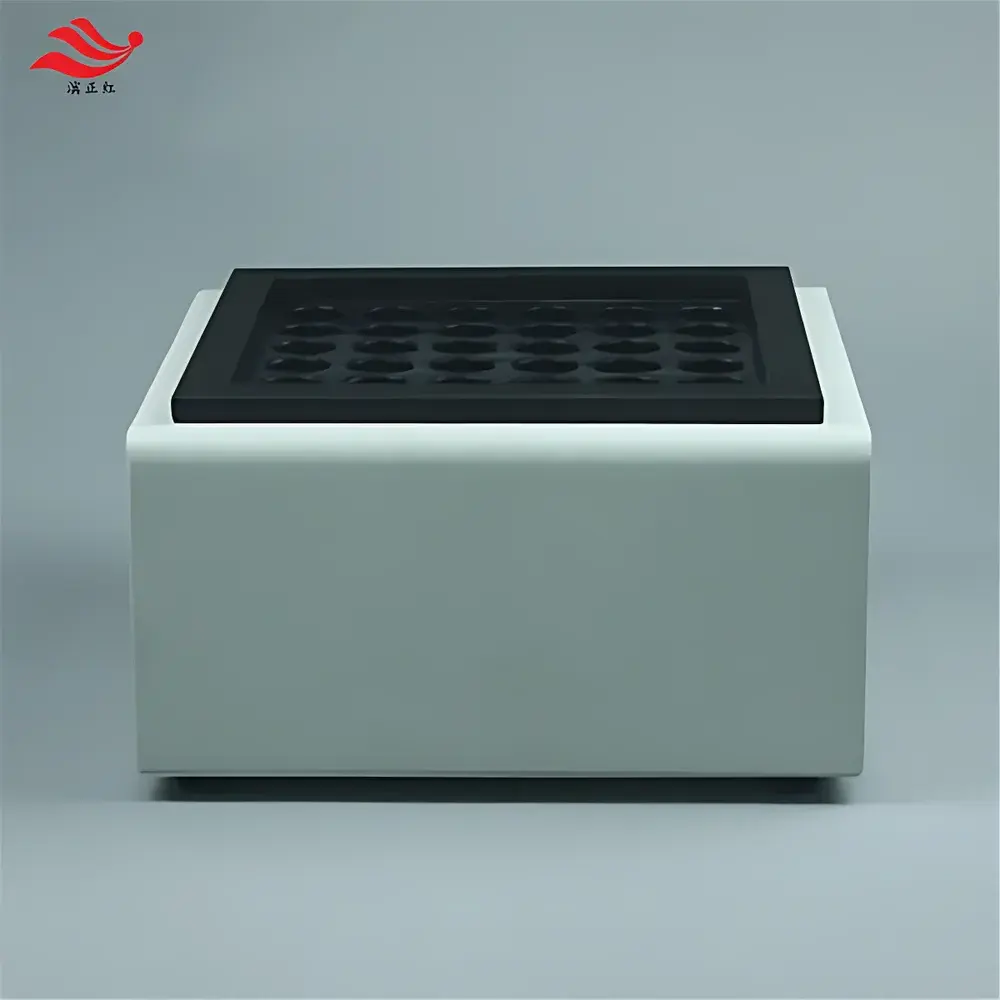
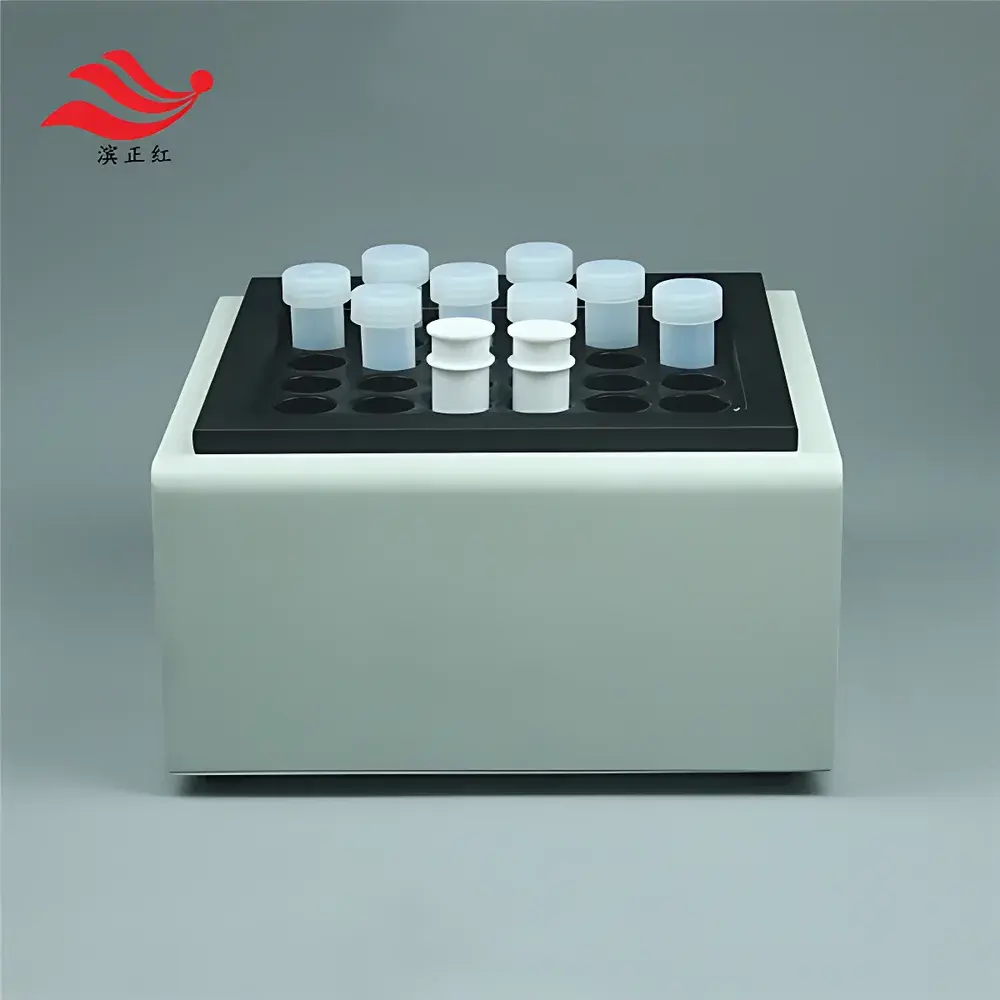
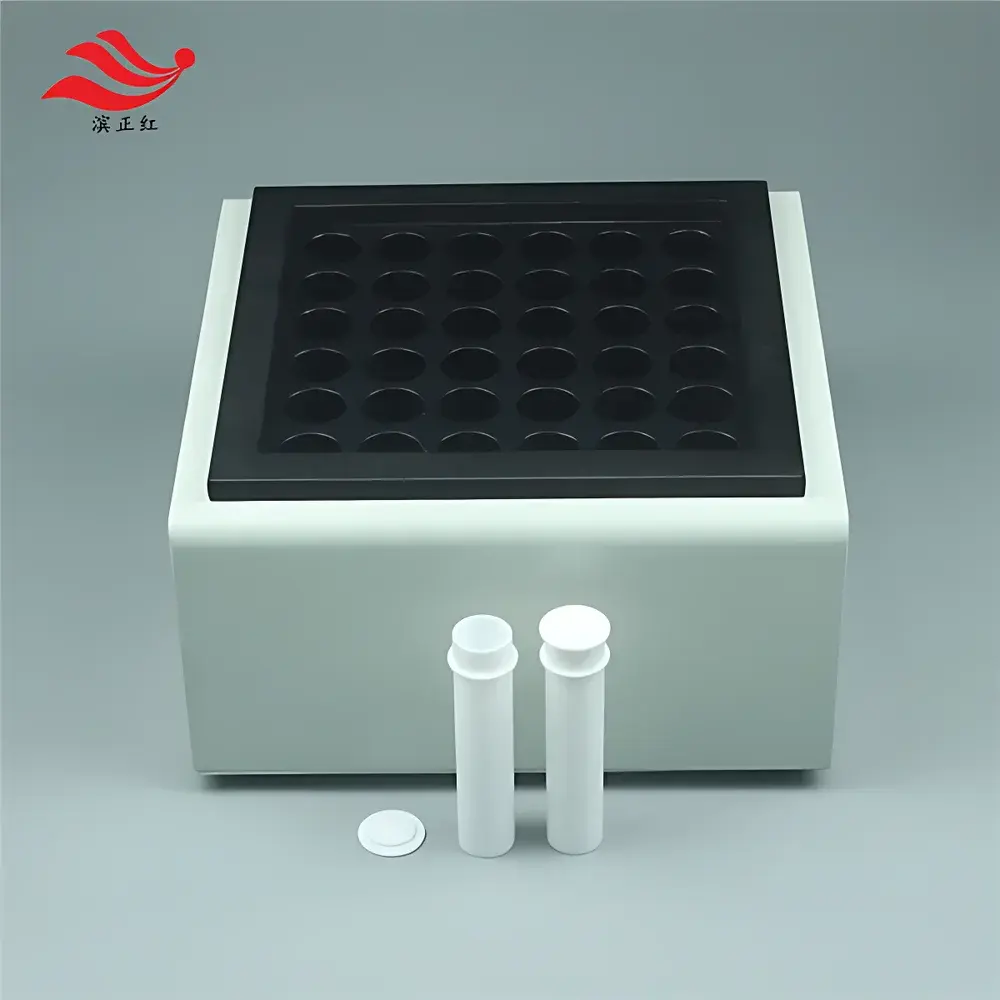
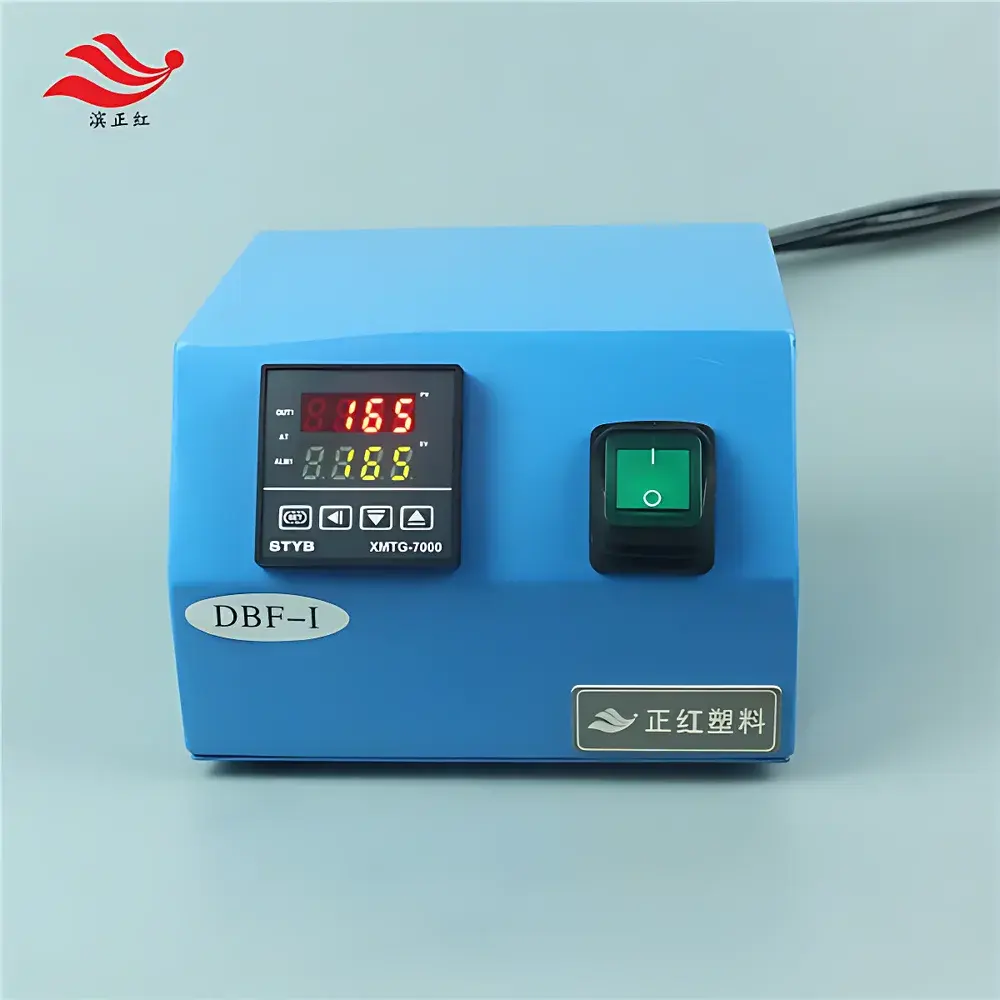
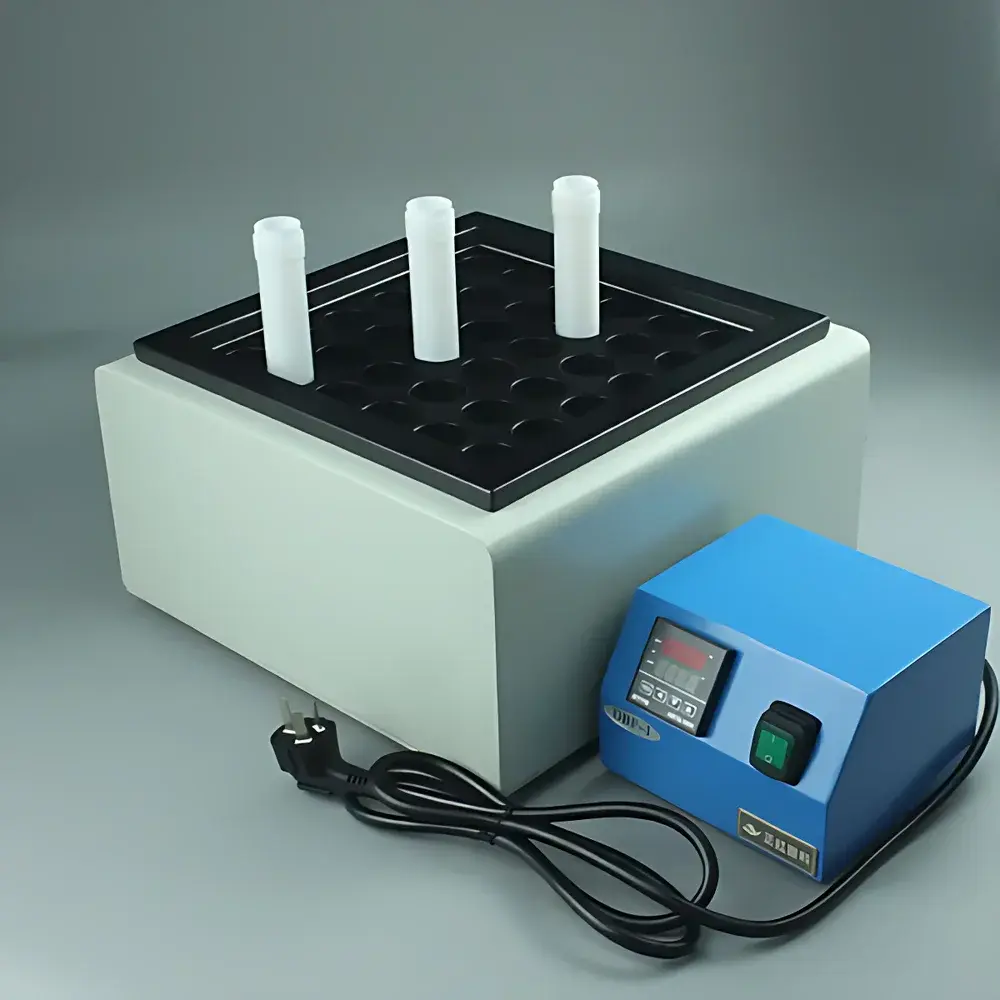
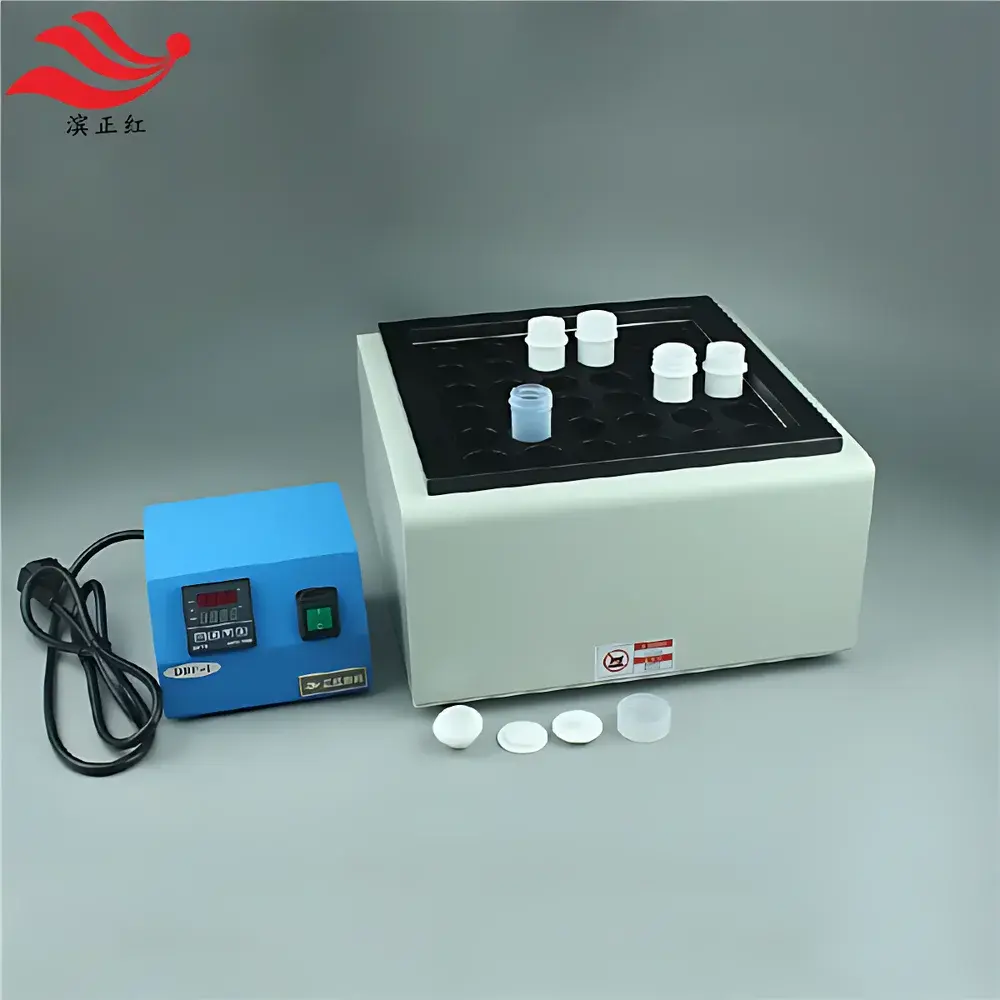
Binzhenghong XJ-48 Graphite Block Digestion System
| Brand | Binzhenghong |
|---|---|
| Origin | Jiangsu, China |
| Manufacturer Type | Direct Manufacturer |
| Instrument Type | Electric Heating Digestion System |
| Automation Level | Semi-Automatic |
| Digestion Positions | 48 |
| Max. Heating Temperature | 260 °C |
| Temperature Control Accuracy | ±1 °C |
| Heating Principle | Encircling Graphite Block Heating |
| Sample Vessel Compatibility | Standard Digestion Tubes (e.g., PTFE, quartz, or borosilicate) |
| Heating Medium | High-Density Graphite with PTFE Coating |
| Power Supply | 220 V / 50 Hz |
| Control Method | PID Digital Temperature Controller |
Overview
The Binzhenghong XJ-48 Graphite Block Digestion System is a semi-automatic, high-efficiency sample preparation instrument engineered for open-vessel acid digestion in analytical laboratories. It utilizes a dense, thermally homogeneous graphite block as the primary heating medium—surrounding each digestion tube uniformly to minimize radial thermal gradients and maximize energy transfer efficiency. Unlike traditional hotplate or ceramic-heated digesters, this system operates on the principle of conductive heat transfer through high-purity graphite, which offers superior thermal mass, stability across extended heating cycles, and resistance to thermal shock. Designed for routine and high-throughput sample digestion prior to elemental analysis (e.g., AAS, ICP-OES, ICP-MS, AFAS), it supports standardized wet digestion protocols per ISO 11047, EPA Method 3050B, and ASTM D3682. Its operational range (room temperature to 260 °C) accommodates common mineral acid mixtures—including HNO₃, HCl, HF, and H₂O₂—while maintaining precise thermal control essential for reproducible recovery of trace metals.
Key Features
- 48-position digestion capacity enabling parallel processing of environmental, food, pharmaceutical, and clinical samples—reducing batch turnaround time without compromising method integrity.
- High-density graphite heating block with proprietary PTFE anti-corrosion coating ensures long-term resistance to aggressive reagents (including hydrofluoric acid at controlled concentrations) and eliminates metal leaching risks.
- PID digital temperature controller delivers stable setpoint maintenance within ±1 °C across all positions, verified by independent NIST-traceable calibration; inter-hole temperature uniformity is maintained at ≤±1.5 °C at 180 °C.
- Enclosed cavity design minimizes convective heat loss and suppresses acid vapor dispersion—protecting lab personnel, surrounding instrumentation, and fume hood integrity during prolonged ramp-and-hold cycles.
- Programmable heating profiles support multi-stage ramping (e.g., 10 °C/min to 120 °C, hold 20 min; then ramp to 220 °C, hold 30 min), facilitating optimization for complex matrices such as soil, sludge, or biological tissues.
- Robust mechanical architecture includes reinforced stainless-steel housing, integrated cooling fins, and over-temperature cut-off protection compliant with IEC 61010-1 safety standards.
Sample Compatibility & Compliance
The XJ-48 accommodates standard digestion tubes (16–50 mL volume) made from PTFE (Teflon™), quartz, or borosilicate glass—compatible with both closed-vessel pre-digestion and open-vessel final digestion/gas evolution steps. It meets functional requirements for GLP-compliant workflows when paired with documented SOPs and routine verification using CRM reference materials (e.g., NIST SRM 1573a Tomato Leaves). While not inherently 21 CFR Part 11 compliant (as it lacks electronic audit trail functionality), its temperature logs can be manually recorded or interfaced via optional RS-232/USB output for integration into validated LIMS environments. The system adheres to ISO/IEC 17025 clause 5.5.2 regarding equipment suitability for intended use.
Software & Data Management
The embedded PID controller features a backlit LCD interface with real-time temperature display, setpoint entry, ramp rate configuration, and hold-time programming. No proprietary software is required for basic operation; however, optional data logging modules (sold separately) provide timestamped CSV export of temperature vs. time profiles for QA documentation. All firmware updates are performed via physical USB port—ensuring secure, offline validation without cloud dependency. Calibration certificates are provided with each unit, including as-found/as-left data against certified reference thermometers traceable to national metrology institutes.
Applications
This digestion system is routinely deployed in accredited testing labs for sample preparation prior to quantification of heavy metals (Pb, Cd, As, Hg, Cr) in drinking water (per EPA 200.8), total digestible nutrients in feedstuffs (AOAC 999.10), residual catalysts in pharmaceutical intermediates (ICH Q2(R2)), and leachable elements in medical device polymers (ISO 10993-12). It serves as a robust alternative to microwave digestion for laboratories requiring lower capital investment, simpler maintenance, and full visibility of reaction progress—particularly where volatile analyte retention (e.g., Se, Sb) or post-digestion evaporation (“gassing off”) is critical.
FAQ
What types of digestion tubes are compatible with the XJ-48?
Standard 16–50 mL PTFE, quartz, or borosilicate digestion tubes with screw caps or vented closures.
Can the XJ-48 be used for HF-based digestions?
Yes—provided PTFE or quartz vessels are used and ventilation meets OSHA PEL limits for hydrogen fluoride (3 ppm ceiling); graphite block coating resists HF corrosion below 200 °C.
Is temperature uniformity verified across all 48 positions?
Yes—uniformity testing per ASTM E220 is conducted at factory acceptance; deviation remains ≤±1.5 °C at 180 °C and ≤±2.0 °C at 260 °C.
Does the system support method validation per ISO/IEC 17025?
It provides the thermal performance characteristics required for validation; users must establish in-house verification protocols including repeatability, intermediate precision, and CRM recovery studies.
What maintenance is required for long-term reliability?
Annual inspection of PTFE coating integrity, cleaning of graphite surface with non-abrasive ethanol wipes, and recalibration using a Class A platinum RTD probe.



