
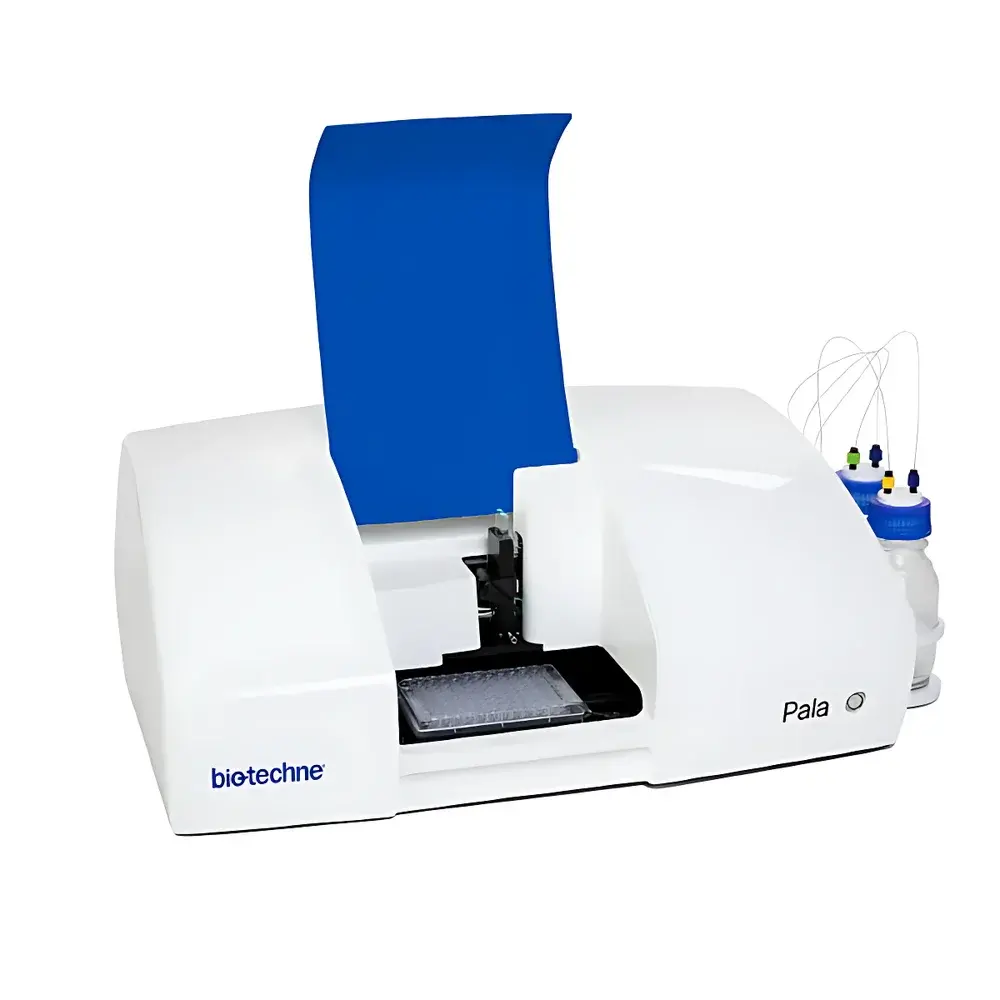
Bio-Techne Pala Single Cell Dispenser
| Brand | Bio-Techne |
|---|---|
| Origin | USA |
| Manufacturer Type | Authorized Distributor |
| Import Status | Imported |
| Model | Pala Single Cell Dispenser |
| Type | Fully Automated |
| Sorting Speed | 50,000 cells/s |
| Maximum Cell Concentration | 150,000,000 cells/mL |
| Fluorescence Detection Channels | 11 |
| Operating Pressure | <2 psi |
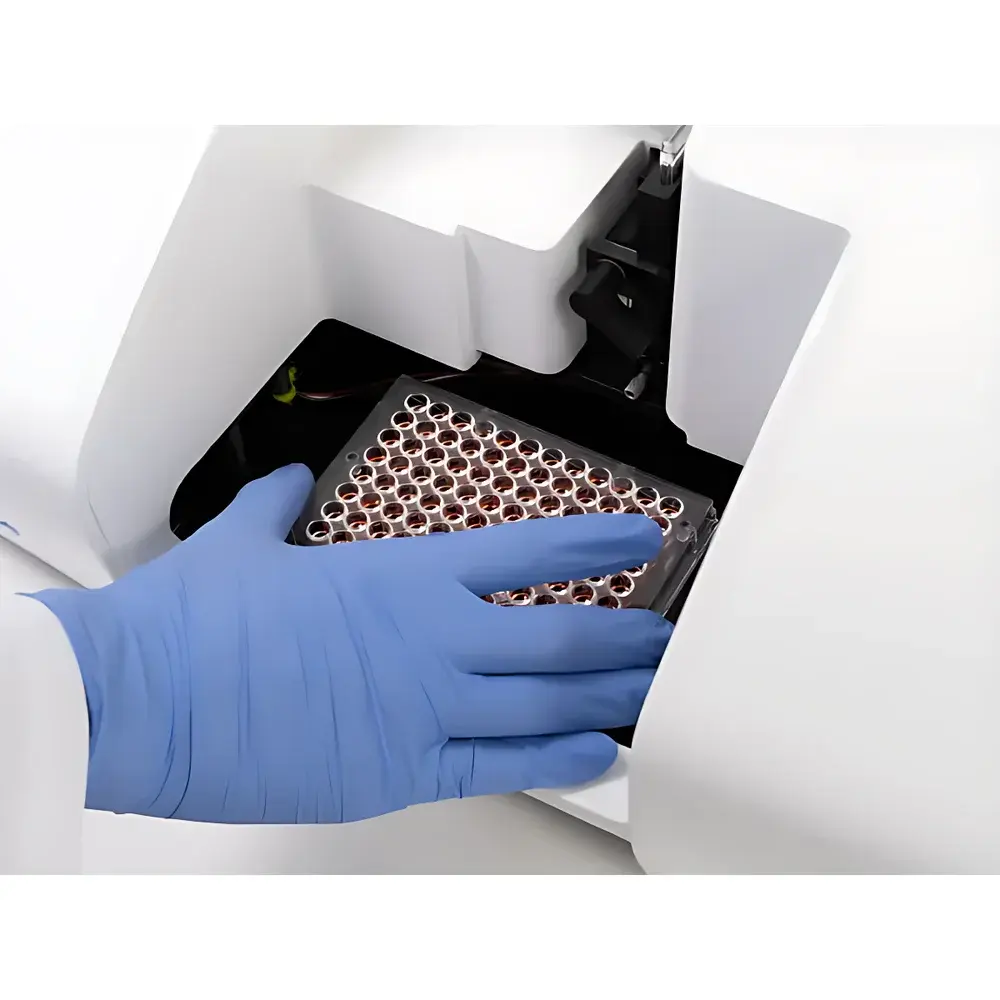
| Compatible Plate Formats | 96-well and 384-well microplates |
| Laser Configurations | 488 nm + 405 nm or 488 nm + 561 nm |
Overview
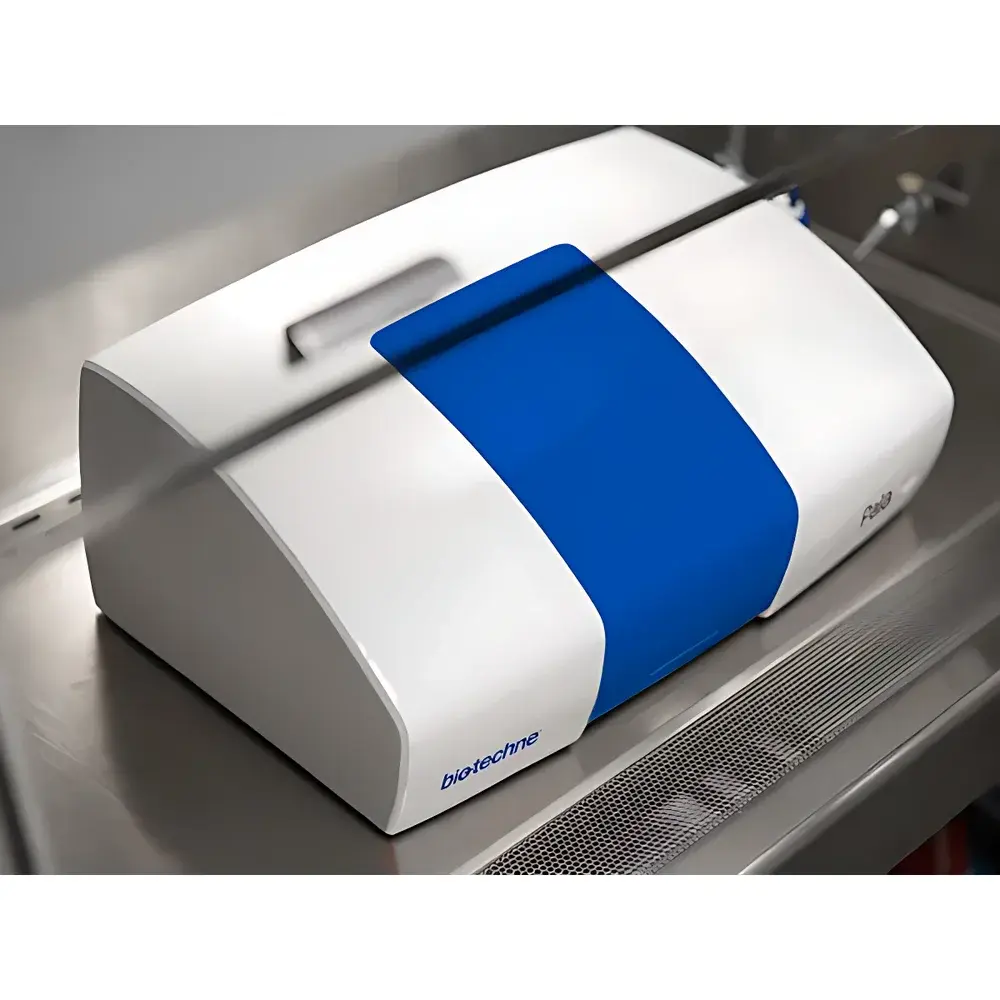
The Bio-Techne Pala Single Cell Dispenser is a benchtop, fully automated microfluidic cell sorting platform engineered for high-precision, low-stress isolation of individual viable cells into standard microplate formats. Unlike conventional flow cytometry-based sorters that rely on electrostatic charge deflection or droplet-based encapsulation, the Pala employs a pressure-driven, non-contact microfluidic dispensing architecture—eliminating nozzle clogging, minimizing shear stress, and preserving native cell physiology. Its core principle integrates real-time optical interrogation (via dual-laser excitation and multi-parameter fluorescence detection) with deterministic single-cell routing into designated wells. This approach ensures deterministic deposition without statistical uncertainty, enabling true clonal isolation with traceable lineage fidelity—critical for monoclonal antibody development, CRISPR-edited clone validation, and rare circulating tumor cell (CTC) recovery from low-input clinical samples.
Key Features
- Fully automated operation with integrated fluidics, optics, and plate-handling—requiring no user calibration or alignment.
- Dual-laser excitation system (configurable as 488 nm + 405 nm or 488 nm + 561 nm) supporting up to 11-color fluorescence detection for complex immunophenotyping and functional marker co-expression analysis.
- Ultra-low operating pressure (95%) and 72-hour colony-forming assays across primary T cells, iPSCs, and hybridomas.
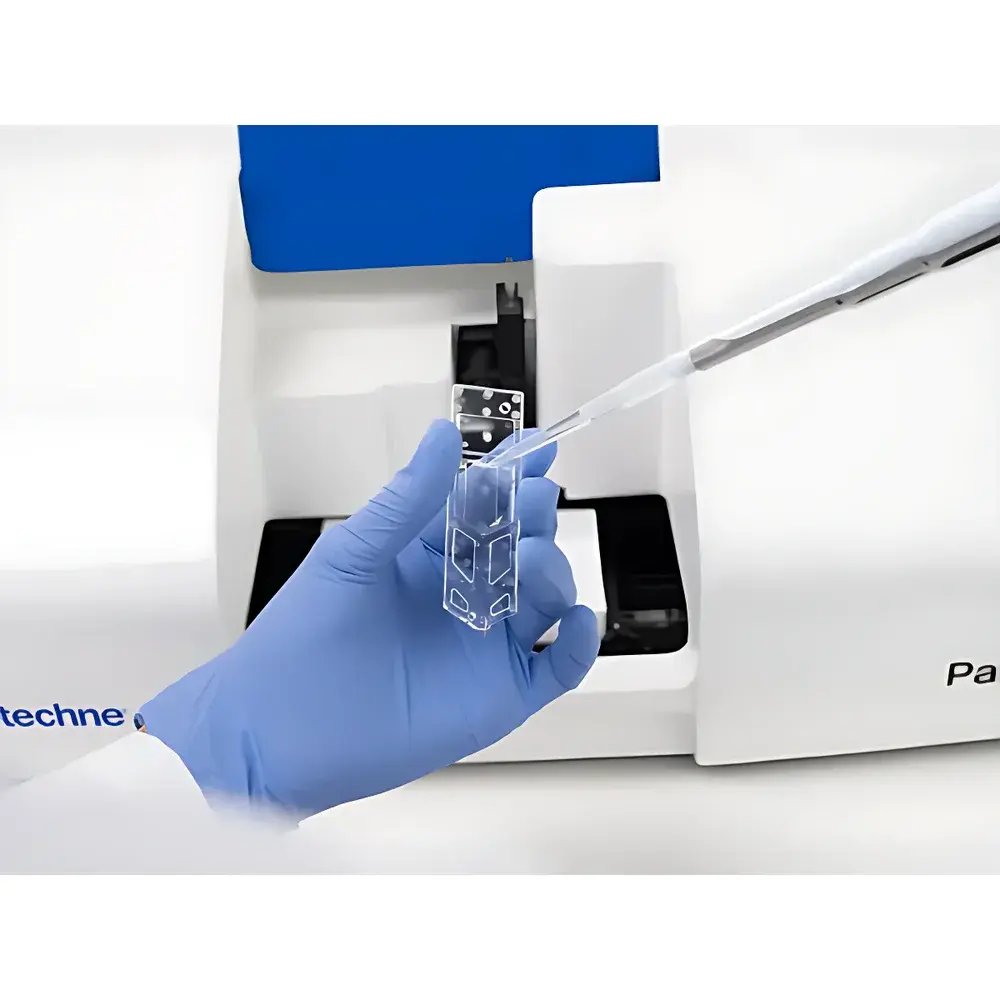
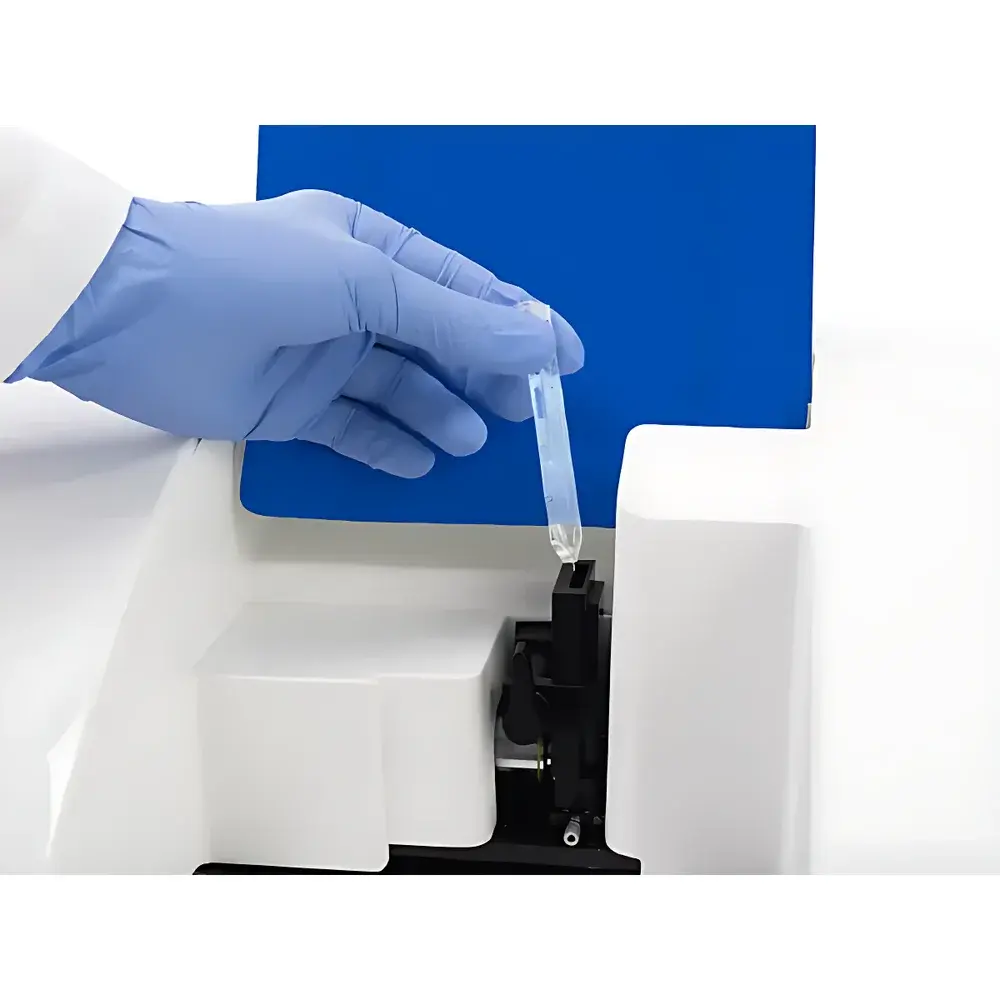
- Single-use, sterile, silicon-based microfluidic chips with integrated hydrodynamic focusing channels—eliminating carryover contamination between runs and enabling rapid transition between sample types without cleaning protocols.
- Real-time image-assisted verification mode: optional brightfield imaging confirms physical presence and morphology of each deposited cell prior to well sealing—supporting GLP-compliant documentation for regulatory submissions.
- Compact footprint (45 × 50 × 40 cm) designed for biosafety cabinets or shared core facility environments without dedicated HVAC or vibration isolation.
Sample Compatibility & Compliance
The Pala accommodates a broad range of suspension-based biological samples—including mammalian cell lines (HEK293, CHO), primary immune cells (PBMCs, TILs), stem cells (iPSCs, MSCs), yeast, and bacterial cultures—as long as they remain within the validated size range (5–35 µm diameter) and viscosity limits (≤1.5 cP). It complies with ISO 13485:2016 for medical device quality management systems and supports audit-ready data export aligned with FDA 21 CFR Part 11 requirements, including electronic signatures, immutable event logs, and time-stamped acquisition metadata. All disposable chips are manufactured under cleanroom conditions and certified sterile (ISO 11137), meeting USP sterility testing standards.
Software & Data Management
Controlled via PalaControl™ software (v3.2+), the system provides intuitive workflow-driven interface with preconfigured templates for common applications: monoclonal screening, rare-event enrichment, single-cell RNA-seq library prep, and CRISPR clone tracking. Raw fluorescence histograms, scatter plots, and gating history are stored in HDF5 format with embedded MIAME-compliant metadata. Export options include FCS 3.1 files compatible with FlowJo™ and Cytobank™, CSV-based well-mapping tables, and PDF reports containing instrument settings, QC metrics (CV of CV, signal-to-noise ratios), and sorting efficiency statistics. Audit trails record all user actions, parameter changes, and chip lot numbers—fully traceable for GMP-aligned bioprocess development and IND-enabling studies.
Applications
- Monoclonal antibody discovery: Direct deposition of antigen-positive B cells or hybridomas into 384-well plates with >99.9% confidence in singularity—reducing subcloning iterations by 70% compared to limiting dilution.
- Cancer liquid biopsy: Recovery of ultra-rare CTCs (frequency <0.1% in 100 µL whole blood) with preserved transcriptomic integrity—validated against ddPCR and scRNA-seq concordance.
- Cell therapy manufacturing: Isolation of edited CAR-T clones post-electroporation with live/dead discrimination and surface marker co-detection (e.g., CD3/CD4/CD8/EGFRt).
- Prenatal genetic screening: Non-invasive separation of intact fetal trophoblasts from maternal blood for downstream WGA and NIPS assay development.
- Phage display library screening: High-throughput sorting of phage-displayed scFv variants based on binding affinity and internalization kinetics—enabled by kinetic fluorescence readout integration.
- Single-cell multi-omics: Synchronized dispensing of matched nuclei and cytoplasmic fractions into adjacent wells for parallel ATAC-seq and RNA-seq library construction.
FAQ
What is the minimum viable input cell number for reliable single-cell recovery?
The Pala achieves robust single-cell isolation from inputs as low as 100 total cells—leveraging its high sensitivity photodetectors and zero-background dispensing chamber design.
Can the system be integrated into automated lab workflows?
Yes. The Pala supports standard RS-232 and Ethernet interfaces for bidirectional communication with LIMS and robotic arms (e.g., Hamilton STAR, Tecan Fluent) via ASCII command protocol and RESTful API endpoints.
How is cross-contamination prevented between sequential runs?
Each run uses a new sterile microfluidic chip; no fluidic path is reused. Chip ejection is automated, and the system performs positive-pressure air purge between runs to eliminate aerosol residue.
Is the Pala suitable for GMP environments?
It meets key GMP prerequisites: full electronic record retention, configurable user access levels, change control logs, and compatibility with IQ/OQ/PQ validation protocols per ASTM E2500-13.
Does the system require daily maintenance or alignment?
No routine optical alignment or fluidic recalibration is required. Preventive maintenance is limited to quarterly chip holder inspection and annual laser power calibration—documented in the included service logbook.
Related Products




