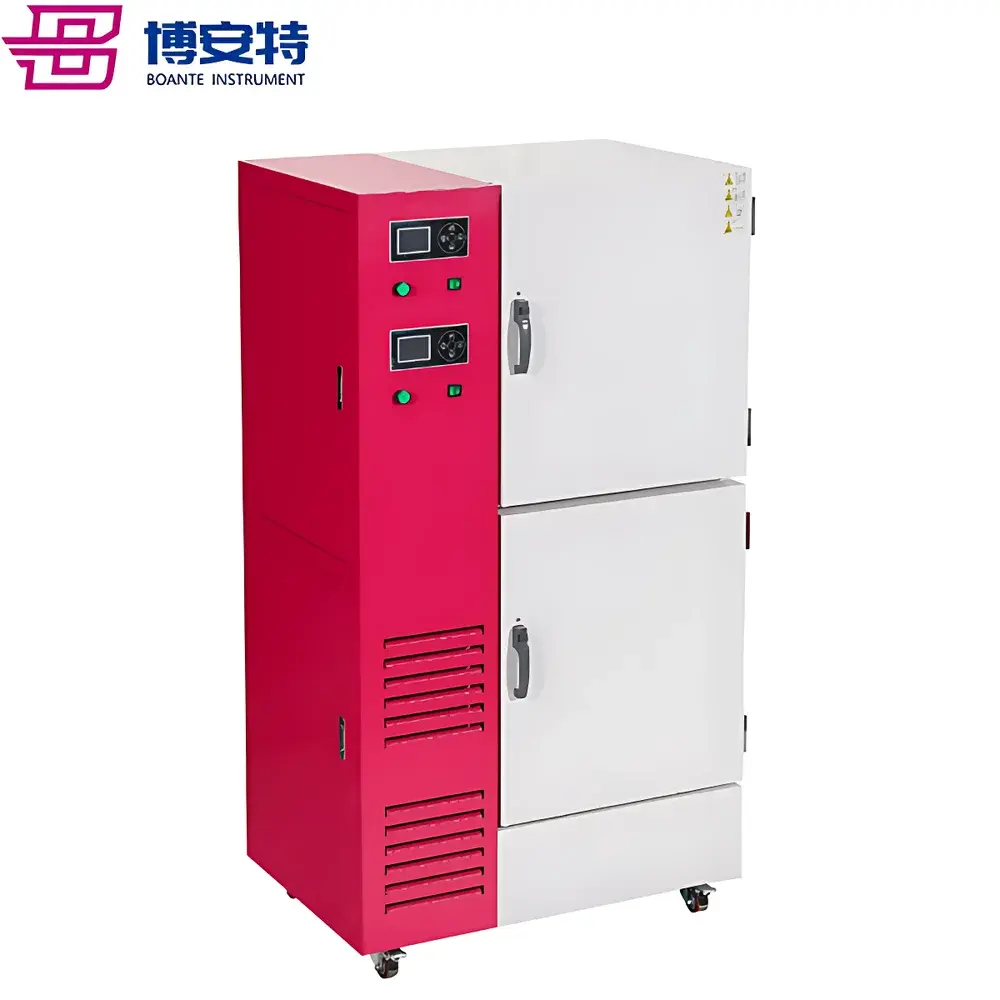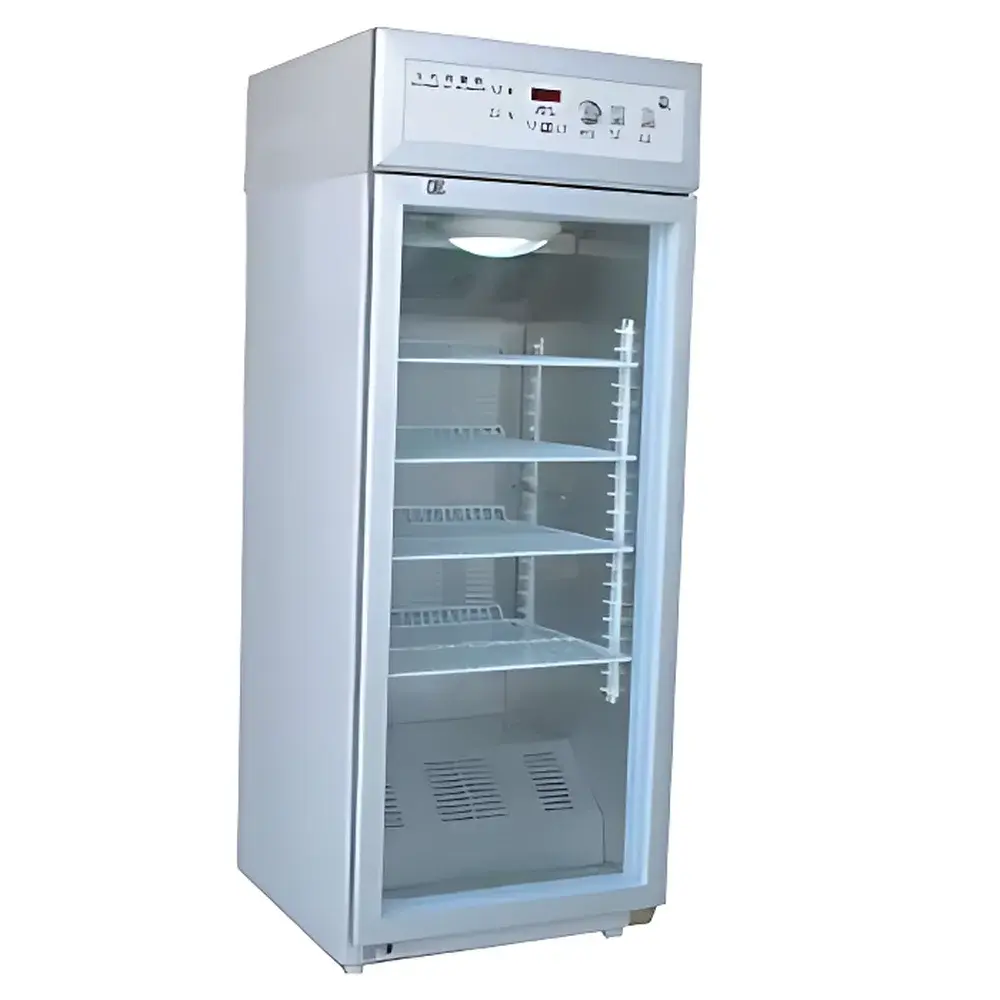
Biochemical Incubator Model 150A
| Origin | Jiangsu, China |
|---|---|
| Manufacturer Type | Authorized Distributor |
| Voltage | 220–230 V AC, 50–60 Hz |
| Temperature Range | 5–50 °C |
| Temperature Uniformity | ≤ ±1 °C |
| Temperature Stability (Fluctuation) | ≤ ±1 °C |
| Compressor Power | 230 W |
| Heating Power | 300 W |
| Control System | PID-based Digital Temperature Controller |
Overview
The Biochemical Incubator Model 150A is a precision-engineered environmental chamber designed for stable, long-term cultivation of microorganisms, cell lines, and biochemical reaction systems under tightly controlled thermal conditions. Utilizing a dual-mode thermoregulation architecture—combining Peltier-assisted cooling with resistive heating—the unit maintains consistent setpoint accuracy across its operational range of 5 °C to 50 °C. Its PID-based digital controller continuously monitors and adjusts thermal output in real time, minimizing overshoot and stabilizing chamber conditions within ±1 °C uniformity and ±1 °C fluctuation—performance benchmarks aligned with ISO 13408-2 (sterile processing) and ASTM E171 (standard specifications for environmental chambers). The incubator’s insulated double-wall construction, sealed inner chamber, and fan-assisted air circulation ensure minimal spatial gradient and reproducible experimental outcomes essential for enzyme kinetics studies, bacterial growth quantification, and reagent stability testing.
Key Features
- Dual-actuator temperature regulation: Independent compressor (230 W) and heating element (300 W) enable rapid equilibration and fine-grained control across the full 5–50 °C range
- PID digital controller with intuitive LED interface, offering programmable setpoints, ramp-hold profiles, and real-time display of actual vs. target temperature
- High-efficiency insulation system with polyurethane foam walls (≥50 mm thickness) and magnetic door seal to minimize thermal leakage and energy consumption
- Internal chamber constructed from corrosion-resistant stainless steel (AISI 304), facilitating cleaning, sterilization, and compatibility with common lab disinfectants
- Quiet operation (<55 dB(A) at 1 m) due to optimized fan design and vibration-dampened compressor mounting—suitable for shared laboratory environments
- Over-temperature and over-current protection circuits compliant with IEC 61010-1 safety standards for laboratory electrical equipment
Sample Compatibility & Compliance
The Model 150A accommodates standard laboratory vessels including Petri dishes, culture flasks (up to 2 L), multi-well plates, and glass or plastic sample racks. Its interior volume (150 L net capacity) supports stacked shelving configurations with adjustable height spacing (75 mm increments), enabling flexible load distribution without compromising airflow integrity. The unit meets key regulatory expectations for non-GMP research environments, including traceable calibration capability (via optional external probe port), documentation-ready operational logs (when paired with compatible data acquisition modules), and physical design features supporting GLP-aligned workflows—such as door-open alarms and temperature deviation alerts. While not certified for clinical or pharmaceutical manufacturing use, it conforms to general-purpose incubation requirements outlined in USP , CLSI M22-A3, and ISO/IEC 17025 clause 5.4.2 for equipment suitability verification.
Software & Data Management
The incubator operates as a standalone instrument with embedded firmware; no proprietary software is required for basic operation. However, it includes an RS-232 serial interface (optional USB-to-serial adapter available) for integration into centralized lab monitoring networks. When connected to validated third-party data logging platforms (e.g., LabVIEW, WinCC OA, or custom Python-based SCADA systems), users can configure automated temperature recording at user-defined intervals (1 s to 60 min), generate CSV-exportable audit trails, and trigger email/SMS notifications upon threshold violation. All logged data retains timestamping synchronized to UTC, supporting retrospective analysis and alignment with FDA 21 CFR Part 11 principles when deployed with appropriate electronic signature and access control layers.
Applications
- Bacterial and fungal culture maintenance in microbiology labs, including routine QC testing per AOAC and APHA guidelines
- Enzyme activity assays requiring precise thermal incubation during substrate conversion phases
- Protein denaturation and renaturation studies where narrow thermal windows dictate structural outcome
- Stability assessment of diagnostic reagents, antibodies, and lyophilized formulations per ICH Q1A(R2)
- Educational use in undergraduate life science curricula for hands-on microbial growth curve analysis
- Pre-incubation conditioning of samples prior to downstream analytical techniques such as HPLC, ELISA, or qPCR
FAQ
Is the Model 150A suitable for CO₂-controlled applications?
No. This unit provides only temperature-controlled ambient air incubation and does not support gas mixing, humidification, or CO₂ concentration regulation.
Can the incubator be calibrated internally?
Yes—users may perform field calibration using a NIST-traceable reference thermometer inserted through the dedicated sensor port, following the procedure outlined in the included calibration protocol document.
What is the expected service life under continuous operation?
With routine maintenance (condenser coil cleaning every 6 months, door gasket inspection annually), the unit is rated for ≥15,000 hours of operational duty cycle, consistent with IEC 60068-2-64 accelerated life testing standards.
Does the unit include a print-out function for temperature logs?
Not natively. Hard-copy output requires connection to an external thermal printer via RS-232 or integration with a PC-based logging application.
Is remote monitoring supported out-of-the-box?
Remote viewing and control are not built-in but achievable via optional Ethernet gateway modules and compatible IoT middleware platforms configured per institutional IT security policies.