
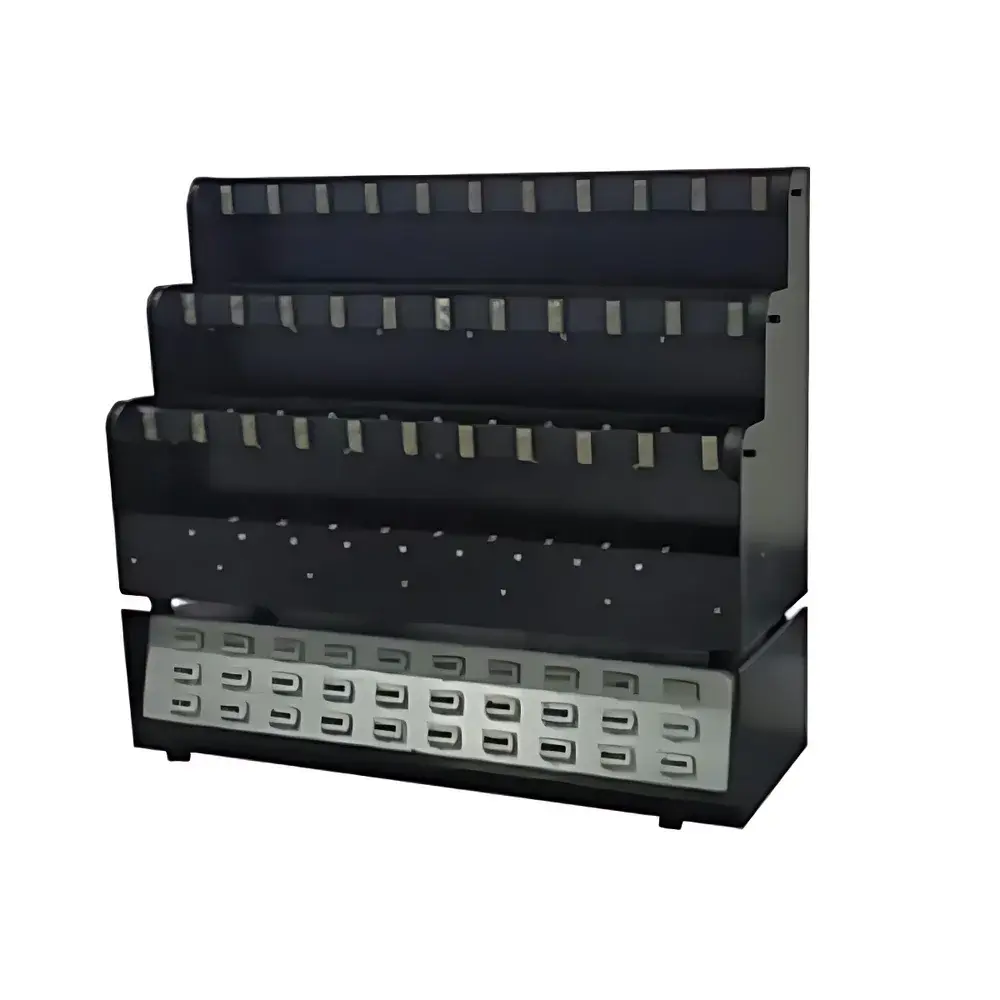
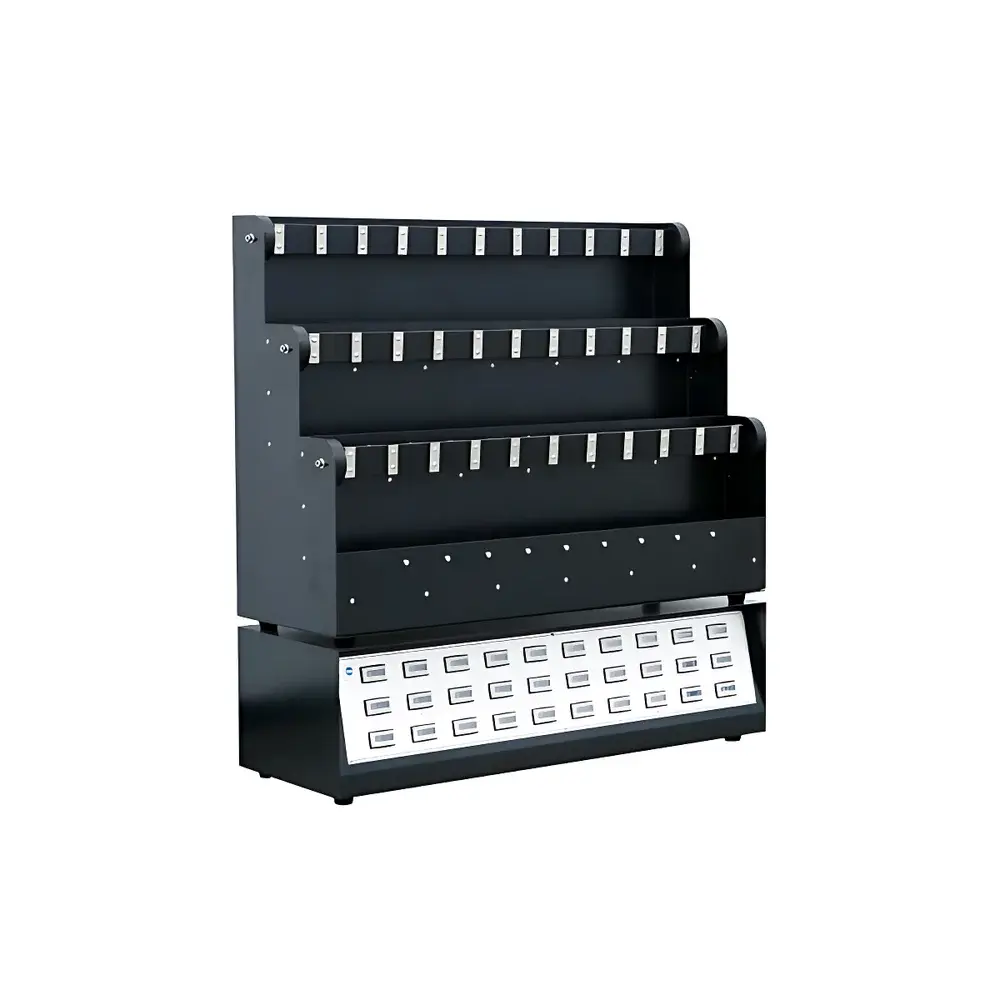
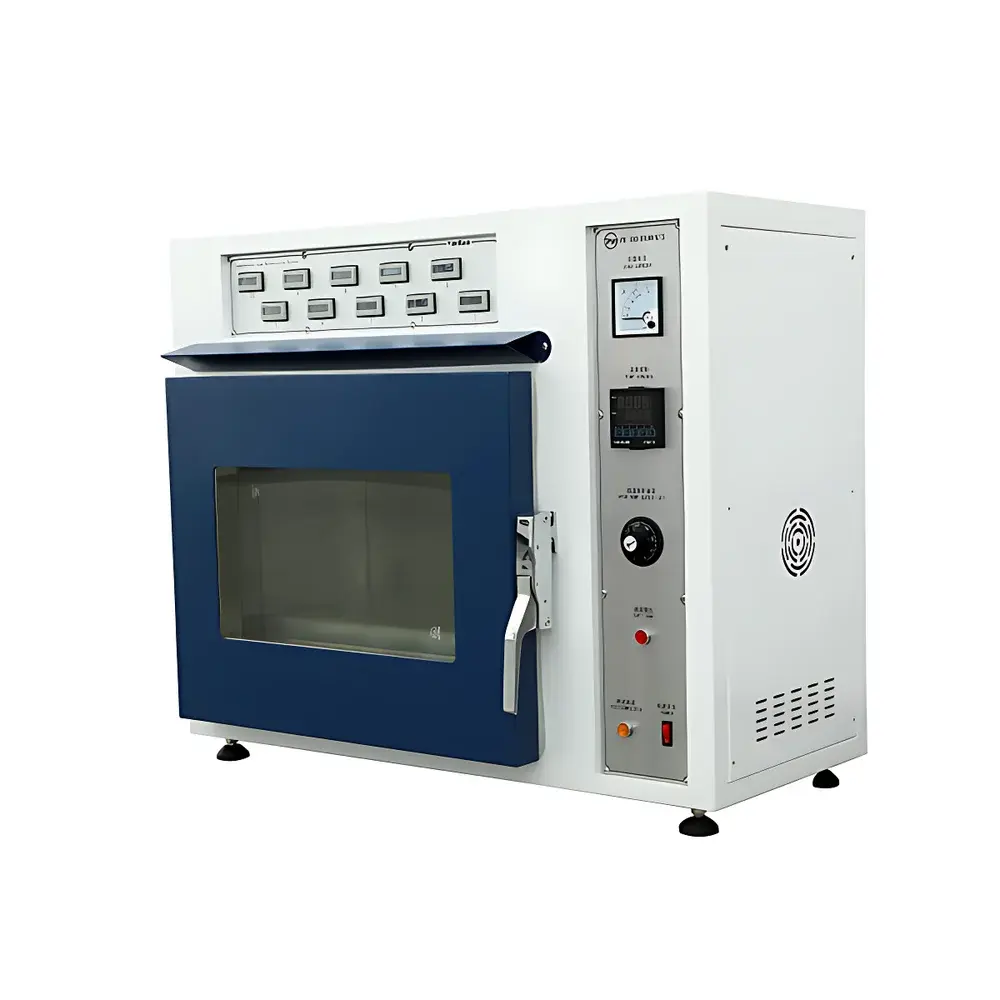
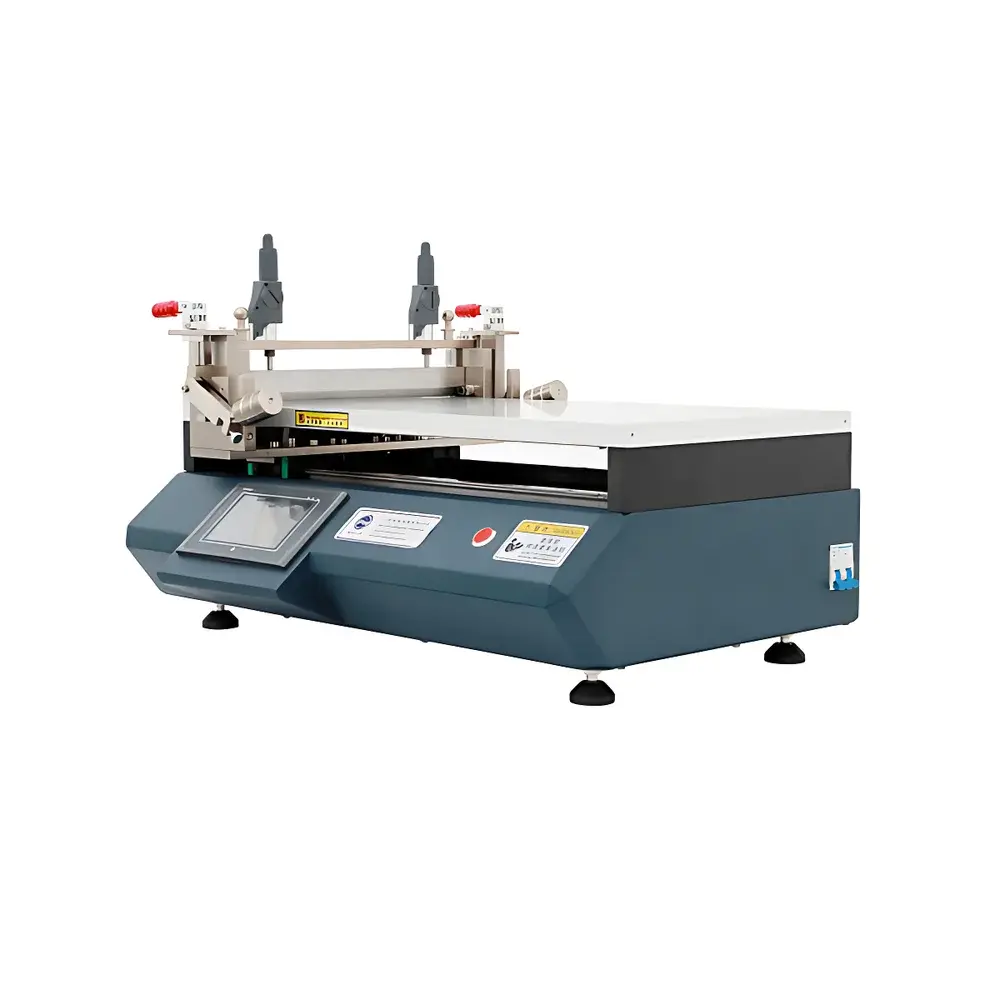
Brookfield PW-SS30C Multi-Angle Room-Temperature Holding Power Tester for Adhesive Tapes and Films
| Brand | PW |
|---|---|
| Origin | Guangdong, China |
| Manufacturer Type | Authorized Distributor |
| Country of Origin | China |
| Model | PW-SS30C |
| Instrument Category | Holding Power Tester (Static Adhesion) |
| Test Stations | 30 |
| Timer Resolution | 0.1 min |
| Max Timer Range | 999999.9 min |
| Standard Weight | 1 kg (interchangeable weights available) |
| Test Angles | 90° and 180° (adjustable) |
| Frame Material | Powder-Coated Steel Sheet |
| Damping System | Dual Spring Isolation with Fall-Prevention Guard Rails |
| Stainless Steel Test Plates | 30 pcs |
| Connecting Links | 30 pcs |
| Dimensions (W×D×H) | 94 × 33 × 70 cm |
| Net Weight | 110 kg |
| Compliant Standards | GB/T 2792, GB/T 4851, PSTC-7, CNS 11888 |
Overview
The Brookfield PW-SS30C Multi-Angle Room-Temperature Holding Power Tester is an engineered solution for quantifying the static adhesion performance of pressure-sensitive adhesives (PSAs), including tapes, labels, protective films, and transfer adhesives under controlled ambient conditions. Based on the principle of constant-load shear creep measurement—where a defined mass applies sustained tensile or peel stress to a bonded specimen—the instrument measures time-to-failure (slippage) or displacement magnitude over extended durations. Unlike dynamic peel or tack testers, this system operates exclusively in static mode, replicating real-world mounting, splicing, or temporary bonding scenarios where long-term load retention is critical. Its dual-angle configuration (90° vertical pull and 180° back-peel geometry) enables comparative evaluation per internationally recognized test protocols, supporting both quality control laboratories and R&D departments in adhesive formulation development and regulatory documentation.
Key Features
- Simultaneous 30-station testing architecture ensures high-throughput batch evaluation without operator intervention during test cycles.
- Electronically controlled digital timer with 0.1-minute resolution and non-volatile memory retains elapsed time data even after power interruption; internal backup battery maintains clock integrity.
- Modular angle adjustment mechanism allows rapid switching between 90° (tensile shear) and 180° (controlled peel) configurations, each conforming to ASTM D3654/D3654M and ISO 29862 annexes.
- Structural rigidity achieved via powder-coated steel sheet frame and integrated dual-spring damping system minimizes environmental vibration transmission, ensuring measurement repeatability across extended durations (>100 h).
- Fall-prevention guard rails and reinforced connecting links eliminate risk of weight dislodgement during prolonged tests, meeting ISO/IEC 17025 laboratory safety prerequisites.
- All contact surfaces—including 30 stainless steel test plates and corresponding linkages—are precision-machined and passivated to prevent corrosion-induced variability in surface energy or bond-line consistency.
Sample Compatibility & Compliance
The PW-SS30C accommodates standard PSA specimens per GB/T 4851 (peel adhesion), GB/T 2792 (bond strength), PSTC-7 (pressure-sensitive tape holding power), and CNS 11888 (adhesive film retention). Specimen width is standardized at 25 mm; length must exceed 100 mm to ensure full engagement with the test plate. Compatible substrates include stainless steel (SS304, Ra ≤ 0.8 µm), aluminum alloy (6061-T6), and specified polymer films used in medical device packaging or electronics protection. The system supports traceability requirements under GLP and GMP environments through documented calibration records and mechanical verification per ISO 17025 Clause 6.5. All test reports generated—whether manually recorded or exported via optional RS-232 interface—can be aligned with FDA 21 CFR Part 11 audit trail provisions when paired with compliant LIMS software.
Software & Data Management
While the PW-SS30C operates as a stand-alone mechanical-electronic tester, its timer output supports analog voltage signal export (0–5 V DC proportional to elapsed time) for integration into third-party data acquisition systems (e.g., LabVIEW, MATLAB, or custom SCADA platforms). Optional firmware upgrades enable timestamped CSV log generation via USB interface, embedding test ID, angle mode, weight value, and failure threshold flags. All firmware revisions undergo functional verification against NIST-traceable timing references, and version history is retained in onboard EEPROM for regulatory review. No proprietary software installation is required; raw time data remains fully human-readable and exportable without vendor lock-in.
Applications
- Quality assurance of masking tapes, double-sided foams, and automotive trim adhesives subjected to vertical wall-mounting loads.
- Comparative screening of acrylic vs. rubber-based PSAs for electronics assembly jigs requiring >72 h static hold at 23°C ± 2°C / 50% RH ± 5%.
- Validation of low-surface-energy film adhesion on polyolefin substrates in packaging line trials.
- Supporting ISO 10993-5 cytotoxicity pre-screening by correlating adhesive migration onset with holding time degradation profiles.
- Generating technical dossiers for CE marking submissions under EU Medical Device Regulation (MDR 2017/745) Annex I General Safety and Performance Requirements.
FAQ
What standards does the PW-SS30C directly support?
GB/T 2792, GB/T 4851, PSTC-7, and CNS 11888 are fully implemented through mechanical design and angular calibration. Optional calibration certificates reference ISO/IEC 17025-accredited labs.
Can weights other than 1 kg be used?
Yes—standardized M6 threaded interfaces accept optional calibrated masses ranging from 0.5 kg to 5 kg, all traceable to national metrology institutes.
Is temperature control integrated?
No. The system is designed strictly for room-temperature operation (20–25°C ambient); users requiring thermal conditioning must pair it with externally controlled environmental chambers.
How is test failure detected?
Failure is defined manually upon visual observation of ≥2 mm slippage or complete detachment; no optical sensors or automated triggers are included in base configuration.
What maintenance is required?
Quarterly inspection of spring preload tension, annual verification of angle alignment with digital inclinometer, and biannual cleaning of stainless steel plates with isopropyl alcohol.



