
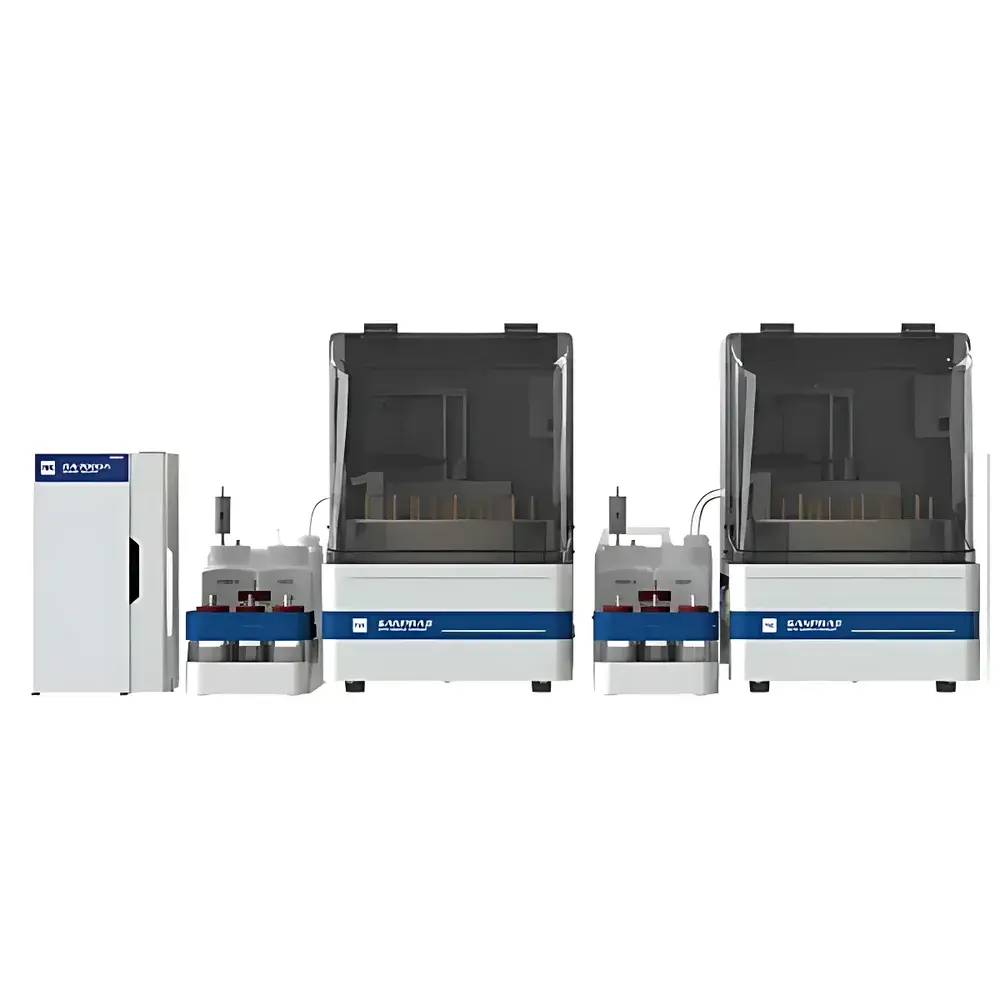
Brookfield RA-7000A Automated Mercury Analyzer
| Brand | Brookfield |
|---|---|
| Origin | Beijing, China |
| Manufacturer Type | Original Equipment Manufacturer (OEM) |
| Instrument Type | Benchtop Laboratory Analyzer |
| Measurement Principle | Cold Vapor Atomic Absorption Spectrometry (CVAAS) |
| Detection Limit | 0.5 ppt (pre-digested), 5 ppt (direct aqueous) |
| Range | 0–2000 ng per 5 mL sample |
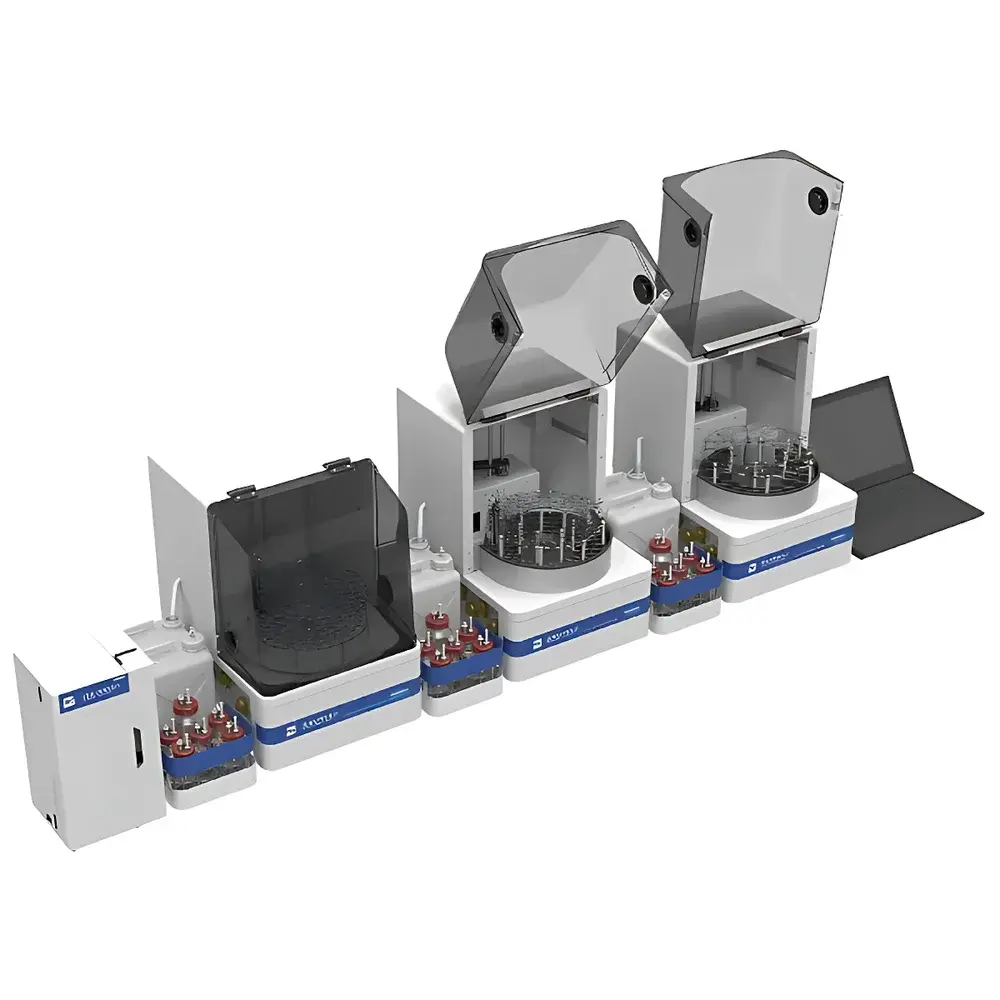
| Sample Throughput | Up to 240 samples per run (with three SANPRA™ 3 units) |
| Compliance | EPA 245.1, EPA 245.2, EPA 245.5, EPA 7470A, EPA 7471B, ASTM D3223-17, ISO 12846, EN 1483, APHA 3112B, JIS K0102, GB/T 5750.6–2023 Method II, HJ 597–2011 |
Overview
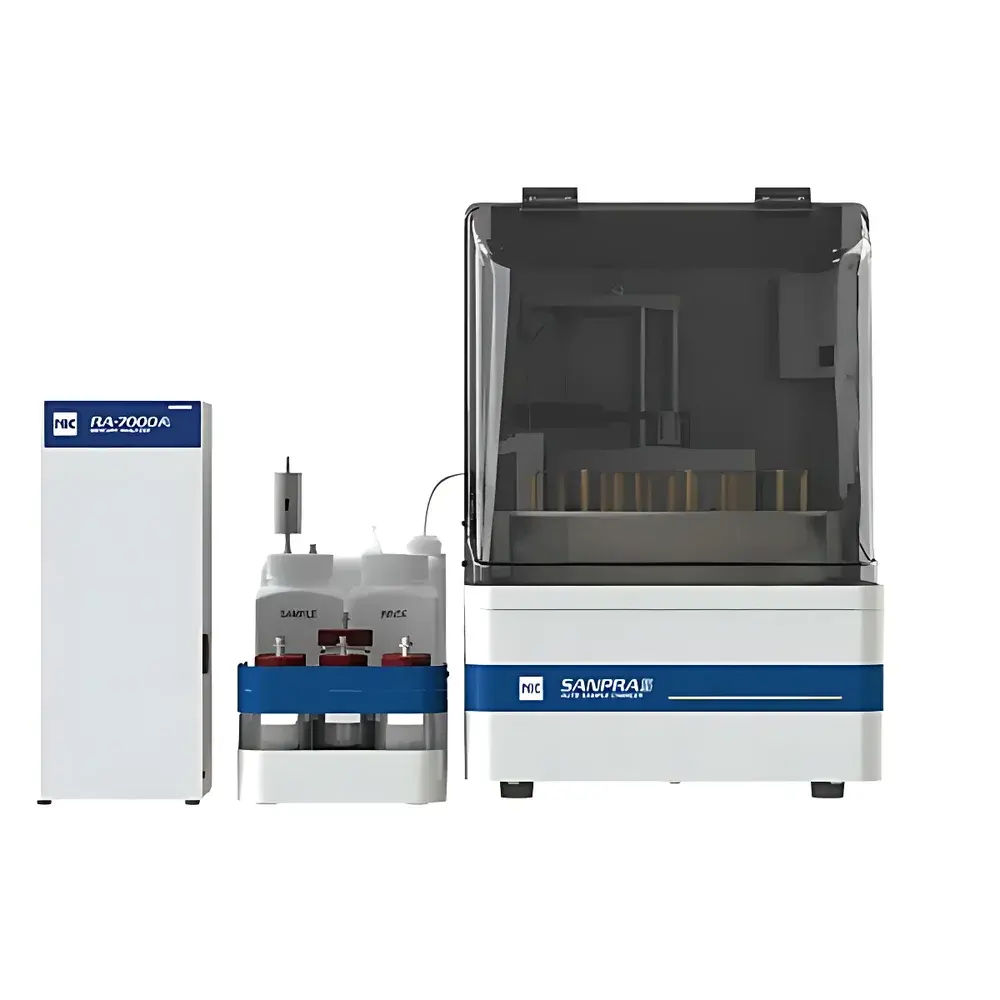
The Brookfield RA-7000A Automated Mercury Analyzer is a benchtop laboratory instrument engineered for trace-level mercury quantification in environmental, industrial, and regulatory compliance laboratories. It employs Cold Vapor Atomic Absorption Spectrometry (CVAAS), a reference-grade analytical technique endorsed by the U.S. Environmental Protection Agency (EPA), ISO, ASTM, and APHA for total mercury determination. The RA-7000A implements discrete direct purge (DDP) technology—a robust sample introduction method wherein each sample is processed individually in a sealed, isolated reaction tube. This architecture eliminates cross-contamination and carryover between analyses, addressing the primary challenge in mercury analysis: memory effects caused by adsorption of elemental mercury (Hg⁰) on wetted surfaces in acidic matrices. Unlike continuous-flow or flow-injection systems, DDP ensures that only Hg⁰ vapor—generated in situ via chemical reduction—is transferred to the quartz cell of the dual-beam non-dispersive atomic absorption detector. This design delivers high reproducibility (<2% RSD at 10 ng/L), long-term baseline stability, and compatibility with stringent quality assurance protocols including GLP and GMP.
Key Features
- Discrete Direct Purge (DDP) sample introduction system—eliminates inter-sample mercury carryover and minimizes memory effect in acidic digestates
- Dual-beam non-dispersive CVAAS detection architecture with integrated mercury-specific hollow cathode lamp and temperature-stabilized quartz absorption cell
- Modular automation platform supporting up to three SANPRA™ autosamplers simultaneously (total capacity: 240 samples per unattended run)
- Configurable gas modules—including NIC RH module—for direct analysis of gaseous mercury collected on gold-coated traps (e.g., EPA Method 29, ISO 12846)
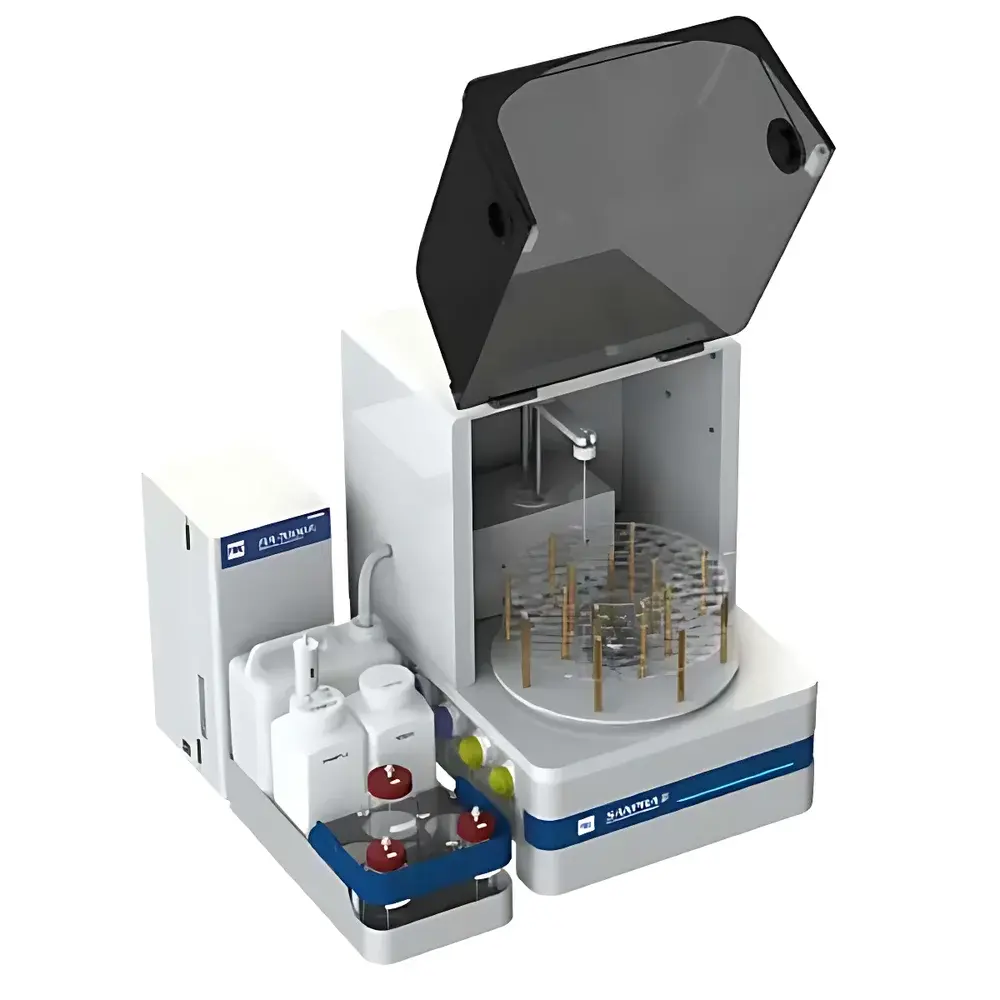
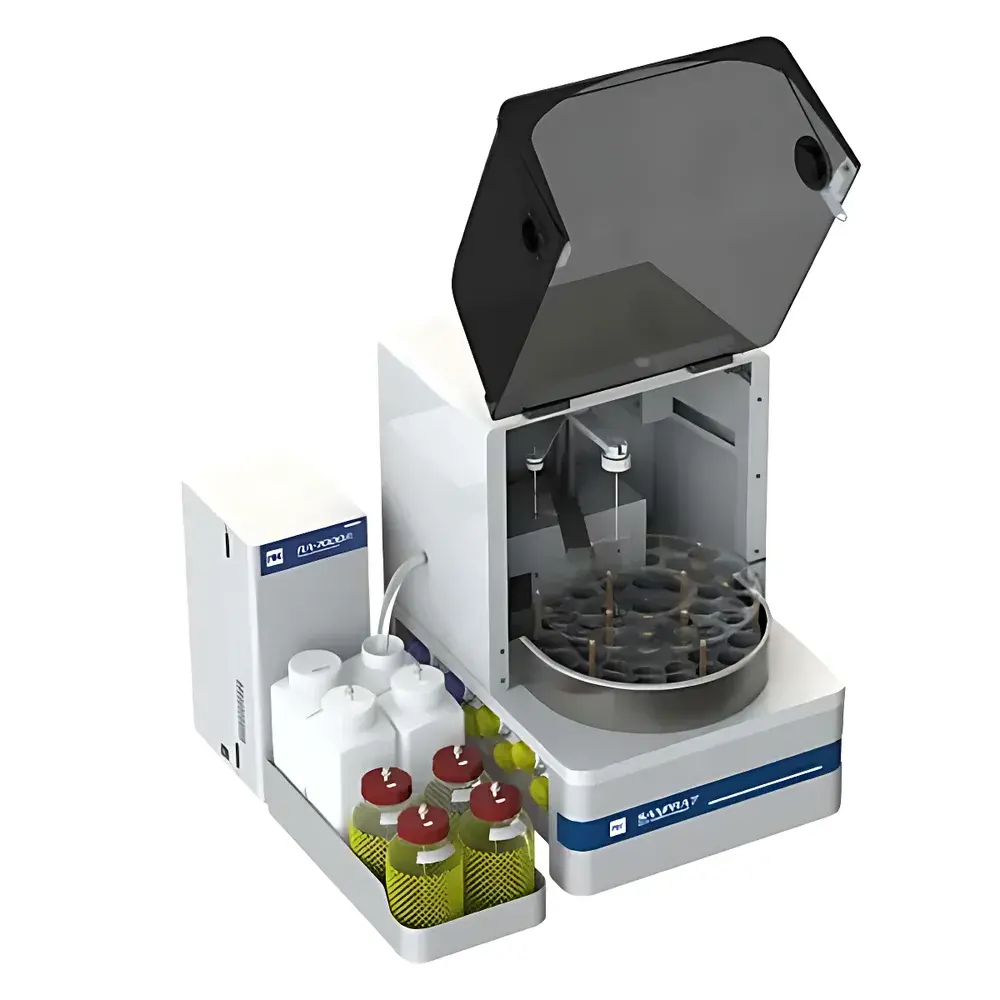
- Expandable hardware architecture: field-upgradable to integrate SANPRA™ 3 (liquid post-digestion), SANPRA™ 5 (fully automated wet digestion + reduction), or SANPRA™ 7 (solid-sample microwave-assisted digestion)
- Detection limit of 0.5 ppt (ng/L) in pre-digested aqueous matrices; 5 ppt in direct aqueous analysis—verified per EPA 245.1 protocol
- Linear dynamic range spanning 0–2000 ng absolute mercury per 5 mL sample volume
Sample Compatibility & Compliance
The RA-7000A accommodates diverse sample types through interchangeable SANPRA™ modules. SANPRA™ 3 handles up to 80 pre-digested liquid samples (e.g., filtered wastewater, drinking water, seawater extracts). SANPRA™ 5 performs fully automated acid digestion (HNO₃/H₂SO₄/KMnO₄), oxidation quenching (hydroxylamine chloride), and SnCl₂-mediated reduction—conforming to EPA 7470A, APHA 3112B, and GB/T 5750.6–2023 Method II. SANPRA™ 7 enables closed-vessel microwave digestion of solids (soils, sediments, biological tissues), followed by quantitative Hg²⁺ → Hg⁰ conversion. All configurations comply with internationally recognized standard methods, including ISO 12846 (water), EN 1483 (sludge), JIS K0102 (industrial effluents), and ASTM D3223-17 (petroleum products). Instrument validation data supports audit readiness for ISO/IEC 17025-accredited laboratories and FDA 21 CFR Part 11-compliant environments when paired with compliant software.
Software & Data Management
The RA-7000A operates under Brookfield MercurySuite™ v4.x—a validated, audit-trail-enabled software platform designed for regulated environments. It provides full electronic record retention, user role-based access control (RBAC), and automatic generation of raw signal chromatograms, calibration curves, QC reports (spike recovery, LCS, MDL verification), and method-specific compliance summaries. All data modifications are timestamped and attributed to authenticated users. MercurySuite™ supports 21 CFR Part 11 compliance through digital signatures, electronic audit trails, and secure data archiving. Export formats include CSV, PDF, and XML for LIMS integration. Calibration routines follow multi-point linear/non-linear regression with forced zero intercept where required by EPA methods. System suitability checks—including lamp energy monitoring, purge efficiency verification, and blank drift assessment—are embedded in every analytical sequence.
Applications
The RA-7000A serves laboratories conducting routine mercury monitoring across environmental, pharmaceutical, food safety, and industrial hygiene domains. Key use cases include: quantification of total mercury in municipal drinking water per EPA 245.1 and GB/T 5750.6–2023; speciation-independent total Hg in wastewater discharges subject to NPDES permits; analysis of mercury in marine sediment porewater and estuarine biota extracts; verification of mercury removal efficiency in activated carbon filtration systems; and regulatory testing of mercury in coal combustion residuals (CCR) per EPA Method 7471B. Its modular design also supports research applications such as mercury flux studies in atmospheric deposition collectors (using NIC RH module) and bioaccumulation assays requiring high-throughput screening of tissue homogenates.
FAQ
What mercury species does the RA-7000A measure?
The RA-7000A quantifies total mercury (HgT)—including inorganic Hg²⁺, methylmercury (CH₃Hg⁺), and other organomercury compounds—after complete oxidative digestion and quantitative reduction to elemental Hg⁰.
Is the instrument compatible with EPA Method 1631E?
Yes—the RA-7000A with SANPRA™ 5 satisfies all instrumental performance criteria in EPA Method 1631E when operated with appropriate blanks, spikes, and matrix modifiers.
Can it analyze solid samples without manual digestion?
Yes—SANPRA™ 7 provides fully automated microwave-assisted digestion of soils, sludges, and biological tissues, eliminating manual handling and improving reproducibility.
How is carryover minimized during high-concentration sample analysis?
DDP technology isolates each sample in a dedicated reaction tube; only Hg⁰ vapor—not bulk solution—is purged into the optical path, preventing surface adsorption and residual contamination.
Does the system support remote diagnostics and preventive maintenance alerts?
Yes—MercurySuite™ includes real-time instrument health monitoring, lamp lifetime tracking, gas flow diagnostics, and scheduled maintenance notifications aligned with ISO/IEC 17025 preventive maintenance requirements.
Related Products






