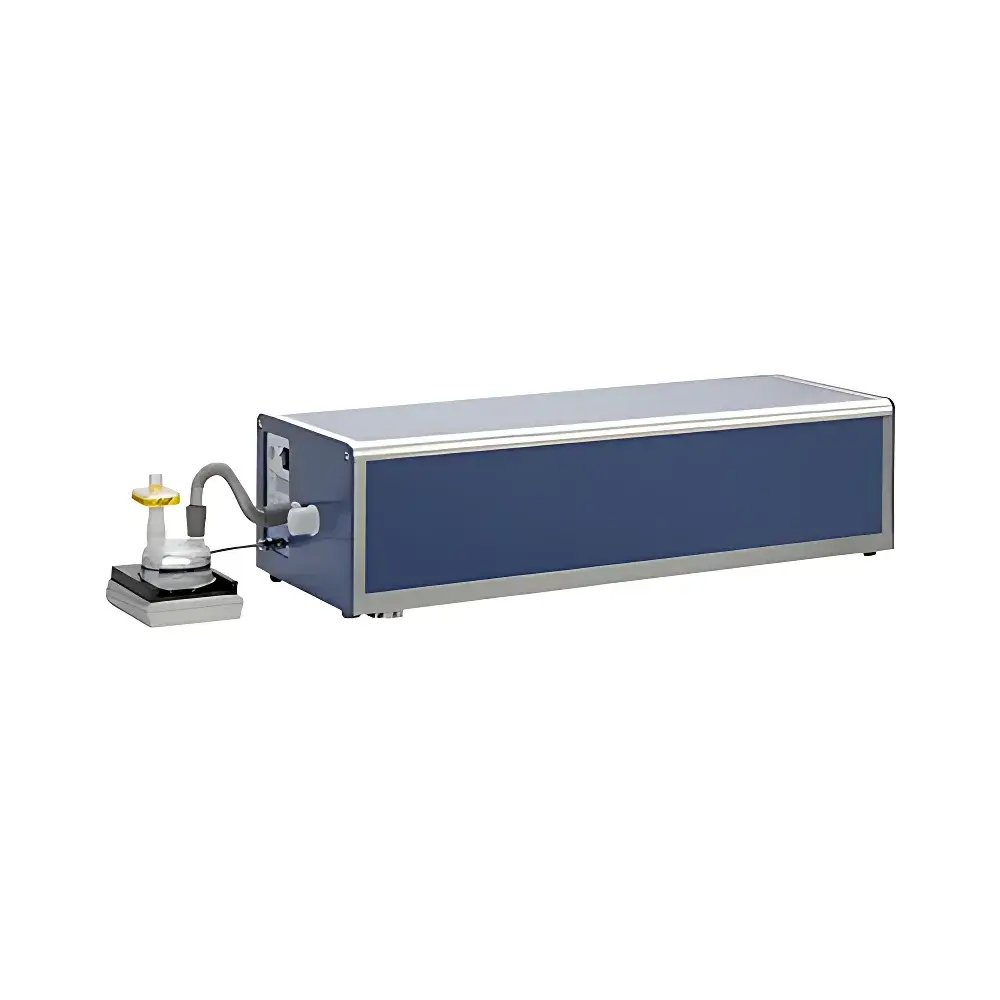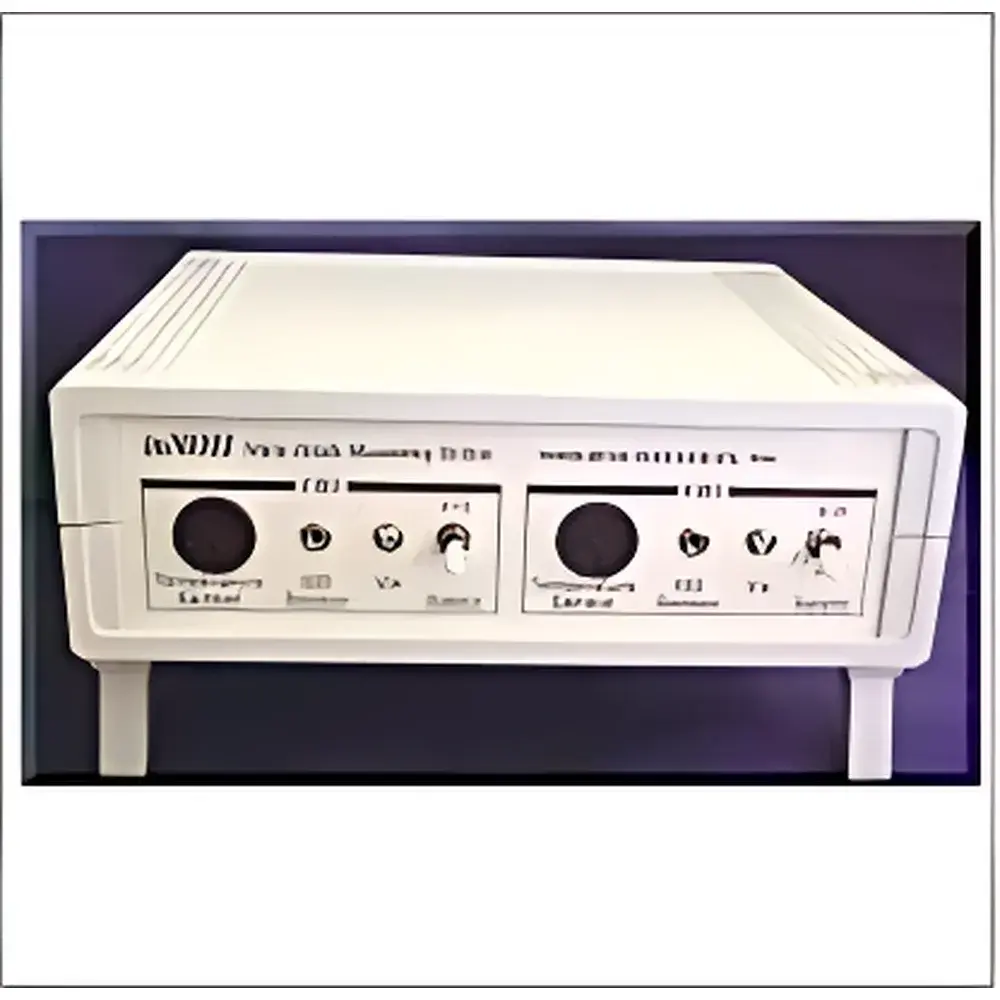
BTX inNO Model-T-II Four-Channel Nitric Oxide Monitoring System
| Brand | BTX |
|---|---|
| Origin | USA |
| Manufacturer Type | Authorized Distributor |
| Product Origin | Imported |
| Model | inNO Model-T-II |
| Pricing | Upon Request |
Overview
The BTX inNO Model-T-II is a high-precision, battery-powered electrochemical monitoring system engineered for real-time, quantitative detection of nitric oxide (NO) in physiological and pharmacological research environments. It operates on the principle of amperometric detection using selective NO-sensitive electrodes, where NO oxidation at a working electrode generates a current proportional to its concentration—typically measured in picoamperes (pA) and converted to nanomolar (nM) units via calibrated sensitivity factors. The system integrates dual NO measurement channels and dual temperature-sensing channels within a single compact chassis, enabling simultaneous, independent acquisition of NO kinetics and thermal drift compensation—a critical advancement over conventional single-channel or non-compensated NO analyzers. Its architecture eliminates baseline drift induced by ambient or sample temperature fluctuations, thereby extending reliable detection limits to sub-0.01 nM levels. Designed for GLP-compliant laboratories and preclinical research settings, the Model-T-II meets the functional requirements of ISO 13485-aligned instrumentation workflows and supports audit-ready data integrity when used with validated software configurations.
Key Features
- Four independently configurable channels: two dedicated to NO detection, two to temperature monitoring (J-type thermocouple input, tip diameter <1 mm)
- Proprietary amiNO-series integrated sensors—no external reference electrode required—featuring triple-layer gas-permeable membrane technology for enhanced selectivity, rapid response (<5 s t90), and immunity to electrical/ambient noise
- 24-bit analog-to-digital converter providing 16,000,000:1 dynamic range and 0.1 pA current resolution (equivalent to 0.01 nM NO at standard calibration)
- Embedded digital notch filter and real-time temperature compensation algorithm to suppress thermal artifact-induced baseline drift
- Long-life replaceable battery pack rated for up to five years of continuous operation—ideal for isolated lab environments, field studies, or mobile experimental setups
- RS-232 serial interface compatible with Windows 95 through Windows XP/NT; no USB or driver dependencies
- Auto-zeroing function and one-step sensor calibration protocol—no hazardous reagents or external calibration gases required
Sample Compatibility & Compliance
The inNO Model-T-II is validated for use with biological matrices including cell culture supernatants, tissue homogenates, isolated organ perfusates, and microdialysates. Sensor configurations (amiNO-2000, amiNO-IV, amiNO-FLAT) support both in vitro (e.g., endothelial monolayers) and limited in vivo applications (e.g., intravascular or subcutaneous probe placement). All hardware and firmware comply with IEC 61010-1 safety standards for laboratory equipment. While not FDA-cleared for diagnostic use, the system adheres to analytical validation principles outlined in USP and supports 21 CFR Part 11–compatible data handling when deployed with appropriately configured software logging and user access controls.
Software & Data Management
The included Windows-native acquisition and analysis suite provides menu-driven control for continuous recording (>30 days), real-time waveform display (7.5-digit meter resolution), and post-acquisition processing—including derivative calculation, peak integration, and time-stamped event annotation. Data files are saved in ASCII-compatible format for third-party statistical or modeling software import. The software implements timestamped audit trails for instrument configuration changes and calibration events—supporting traceability in regulated research environments. Digital filtering parameters (cutoff frequency, Q-factor) are adjustable per channel, and recording speed is configurable from 1 sec/div to 1000 sec/div.
Applications
- Endothelial NO synthase (eNOS) activity profiling in vascular biology studies
- Real-time NO release kinetics during pharmacological stimulation (e.g., acetylcholine, calcium ionophores)
- Neuroinflammatory NO dynamics in primary neuronal/glial co-cultures
- Validation of NO-scavenging compounds or NOS inhibitors in dose-response assays
- Temperature-coupled NO flux analysis in hypothermic or hyperthermic experimental models
- Method development for NO quantification in compliance with ASTM E2912-13 (Standard Guide for Electrochemical Sensors in Biological Media)
FAQ
Does the inNO Model-T-II require external power during operation?
No—it operates exclusively on its internal long-life battery pack, eliminating dependency on AC mains and enabling deployment in shielded rooms or mobile labs.
Can the system be used with third-party NO sensors?
Yes—amiNO-series sensors are interoperable with legacy inNO-T platforms; however, full temperature compensation and auto-zero functionality are only guaranteed with BTX-certified amiNO sensors.
Is the software compliant with 21 CFR Part 11?
The base software does not include electronic signature or role-based access modules out-of-the-box, but it supports integration into validated IT infrastructures when paired with enterprise-level identity management and encrypted storage solutions.
What is the minimum detectable NO concentration under optimal conditions?
With amiNO-2000 sensor and proper calibration, the system achieves a practical limit of detection (LOD) of 0.01 nM (10 pM) in low-noise, temperature-stabilized environments.
How often must the sensor be recalibrated?
Calibration is recommended before each experimental session or after sensor replacement; stability testing shows ≤2% signal drift over 72 hours under constant conditions.