
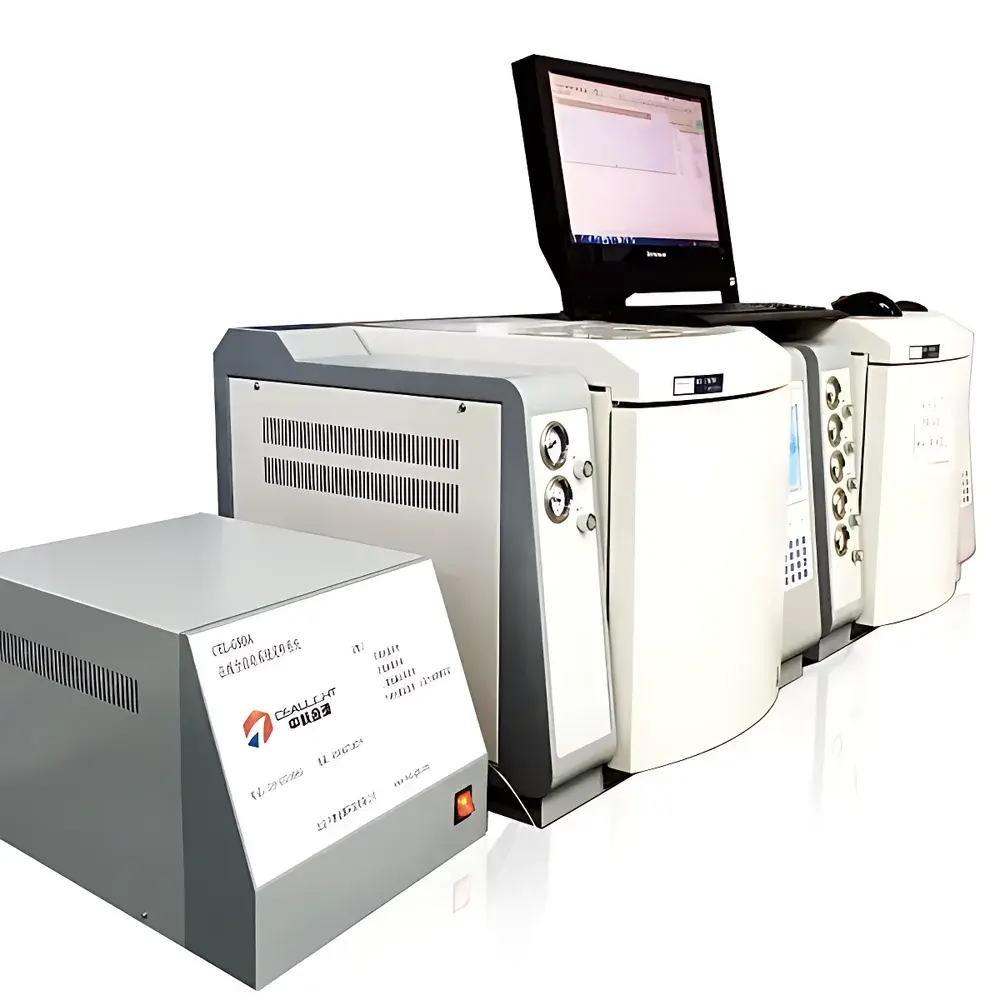
CEL-GSOA-7 Automated Ultra-Micro Photocatalytic Activity Evaluation System
| Brand | CEA (Zhongjiaojinyuan) |
|---|---|
| Origin | Beijing, China |
| Manufacturer Type | Direct Manufacturer |
| Country of Origin | China |
| Model | CEL-GSOA-7 |
| Price | USD 11,400 (approx. based on ¥82,200 at 7.2 USD/CNY) |
Overview
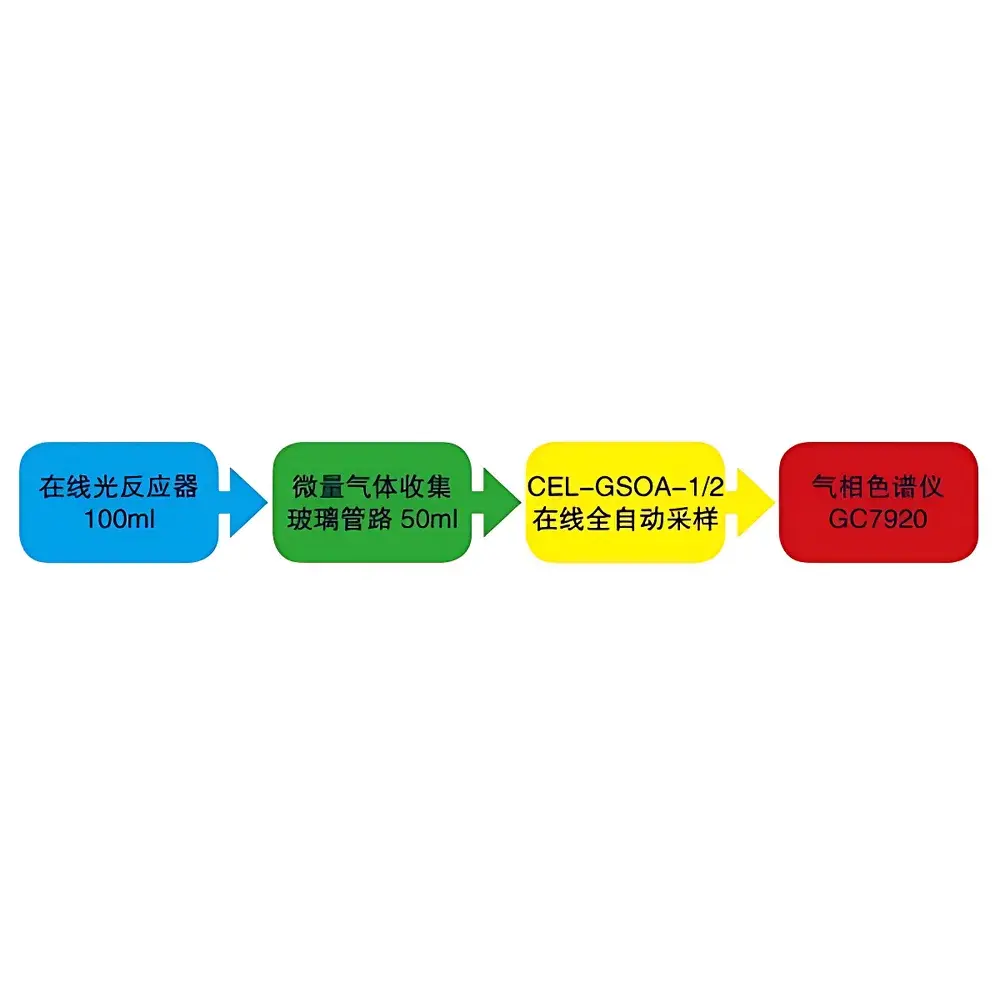
The CEL-GSOA-7 Automated Ultra-Micro Photocatalytic Activity Evaluation System is a purpose-engineered benchtop platform for quantitative, high-sensitivity gas-phase photocatalytic activity assessment under controlled irradiation conditions. It operates on the principle of real-time or time-interval gas evolution quantification via external gas chromatography (GC) coupling, enabling precise measurement of photogenerated gases—including H₂, O₂, CO₂, CH₄, CO, and formaldehyde—at sub-microliter volumes per test cycle. Designed specifically for research requiring minimal catalyst consumption (typically ≤ 5 mg per run), the system supports rigorous validation of overall water splitting (Z-scheme and tandem systems), selective CO₂ photoreduction pathways, and low-concentration volatile organic compound (VOC) degradation kinetics—applications where sample scarcity, cost constraints, or mechanistic fidelity demand ultra-low reaction volumes and high analytical reproducibility.
Key Features
- Ultra-micro reaction chamber with ≤ 0.5 mL total gas headspace volume, minimizing dilution effects and enhancing detection sensitivity for trace gas evolution
- Fully automated sampling sequence with programmable timing intervals (1–240 min), supporting both integral (cumulative) and differential (instantaneous rate) gas quantification modes
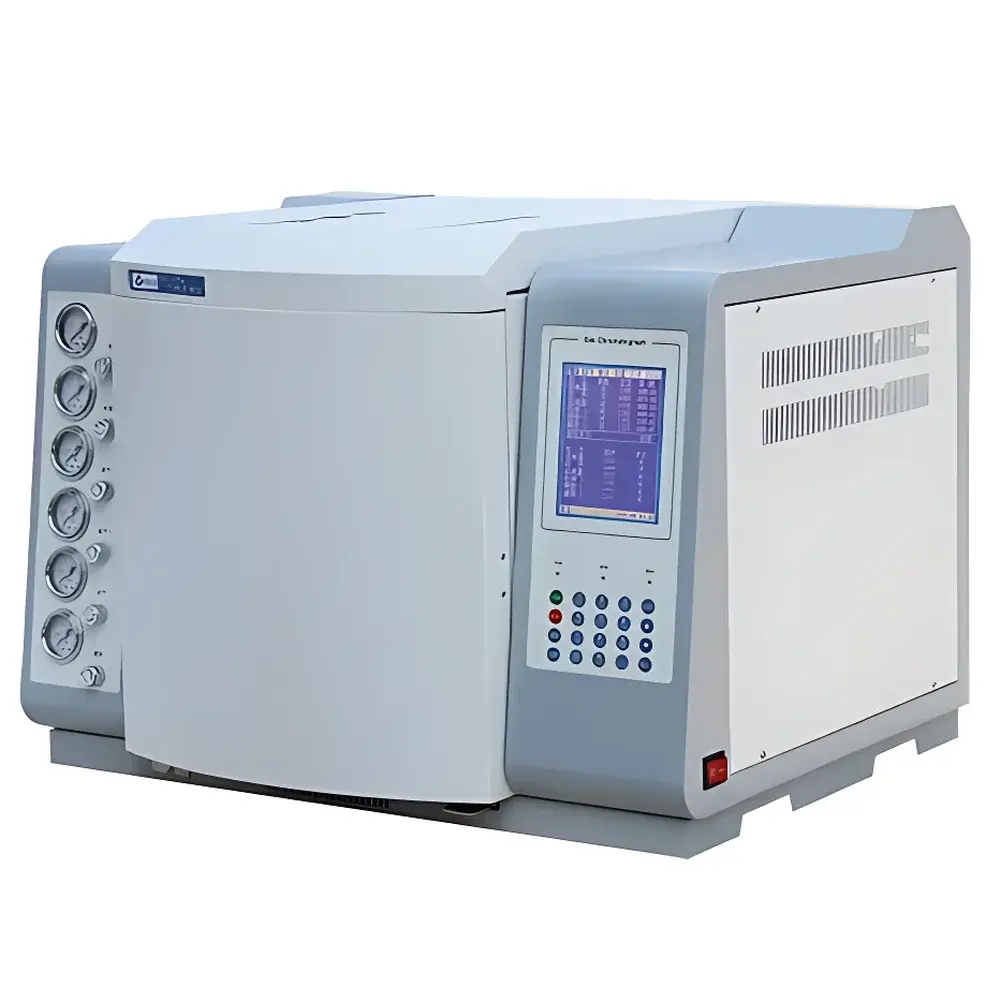
- Modular GC interface compliant with standard 1/8″ or 1/16″ stainless-steel tubing connections; compatible with Agilent, Shimadzu, Thermo Fisher, and PerkinElmer GC systems without hardware modification
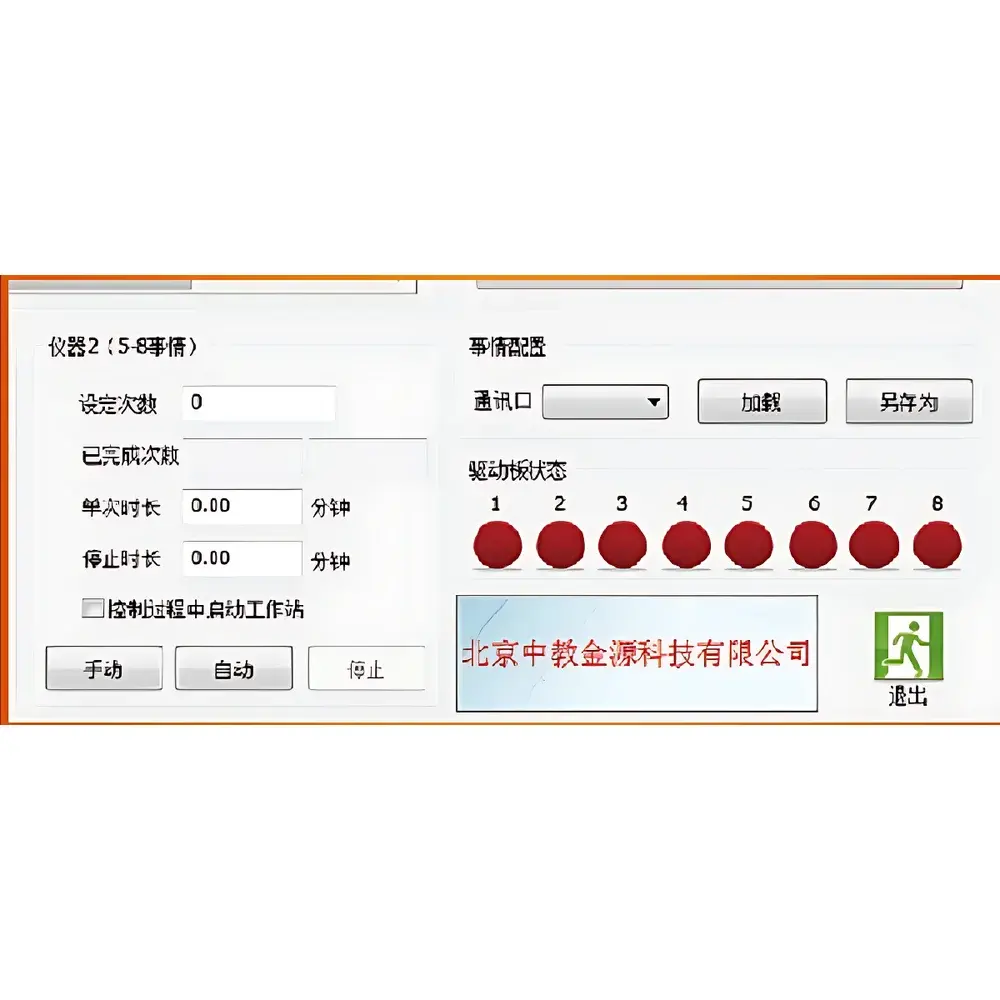
- Integrated USB-based bidirectional software control: instrument parameter configuration (irradiation duration, sampling trigger logic, purge cycles) and synchronized data acquisition from external GC detectors
- LED or Xe-lamp light source integration port with optical filter holder (320–780 nm range); optional NIST-traceable radiometric calibration available
- Sealed, leak-tested gas circuit with < 1×10⁻⁸ mbar·L/s He leak rate (per ISO 10993-12), ensuring quantitative recovery of evolved gases during long-duration kinetic studies
Sample Compatibility & Compliance
The CEL-GSOA-7 accommodates powdered, immobilized, or thin-film photocatalysts deposited on quartz substrates or packed in micro-reactor cartridges. Its design conforms to ISO 22197-1 (photocatalytic air purification) and ISO 18061 (water splitting gas evolution testing) methodological frameworks. All wetted components are constructed from electropolished 316L stainless steel and fused silica to prevent catalytic interference or surface adsorption artifacts. The system supports GLP-compliant operation when paired with audit-trail-enabled GC data systems (e.g., OpenLab CDS or Chromeleon), fulfilling documentation requirements for regulatory submissions under FDA 21 CFR Part 11 when electronic records are implemented with appropriate user access controls and electronic signatures.
Software & Data Management
The proprietary GSOA Control Suite (v3.2+) runs on Windows 10/11 and provides intuitive workflow-driven experiment setup, including irradiation profile definition (on/off ramping, duty cycling), automated valve sequencing logic, and GC injection synchronization triggers. Raw gas peak area data imported from GC output files (CSV or AIA format) are auto-mapped to calibrated response factors for each target analyte. The software calculates turnover frequency (TOF), apparent quantum yield (AQY) at specified wavelengths, and time-resolved evolution rates with propagated uncertainty estimation. Export options include ASTM E2936-compliant reporting templates, Excel-ready kinetic datasets, and PNG/SVG graphical outputs suitable for peer-reviewed publication.
Applications
- Quantitative evaluation of noble-metal-free co-catalysts in overall water splitting systems
- Kinetic modeling of multi-electron CO₂ reduction intermediates (e.g., *COOH → *CO → CH₄) via time-resolved CH₄/H₂ ratio tracking
- Structure–activity correlation studies using sub-10 mg catalyst batches synthesized via combinatorial methods
- Stability assessment of MOF- and COF-based photocatalysts under continuous 100+ hour illumination with periodic gas sampling
- Formaldehyde mineralization efficiency benchmarking against ISO 22197-2 reference protocols
- Photoelectrochemical cell (PEC) gas evolution validation when coupled with potentiostat-triggered sampling
FAQ
What minimum catalyst mass is required for reliable H₂ detection?
Typical detection limit is 0.1 µL H₂ per analysis cycle (equivalent to ~4 nmol), achievable with ≥ 2 mg of high-activity Pt/TiO₂ or Ni₂P/g-C₃N₄ under AM 1.5G illumination.
Can the system operate under vacuum or inert atmosphere?
Yes—the gas manifold supports initial evacuation to 10⁻² mbar and subsequent backfilling with Ar, N₂, or synthetic air via integrated mass flow controllers (MFCs).
Is calibration gas certification included?
A NIST-traceable 5-component standard (H₂/O₂/CH₄/CO/CO₂ in Ar) is supplied with initial installation; annual recalibration services are available through authorized regional partners.
Does the software support automated AQY calculation?
Yes—integrated spectral irradiance input (via optional calibrated photodiode sensor) enables wavelength-resolved AQY computation per ISO 22197-3 Annex B.
What maintenance intervals are recommended?
Valve actuator lubrication every 6 months; GC interface ferrule replacement after 200 thermal cycles; full leak verification prior to critical kinetic experiments.



