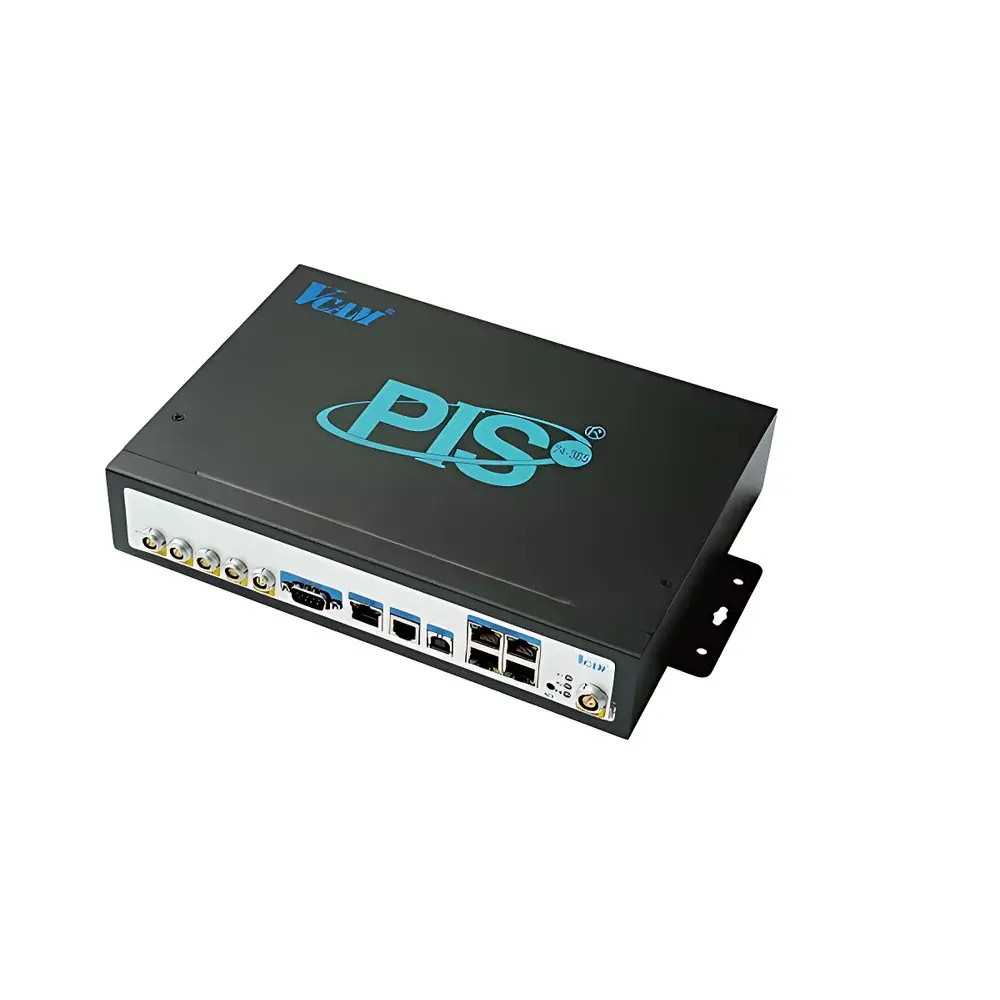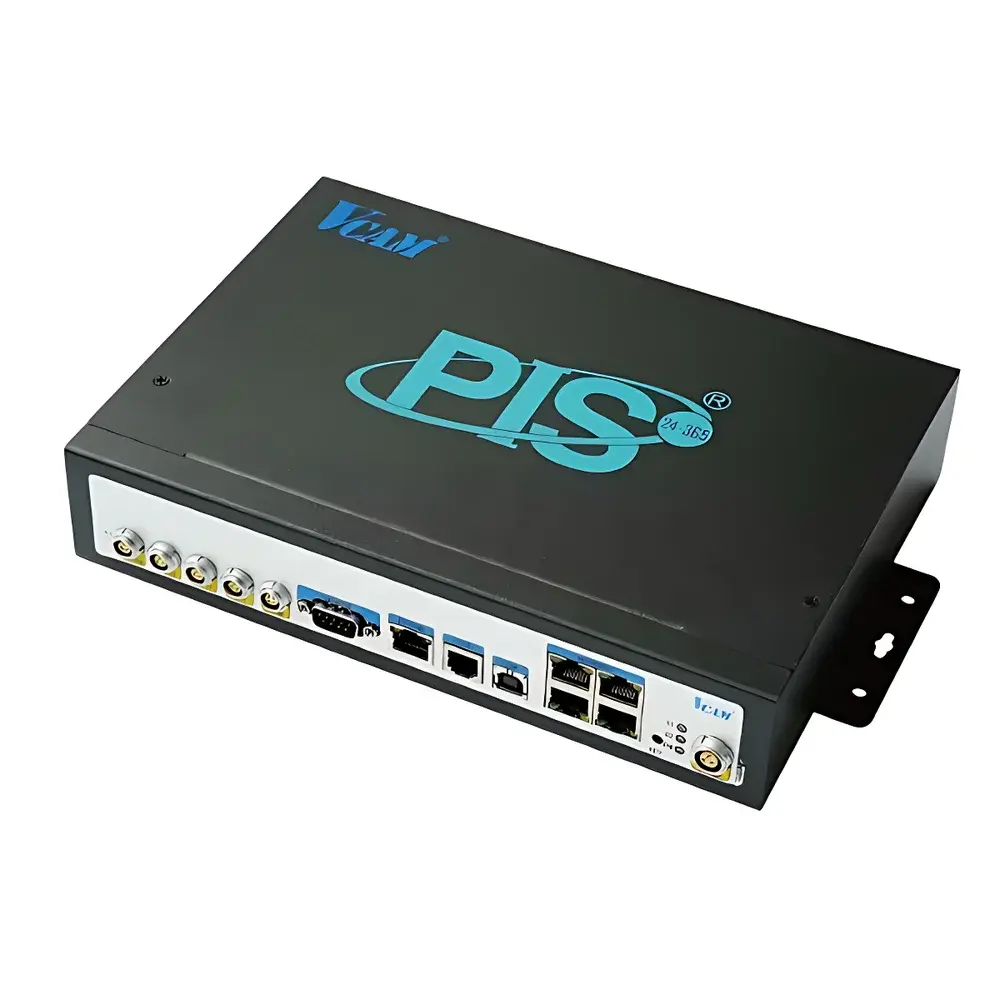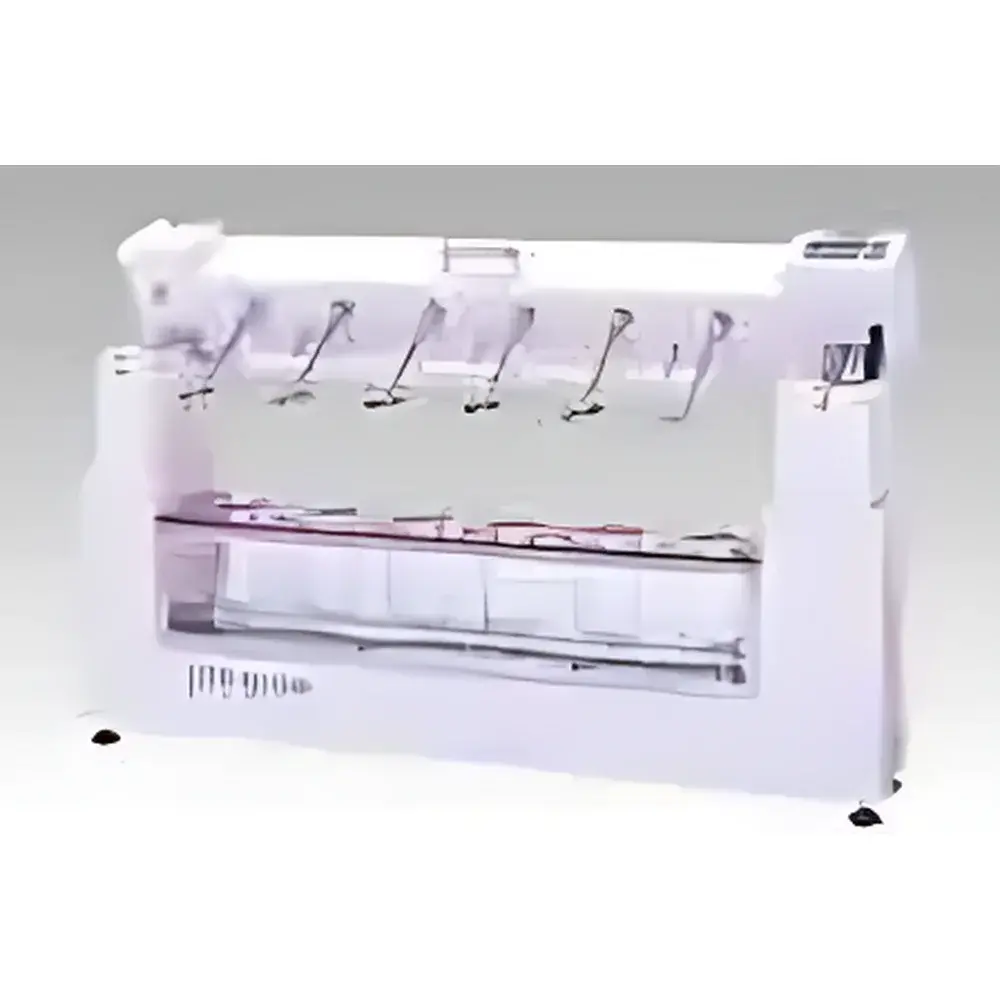
CHINYEE NT-6100A Automated USP Apparatus 2 Dissolution Tester
| Brand | CHINYEE |
|---|---|
| Origin | Japan |
| Model | NT-6100A |
| Compliance | USP <711>, <724>, <1092> |
| Apparatus Type | Paddle (App. 2) |
| Vessel Capacity | 900–1000 mL |
| Temperature Control Range | 30–45 °C (±0.2 °C stability) |
| Rotation Speed | 25–250 rpm (±1 rpm accuracy) |
| Number of Vessels | 6 |
| Interface | RS-232C, optional USB/Ethernet upgrade |
| Calibration Support | USP Calibrator Tablets (Prednisone, Salicylic Acid), mechanical verification tools included |
| Drive Architecture | Monolithic shaft coupling with one-touch bath cover release |
| Vessel Positioning | Centered alignment via precision-machined guide rails |
| Traceability | Individual serialized vessels, paddles, and shafts |
Overview
The CHINYEE NT-6100A is a fully automated, six-vessel dissolution testing system engineered for compliance with United States Pharmacopeia (USP) General Chapters <711> Dissolution, <724> Drug Release, and <1092> The Design and Development of Dissolution Test Methods. It implements the paddle (Apparatus 2) configuration as defined by USP, utilizing precise hydrodynamic control to simulate gastrointestinal fluid dynamics during solid oral dosage form evaluation. The instrument operates on the principle of continuous rotation of standardized paddles within thermostatically controlled dissolution media, enabling quantitative measurement of active pharmaceutical ingredient (API) release over time. Designed for routine quality control (QC), formulation development, and regulatory stability studies, the NT-6100A integrates mechanical robustness with metrological traceability—ensuring data integrity across GLP- and GMP-regulated environments.
Key Features
- Monolithic drive architecture eliminates misalignment between motor shaft and vessel centerline during repeated bath repositioning, maintaining consistent paddle-to-vessel geometry per USP <711> mechanical calibration requirements.
- One-touch hinged water bath cover facilitates rapid access to all six vessels without tooling or realignment—reducing operator-induced variability in setup and sampling intervals.
- Individually serialized dissolution vessels, paddles, and shafts enable full component-level traceability, supporting audit readiness for FDA 21 CFR Part 11-compliant workflows when paired with validated software.
- High-stability temperature control (±0.2 °C) achieved via dual-sensor feedback loop and insulated stainless-steel bath construction, meeting USP <711> thermal uniformity specifications across all positions.
- RS-232C interface supports direct integration with laboratory information management systems (LIMS) and third-party analytical software for automated data capture, timestamping, and electronic record retention.
- Factory-installed mechanical verification kit includes USP calibrator tablets (prednisone and salicylic acid), calibrated digital thermometer, and shaft wobble gauge—enabling on-site performance qualification (PQ) and periodic verification per ICH Q5C and ASTM E2503.
Sample Compatibility & Compliance
The NT-6100A accommodates standard USP-compliant dissolution vessels (1000 mL cylindrical glass or quartz), conventional flat-bottomed paddles (Type 2), and optional sinker fixtures for floating dosage forms. It supports immediate-release (IR), extended-release (ER), and modified-release (MR) tablet and capsule formulations. All mechanical components—including shaft runout, vessel concentricity, and paddle immersion depth—are verified against USP <711> physical standards prior to shipment. The system conforms to ISO/IEC 17025:2017 requirements for testing laboratories and is compatible with GMP documentation packages, including equipment qualification (IQ/OQ/PQ) templates and change control logs.
Software & Data Management
While the base NT-6100A operates via front-panel controls with real-time RPM and temperature display, optional CHINYEE Dissolution Suite v3.2 provides full 21 CFR Part 11 compliance. This validated application enables user role-based access control, electronic signatures, audit trail generation (including parameter changes, start/stop events, and calibration entries), and automated report export in PDF/A-1b and CSV formats. Raw sensor data—including temperature drift per vessel, rotational torque variance, and cumulative runtime—is logged at 1-second intervals and retained for ≥36 months. Data files are SHA-256 hashed and digitally signed to prevent post-acquisition tampering.
Applications
- Batch release testing of commercial solid oral dosage forms per pharmacopoeial monographs.
- In vitro-in vivo correlation (IVIVC) model development using multiple time-point sampling protocols.
- Comparative dissolution profiling for generic product bioequivalence assessments (FDA Guidance for Industry, 2013).
- Excipient interaction screening during preformulation studies.
- Stability-indicating method development under stressed conditions (e.g., pH shift, surfactant variation).
- Regulatory submission support—including ANDA, NDA, and MAA dossiers requiring dissolution data compliant with ICH Q5A(R2) and Q6A guidelines.
FAQ
Does the NT-6100A support Apparatus 1 (basket) configurations?
No—the NT-6100A is configured exclusively for USP Apparatus 2 (paddle). CHINYEE offers the NT-6200 series for Apparatus 1 and reciprocating cylinder (App. 3) applications.
Is mechanical calibration performed before shipment?
Yes—each unit undergoes full mechanical verification using NIST-traceable tools and USP calibrator tablets, with a certificate of conformance and raw calibration data provided.
Can the system be integrated into a networked QC lab environment?
Yes—via optional Ethernet module and CHINYEE Dissolution Suite, the NT-6100A supports centralized monitoring, remote diagnostics, and LIMS synchronization using ASTM E1384 and HL7 messaging standards.
What maintenance intervals are recommended for GMP compliance?
Daily visual inspection of vessel alignment and paddle integrity; quarterly verification of temperature uniformity and rotational speed accuracy; annual full mechanical recalibration per USP <711> Annex.
Is the water bath compatible with aggressive dissolution media (e.g., 0.1N HCl, SDS solutions)?
Yes—the bath chamber is constructed from electropolished 316L stainless steel with PTFE-coated fasteners and sealed bearing housings, rated for continuous exposure to pH 1–13 and surfactants up to 5% w/v.