CLEAN CS1788 Solid-State Liquid-Junction pH Electrode for Ultra-Low Ionic Strength Water
| Brand | CLEAN |
|---|---|
| Origin | Taiwan |
| Model | CS1788 |
| pH Range | 0–14 |
| Temperature Range | 0–90 °C |
| Pressure Rating | 0–20 bar (@50 °C) |
| Reference System | SNEX Ag/AgCl/KCl |
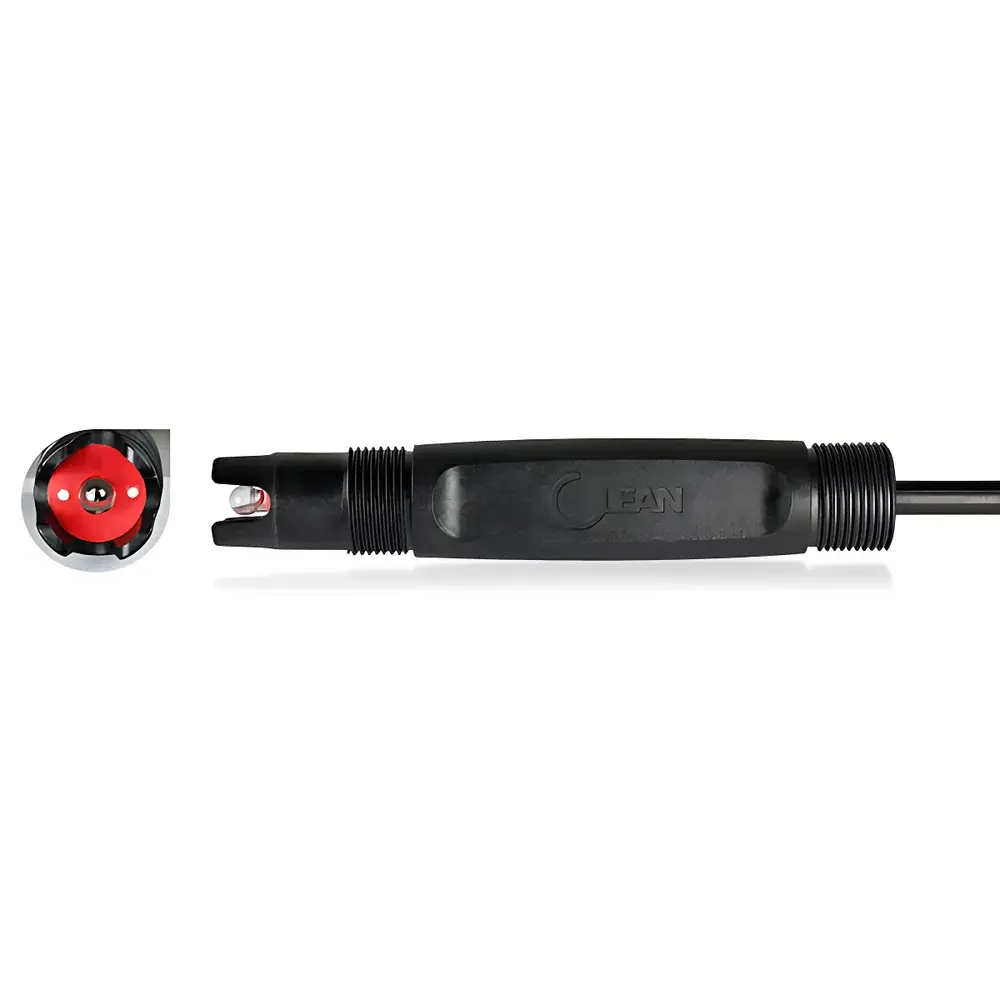
| Liquid Junction | SNEX solid-state membrane with dual ceramic pores |
| Sensing Bulb | W02 low-ionic-strength optimized glass |
| Body Material | PPS (polyphenylsulfone) |
| Thread | NPT 3/4" |
| Cable | 5 m coaxial, BNC connector |
| Temperature Sensor Options | Pt1000 / Pt100 / NTC10K |
| Output | 4–20 mA (pH/ORP & temperature, 2-wire, passive) |
| Accuracy | ±0.01 pH / ±1 mV / ±0.3 °C |
| Input Impedance | ≥10¹² Ω |
| Protection Rating | IP65 |
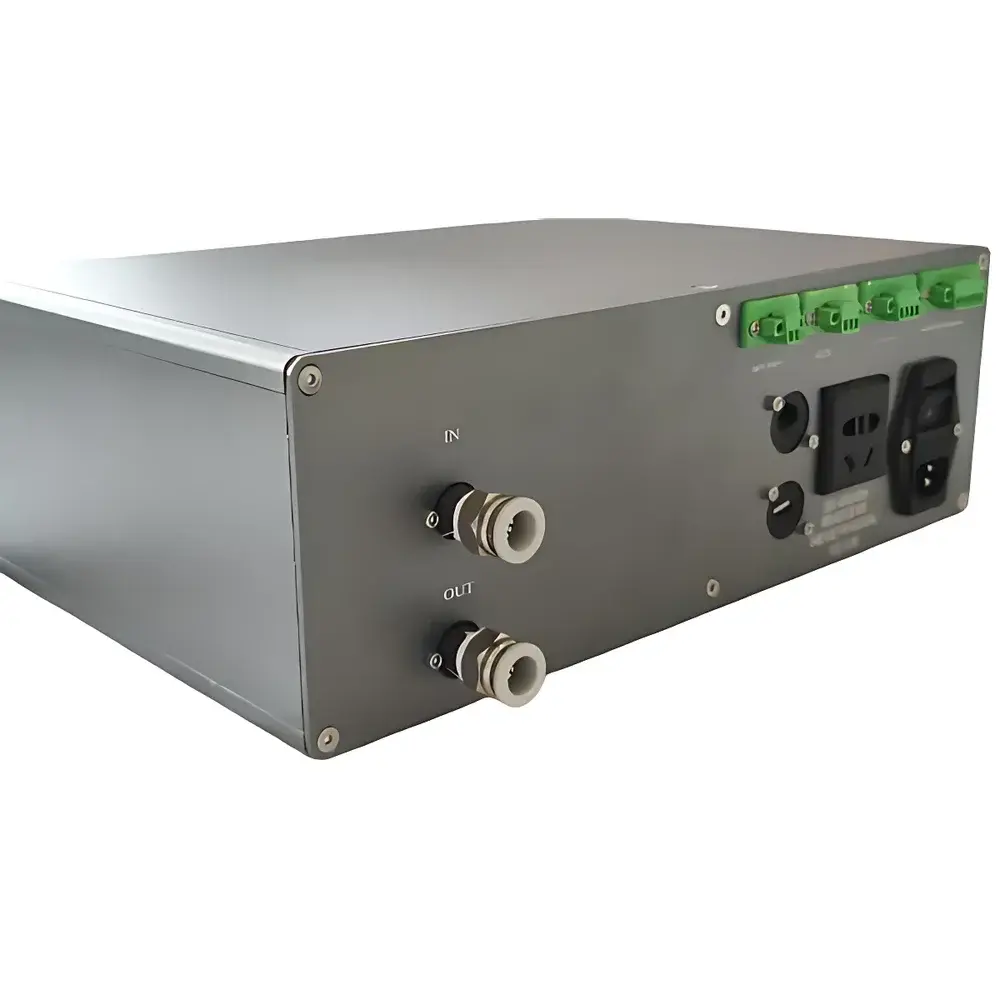
| Mounting | Panel-mount with dual clamp fixation |
Overview
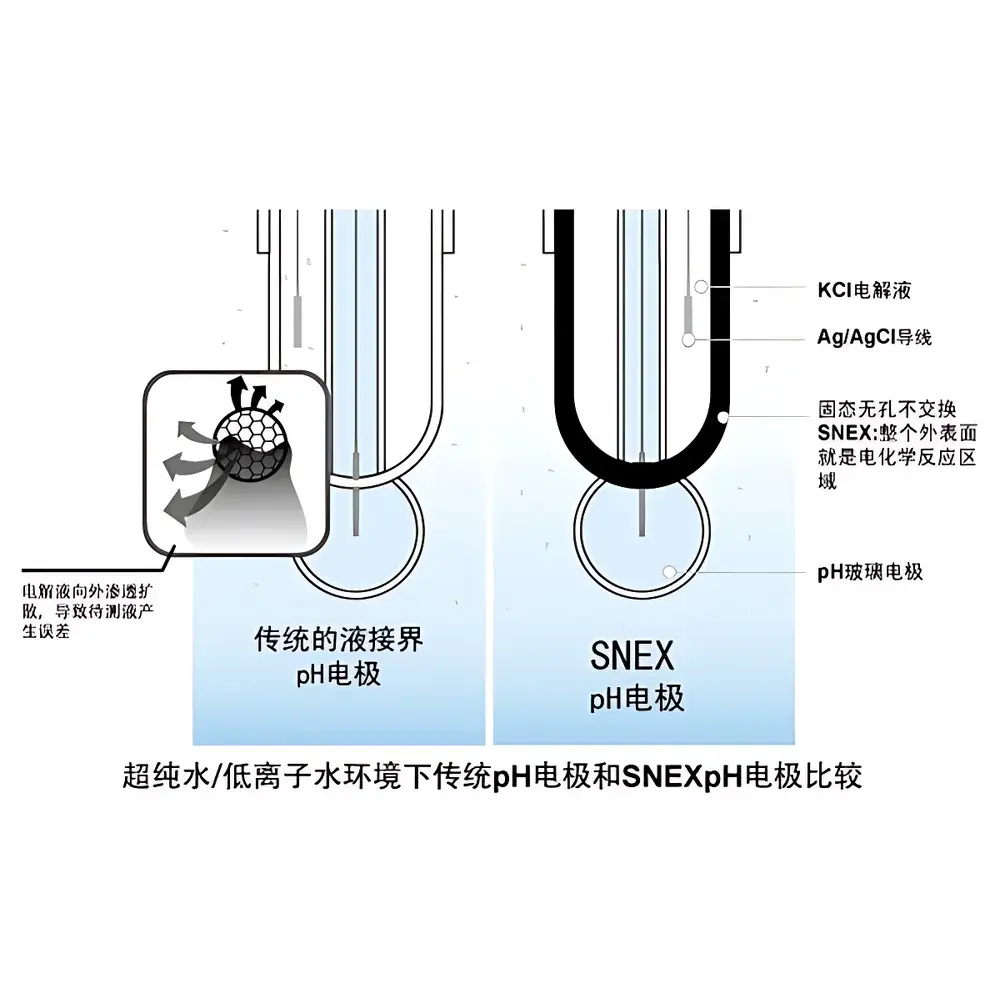
The CLEAN CS1788 is a purpose-engineered composite pH electrode designed specifically for continuous, high-stability measurement in ultra-low ionic strength aqueous environments—such as deionized (DI) water, reverse osmosis (RO) permeate, boiler feedwater, and ultrapure water (UPW) systems used in semiconductor fabrication, pharmaceutical manufacturing, and power generation. Conventional pH electrodes suffer from unstable readings in these media due to insufficient ionic conductivity, which impedes formation of a reliable electrochemical salt bridge between the reference electrolyte and sample. This results in high impedance, slow response, drift, and erroneous offsets caused by liquid junction potential instability. The CS1788 resolves this fundamental limitation through its proprietary SNEX solid-state liquid junction technology—a thermally stable, porous polymer matrix impregnated with KCl and KNO₃ that delivers controlled, consistent ion migration without bulk electrolyte leakage. Coupled with a low-resistance W02 specialty glass membrane optimized for minimal asymmetry potential and rapid hydration kinetics, the electrode maintains robust signal integrity even at conductivities below 1 µS/cm.
Key Features
- SNEX Solid-State Liquid Junction: Dual-ceramic-pore architecture embedded within a chemically inert SNEX matrix ensures predictable, low-drift ion exchange—eliminating conventional gel or sleeve-based electrolyte depletion and contamination risks.
- W02 Low-Ionic-Strength Glass Membrane: Formulated for enhanced surface hydration and reduced alkaline error, enabling accurate, repeatable response across the full 0–14 pH range under sub-µS/cm conditions.
- High-Pressure PPS Housing: Polyphenylsulfone body rated to 20 bar at 50 °C provides mechanical durability and chemical resistance to oxidants, amines, and low-concentration acids/bases encountered in UPW loops.
- Integrated Temperature Compensation: Field-selectable Pt1000, Pt100, or NTC10K sensor enables precise automatic temperature compensation (ATC) per NIST-traceable algorithms compliant with ISO 7027 and ASTM D1293.
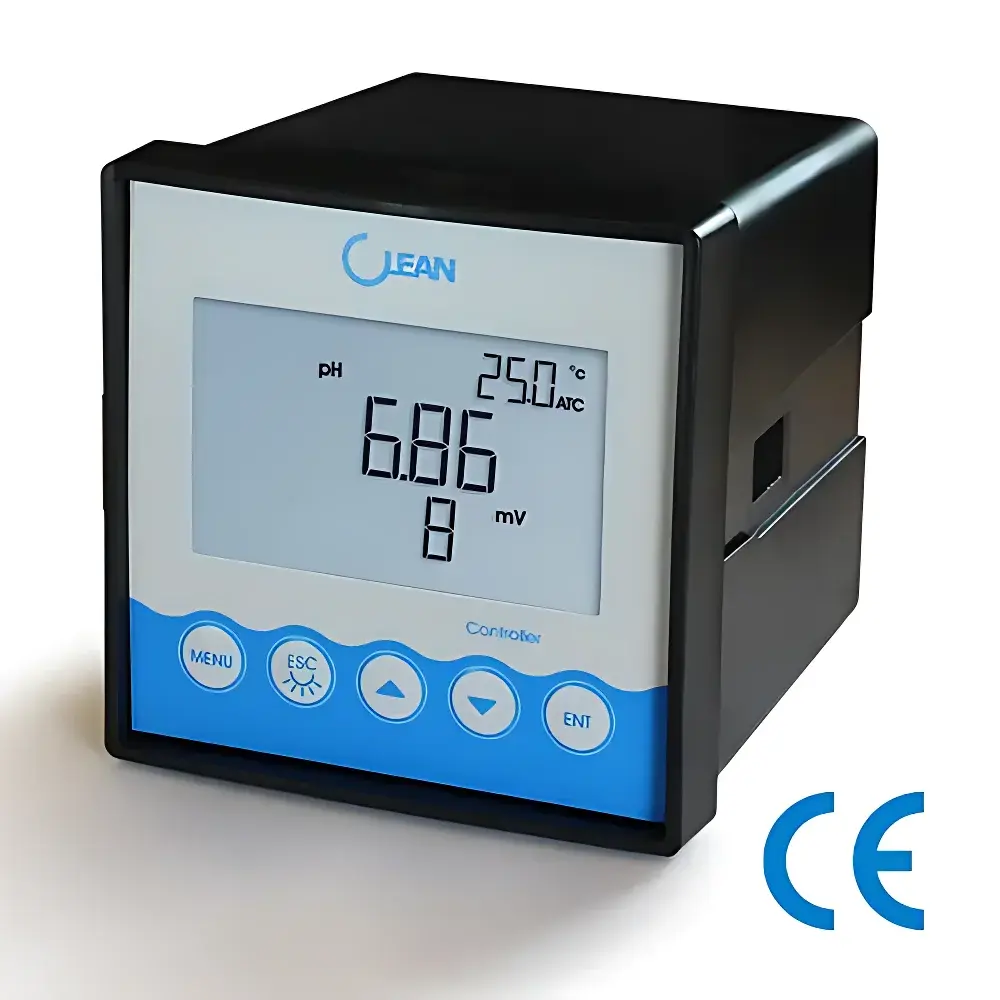
- 2-Wire 4–20 mA Outputs: Simultaneous, independently configurable analog outputs for pH/ORP and temperature—fully compatible with DCS, PLC, and SCADA systems; meets IEC 61000-6-2/4 EMC requirements.
- Panel-Mount IP65 Enclosure: ABS housing with 92.5 × 92.5 mm cutout supports DIN-standard installation; dual-clamp mounting ensures vibration-resistant positioning in piping manifolds or skid-mounted analyzers.
Sample Compatibility & Compliance
The CS1788 is validated for long-term deployment in non-aqueous traces, condensate polishing streams, nuclear-grade coolant monitoring, and clean-in-place (CIP) rinse validation. Its absence of free-flowing reference electrolyte prevents cross-contamination and eliminates maintenance associated with refilling or clogging—critical for GMP-compliant water-for-injection (WFI) and purified water (PW) systems per USP and EP 2.2.46. The electrode’s design adheres to the electrochemical principles outlined in ISO 10523 (water quality — determination of pH) and supports audit-ready data integrity when paired with controllers featuring FDA 21 CFR Part 11-compliant event logging and electronic signature capabilities.
Software & Data Management
While the CS1788 itself is an analog sensing element, it is fully interoperable with CLEAN PH3000 series transmitters and third-party analyzers supporting standard 4–20 mA inputs. When integrated into CLEAN’s ecosystem, users gain access to configurable calibration routines—including two-point free calibration (CU.CAL), ORP offset adjustment, and buffer set selection (US/EU/CN/JP). Transmitter firmware supports GLP-style calibration records with timestamp, operator ID, buffer IDs, slope/mV offset, and stability thresholds—all exportable via Modbus RTU/TCP for LIMS integration. Data retention complies with ALCOA+ principles (Attributable, Legible, Contemporaneous, Original, Accurate, Complete, Consistent, Enduring, Available) for regulatory submissions.
Applications
- Real-time pH monitoring in semiconductor fab UPW distribution networks (ASTM F631)
- Boiler feedwater and turbine condensate control in fossil and nuclear power plants (ASME PTC 19.11)
- Final rinse verification during medical device sterilization cycles (ISO 13485)
- pH trending in biopharmaceutical buffer preparation and chromatography eluent delivery
- Environmental monitoring of low-conductivity natural waters (EPA Method 150.1)
- Continuous validation of deionization system performance in laboratory core facilities
FAQ
Why does conventional pH measurement fail in pure water?
Conventional electrodes rely on sufficient sample conductivity (>20 µS/cm) to stabilize the liquid junction potential. Below this threshold, high impedance causes signal noise, drift, and sensitivity to ground loops or static charge—rendering readings non-representative of true thermodynamic pH.
How does the SNEX junction differ from traditional ceramic or sleeve junctions?
Unlike porous ceramics (prone to fouling) or open sleeves (risking electrolyte dilution), SNEX uses a hydrophilic polymer matrix with fixed ionic sites, delivering consistent K⁺/Cl⁻ flux independent of flow rate or pressure—enabling stable junction potentials even in stagnant or laminar-flow UPW lines.
Is the CS1788 suitable for steam-cycle chemistry monitoring?
Yes—its PPS body and NPT 3/4″ thread meet ASME B16.5 Class 150 requirements; combined with its 20 bar @ 50 °C rating and thermal shock resistance, it is qualified for use downstream of LP evaporators and in condensate return sampling points.
What calibration buffers are recommended for low-ionic-strength applications?
Use low-ionic-strength-certified buffers (e.g., NIST SRM 186, Traceable® DI-water-compatible sets) and avoid high-KCl buffers that artificially elevate local conductivity near the junction—introducing calibration bias.
Can the electrode be cleaned in situ without removal?
Yes—its solid-state junction resists organic fouling and silica scaling; periodic low-pressure DI water flush (≤5 bar) or mild citric acid rinse (0.1% w/w, <30 °C) restores performance without disassembly.