
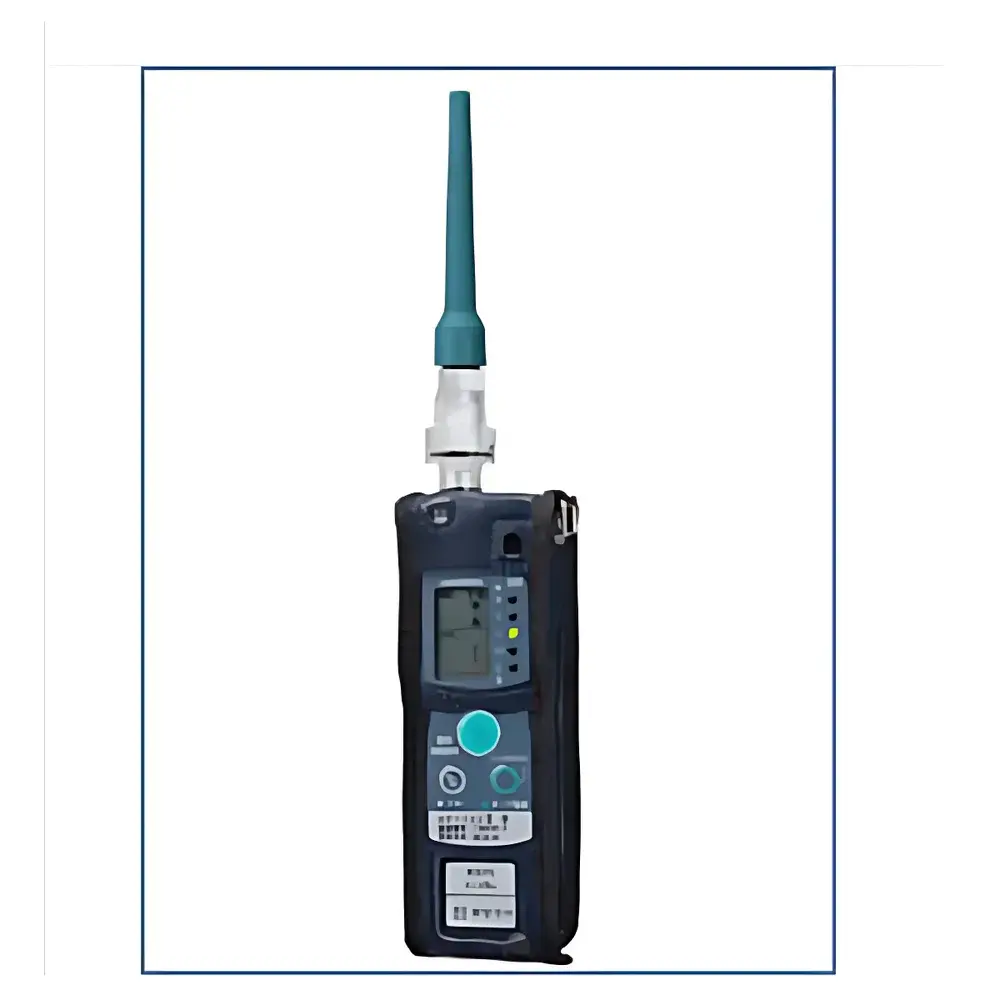
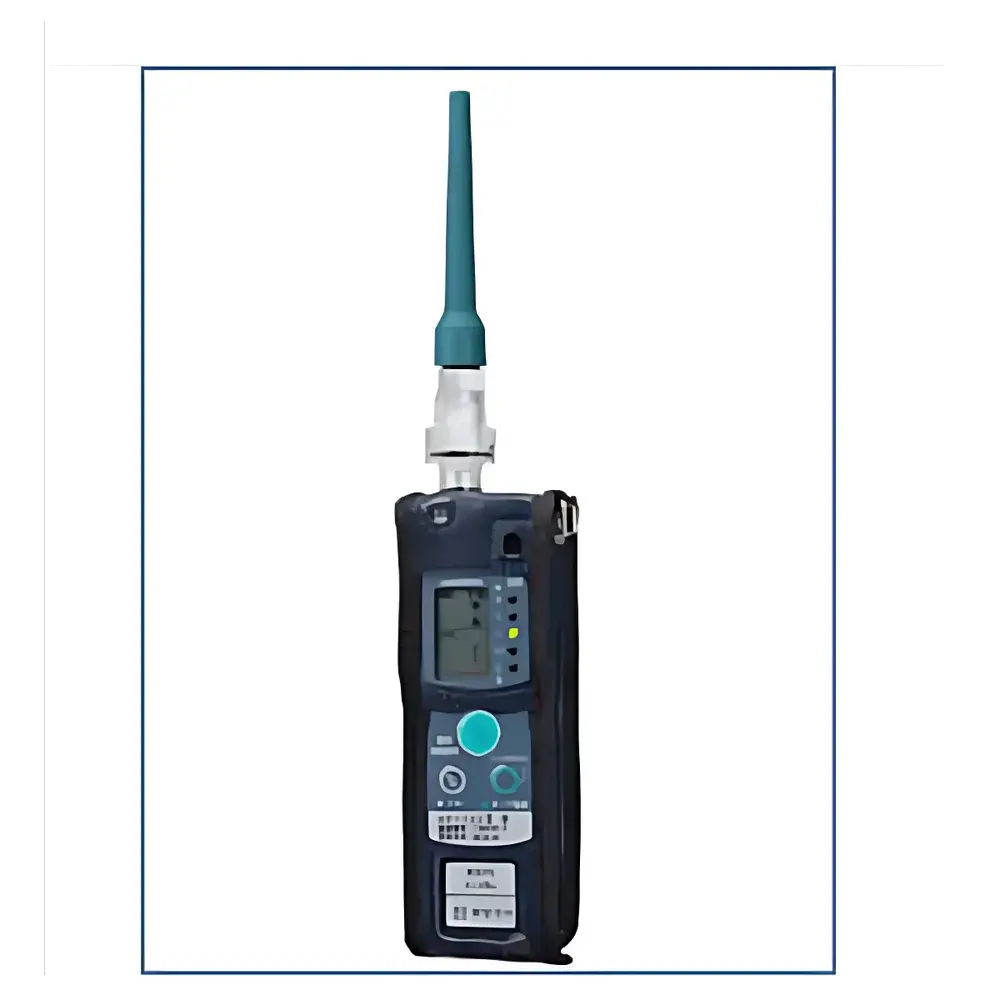
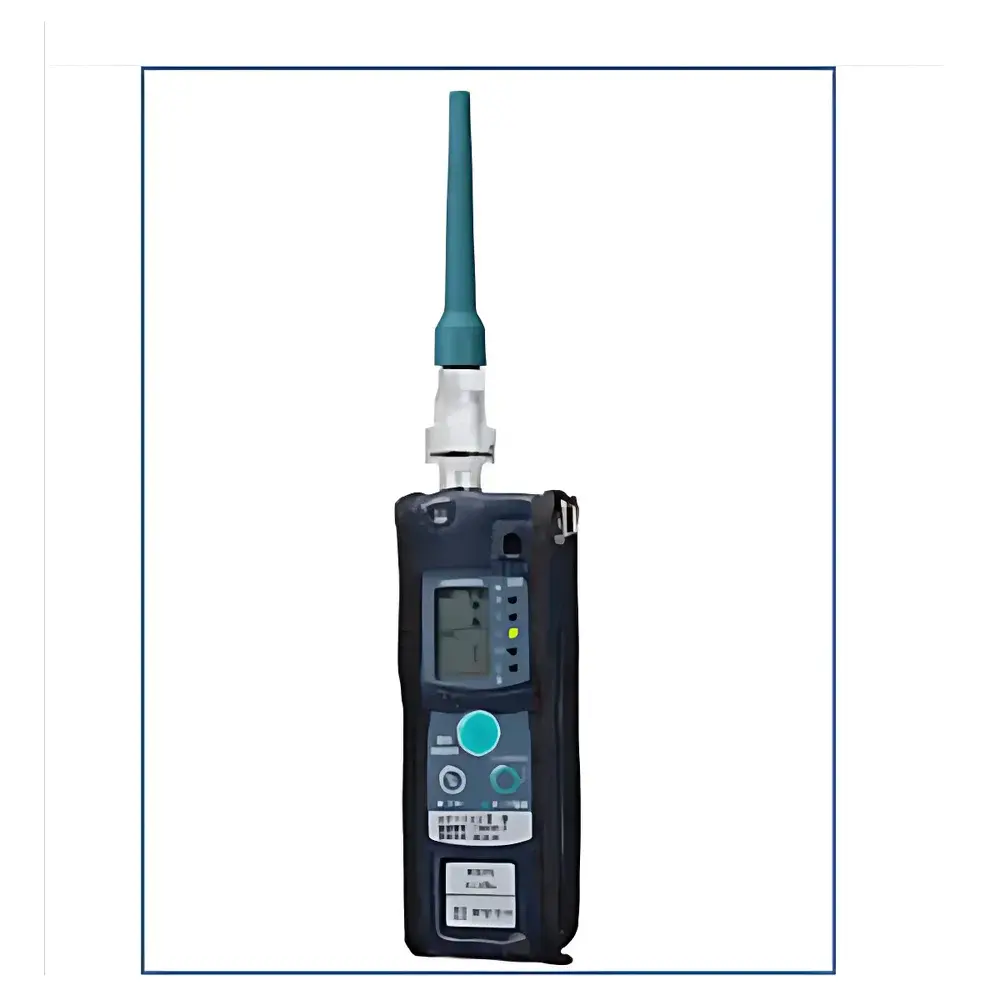
Cosmos XP-702III Portable Combustible Gas Detector
| Brand | Cosmos |
|---|---|
| Origin | Japan |
| Model | XP-702III |
| Detection Principle | Hot-Wire Semiconductor |
| Detectable Gases | Dual-gas (XP-702III-A/F) or Single-gas (XP-702III-B) |
| Detection Range | City Gas/LPG: 10 ppm |
| Refrigerants (e.g., R407C, R410A) | 30 ppm |
| Response Time | ≤3 s (excluding refrigerant gases) |
| Leak Sensitivity | City Gas/LPG: 3.3×10⁻⁶ Pa·m³/s |
| R407C | 12.4 g/year |
| R410A | 11.2 g/year |
| Alarm | Audible intermittent tone + flashing LED |
| Explosion Protection | Intrinsic Safety Ex ib IIB T3 |
| Operating Environment | −20°C to +50°C, 30–85% RH (non-condensing) |
| Power Supply | Three AA alkaline batteries |
| Battery Life | Approx. 12 h (at 25°C, 60% RH) |
| Dimensions (W×H×D) | 38×130×32 mm (excl. protrusions) |
| Weight | ~190 g (incl. batteries & holster) |
| Standard Accessories | Holster, 3× AA alkaline batteries, adjustable sampling tube with dust filter, guide tube filter element, lanyard |
Overview
The Cosmos XP-702III Portable Combustible Gas Detector is a precision-engineered, hand-held leak detection instrument designed for rapid, on-site identification of trace combustible gas emissions in industrial, HVAC, refrigeration, and facility maintenance environments. Utilizing a hot-wire semiconductor sensing principle, the XP-702III delivers high sensitivity and fast response—detecting concentrations as low as 10 ppm for city gas and LPG, and 30 ppm for common refrigerants including R407C and R410A. Its compact form factor (38 × 130 × 32 mm), lightweight construction (~190 g with batteries), and intuitive LCD interface make it ideal for extended use during field inspections, pipeline integrity verification, and preventive maintenance audits. Unlike catalytic bead or infrared-based detectors, the hot-wire semiconductor architecture provides stable baseline performance across varying ambient humidity levels while maintaining immunity to poisoning from silicone vapors or halogenated compounds—critical for refrigerant service applications.
Key Features
- True dual-gas detection capability (models XP-702III-A and XP-702III-F) enables simultaneous screening for two distinct combustible gas species without hardware modification.
- Intrinsically safe design certified to Ex ib IIB T3 per IEC 60079-0 and IEC 60079-11, ensuring safe operation in potentially explosive atmospheres classified under Zone 1/Zone 2.
- Sub-3-second response time for most hydrocarbon gases supports real-time leak localization—even in dynamic airflow conditions typical of ductwork or compressor enclosures.
- Adjustable sampling tube with directional airflow control and integrated dust filtration minimizes sensor contamination during prolonged use in dusty or oily environments.
- Low-power architecture optimized for AA alkaline battery operation yields up to 12 hours of continuous runtime under standard environmental conditions (25°C, 60% RH), reducing downtime between inspections.
- Visual and audible alarm system—featuring pulsed tone and high-intensity LED flash—ensures clear indication even in noisy or visually cluttered workspaces.
Sample Compatibility & Compliance
The XP-702III is validated for detection of common combustible gases encountered in utility distribution, commercial refrigeration, and industrial process systems—including town gas (containing H₂, CH₄, CO), liquefied petroleum gas (LPG), propane, butane, and fluorocarbon refrigerants (R22, R407C, R410A). It complies with Japanese Industrial Standards JIS T 8201 and JIS Z 8101 for portable gas detection instrumentation. While not FDA 21 CFR Part 11 compliant (as it lacks data logging or electronic record functionality), its intrinsic safety certification meets requirements for use in facilities operating under OSHA 1910.120, ATEX Directive 2014/34/EU (via CE marking under harmonized standards), and ISO 8573-1 Class 4 compressed air quality verification workflows where residual hydrocarbon contamination must be monitored.
Software & Data Management
The XP-702III operates as a standalone analog detection instrument with no embedded firmware update capability or digital connectivity. It does not incorporate Bluetooth, USB, or wireless telemetry interfaces. All operational parameters—including alarm thresholds, zero calibration, and sensor warm-up sequence—are factory-set and non-configurable by end users. Calibration verification is performed manually using certified span gas (e.g., 50% LEL methane in air) and documented via paper-based log sheets in accordance with ISO/IEC 17025-accredited laboratory practices. For organizations requiring audit-ready records, integration with external data capture tools (e.g., barcode-scanned inspection checklists or mobile CMMS platforms) is supported through manual entry of pass/fail results and timestamped location metadata.
Applications
- Leak detection in residential and commercial natural gas distribution networks, including meter sets, regulators, and riser connections.
- Pre-commissioning and post-maintenance verification of refrigerant circuit integrity in split-system air conditioners, chillers, and VRF installations.
- Routine inspection of flanged joints, valve packing, and welded seams in petrochemical and pharmaceutical utility piping systems.
- Verification of purge effectiveness prior to hot work in confined spaces governed by NFPA 51B and OSHA 1915.14 protocols.
- Field validation of seal performance in cryogenic transfer lines and LNG refueling infrastructure.
FAQ
What gases can the XP-702III detect?
It detects combustible gases including city gas, LPG, propane, butane, and common refrigerants such as R22, R407C, and R410A—depending on configured sensor module (A/B/F variants).
Is the device suitable for use in hazardous locations?
Yes—when used with the supplied holster, it meets Ex ib IIB T3 intrinsic safety requirements for Zone 1 and Zone 2 classified areas.
Does the XP-702III support data logging or PC connectivity?
No—it is an analog readout instrument without memory, serial output, or digital interface capabilities.
How often should calibration be performed?
Cosmos recommends full span calibration before each day’s use in critical applications, or at minimum every 24 hours when deployed continuously; zero calibration should be conducted in fresh air prior to each measurement session.
Can the sampling tube be replaced or extended?
Yes—optional accessories include copper sampling tubes, pipe-gap probes, and conduit-specific adapters, all compatible with the standard 4-mm OD inlet port and swivel-mounted filter housing.




