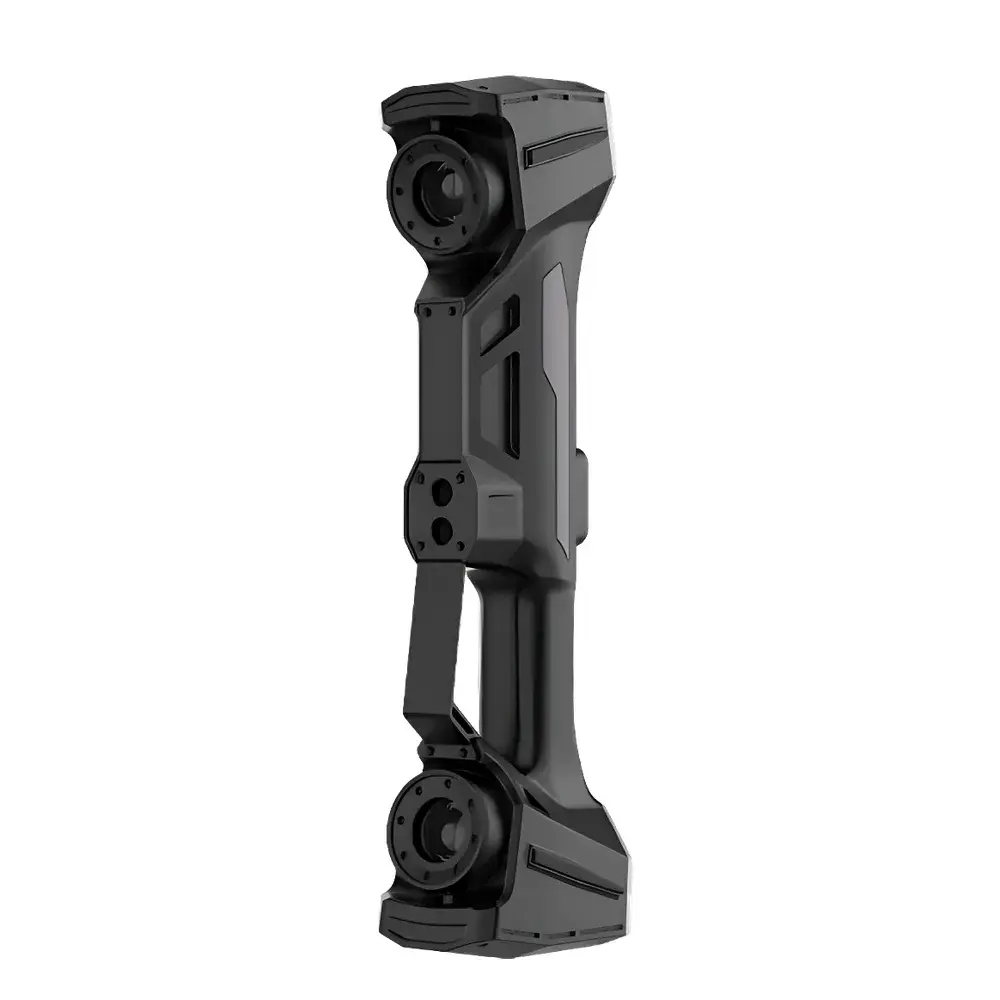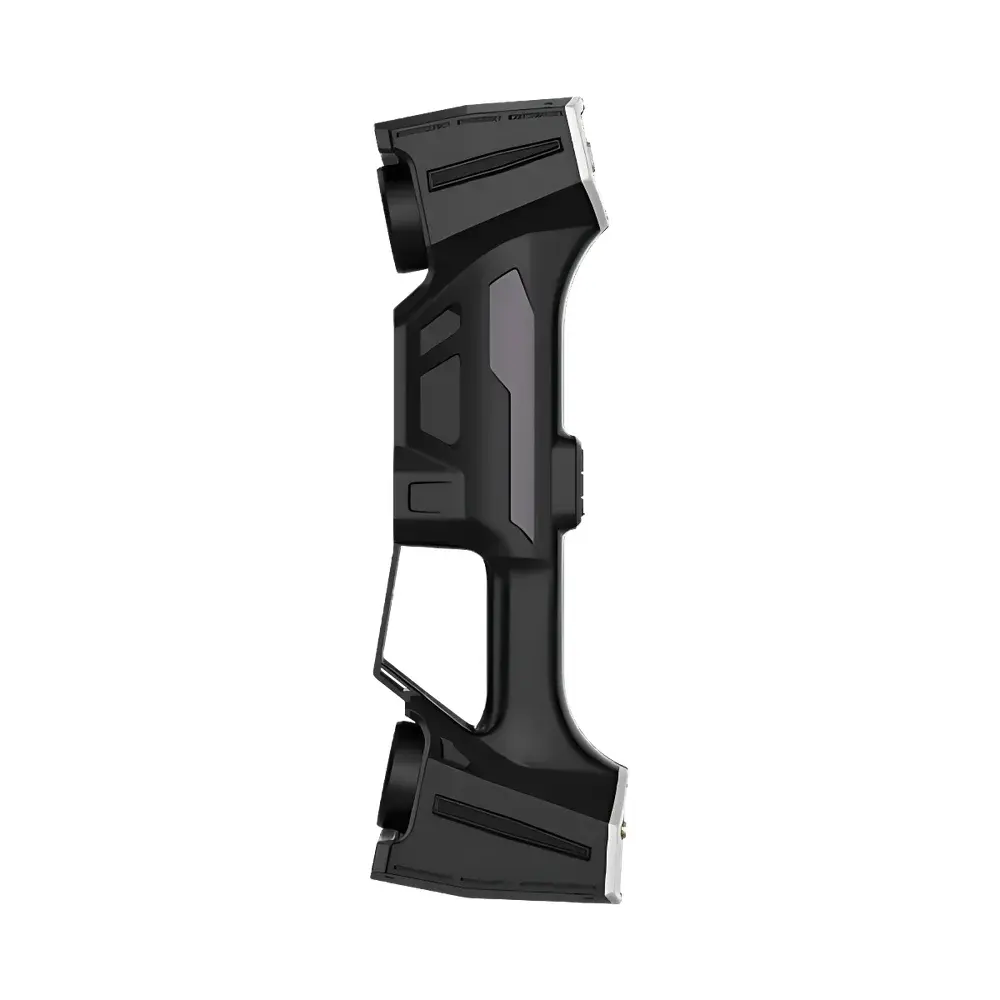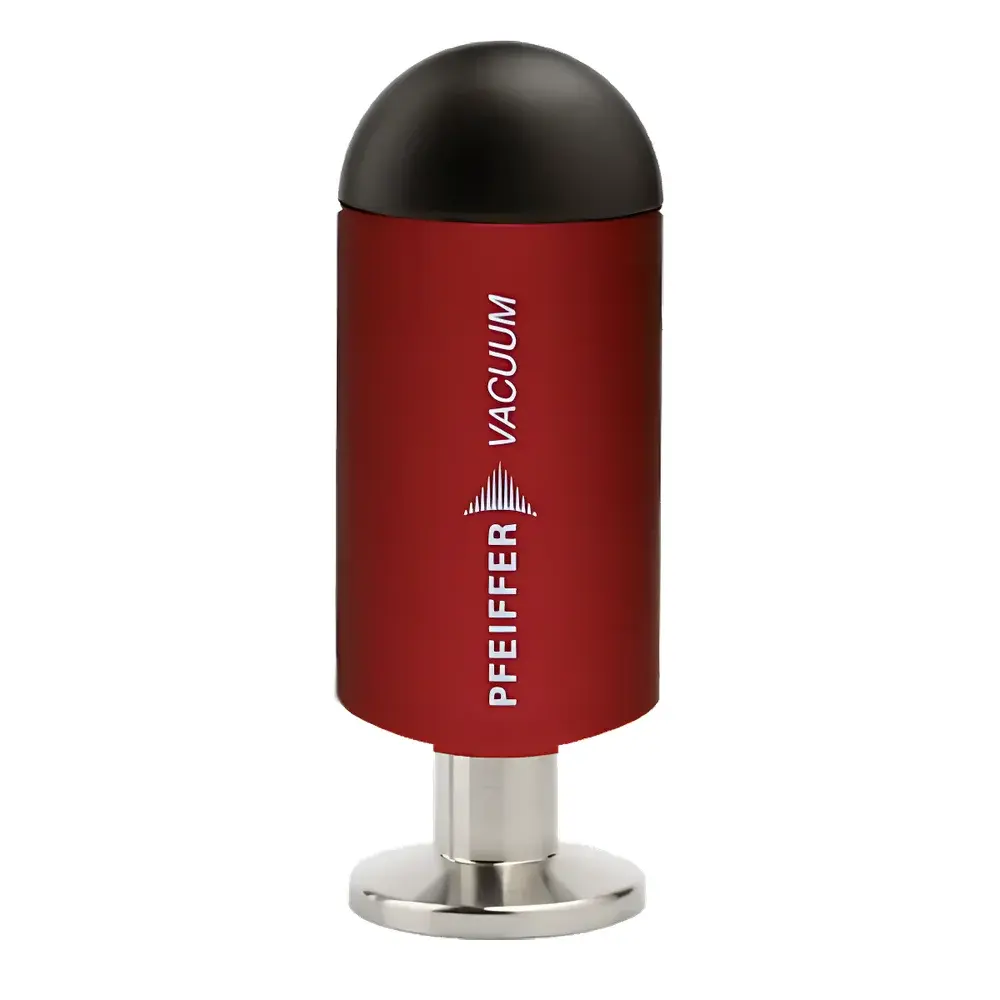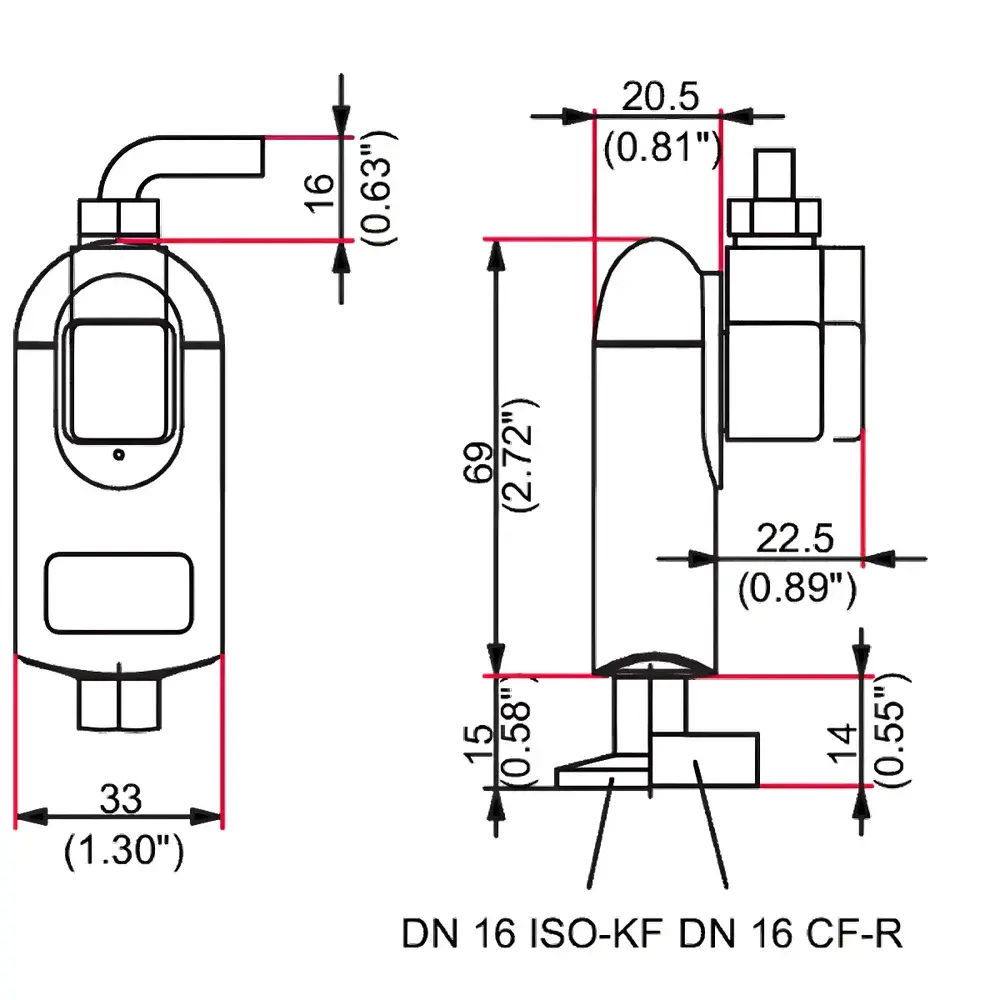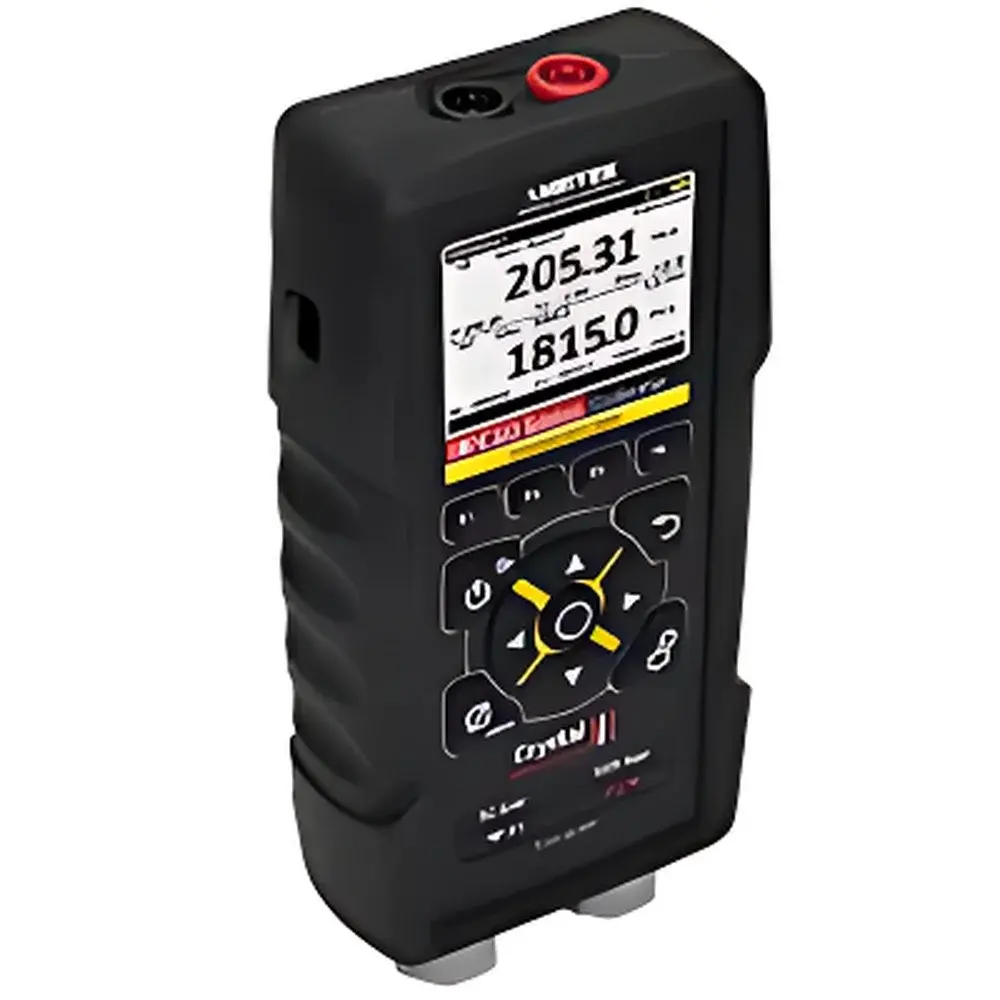
Crystal HPC50 Series Intrinsically Safe Handheld Pressure Calibrator
| Brand | Crystal |
|---|---|
| Origin | Denmark |
| Model | HPC50 Series |
| Calibration Targets | Pressure Gauges & Transmitters |
| Design | Modular Architecture |
| Accuracy | ±0.035% of Reading |
| Pressure Ranges | Up to 15,000 psi / 1000 bar / 100 MPa (Gauge, Absolute, Differential) |
| Temperature Compensation | –20 °C to +50 °C |
| Electrical Measurement | mA and V |
| Resistance Measurement | True Ohms Technology |
| Display | Enhanced High-Contrast LCD |
| Battery Life | Extended vs. HPC40 |
| Certifications | ATEX/IECEx Intrinsically Safe (Zone 0/1, Class I Div 1) |
| Interface | Dual External Module Ports (Pressure & Temperature) |
Overview
The Crystal HPC50 Series Intrinsically Safe Handheld Pressure Calibrator is a high-precision, field-deployable metrology instrument engineered for primary and secondary pressure calibration in hazardous and non-hazardous environments. Built upon the proven architecture of the HPC40 platform, the HPC50 integrates enhanced thermal stability, extended operational autonomy, and certified intrinsic safety—enabling direct use in Zone 0/1 (ATEX/IECEx) and Class I Division 1 (UL) locations without explosion risk. Its core measurement principle relies on a temperature-compensated silicon piezoresistive sensor array, with real-time digital signal conditioning and dual-range auto-ranging capability. The device supports gauge, absolute, and differential pressure modes across a unified span up to 100 MPa (15,000 psi), while maintaining traceable accuracy of ±0.035% of reading under compensated ambient conditions (–20 °C to +50 °C). This performance level meets or exceeds requirements defined in ISO 5725 (accuracy and trueness), ISO/IEC 17025 (calibration laboratory competence), and ASTM E74 (verification of force-measuring instruments) when applied to pressure transducer verification workflows.
Key Features
- Intrinsically safe certification per ATEX Directive 2014/34/EU (II 1G Ex ia IIC T4 Ga) and IECEx (Ex ia IIC T4 Ga), permitting operation in explosive atmospheres without external barriers.
- Dual external module interface supporting simultaneous connection of two calibrated pressure or temperature modules—enabling cross-comparison, multi-point verification, and hybrid sensor calibration (e.g., PT100 + 0–100 bar gauge).
- True Ohms resistance measurement technology, eliminating lead-wire error and enabling accurate RTD and thermistor calibration without manual compensation.
- Zero-menu user interface: all functions accessible via dedicated hardware keys and context-sensitive soft keys—minimizing training time and reducing misoperation risk in critical QA/QC settings.
- Extended battery life (>12 hours continuous operation on standard AA alkaline cells), with low-power sensor biasing and adaptive display backlight control.
- Integrated 4–20 mA loop power supply and sink/source capability, supporting live transmitter testing with simultaneous pressure output and current measurement.
Sample Compatibility & Compliance
The HPC50 calibrator is designed for direct compatibility with industrial analog and digital pressure instrumentation—including bourdon-tube gauges, diaphragm-based transmitters, deadweight testers (as reference comparison), and smart pressure sensors compliant with HART, Foundation Fieldbus, or Profibus PA protocols. It accommodates NPT, BSP, and metric thread connections via interchangeable adapters (sold separately). All internal pressure sensors are traceably calibrated to NIST-traceable standards, with certificates issued per ISO/IEC 17025 requirements. The instrument complies with electromagnetic compatibility (EMC) per EN 61326-1:2013 and environmental robustness per IP54 (dust and water splash resistant). Its temperature-compensated design ensures stable metrological performance across ambient shifts typical in refinery, offshore, and pharmaceutical cleanroom applications.
Software & Data Management
While fully functional as a standalone field tool, the HPC50 supports optional PC connectivity via USB-C for data logging, report generation, and firmware updates. Calibration records—including date/time stamp, operator ID, ambient temperature, measured values, deviations, and pass/fail status—are stored internally (up to 500 entries) with audit-trail capability. When used with Crystal’s optional CalManager™ desktop software (v3.2+), users can generate GLP/GMP-compliant calibration certificates compliant with FDA 21 CFR Part 11 (electronic signatures, audit trail, role-based access). Data export formats include CSV, PDF, and XML for integration into LIMS or CMMS platforms such as SAP PM or IBM Maximo.
Applications
- On-site verification and adjustment of process pressure transmitters in oil & gas upstream facilities and petrochemical plants.
- Periodic calibration of mechanical pressure gauges in HVAC-R systems and compressed air networks per ASME B40.100.
- Validation of pressure safety valves (PSVs) and relief devices in accordance with API RP 553 and ISO 4126.
- Pharmaceutical manufacturing support: calibration of sterile process pressure sensors during cleaning-in-place (CIP) and sterilization-in-place (SIP) cycles per EU GMP Annex 15.
- Field service by third-party calibration providers accredited to ISO/IEC 17025, where portability, intrinsic safety, and documented uncertainty budgets are mandatory.
FAQ
Does the HPC50 require annual recalibration?
Yes. Crystal recommends annual recalibration against a certified reference standard to maintain stated accuracy and compliance with ISO/IEC 17025. Internal self-diagnostics and zero-stability monitoring assist in identifying drift prior to scheduled intervals.
Can the HPC50 calibrate digital pressure transmitters with HART protocol?
It measures analog output (4–20 mA) and pressure simultaneously but does not communicate digitally with HART devices. For full HART configuration, a separate communicator is required—though the HPC50 remains ideal for verifying analog output accuracy post-configuration.
Is the temperature compensation applied automatically during measurement?
Yes. The unit continuously monitors internal sensor temperature and applies real-time correction coefficients derived from factory characterization across –20 °C to +50 °C, ensuring specified accuracy without user intervention.
What external modules are compatible with the HPC50?
Crystal-certified modules include the HPM-100 (0–100 bar gauge), HPM-1000 (0–1000 bar), and HTM-200 (–50 °C to +200 °C RTD/thermocouple). Third-party modules are not supported due to calibration traceability and intrinsic safety interface constraints.
How is uncertainty calculated for a given calibration point?
Total expanded uncertainty (k=2) incorporates contributions from sensor accuracy (±0.035%), temperature effect (±0.005%/°C deviation from 23 °C), linearity, hysteresis, and resolution—documented in the certificate of calibration supplied with each unit.