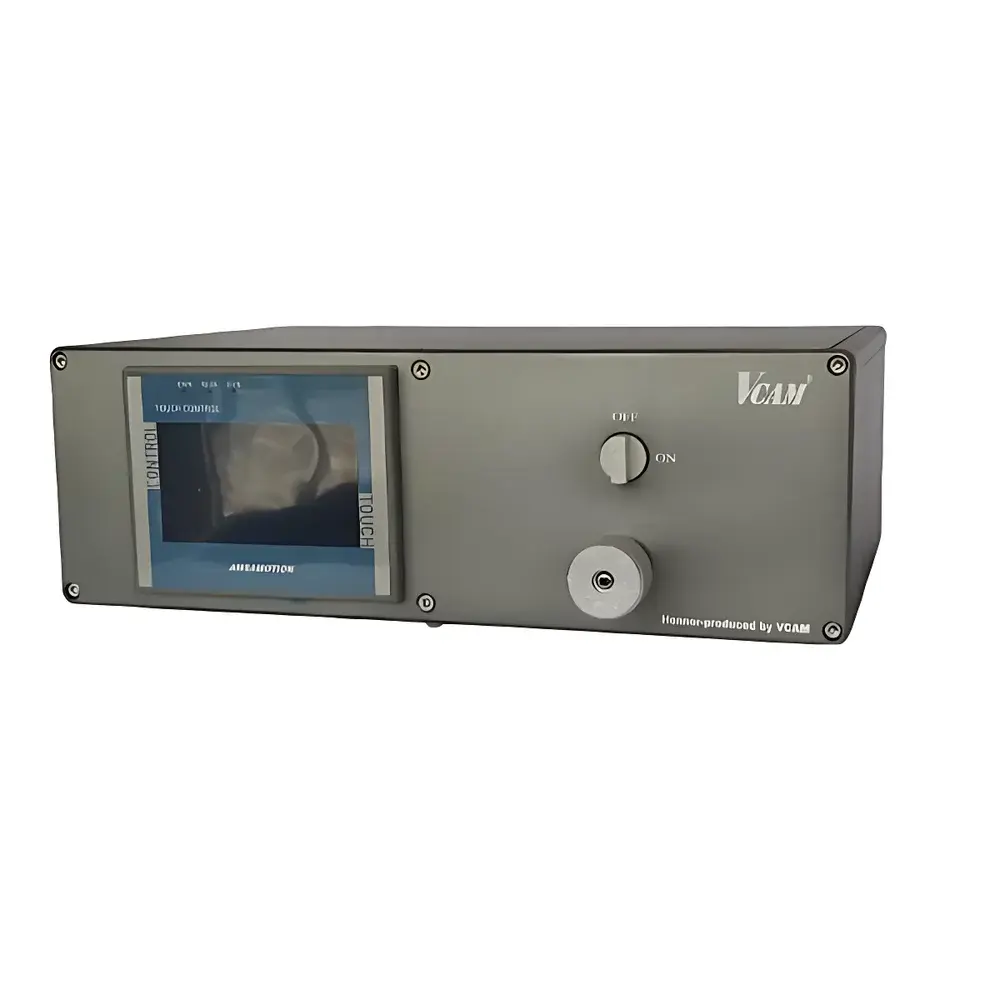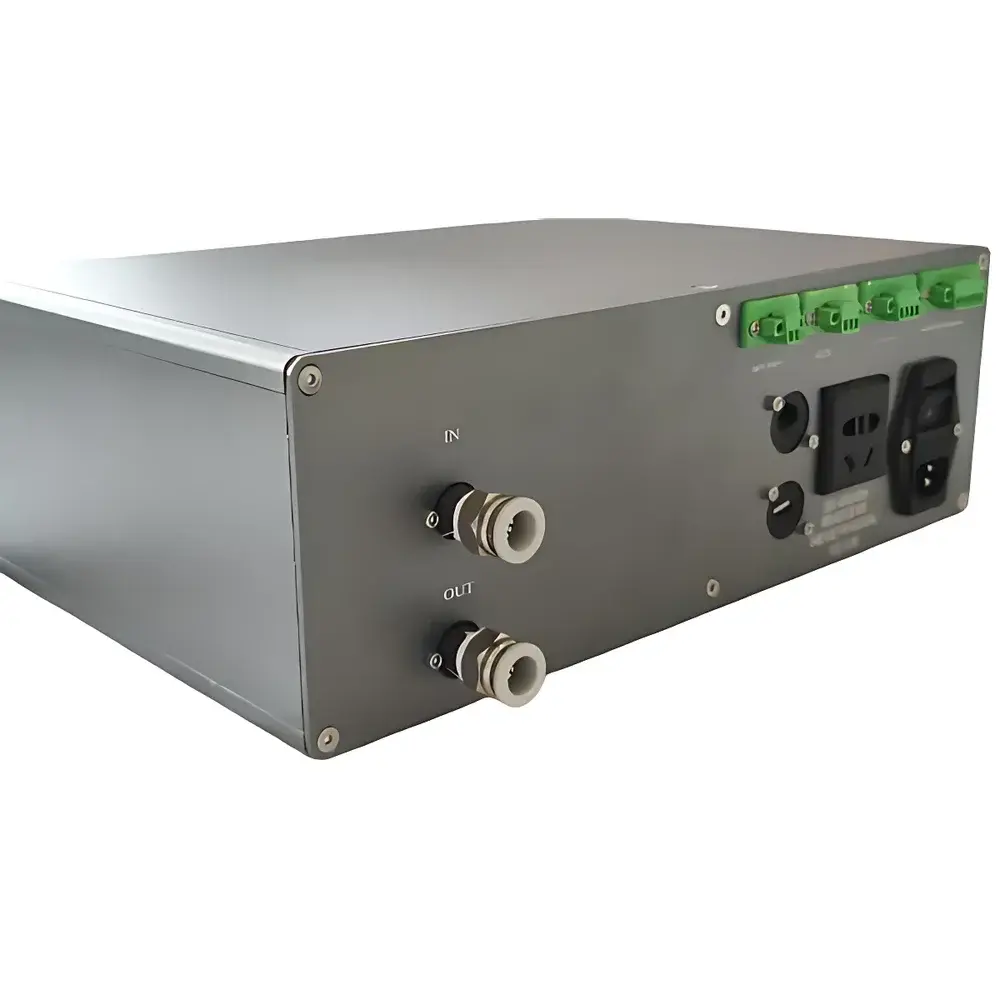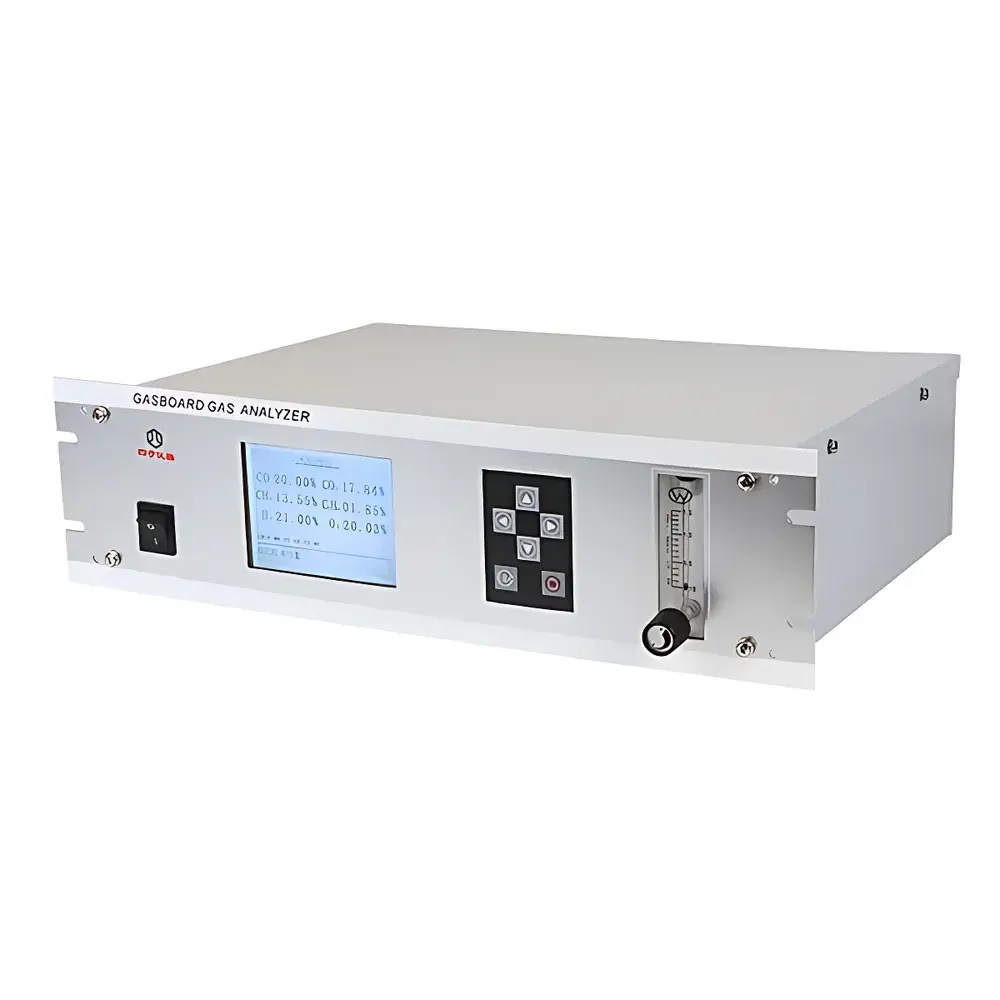
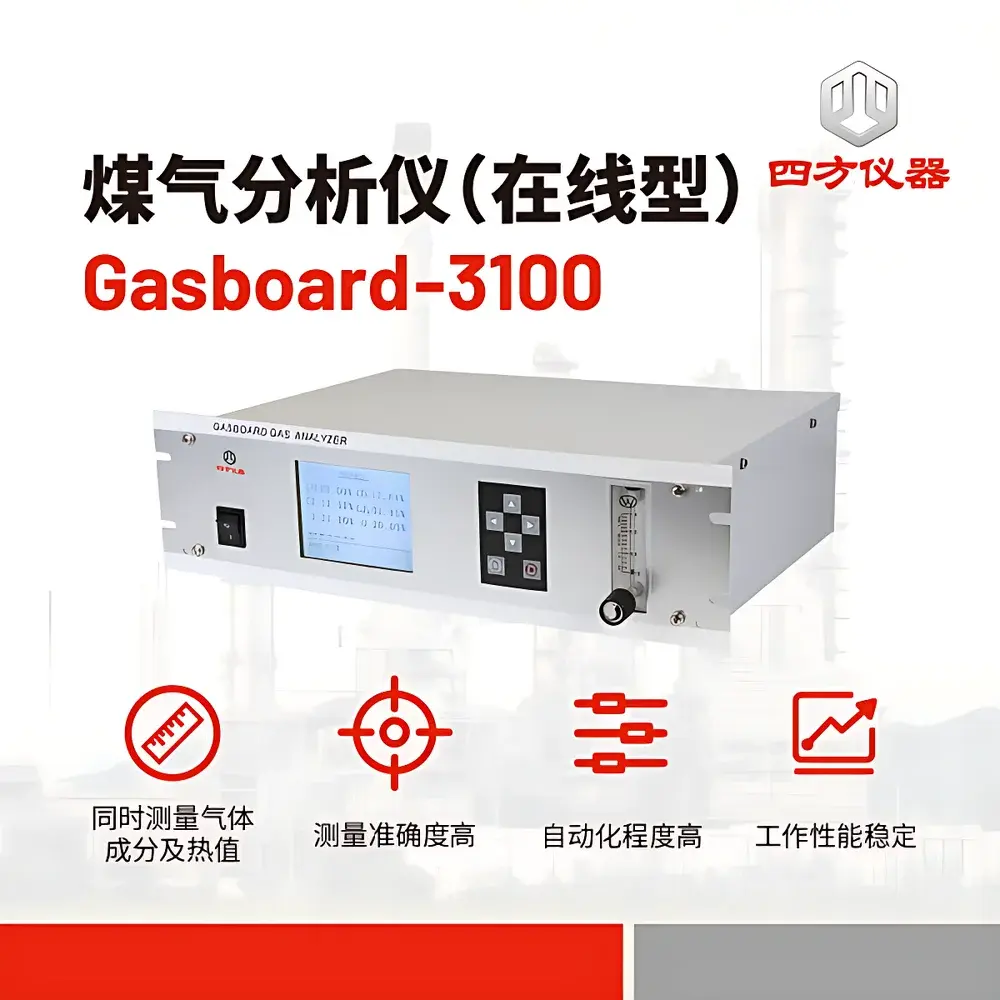
CUBIC INSTRUMENTS Gasboard-3100 Online Multi-Gas Analyzer with Calorific Value Calculation
| Brand | CUBIC INSTRUMENTS |
|---|---|
| Origin | Hubei, China |
| Model | Gasboard-3100 |
| Linear Error | CO/CO₂/CH₄/C₂H₂/C₂H₄/CnHm: ±1% FS |
| O₂/H₂ | ±2% FS |
| Repeatability | ≤1% |
| Response Time | T90 < 15 s (NDIR) |
| Measurement Principle | NDIR (CO, CO₂, CH₄, C₂H₂, C₂H₄, CnHm), TCD (H₂), ECD (O₂) |
| Flow Rate | 0.7–1.2 L/min |
| Sample Pressure | 2–50 kPa |
| Output | RS-485/RS-232, 4–20 mA |
| Power Supply | 100–240 VAC, 100 W |
Overview
The CUBIC INSTRUMENTS Gasboard-3100 is an industrial-grade online multi-gas analyzer engineered for continuous, real-time measurement of gas composition and calorific value in demanding process environments. It integrates three complementary analytical technologies—non-dispersive infrared (NDIR) spectroscopy for hydrocarbons and carbon oxides, thermal conductivity detection (TCD) for hydrogen, and electrochemical detection (ECD) for oxygen—within a single, unified platform. This hybrid architecture enables simultaneous, interference-free quantification of up to eight gas components: CO, CO₂, CH₄, H₂, O₂, C₂H₂, C₂H₄, and CnHm (total non-methane hydrocarbons). Critically, the instrument computes higher heating value (HHV) and lower heating value (LHV) in real time using ASTM D3588-17 and ISO 6976-compliant algorithms, eliminating the need for offline bomb calorimetry or empirical correlations. Designed for integration into continuous emission monitoring systems (CEMS) and process control loops, the Gasboard-3100 meets the functional requirements for long-term unattended operation in steelmaking, syngas production, biogas upgrading, and pilot-scale combustion research.
Key Features
- Multi-technology sensor fusion: Independent NDIR channels with optical filters and reference detectors ensure minimal cross-sensitivity—e.g., CnHm does not interfere with CH₄ quantification; CO, CO₂, and CH₄ exert no measurable effect on H₂ measurement via TCD.
- Calorific value synthesis: Real-time HHV/LHV calculation (in MJ/m³ and kcal/m³) based on measured volumetric concentrations and standardized thermodynamic data per ISO 6976:2016 Annex A.
- Environmental robustness: All infrared sensors feature active temperature stabilization (±0.1 °C), mitigating drift from ambient fluctuations; wetted materials include 316L stainless steel and PTFE—certified for exposure to corrosive syngas, coke oven gas, and raw biogas.
- Zero-stability assurance: Integrated zero-air pump enables automated, scheduled air-based calibration without external gas cylinders—compliant with EPA Method 205 verification protocols.
- Flow-insensitive H₂ detection: MEMS-based TCD design maintains accuracy across the full specified sample flow range (0.7–1.2 L/min), removing dependency on precision flow controllers.
- Diagnostics & traceability: Onboard self-diagnostic routines monitor sensor health, optical path integrity, and signal-to-noise ratio; all events logged with timestamps for GLP/GMP audit readiness.
Sample Compatibility & Compliance
The Gasboard-3100 accepts conditioned sample gas streams meeting ISO 8573-1 Class 4 particulate, Class 3 moisture, and Class 2 oil specifications. It is routinely deployed for analysis of blast furnace gas, coke oven gas, producer gas, landfill biogas, anaerobic digester gas, and biomass-derived syngas. While not certified to IEC 61508 SIL2 or ATEX Zone 1 out-of-the-box, the analyzer complies with EMC Directive 2014/30/EU and Low Voltage Directive 2014/35/EU. Its measurement uncertainty budget aligns with ISO/IEC 17025 requirements when operated within validated environmental and sampling conditions. Data integrity conforms to FDA 21 CFR Part 11 principles through secure user authentication, electronic signature capability, and immutable audit trails for calibration, maintenance, and alarm events.
Software & Data Management
The embedded firmware supports Modbus RTU over RS-485 and ASCII protocol over RS-232 for PLC and DCS integration. Analog 4–20 mA outputs are individually assignable to any measured parameter or computed value (e.g., CH₄%, HHV, or O₂ deviation). Local LCD display provides real-time concentration plots, diagnostic status icons, and configuration menus accessible via keypad navigation. Optional PC software (Gasboard Control Suite v3.x) enables remote firmware updates, trend logging at user-defined intervals (1 s to 1 h), and export of CSV/Excel-compatible datasets with ISO 8601 timestamps. All stored data includes metadata: sensor serial numbers, calibration due dates, and environmental compensation coefficients—supporting ISO 17025 clause 7.7 traceability requirements.
Applications
- Metallurgical process optimization: Continuous monitoring of blast furnace top gas and coke oven gas for CO/CO₂/CH₄/H₂ ratios to optimize coke rate, reduce energy consumption, and predict slag chemistry.
- Biogas quality assurance: Quantification of CH₄, CO₂, H₂S (via optional add-on), and CnHm to verify upgrading efficiency prior to grid injection or vehicle fuel use—aligned with EN 16723-1:2016 specifications.
- Syngas characterization: Real-time tracking of H₂/CO ratio and tar surrogate (CnHm) content during gasification trials, enabling dynamic adjustment of steam/oxygen feed rates.
- Combustion research: High-frequency gas sampling in burner test rigs and fluidized bed reactors to validate kinetic models and quantify incomplete combustion products (C₂H₂, C₂H₄).
- Regulatory compliance: Integration into EPA Subpart Ja or EU IED-compliant CEMS for reporting of CO, NOx (via optional chemiluminescence module), and total hydrocarbon emissions.
FAQ
Does the Gasboard-3100 require span gas calibration for routine operation?
No—span calibration is recommended only after sensor replacement or major maintenance. Daily zero checks using the built-in air pump satisfy routine verification per ISO 14034 and ASTM D6522.
Can CnHm be quantified independently of individual alkanes or alkenes?
Yes. CnHm represents the summed response of all non-methane hydrocarbons detected by the broad-band NDIR channel centered near 3.3–3.5 µm, calibrated against propane-equivalent standards per ISO 8178-4.
Is the instrument suitable for high-dust applications such as raw producer gas?
It requires upstream filtration to ISO 8573-1 Class 4. We recommend pairing with a heated ceramic filter and chiller-based moisture removal—available as a factory-integrated pre-conditioning package (Gasboard-PRE-200).
How is traceability maintained for calorific value calculations?
All thermodynamic constants used in HHV/LHV computation derive from NIST Chemistry WebBook (SRD 69) and are version-locked in firmware. Calibration certificates include uncertainty budgets per GUM (JCGM 100:2008).
What cybersecurity provisions are implemented in the communication stack?
RS-485/Modbus traffic is unencrypted by default but supports hardware-level isolation and configurable write-protection zones. For IT/OT convergence, we advise deployment behind industrial firewalls with role-based access control at the SCADA layer.
Related Products