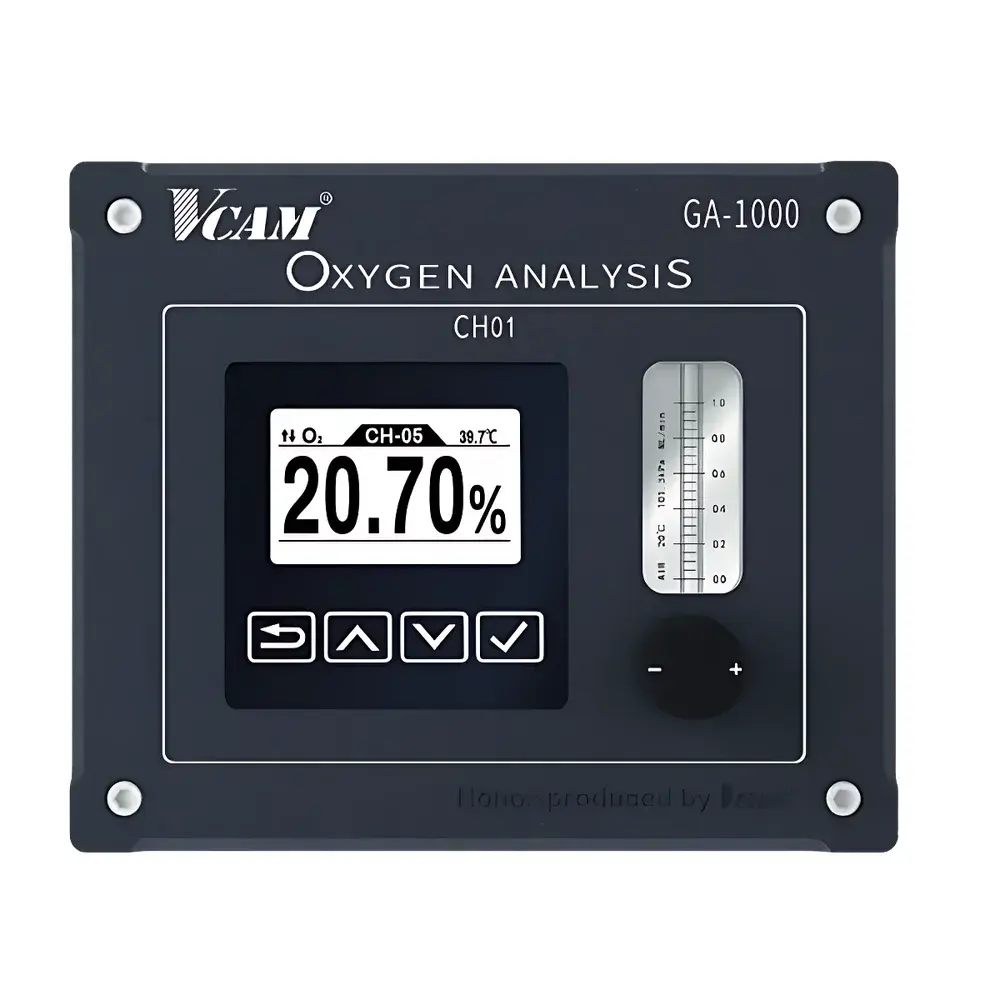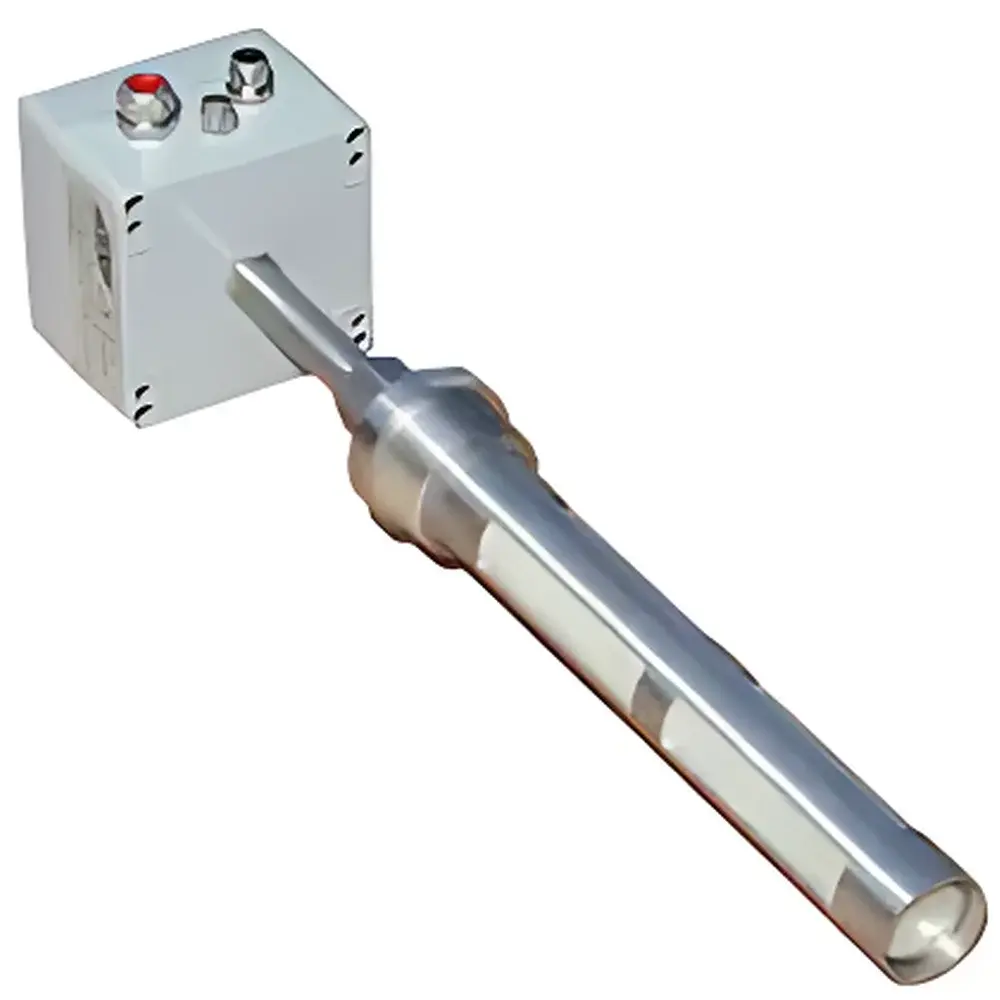
DH-800-FLD Zirconia-Based Online Flue Gas Oxygen Analyzer
| Origin | Beijing, China |
|---|---|
| Manufacturer Type | Authorized Distributor |
| Origin Category | Domestic (PRC) |
| Model | DH-800-FLD |
| Price Range | USD 7,000 – 14,000 |
| Measurement Range | 0–25% O₂ (3-digit display) |
| Accuracy | ±2% of reading |
| Linearity | ±1% of full scale (analog output) |
| Repeatability | ±0.5% of full scale (analog output) |
| Stability | ±2% of full scale over 24 h (zero & span) |
| Analog Output Options | 0–5%, 0–10%, or 0–25% O₂ range with selectable signals — 0–10 mA, 4–20 mA, 0–10 mV, or 1–5 V DC (load ≤750 Ω) |
| Warm-up Time | ≤25 min |
| Power Consumption | <80 W |
| Supply Voltage | 220 V ±10% AC, 50 Hz ±10% |
| Operating Ambient Temp. | Converter: −5 to +50 °C |
| Sensor | −10 to +80 °C |
| Sample Gas Temp. Range | Low-temp version: 0–600 °C (Models 112 & 112F) |
| High-temp version | 0–1400 °C (Model 112G) |
| Sample Pressure Range | −500 to +500 mm H₂O |
| Response Time (T₉₀) | ≤5 s |
| Probe Length Options | 0.2 m, 0.4 m, 0.8 m, 1.0 m, 1.2 m, or custom |
| Converter Dimensions | 212 × 274 × 120 mm (tolerance ±1 mm) |
Overview
The DH-800-FLD Zirconia-Based Online Flue Gas Oxygen Analyzer is a robust, in-situ paramagnetic-free oxygen monitoring system engineered for continuous, real-time measurement of O₂ concentration in industrial combustion exhaust streams. It employs high-stability yttria-stabilized zirconium dioxide (YSZ) solid electrolyte technology operating on the principle of oxygen ion conduction across a heated ceramic cell under a thermal gradient. At elevated temperatures (>650 °C), the zirconia element becomes conductive to O²⁻ ions, generating an electromotive force (EMF) proportional to the logarithmic ratio of oxygen partial pressures between the reference air and the process flue gas. This Nernst-based electrochemical transduction enables direct, drift-resistant measurement without consumables or external calibration gases—ideal for long-term deployment in boiler, furnace, kiln, and incinerator applications where fuel efficiency optimization and emissions compliance are critical.
Key Features
- High-temperature zirconia sensor with dual-range capability: standard low-temperature probe (0–600 °C) and optional high-temperature variant (0–1400 °C) for direct insertion into primary combustion zones;
- True in-situ measurement architecture eliminating sampling lines, pumps, filters, and condensate traps—reducing maintenance burden and response latency;
- Integrated analog output interface supporting configurable O₂ ranges (0–5%, 0–10%, or 0–25% O₂) and signal types (4–20 mA, 0–10 mA, 0–10 mV, 1–5 V DC) compliant with DCS/PLC input standards;
- Fast T₉₀ response time of ≤5 seconds ensures dynamic combustion control loop compatibility;
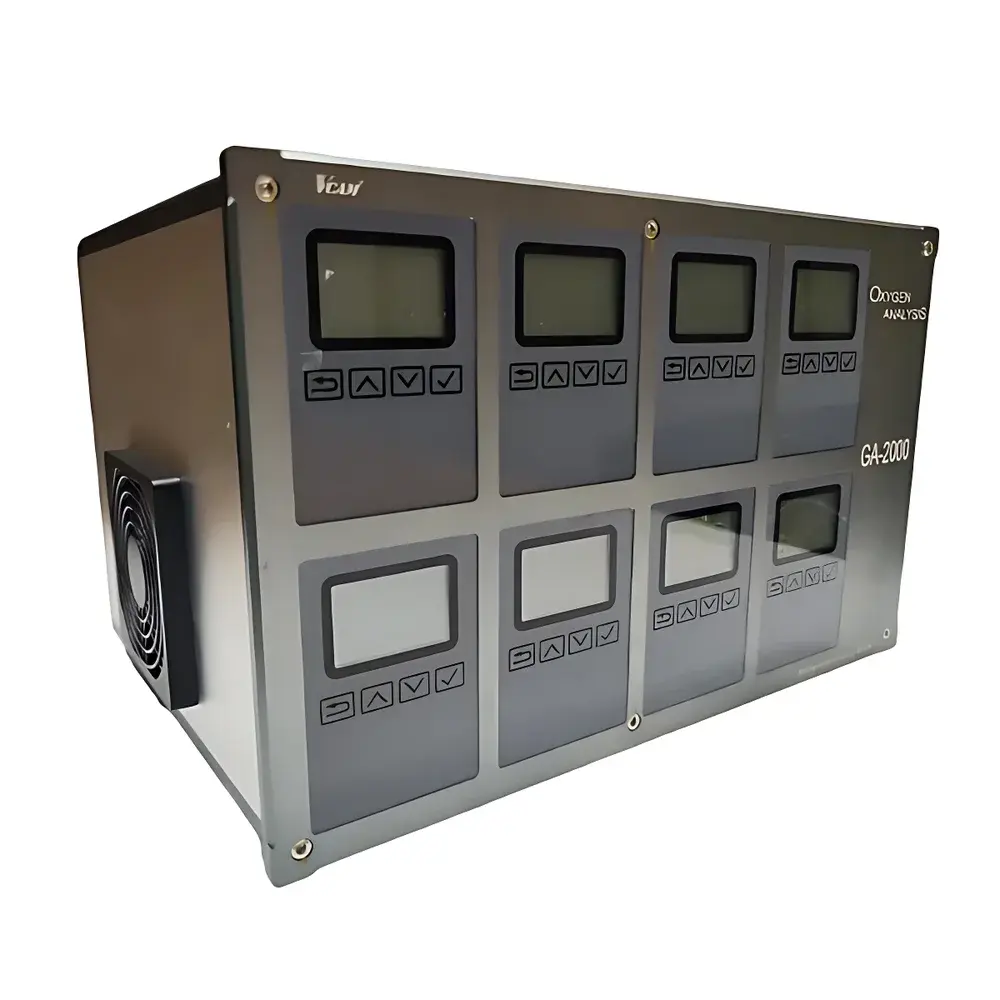
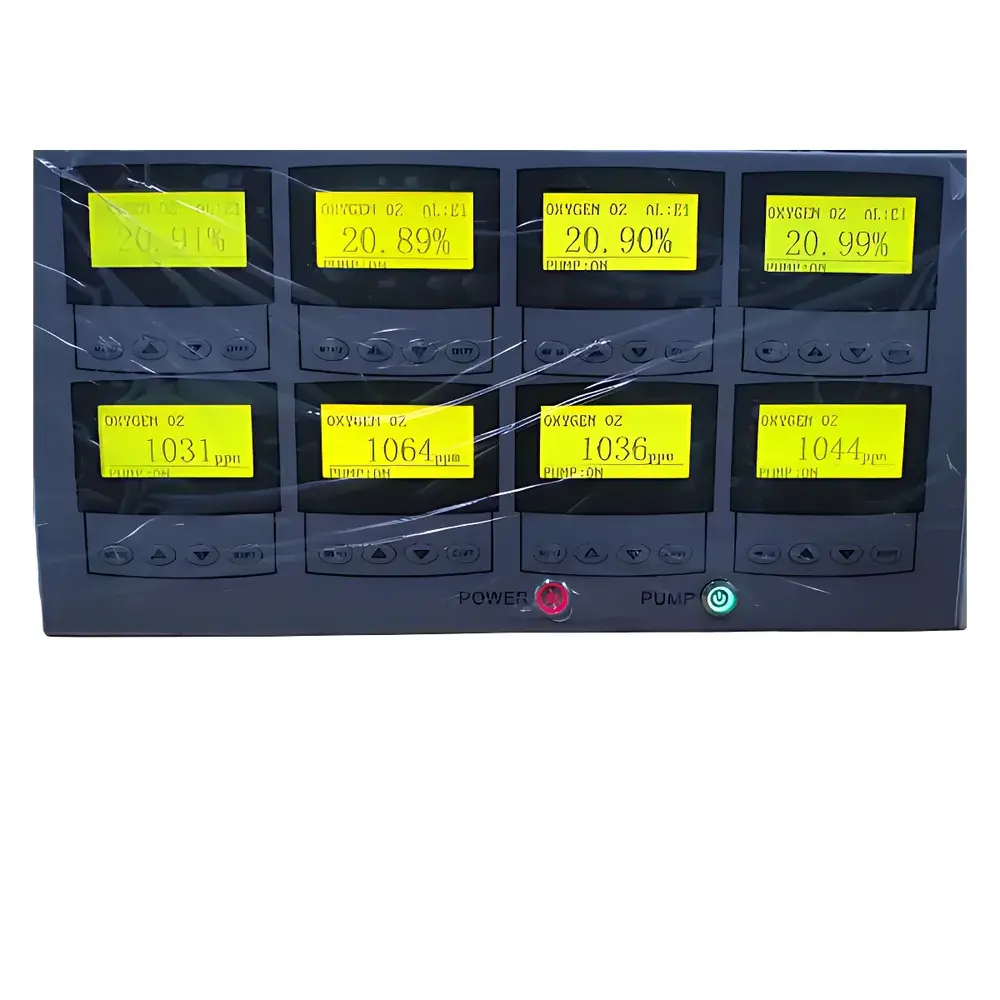
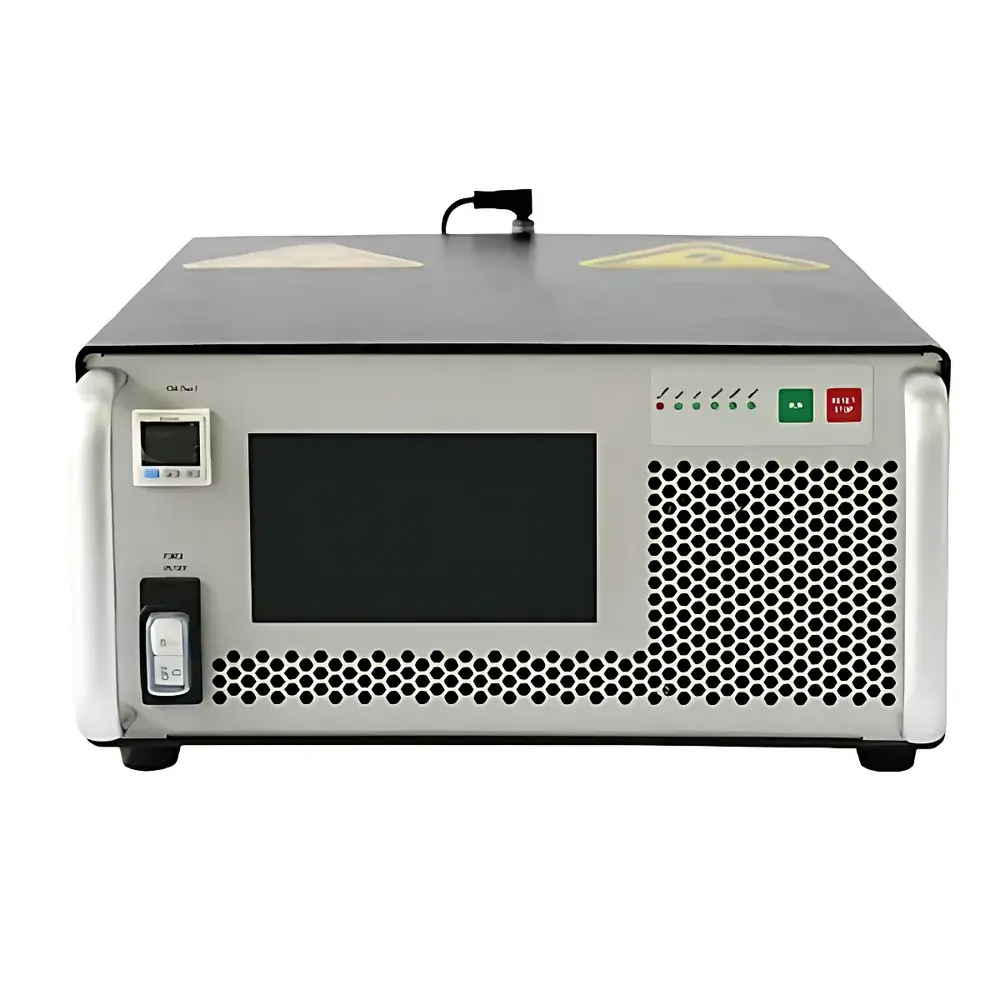
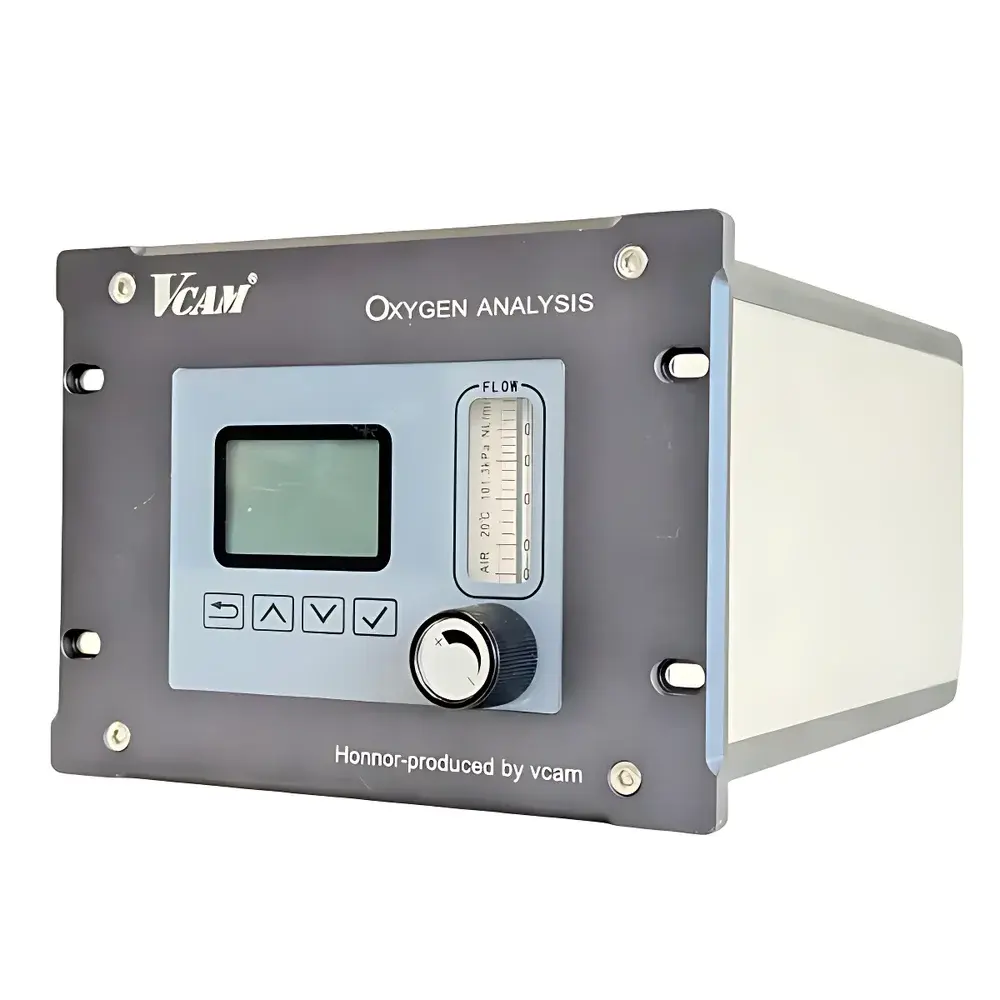
- Self-contained converter unit with front-panel digital display (3-digit resolution), local zero/span adjustment, and diagnostic LED indicators;
- Field-serviceable probe design with multiple insertion lengths (0.2–1.2 m) and standardized flange-mounting interface for retrofit compatibility with existing ductwork;
- Low power consumption (<80 W) and wide ambient operating range (−5 to +50 °C for electronics; −10 to +80 °C for sensor housing) support unconditioned cabinet installation.
Sample Compatibility & Compliance
The DH-800-FLD is designed for direct mounting in steel or refractory-lined flues with minimal gas velocity disturbance. Optimal installation location—typically between superheater and economizer in boiler systems—balances thermal exposure, flow uniformity, and representative sampling while avoiding stagnant zones or high-velocity erosion paths. The analyzer requires stable sample pressure (±500 mm H₂O) and tolerates moderate particulate loading typical of coal-, oil-, or gas-fired combustion processes. It meets general requirements for industrial emission monitoring per ISO 14064-1 (GHG quantification) and supports combustion optimization aligned with ASTM D6216 (Standard Practice for Continuous Emission Monitoring of Gaseous Pollutants from Stationary Sources). While not certified to EN 15267 or EPA PS-3, its performance specifications—including ±2% accuracy, ±0.5% repeatability, and 24-hour stability of ±2% FS—are consistent with Class II analyzers used for process control under ANSI/ISA-77.41 and IEC 61511 functional safety frameworks.
Software & Data Management
The DH-800-FLD operates as a standalone hardware analyzer with no embedded firmware-based data logging or network connectivity. All configuration, calibration, and diagnostics are performed manually via front-panel controls and analog output verification. For integration into centralized SCADA or MES environments, the 4–20 mA output may be connected to third-party data acquisition systems supporting Modbus RTU (via optional signal conditioner) or OPC UA gateways. Audit trails, calibration records, and trend analysis must be maintained externally per GLP/GMP documentation practices. The device does not implement FDA 21 CFR Part 11 electronic signature or audit trail functionality; users requiring regulatory-compliant data integrity should deploy validated external historian systems with appropriate validation protocols.
Applications
- Combustion efficiency optimization in utility and industrial boilers (coal, biomass, natural gas);
- Excess air control in cement rotary kilns and lime calciners;
- O₂ trim adjustment in refinery fired heaters and steam reformers;
- Flue gas recirculation (FGR) monitoring for NOₓ reduction systems;
- Incinerator off-gas stoichiometry verification in waste-to-energy plants;
- Carbon capture readiness assessment via continuous O₂/CO₂ ratio trending;
- Pre-combustion and post-combustion air-fuel ratio validation in cogeneration units.
FAQ
What is the recommended installation location for optimal accuracy and sensor longevity?
Install the probe in a representative flue section with laminar flow, ideally between superheater and economizer—avoiding furnace exit (excessive temperature/erosion) and air preheater outlet (leak-induced O₂ bias).
Does the analyzer require periodic calibration with certified gas standards?
Zero calibration using ambient air is recommended every 3–6 months; span verification may be performed with certified O₂/N₂ mixtures if process conditions deviate significantly from baseline.
Can the DH-800-FLD operate in reducing atmospheres containing CO or H₂?
Yes—the zirconia cell remains functional in mildly reducing environments, though prolonged exposure to >5% CO at >800 °C may accelerate electrode degradation; consult application engineering for severe reducing cases.
Is the probe compatible with wet or corrosive flue gas streams?
The standard Inconel 600 probe sheath resists sulfidation and chloride attack up to 600 °C; for high-acid or high-moisture applications, optional ceramic-coated or Hastelloy variants are available.
What electrical protection class does the converter enclosure meet?
The converter meets IP54 rating (dust-protected, splash-resistant); for outdoor or hazardous area use, specify NEMA 4X or ATEX/IECEx-certified enclosures as optional accessories.