
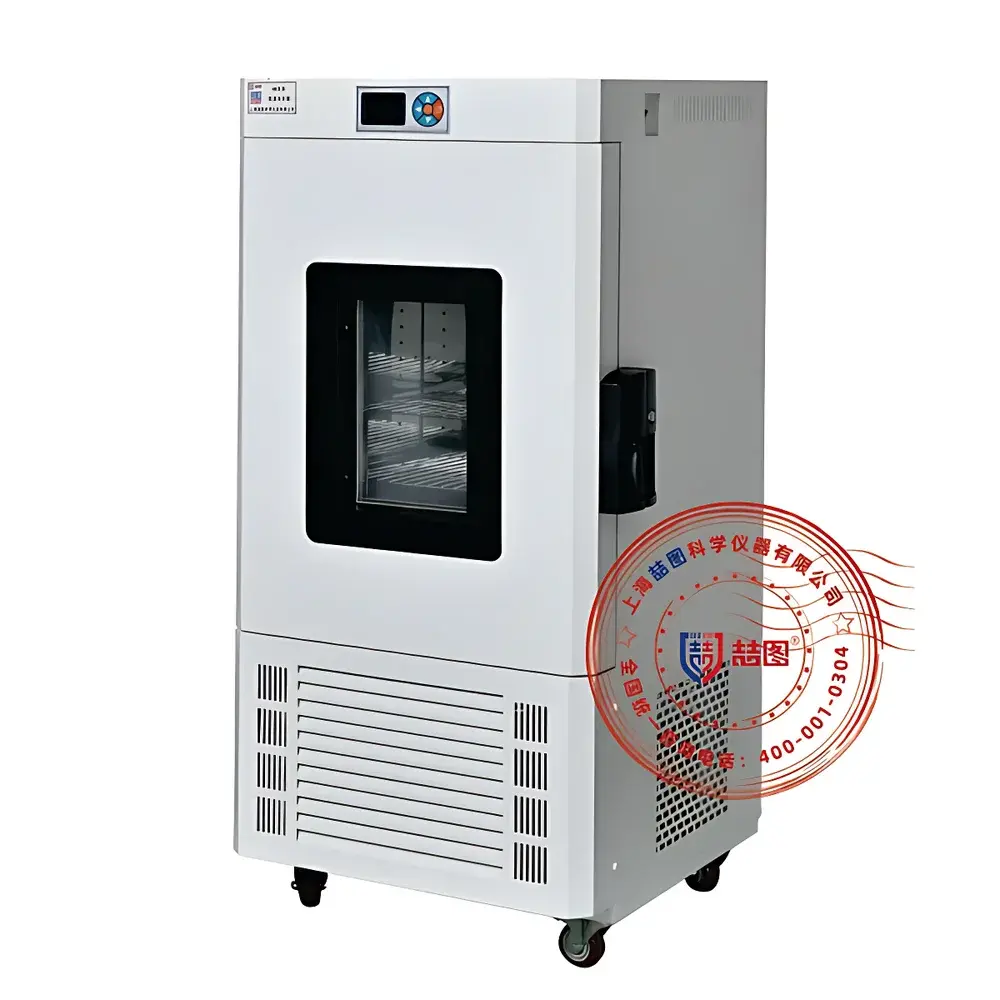
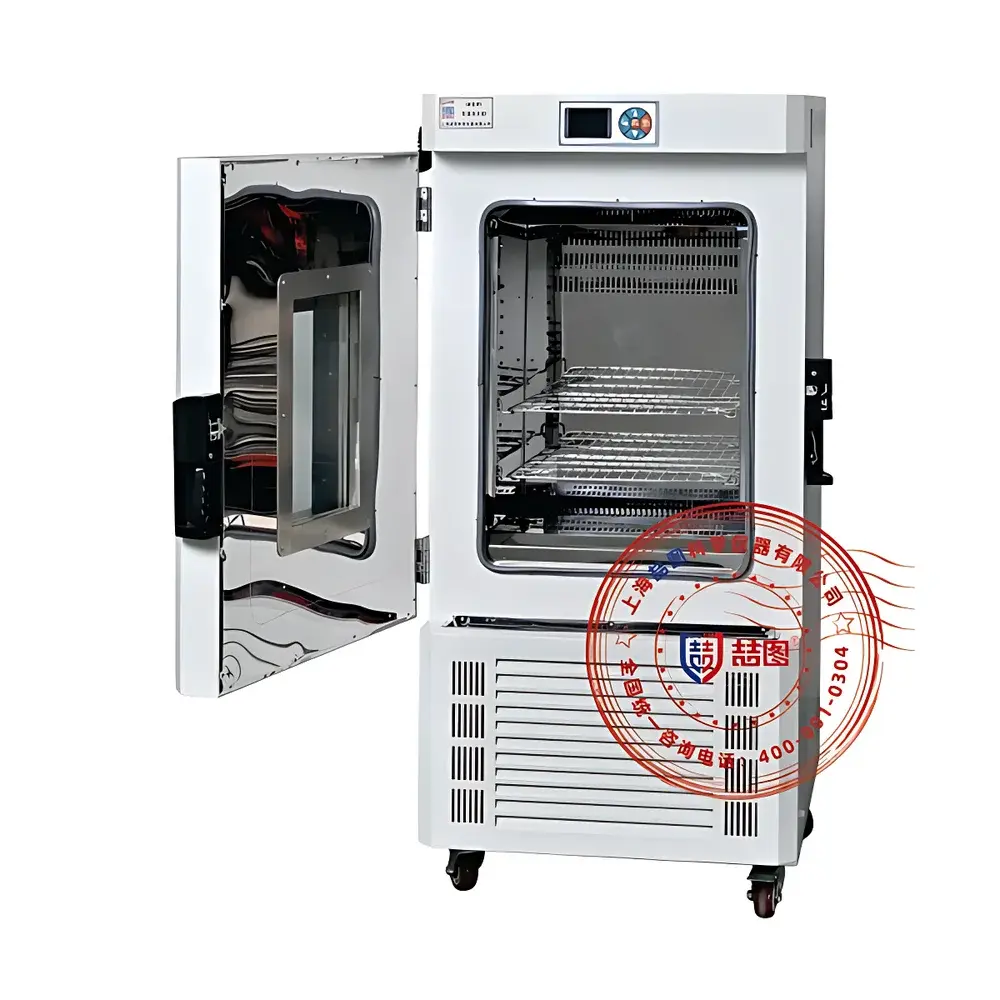
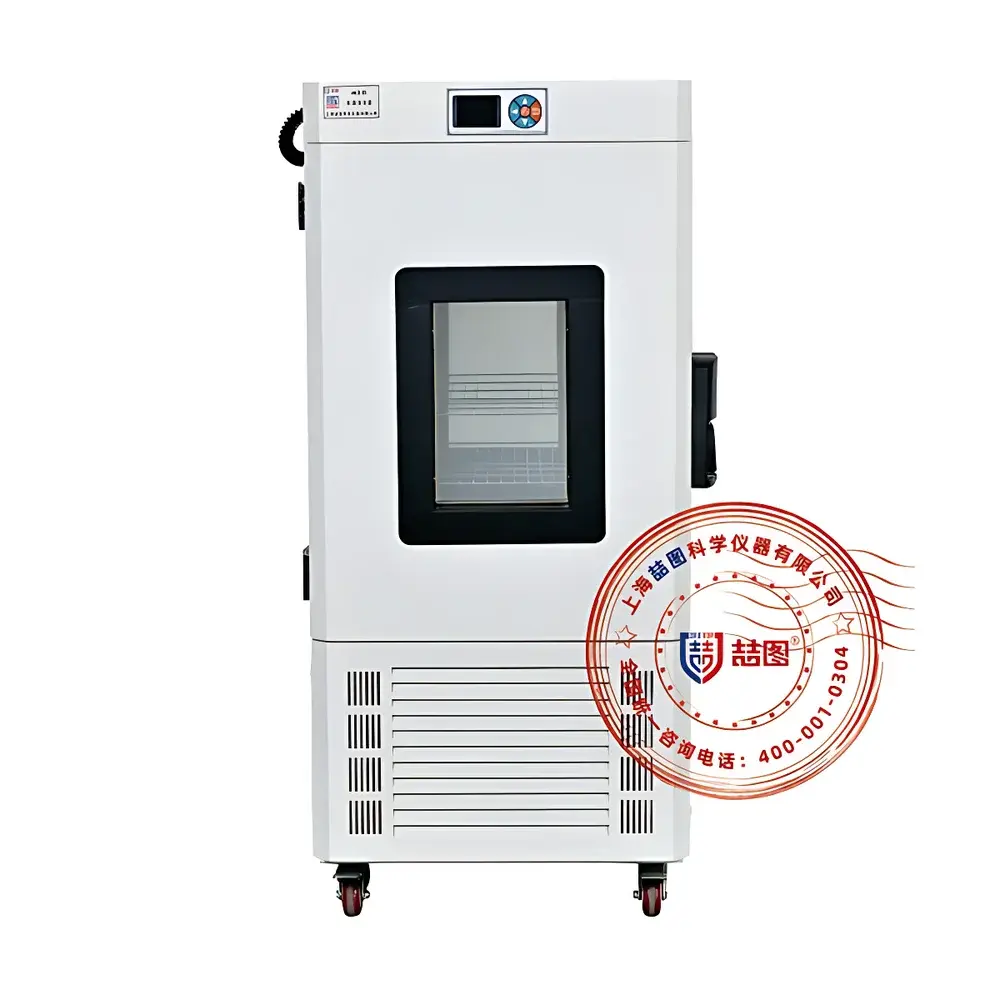
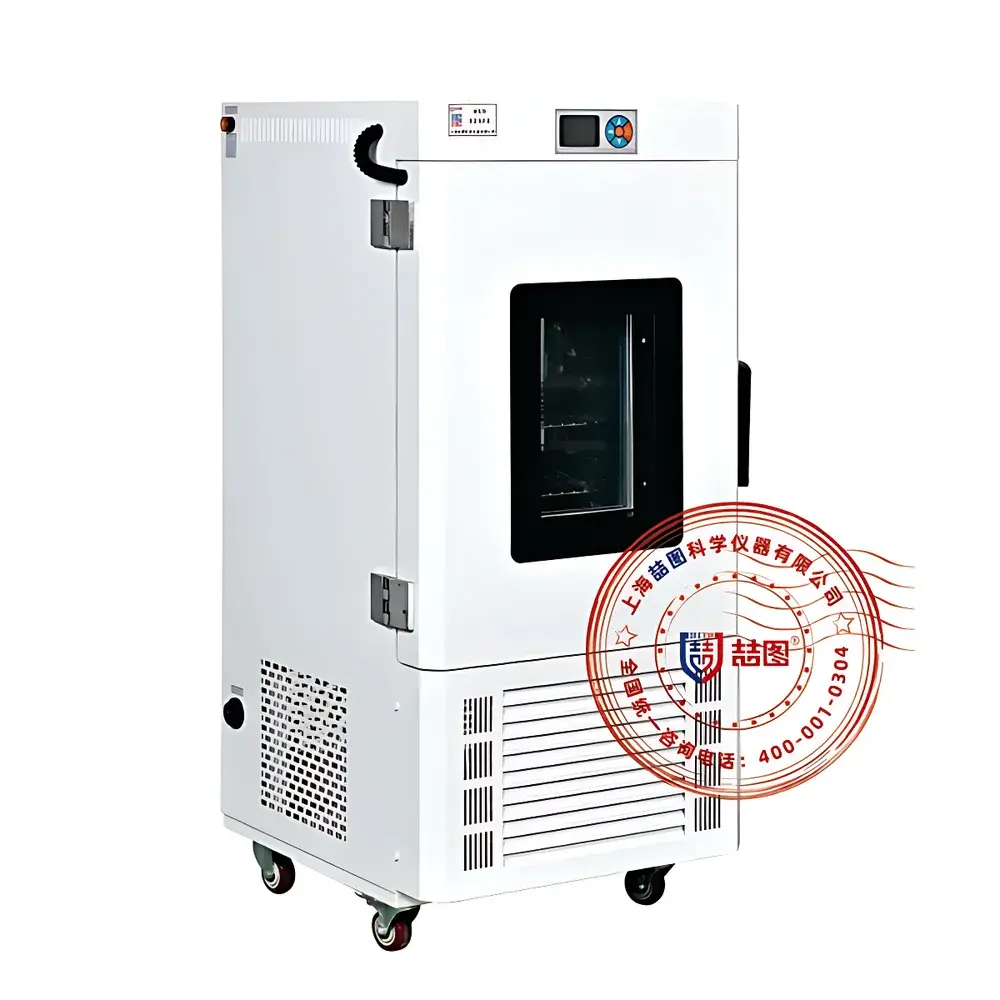
DRETOP DW-500CB Low-Temperature Incubator
| Brand | DRETOP |
|---|---|
| Origin | Shanghai, China |
| Manufacturer Type | Direct Manufacturer |
| Country of Origin | China |
| Model | DW-500CB |
| Cooling Method | Compressor-based Refrigeration |
| Heating Method | Air-Jacketed Heating |
| Temperature Range | −40 °C to +65 °C (standard key-lock door) |
| Temperature Resolution | 0.1 °C |
| Temperature Uniformity | Not specified |
| Temperature Fluctuation | ±0.5 °C |
| Capacity | 500 L |
| External Dimensions | 970 mm (W) × 1130 mm (D) × 1980 mm (H) |
Overview
The DRETOP DW-500CB Low-Temperature Incubator is an engineered environmental control system designed for precise, stable, and reproducible temperature regulation across a broad operational range—from cryogenic storage conditions at −40 °C to elevated incubation temperatures up to +65 °C. Unlike standard CO₂ or humidified incubators, the DW-500CB employs a dual-mode thermal architecture: compressor-driven refrigeration for sub-ambient cooling and air-jacketed resistive heating for uniform thermal distribution. This configuration ensures minimal thermal gradients and high fidelity in long-term sample conditioning—critical for applications demanding strict adherence to ISO 17025-compliant environmental stability protocols. The unit meets fundamental design requirements for GLP and GMP-aligned laboratories, particularly where preservation integrity of biological reagents, cell culture media, pharmaceutical intermediates, or electronic components under controlled low-temperature stress must be documented and auditable.
Key Features
- Microprocessor-based P.I.D. temperature controller with 0.1 °C resolution and ±0.5 °C fluctuation tolerance—calibrated against NIST-traceable reference standards during factory validation.
- Reinforced cold-rolled steel outer casing with stainless-steel interior chamber; fully removable, height-adjustable stainless-steel shelves enable complete sanitization and residue-free cleaning per USP and ISO 14644-1 Class 5 cleanroom maintenance guidelines.
- Integrated key-lock mechanism on the insulated double-glazed door prevents unauthorized access—essential for secure storage of regulated substances or proprietary experimental samples.
- Embedded anti-fog observation window with built-in heating element eliminates condensation and maintains optical clarity during extended low-temperature operation.
- 25 mm diameter external access port (stainless-steel capped when unused) supports integration with external sensors, power feeds, or data loggers without compromising chamber integrity.
- Modular refrigeration system with programmable compressor start-delay and inter-cycle cooldown intervals extends service life and reduces thermal shock-induced mechanical fatigue.
- Four-directional casters with independent locking feet provide both mobility during facility reconfiguration and rigid stabilization during precision incubation cycles.
Sample Compatibility & Compliance
The DW-500CB accommodates a wide spectrum of temperature-sensitive materials—including lyophilized proteins, primary cell suspensions, antibiotic stock solutions, polymer-based calibration standards, and semiconductor wafers undergoing thermal cycling qualification. Its −40 °C capability aligns with ICH Q5C stability testing conditions for biologics, while the +65 °C upper limit satisfies accelerated aging protocols per ASTM E1982 and ISO 11348. The unit’s air-jacketed heating architecture ensures rapid recovery after door openings—a requirement specified in FDA 21 CFR Part 11 Annex 11 for electronic record integrity in regulated environments. Though not certified to UL 61010-1 or EN 61000-6-3 out-of-the-box, its electrical architecture supports third-party safety certification upon request.
Software & Data Management
The embedded controller supports optional RS485 serial interface (Modbus RTU protocol), enabling integration into centralized laboratory information management systems (LIMS) or SCADA platforms for real-time temperature logging and alarm forwarding. When paired with optional accessories—including an independent over-temperature cut-off module, color touchscreen upgrade, or thermal printer—the system delivers full audit trail functionality compliant with ALCOA+ principles (Attributable, Legible, Contemporaneous, Original, Accurate, Complete, Consistent, Enduring, Available). All parameter settings are retained through power interruption via non-volatile memory, satisfying continuity-of-operation requirements under ISO/IEC 17025 Clause 7.7.
Applications
- Long-term storage of microbial cultures, viral vectors, and cryopreserved cell lines at defined sub-zero setpoints.
- Stability testing of diagnostic reagents, vaccine adjuvants, and excipient blends under ICH Q1A–Q1E environmental stress profiles.
- Pre-conditioning of aerospace-grade composites and MEMS devices prior to thermal shock evaluation per MIL-STD-810G Method 502.6.
- Controlled degradation studies of organic photovoltaic materials under inert atmosphere-compatible low-temperature regimes.
- Environmental simulation for electronics reliability testing, including solder joint fatigue assessment per JEDEC JESD22-A104.
FAQ
What is the minimum achievable temperature with the DW-500CB?
The unit achieves and maintains −40 °C throughout the full 500 L chamber volume under standard ambient conditions (25 °C, 60% RH), verified per ISO 105-B02 cold-hold validation methodology.
Is the temperature uniformity specification available for this model?
Uniformity data is application-dependent and requires on-site mapping per ISO 14644-3; DRETOP provides guidance documentation and recommends third-party qualification using calibrated thermocouple arrays.
Can the DW-500CB operate continuously for extended periods?
Yes—the compressor system includes automatic duty-cycle modulation and thermal overload protection, supporting uninterrupted operation for ≥12 months under routine laboratory load conditions.
Does the unit comply with energy efficiency regulations such as EU Ecodesign Directive 2019/2023?
It utilizes R290 (propane) refrigerant—a natural, zero-ozone-depletion, low-GWP alternative—and meets Tier II energy performance benchmarks for laboratory refrigerated equipment.
Is remote monitoring supported natively?
Native Ethernet or Wi-Fi connectivity is not integrated; however, the RS485 interface allows connection to industrial gateways supporting MQTT or OPC UA protocols for cloud-based telemetry deployment.




