
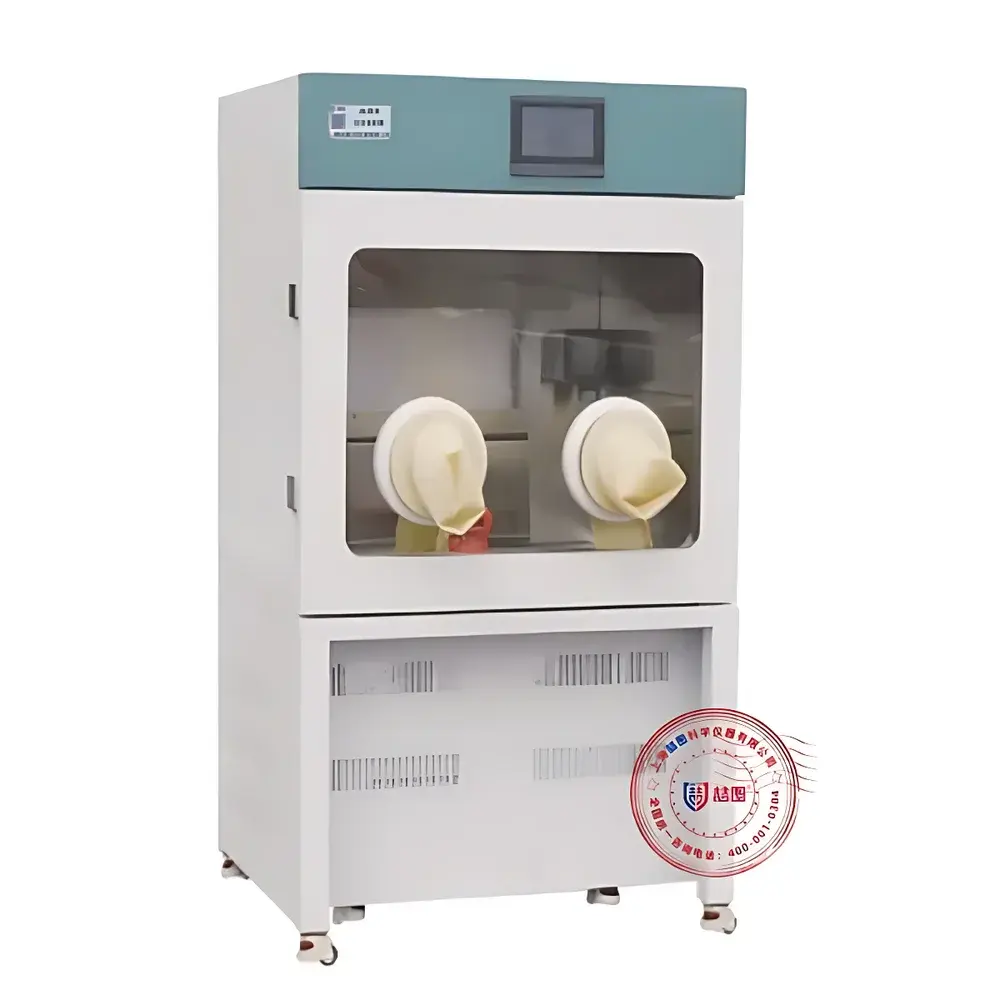
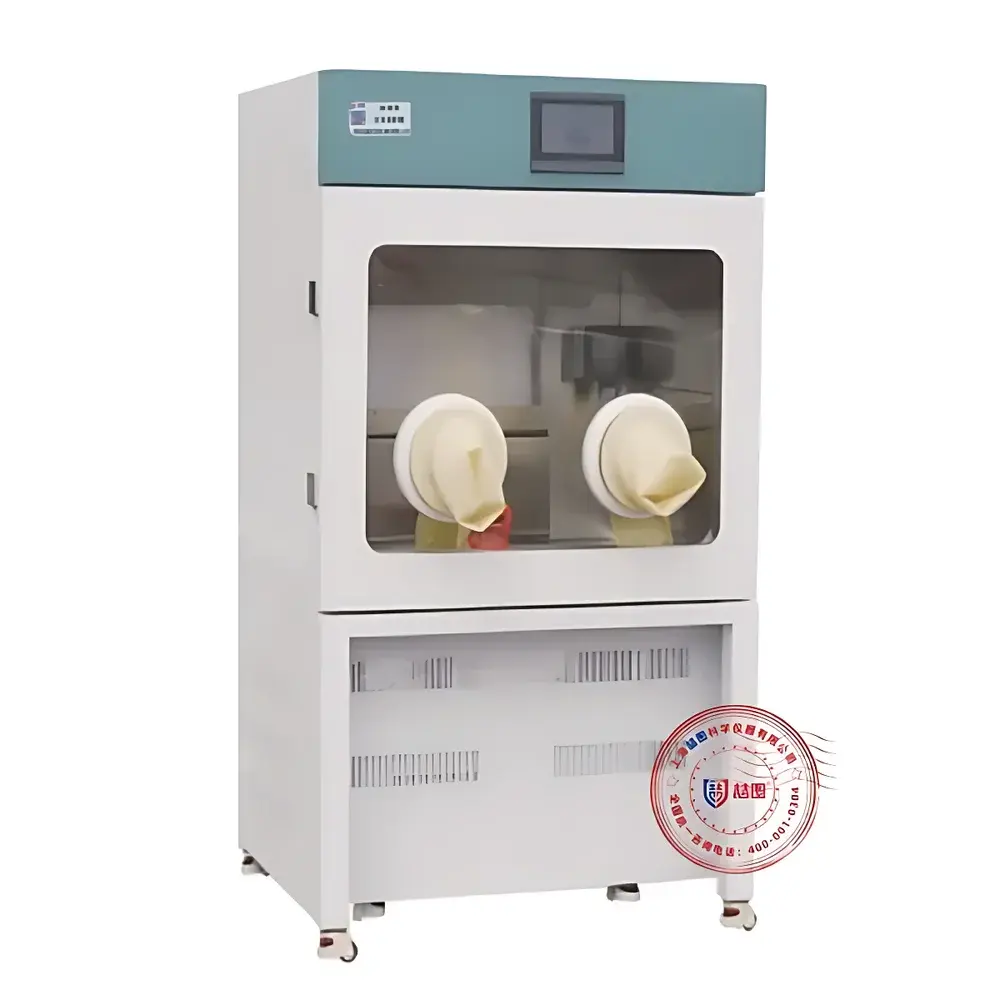
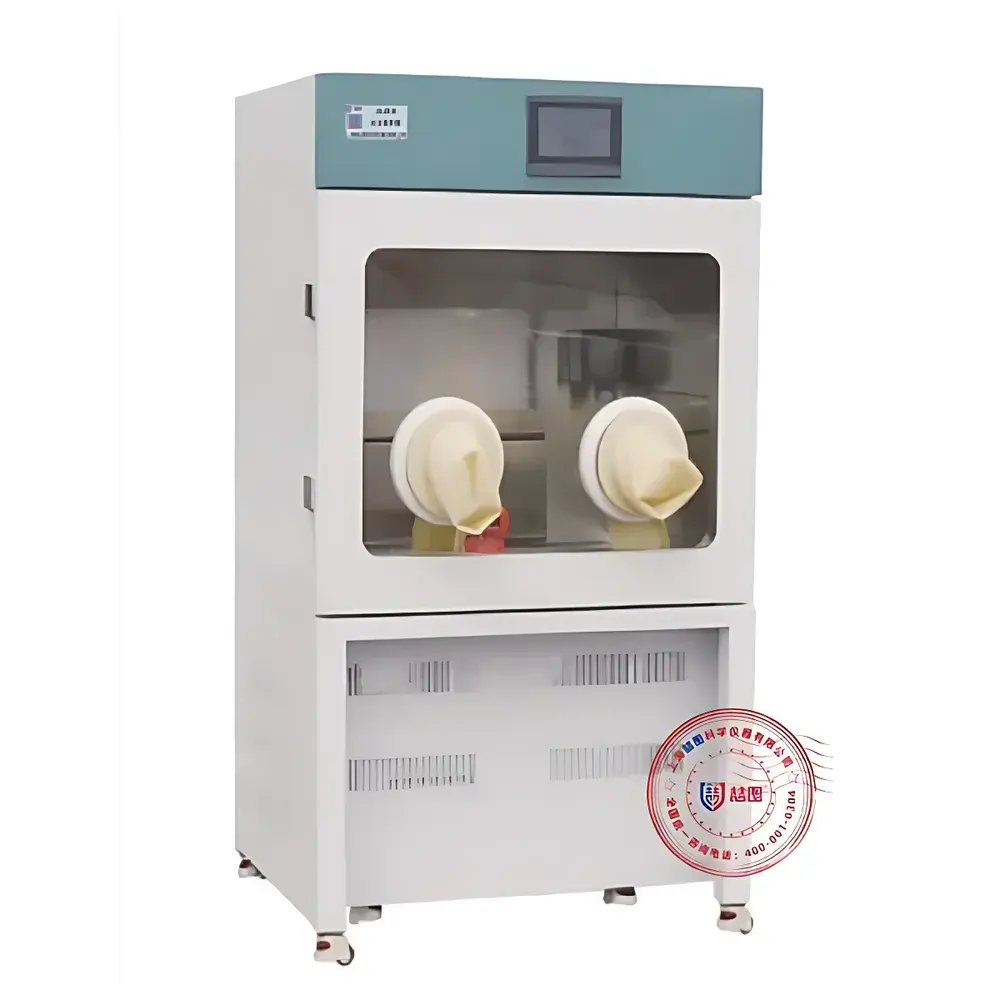
DRETOP HWS-3900 Precision Temperature- and Humidity-Controlled Weighing System
| Brand | DRETOP |
|---|---|
| Origin | Shanghai, China |
| Manufacturer Type | Direct Manufacturer |
| Product Category | Domestic |
| Model | HWS-3900 |
| Instrument Type | Upright Chamber |
| Cooling Method | Air-Cooled |
| Temperature Range | 5–60 °C |
| Humidity Range | 40–90 %RH |
| Temperature Uniformity | ±0.5 °C |
| Humidity Uniformity | ±3 %RH |
| Internal Chamber Dimensions (W×D×H) | 560×790×650 mm |
| Power Supply | AC 220 V, 50 Hz |
| Temperature Resolution | 0.1 °C |
| Standard Load Shelf | 1 unit |
| Compliance | HJ 836–2017, GB/T 2423.3–1993, GB/T 2423.4–1993, GB 5170.2–1995, GB 5170.5–1995, JJG 1036, GB/T 16157–1996 (as amended), HJ 656, HJ/T 373, HJ/T 397 |
Overview
The DRETOP HWS-3900 Precision Temperature- and Humidity-Controlled Weighing System is an engineered environmental weighing workstation designed specifically for gravimetric analysis of particulate matter in ambient air and stack emissions. It integrates a high-stability climate-controlled chamber with precision analytical balance integration to meet the stringent environmental conditioning requirements mandated by HJ 836–2017 (“Determination of Low-Concentration Particulate Matter in Fixed Pollution Source Exhaust Gas – Gravimetric Method”) and complementary standards including HJ 656, GB/T 2423.3, and GB/T 16157 (as amended). The system operates on the principle of controlled equilibration: filter samples are conditioned at specified temperature (5–60 °C) and relative humidity (40–90 %RH) for ≥24 hours prior to weighing, minimizing hygroscopic mass drift and thermal expansion artifacts. This eliminates inter-laboratory variability caused by uncontrolled ambient fluctuations—critical for achieving sub-milligram repeatability in PM2.5, TSP, and low-concentration source emission measurements.
Key Features
- Independent heating and cooling circuits enable rapid stabilization (<30 min) and precise thermal control with ±0.5 °C uniformity across the 560×790×650 mm working chamber;
- Airflow-optimized internal duct design ensures homogeneous humidity distribution while suppressing turbulent flow near the balance pan—minimizing aerodynamic interference during weighing;
- Vibration-isolated architecture: compressor and fan assemblies are mechanically decoupled from the chamber body; stainless steel inner chamber mounted on multi-stage anti-vibration support frame;
- Negative-pressure sealed chamber with interlocked access door prevents cross-contamination and ingress of ambient airborne particles during sample handling;
- 7-inch color touchscreen controller with real-time温湿度 (T/RH) display, historical trend graphs, and tabular data logging (≥10,000 records);
- Integrated RS232/USB balance interface compatible with METTLER TOLEDO, SARTORIUS, and other Class I analytical balances (per JJG 1036); weight data synchronized and timestamped within the system’s embedded database;
- Comprehensive safety suite: overtemperature cutoff, refrigerant pressure monitoring, fan overheat protection, leakage current detection, short-circuit and overload circuit breakers, and audible/visual alarm triggers.
Sample Compatibility & Compliance
The HWS-3900 accommodates standard 47 mm and 90 mm quartz or PTFE filter membranes, Petri dishes, weighing boats, and custom sample holders (optional fixtures available). Its chamber geometry and airflow profile have been validated for uniform conditioning of multiple filters simultaneously without edge-effects or stratification. The system fully complies with Chinese national and environmental industry standards governing particulate mass determination—including HJ 836–2017 (which specifies ≤20 mg/m³ low-concentration PM measurement), HJ 656 (PM2.5 manual gravimetric method), and HJ/T 373 (QA/QC protocols for fixed-source monitoring). It also satisfies metrological requirements per JJG 1036 for electronic balance integration and environmental test equipment verification per GB/T 5170.2 and GB/T 5170.5. All operational parameters—including temperature setpoint, RH setpoint, dwell time, and balance calibration logs—are traceable and exportable for GLP/GMP audit readiness.
Software & Data Management
The embedded firmware supports configurable data retention policies, CSV export of environmental and weight logs (with ISO 8601 timestamps), and user-access-level authentication (admin/operator modes). Weight records include automatic metadata tagging: balance ID, filter ID, equilibration duration, chamber T/RH at time of weighing, and operator ID. Optional Ethernet connectivity enables remote monitoring via HTTP-based status API. For laboratories implementing 21 CFR Part 11 compliance, optional audit trail module provides immutable record of all parameter changes, balance zeroing events, and user logins—fully aligned with FDA and CNAS documentation expectations. Data files conform to UTF-8 encoding and support direct import into LIMS platforms.
Applications
- Gravimetric quantification of PM2.5, PM10, and TSP in ambient air monitoring networks (e.g., national reference stations, urban background sites);
- Low-concentration particulate mass determination in flue gas from coal-fired power plants, waste incinerators, and industrial kilns per HJ 836–2017;
- Method validation and proficiency testing for third-party environmental laboratories accredited to CNAS CL01 (ISO/IEC 17025);
- Research on hygroscopic growth factors, filter media performance, and aerosol water content under controlled RH conditions;
- Calibration and stability verification of high-sensitivity microbalances in metrology labs requiring ISO 17025-compliant environmental control.
FAQ
What is the minimum equilibration time required before weighing?
Per HJ 836–2017, samples must be conditioned for a minimum of 24 hours at the specified temperature and humidity. The HWS-3900 achieves stable conditions within 30 minutes of setpoint change, enabling efficient batch processing.
Can the system accommodate non-standard filter sizes or custom sample carriers?
Yes—standard mounting fixtures support 47 mm and 90 mm filters; custom brackets, multi-tier racks, and Petri dish trays are available upon request.
Is the balance interface compatible with METTLER TOLEDO XSR series?
Yes—the RS232 port supports standard balance communication protocols (e.g., MT-SICS, ASCII mode) and has been verified with XSR, XS, and ME-T models.
Does the system provide electronic signatures or audit trails for regulatory submissions?
The base firmware includes timestamped operation logs; the optional Audit Trail Module adds electronic signature capture, role-based access control, and tamper-proof event history compliant with 21 CFR Part 11 and CNAS requirements.
How is chamber uniformity validated during installation?
DRETOP provides a factory-issued uniformity report per GB/T 5170.2 and GB/T 5170.5, measured using NIST-traceable calibrated sensors at 9 spatial points. On-site IQ/OQ documentation templates are supplied for user qualification.



