
DRETOP MC2-100-I Multi-Chamber Drug Stability Testing Chamber
| Brand | DRETOP |
|---|---|
| Origin | Shanghai, China |
| Manufacturer Type | Direct Manufacturer |
| Regional Category | Domestic (China) |
| Model | MC2-100-I |
| Price Range | USD 8,500 – 14,200 |
Overview
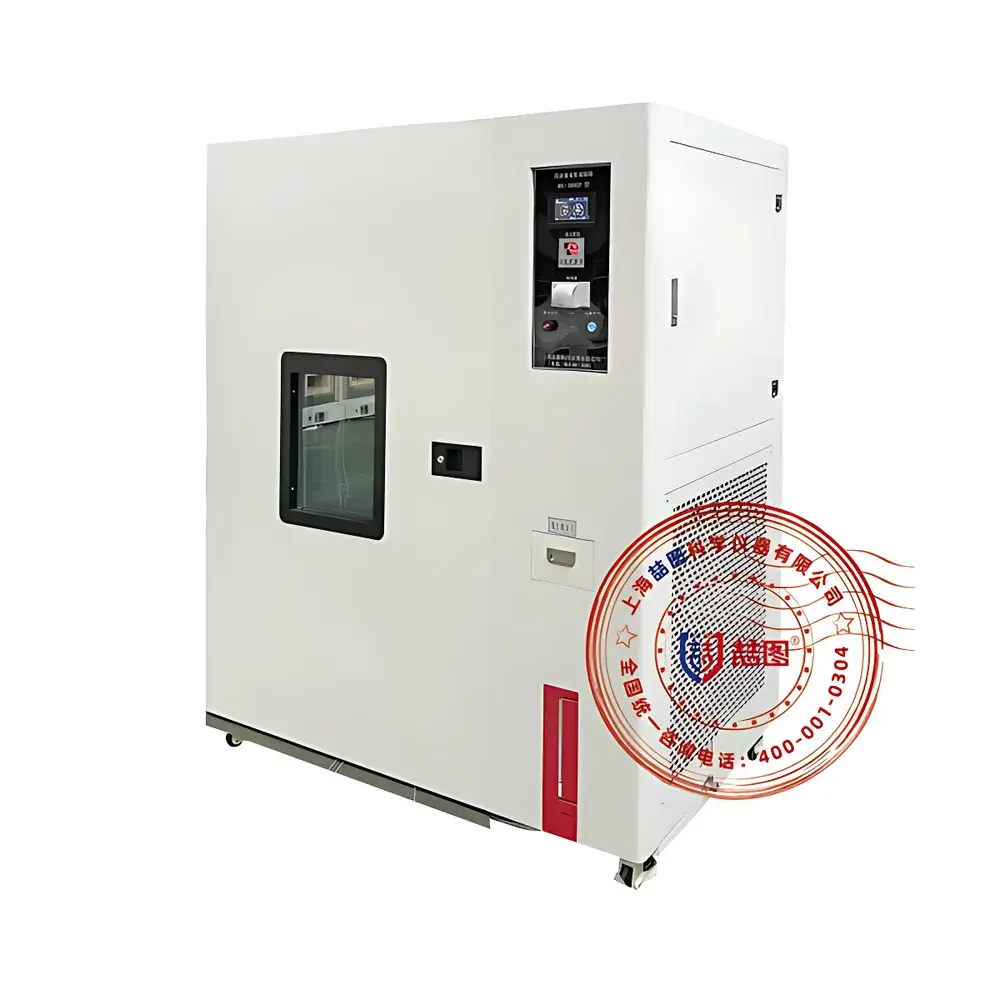
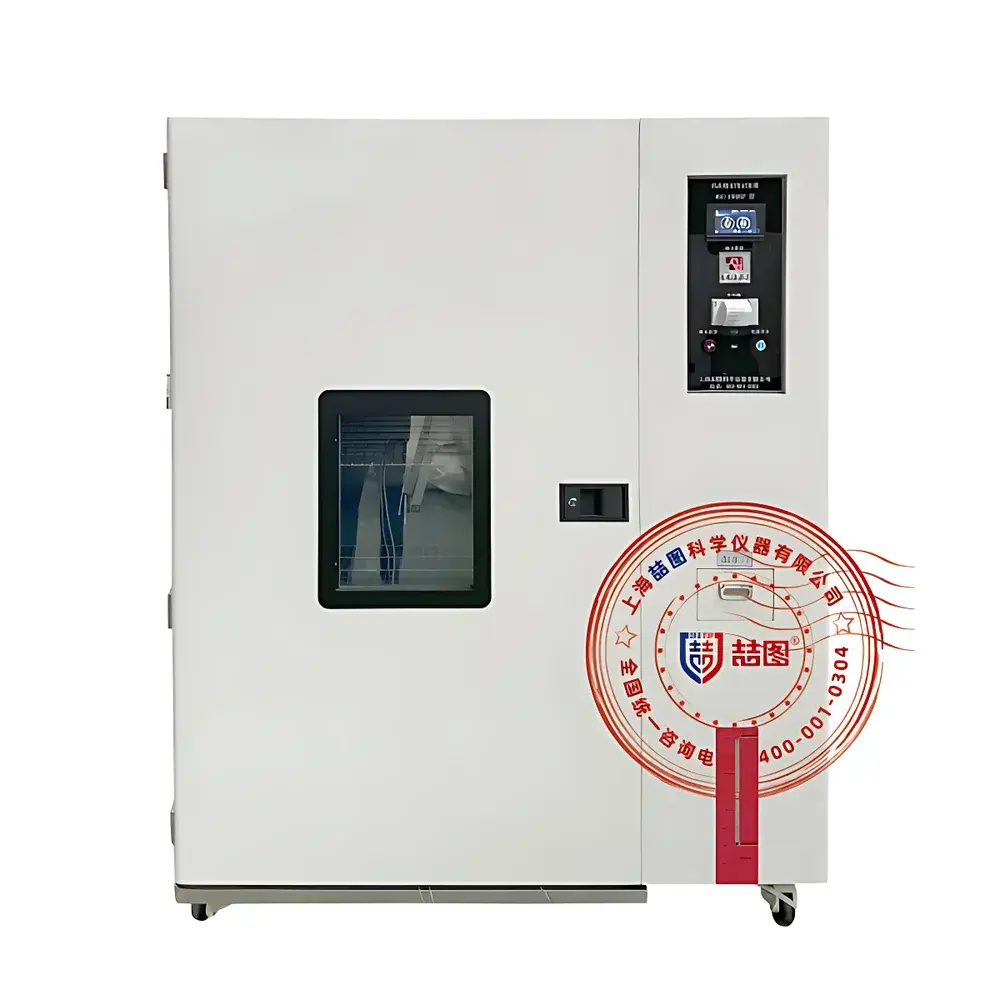
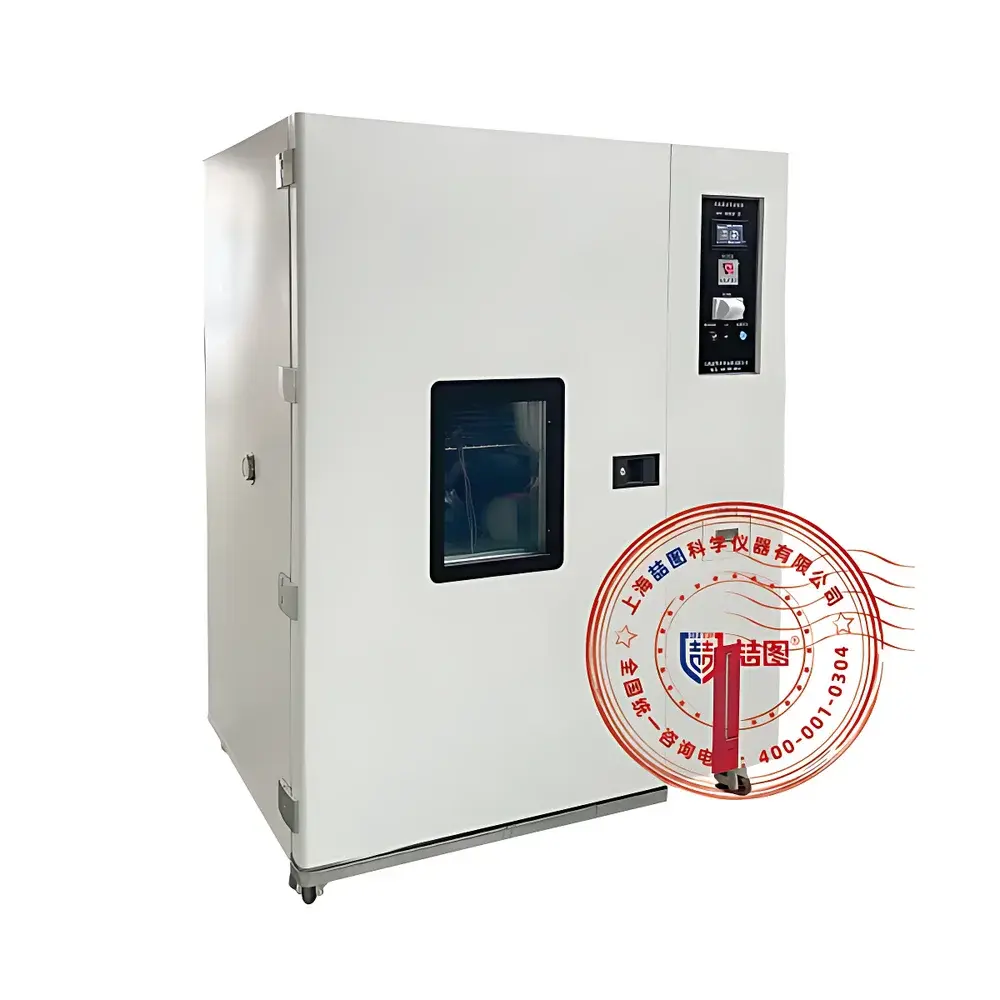
The DRETOP MC2-100-I Multi-Chamber Drug Stability Testing Chamber is an ICH Q1A(R2)-compliant environmental simulation system engineered for pharmaceutical stability studies under Good Manufacturing Practice (GMP), Good Laboratory Practice (GLP), and regulatory submission requirements. It employs a dual-chamber architecture—two independent 100 L stainless-steel test compartments housed within a single compact footprint—to enable parallel execution of distinct stability protocols (e.g., long-term at 25°C/60% RH and accelerated at 40°C/75% RH) without cross-contamination or thermal/hygrometric interference. Each chamber features independent PID-controlled temperature regulation (0–65°C), humidity control (30–95% RH, optionally extendable to 20–98% RH), and integrated data logging. The system operates on the fundamental principle of controlled environmental stress exposure: precise, reproducible modulation of thermal, hygroscopic, and photic parameters to accelerate chemical degradation pathways and quantify kinetic stability profiles per ICH guidelines.
Key Features
- Dual-Independent Chamber Architecture: Two physically isolated 100 L chambers (500 × 450 × 450 mm internal dimensions each), each with dedicated temperature/humidity sensors, actuators, and control loops—eliminating inter-chamber drift and enabling concurrent ICH-compliant protocols.
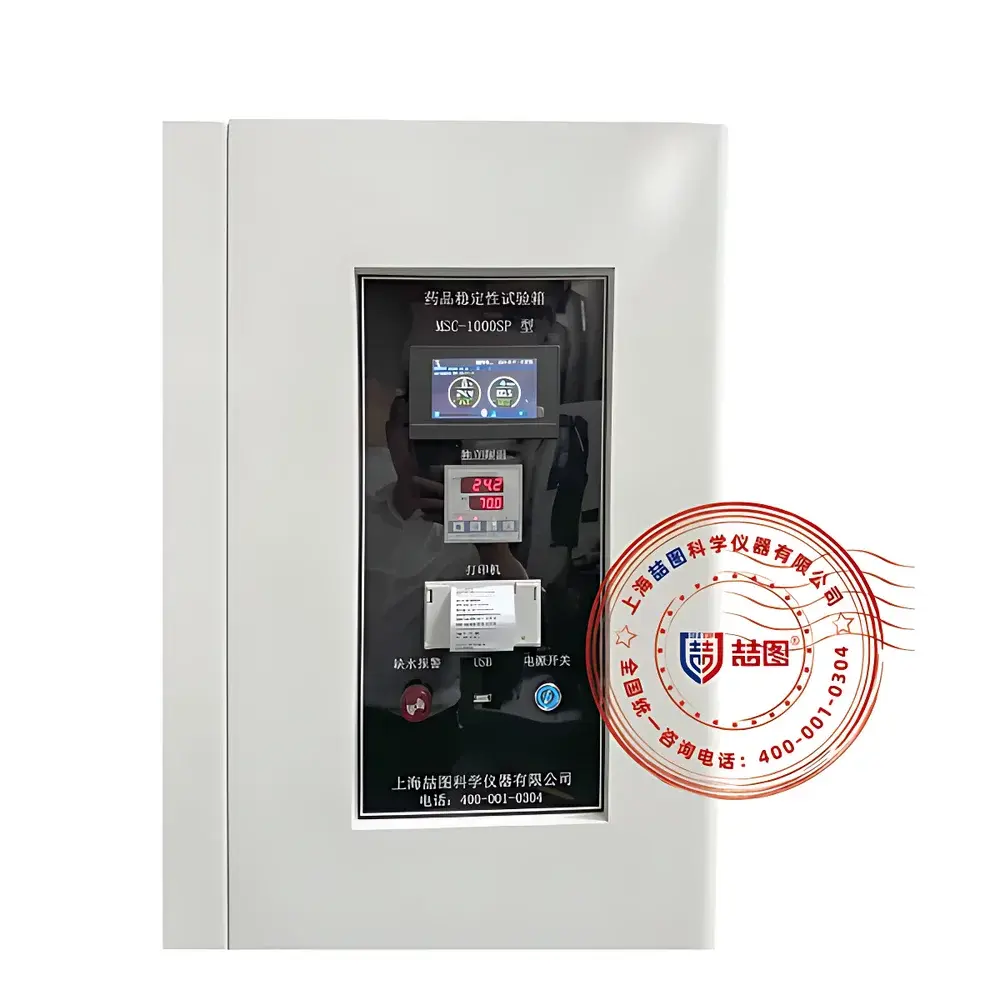
- GMP-Ready Touch Interface: 7-inch full-color TFT touchscreen with configurable bilingual (English/Chinese) UI, real-time multi-parameter trend graphs (temperature, humidity, program stage), and three-tier user access (Operator / Administrator / Engineer) with password protection and audit-trail-enabled parameter modification logs.
- Advanced Dual-Evaporator Refrigeration System (I-Type Configuration): Single hermetic compressor paired with two independent evaporator circuits—one optimized for cooling, the other for dehumidification—enabling simultaneous high-precision temperature and humidity control without operational conflict or stability compromise.
- Robust Environmental Control Performance: Temperature uniformity ±1.5°C across chamber volume; temperature fluctuation ±0.5°C; humidity deviation ±3% RH (at 30–95% RH range); rapid recovery (<15 min) after door opening per ISO 14644-3.
- Comprehensive Data Integrity Framework: Built-in thermal printer for immediate hard-copy output; USB export of time-stamped CSV/Excel logs (including all setpoints, actual values, alarms, and user actions); RS485 Modbus RTU interface for integration with MES/LIMS; local storage retention ≥12 months.
Sample Compatibility & Compliance
The MC2-100-I accommodates standard pharmaceutical packaging formats—including blister packs, HDPE bottles, glass vials, and aluminum tubes—on adjustable 304 stainless-steel shelves (2 per chamber). Its sealed chamber design (silicone gasket + magnetic latch) maintains integrity during extended runs (>12 months), meeting USP , Ph. Eur. 2.2.43, and Chinese Pharmacopoeia General Chapter 9001/9002 requirements. All firmware and data handling comply with FDA 21 CFR Part 11 (electronic signatures, audit trails, data immutability), EU GMP Annex 11 (risk-based validation, secure remote access), and NMPA’s “Regulations on Record and Data Management for Pharmaceutical Production” (2020). The system supports qualification protocols (IQ/OQ/PQ) and is pre-validated for ICH Q1A(R2) long-term (25°C ±2°C / 60% RH ±5%), accelerated (40°C ±2°C / 75% RH ±5%), and intermediate condition testing.
Software & Data Management
The embedded control software provides full-cycle experiment orchestration: up to 100 programmable profiles, each supporting ≤100 segments with individually defined temperature, humidity, dwell time (0–999 h 59 min), ramp rates, and hold conditions. Real-time deviation alerts trigger visual/audible alarms and automatic event logging. Historical data exports include timestamps, parameter values, alarm codes, and user IDs—structured to support statistical process control (SPC) analysis in JMP or Minitab. Optional cloud synchronization via Ethernet enables centralized fleet monitoring across multiple sites. All electronic records are timestamped, digitally signed, and cryptographically hashed to satisfy ALCOA+ principles (Attributable, Legible, Contemporaneous, Original, Accurate, Complete, Consistent, Enduring, Available).
Applications
- ICH Q5C biopharmaceutical stability assessment (lyophilized proteins, monoclonal antibodies)
- Accelerated stability studies for ANDA and NDA submissions
- Real-time long-term storage validation (12–36 months)
- Photostability screening per ICH Q1B (when equipped with optional LED irradiation module)
- Excipient compatibility testing under variable humidity gradients
- Stability-indicating method development support
- QC release testing under stressed environmental conditions
FAQ
Does the MC2-100-I meet ICH Q1A(R2) temperature and humidity tolerances for long-term studies?
Yes. Each chamber maintains ±2°C temperature tolerance and ±5% RH tolerance at 25°C/60% RH and 30°C/60% RH setpoints, verified per ASTM E2875-22.
Can both chambers run different programs simultaneously?
Yes—each chamber has fully independent controllers, allowing asynchronous operation (e.g., Chamber A: 40°C/75% RH for 6 months; Chamber B: 25°C/60% RH for 24 months).
Is the system validated for 21 CFR Part 11 compliance?
Yes. Firmware includes electronic signature capability, role-based access control, immutable audit trails, and automated backup—fully documented in the supplied Validation Support Package.
What maintenance intervals are recommended for continuous GMP operation?
Compressor oil and refrigerant checks every 12 months; HEPA filter replacement every 6 months; calibration verification of sensors annually using NIST-traceable references.
Can external sensors be connected for in-situ vial monitoring?
Yes. Standard 25 mm diameter port supports feedthroughs for fiber-optic temperature probes, RH sensors, or pressure transducers—compatible with third-party data acquisition systems.






