

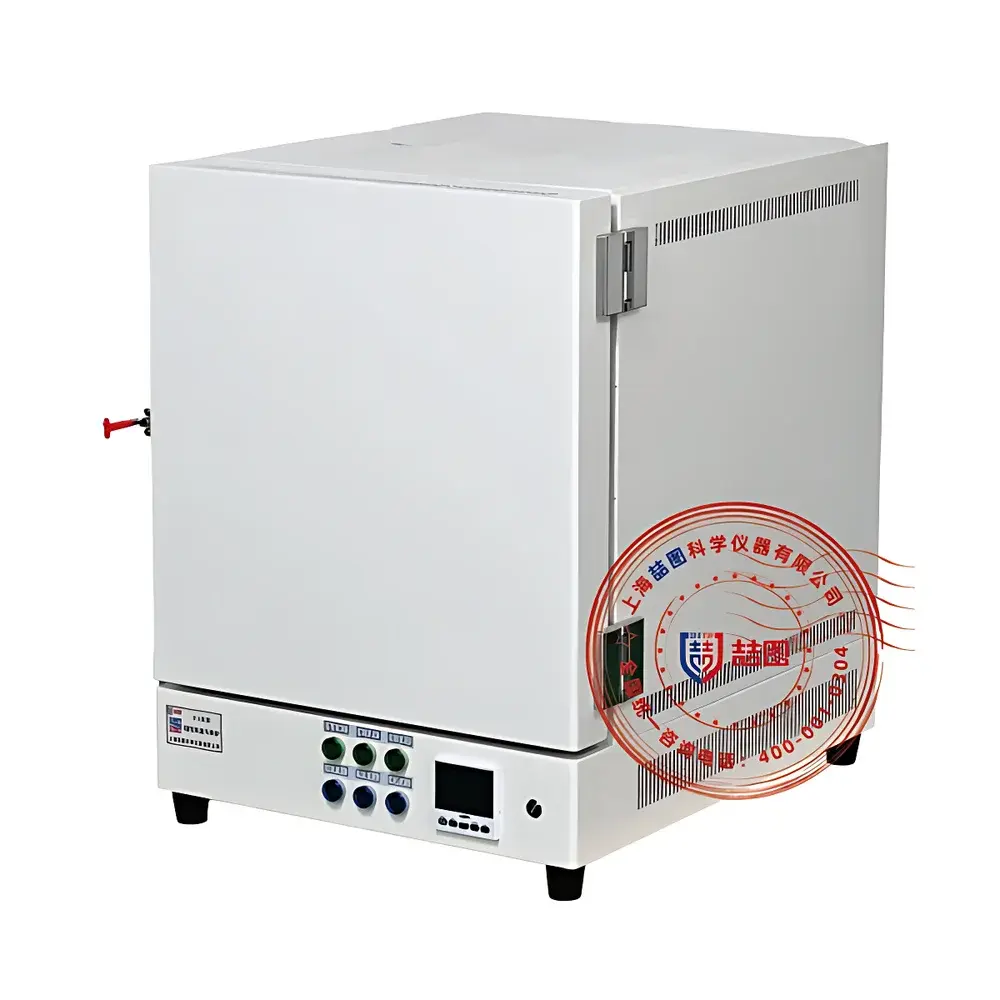
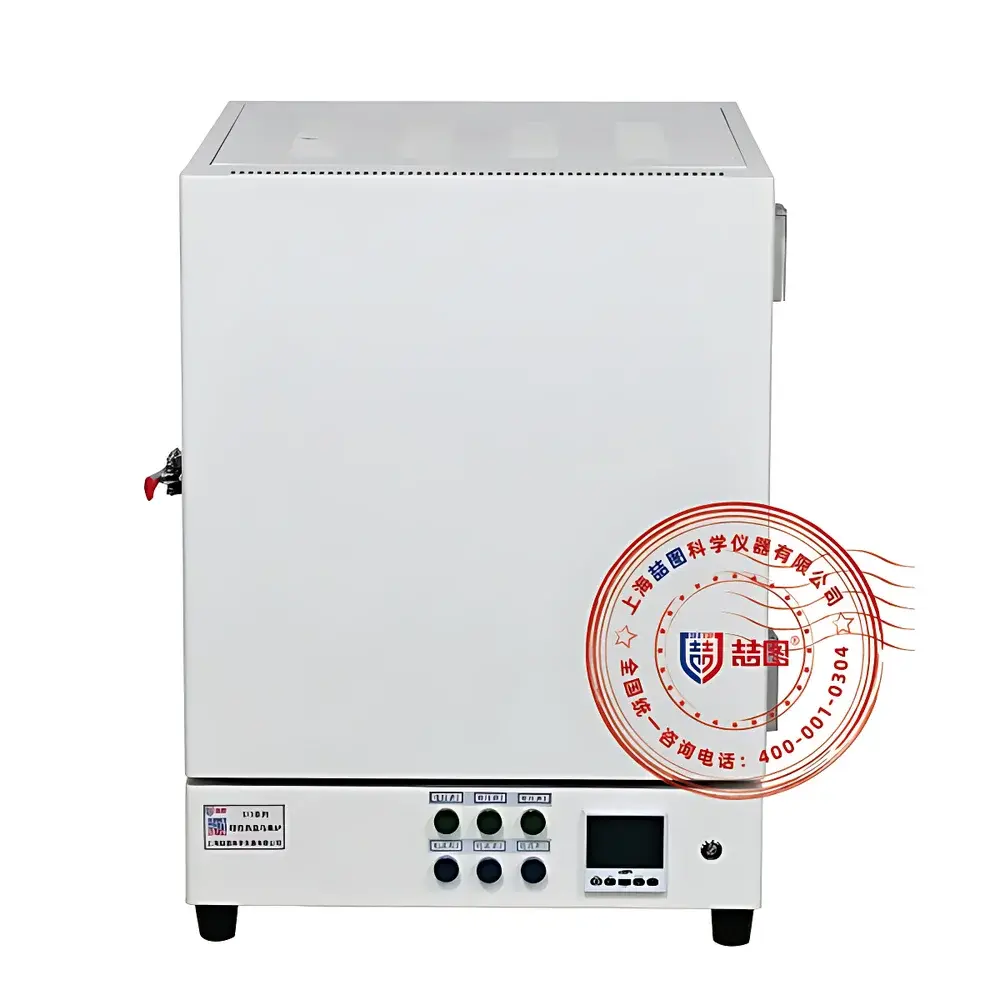
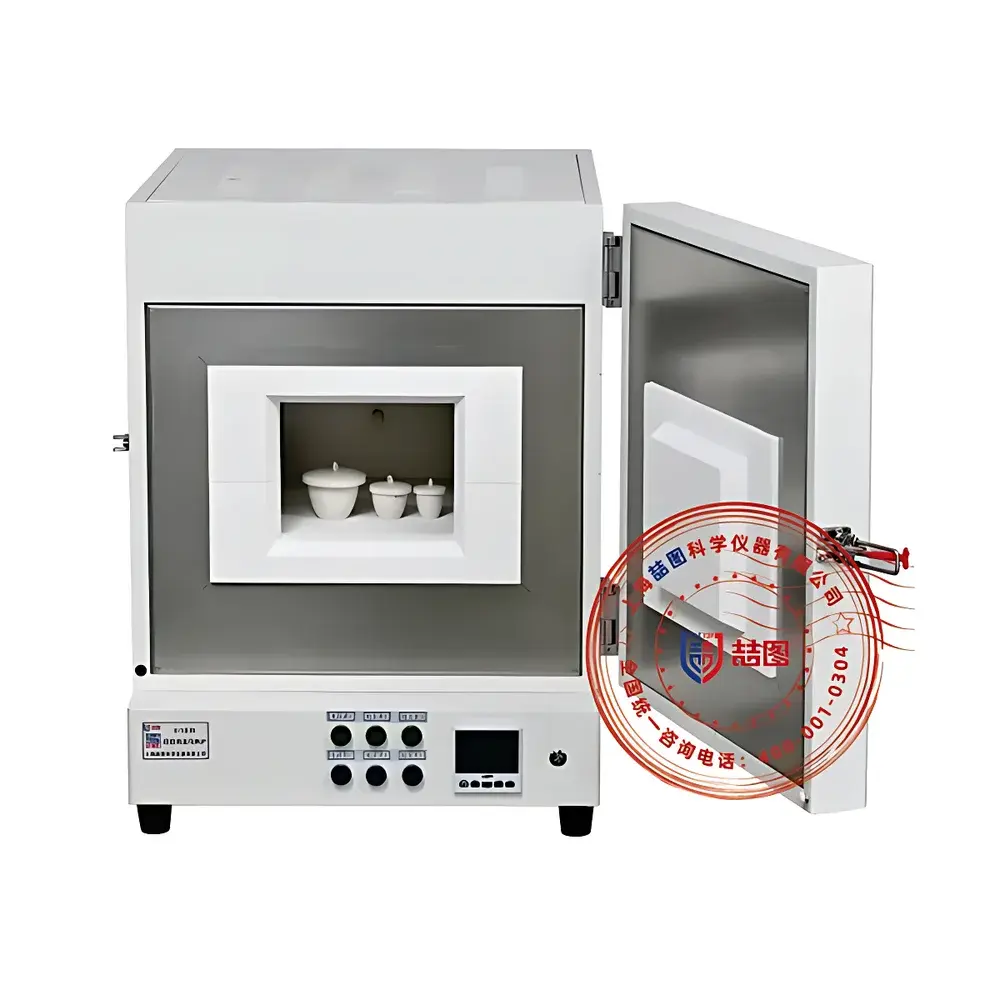
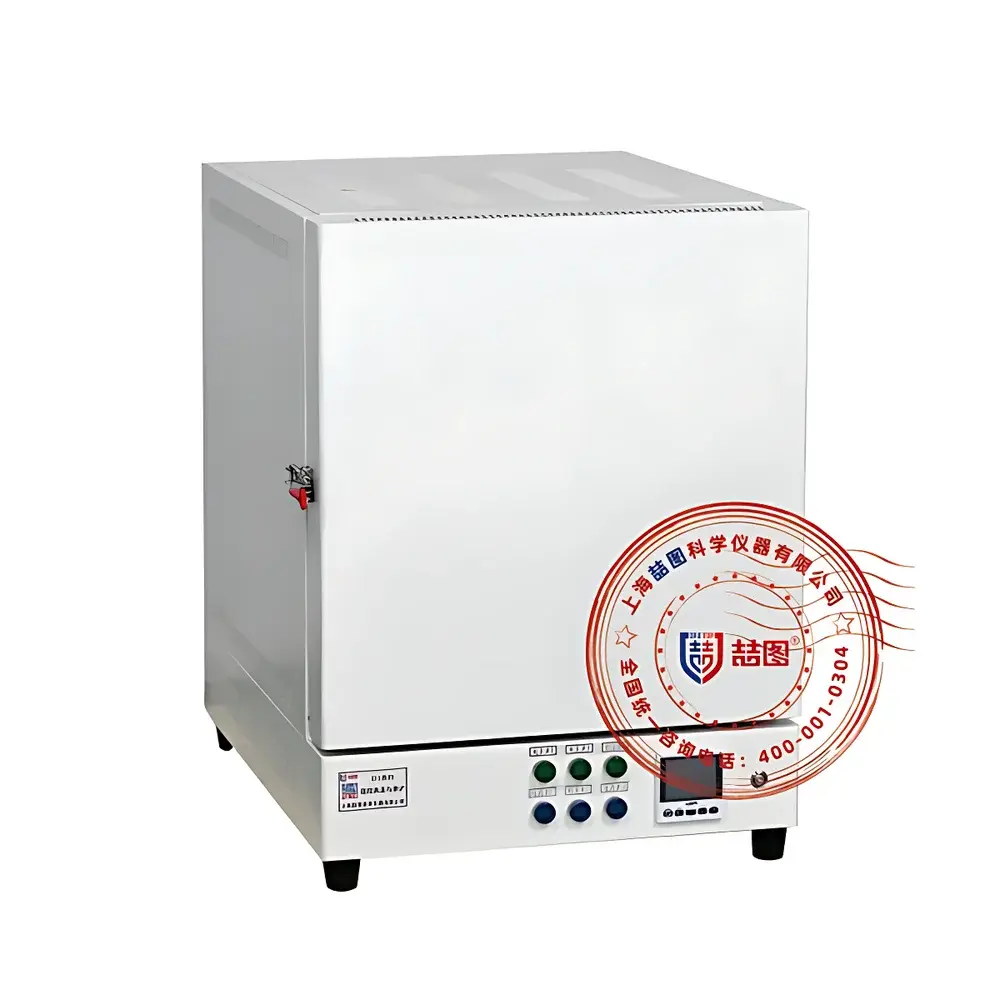
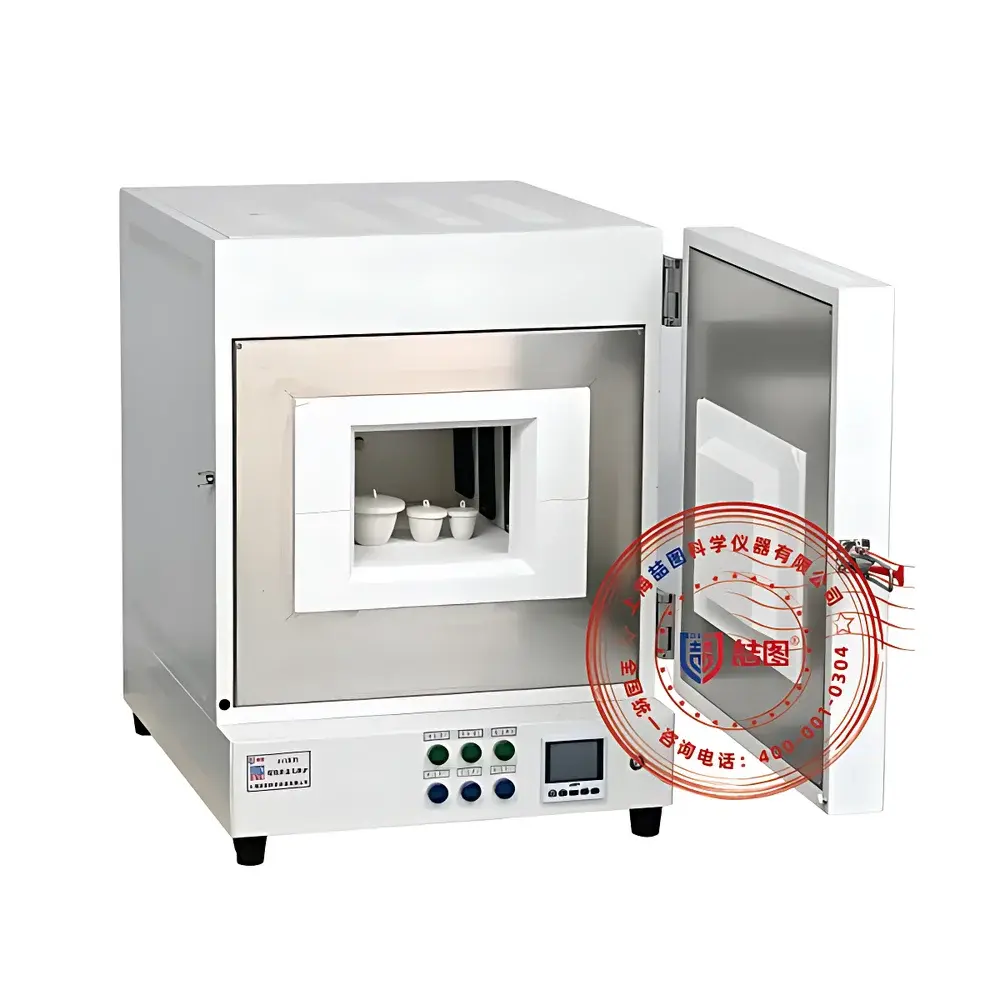
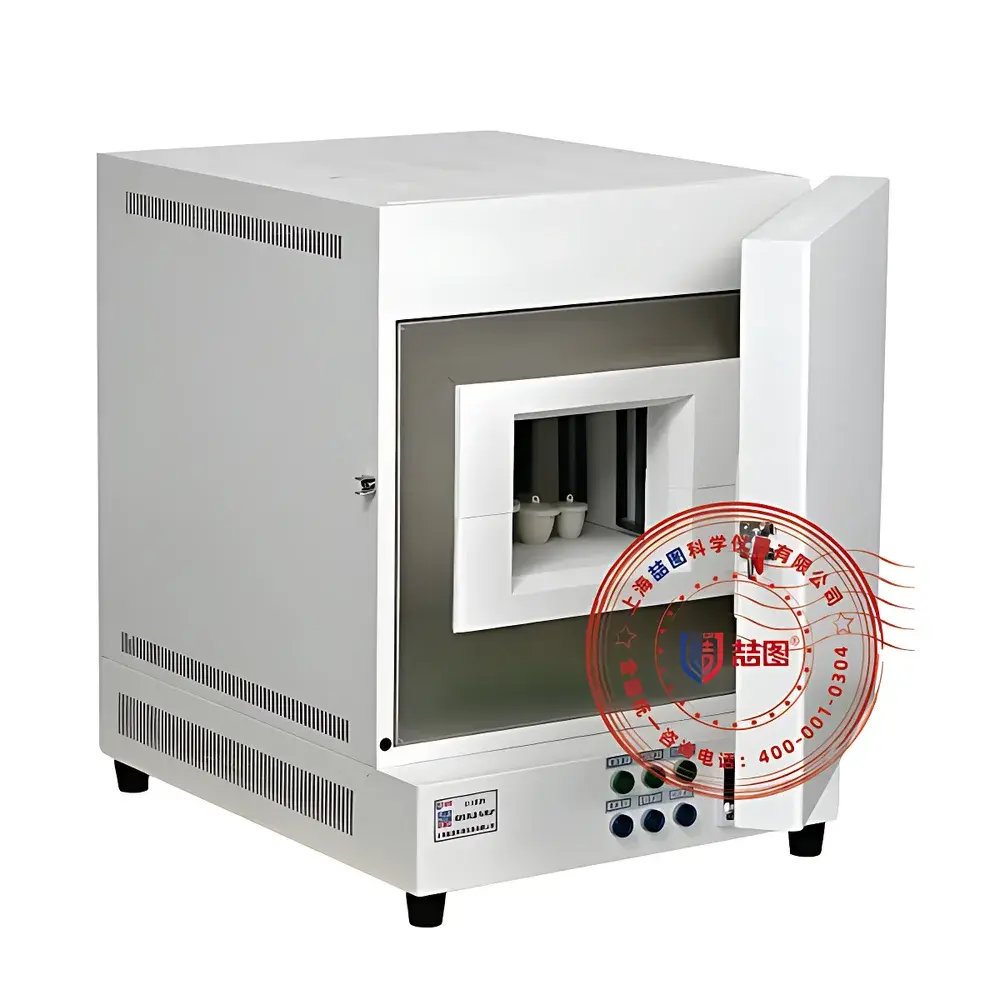
DRETOP S14-7PV Programmable High-Temperature Muffle Furnace
| Brand | DRETOP |
|---|---|
| Origin | Shanghai, China |
| Manufacturer Type | Direct Manufacturer |
| Instrument Type | Box-Type Muffle Furnace |
| Maximum Temperature | 1400 °C |
| Temperature Control Accuracy | ±1 °C |
| Rated Power | 6 kW |
| Heating Time to Max Temp | ≤60 min |
| Heating Element | Silicon Carbide Rods |
| Internal Chamber Dimensions | 150 × 300 × 150 mm (W × D × H) |
| Nominal Volume | 7 L |
| Control System | Industrial Color Touchscreen Controller with PID Algorithm |
| Safety Features | Door-Interlocked Power Cut-off, Dual-Stage Overtemperature Protection, Phase Loss & Thermocouple Break Detection |
| Insulation | Vacuum-Microporous Ceramic Fiber Board |
| Heating Configuration | Triple-Wall Radiant Heating (Front, Back, Top Walls) |
Overview
The DRETOP S14-7PV is a programmable high-temperature box-type muffle furnace engineered for precise thermal processing in research laboratories, quality control facilities, and industrial R&D environments. It operates on the principle of resistive heating via silicon carbide (SiC) rods embedded in triple-wall ceramic fiber insulation, enabling uniform radiant heat distribution across the chamber. Designed for applications requiring strict thermal profiles—including ashing, calcination, sintering, heat treatment, and thermal gravimetric pre-conditioning—the S14-7PV supports fully customizable ramp-hold-cool programs with up to 30 segments. Its maximum operating temperature of 1400 °C complies with ASTM E1112 (Standard Specification for Laboratory Muffle Furnaces), ISO 5659-2 (Fire tests — Smoke production — Part 2: Determination of optical density by a single-chamber test), and USP (Heavy Metals) ash digestion protocols. The furnace meets GLP/GMP documentation requirements through built-in event logging and configurable audit trails when paired with optional RS485 or USB data export.
Key Features
- Triple-wall heating architecture with SiC rods wound in spiral configuration along front, back, and top furnace walls—ensuring radial thermal symmetry and minimizing axial temperature gradients.
- Intelligent PID controller with auto-tuning capability, real-time deviation compensation, and dual-limit alarm thresholds (upper/lower bounds + positive/negative error detection).
- Door-activated safety interlock: power disengages instantly upon door opening; resumes automatically after closure without manual reset—critical for intermittent sample access during long-duration thermal cycles.
- Vacuum-microporous ceramic fiber insulation (density: ~220 kg/m³) reduces thermal mass and improves energy efficiency—typical standby power consumption remains below 15 W at ambient conditions.
- Phosphate conversion coating + high-temp epoxy powder coating on steel chassis provides corrosion resistance and mechanical durability under repeated thermal cycling.
- Integrated voltage and current meters enable real-time monitoring of electrical load—supporting preventive maintenance and compliance verification per IEC 61000-3-2 (harmonic emission standards).
Sample Compatibility & Compliance
The S14-7PV accommodates standard crucibles (alumina, quartz, platinum, and silicon carbide) up to Ø80 mm × 60 mm height within its 7 L chamber. Its uniformity profile—verified per ASTM C1040 (Standard Test Method for In-Place Density of Unhardened Soil and Soil-Aggregate Mixtures)—achieves ±3 °C across the working zone at 1200 °C. The furnace conforms to EN 61000-6-3 (EMC emission limits) and carries CE marking under the EU Machinery Directive 2006/42/EC. For pharmaceutical applications, it satisfies USP , , and ash residue testing requirements when operated with calibrated NIST-traceable thermocouples (Type S, Class 1). Optional inert gas inlet (with mass flow controller interface) enables controlled-atmosphere processing per ISO 8501-4 (surface preparation standards).
Software & Data Management
The embedded color touchscreen controller supports multi-level user authentication (engineer/operator/administrator), password-protected parameter editing, and timestamped event logging (door openings, alarm triggers, program starts/stops). Logged data—including setpoint history, actual temperature curves, and power status—is exportable via USB flash drive in CSV format for traceability. Optional RS485 Modbus RTU interface allows integration into centralized LIMS or SCADA systems compliant with FDA 21 CFR Part 11 (electronic records/signatures) when deployed with validated firmware version ≥V3.2. No cloud connectivity or proprietary software installation is required—data integrity is maintained locally without external dependencies.
Applications
- Coal & cement analysis: moisture, volatile matter, fixed carbon, ash content, and ash fusion temperature (AFT) determination per ASTM D3172, D3174, D3175, and D1857.
- Environmental testing: total suspended solids (TSS), total dissolved solids (TDS), and heavy metal residue quantification following EPA Method 3010A and ISO 11885.
- Pharmaceutical QA/QC: loss on drying (LOD), residual solvents, and incinerated residue testing per USP and Ph. Eur. 2.2.32.
- Materials science: pre-sintering of ceramics, annealing of metallic alloys, and thermal stability screening of battery cathode materials (e.g., NMC, LFP).
- Academic research: kinetic studies of decomposition reactions, oxidation behavior of refractory metals, and calibration of thermogravimetric analyzers (TGA).
FAQ
What is the recommended thermocouple type for operation above 1200 °C?
Type S (platinum–10% rhodium / platinum) thermocouples are recommended for continuous use up to 1400 °C; calibration must be performed annually against NIST-traceable reference standards.
Can the furnace operate under inert or reducing atmospheres?
Yes—when equipped with the optional inert gas inlet kit (including stainless-steel gas line, needle valve, and pressure regulator), the chamber can maintain argon or nitrogen purge at 50–200 mL/min flow rates.
Is the controller compatible with third-party data acquisition systems?
Yes—the RS485 port supports Modbus RTU protocol at 9600 baud; register maps and communication protocols are provided in the technical manual for OEM integration.
How often should the ceramic fiber insulation be inspected for degradation?
Visual inspection is recommended every 200 operational hours or quarterly—cracking, dusting, or visible compression indicates replacement; typical service life exceeds 5,000 h at ≤1300 °C.
Does the unit include factory calibration documentation?
Yes—a certificate of conformance (CoC) with as-tested temperature uniformity data (per ISO/IEC 17025 accredited procedure) and electrical safety test report are shipped with each unit.



