

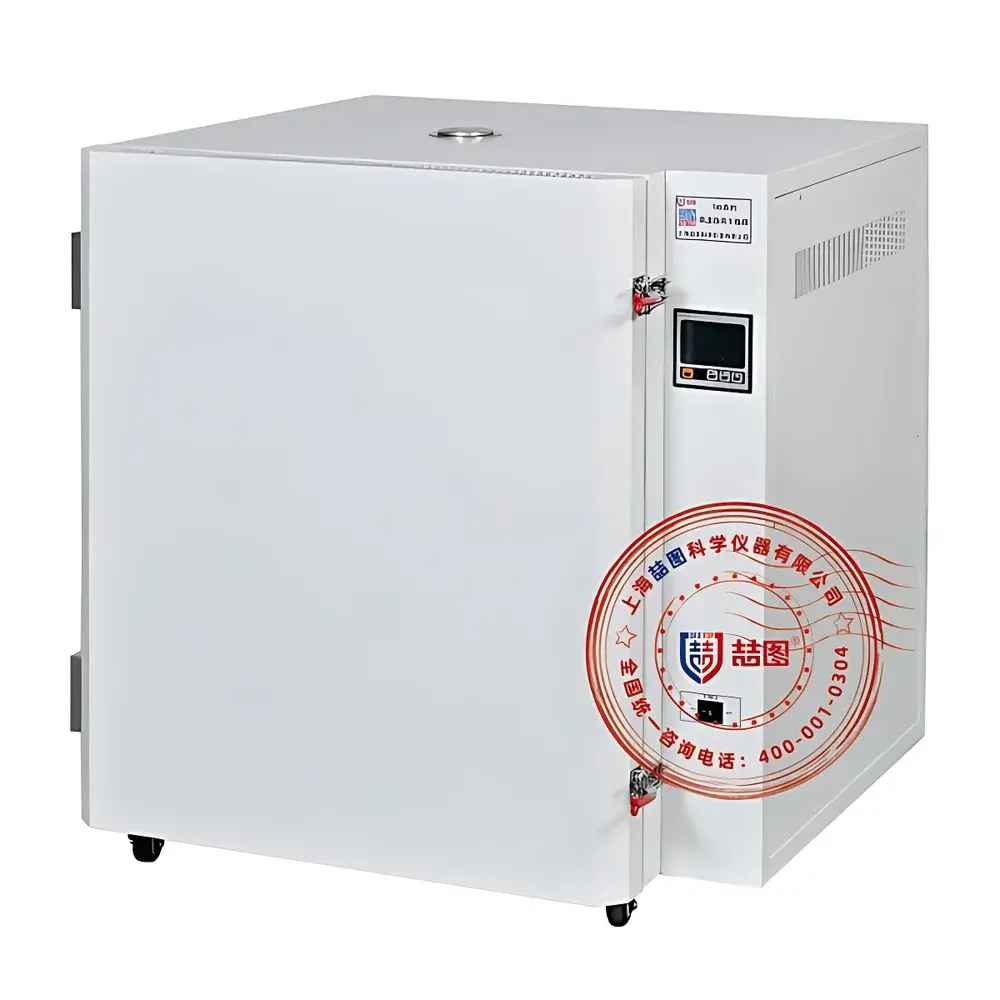
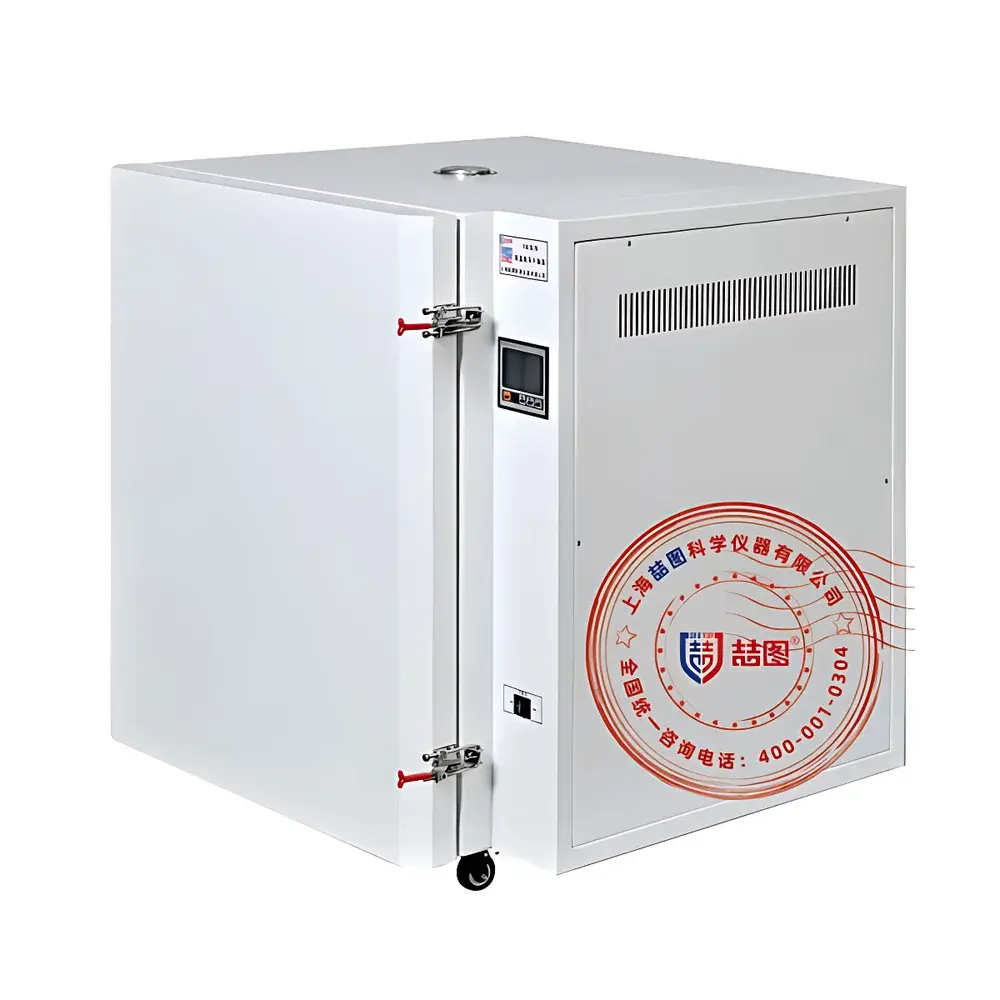
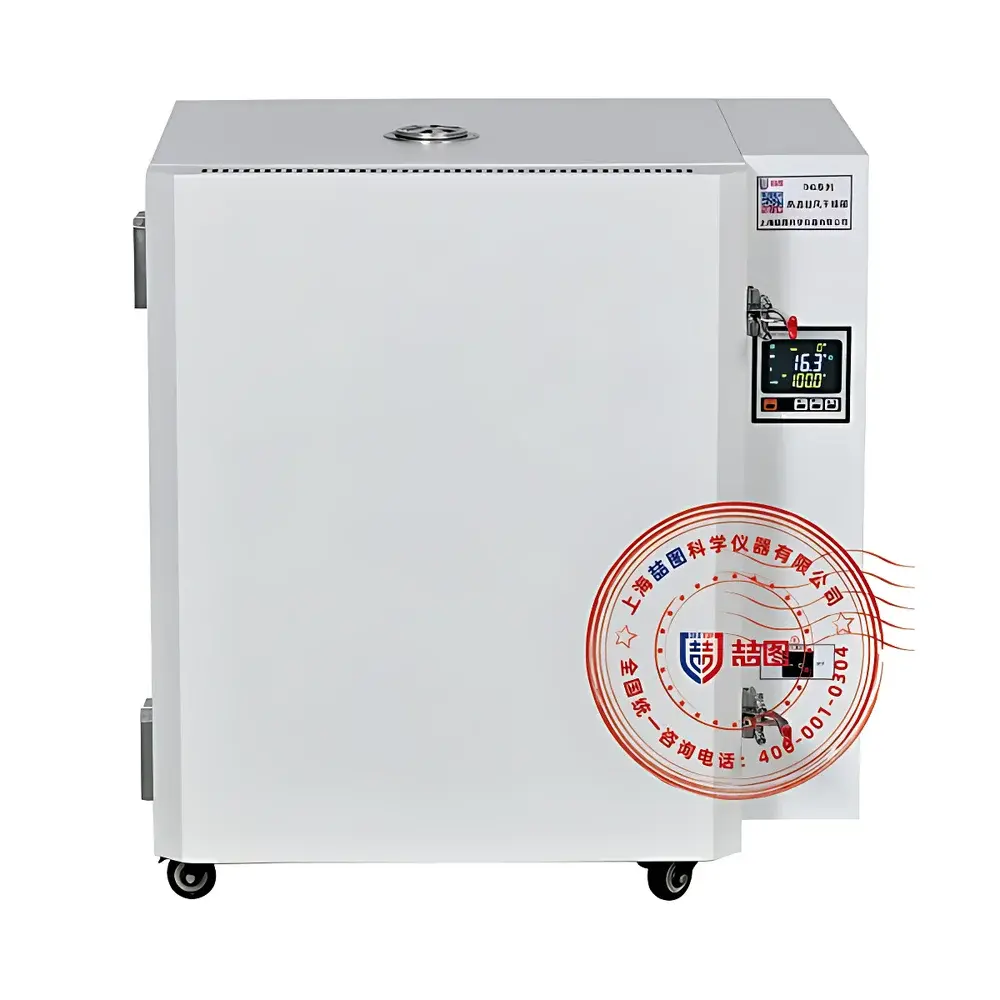
DRETOP THG-9079AP High-Temperature Forced-Air Drying Oven
| Brand | DRETOP |
|---|---|
| Origin | Shanghai, China |
| Manufacturer Type | Direct Manufacturer |
| Instrument Type | High-Temperature Oven |
| Temperature Range | RT+20 °C to 500 °C |
| Temperature Fluctuation | ±0.1 °C |
| External Dimensions | 815 × 665 × 850 mm |
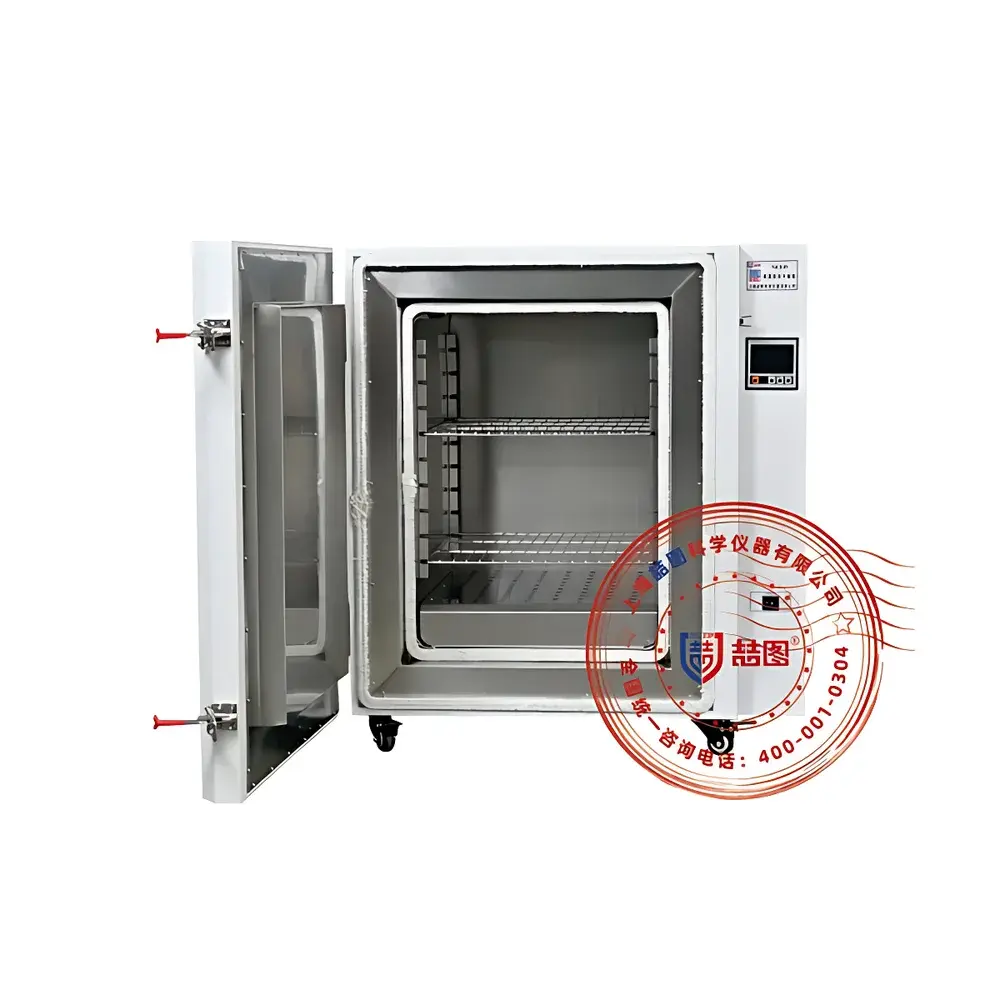
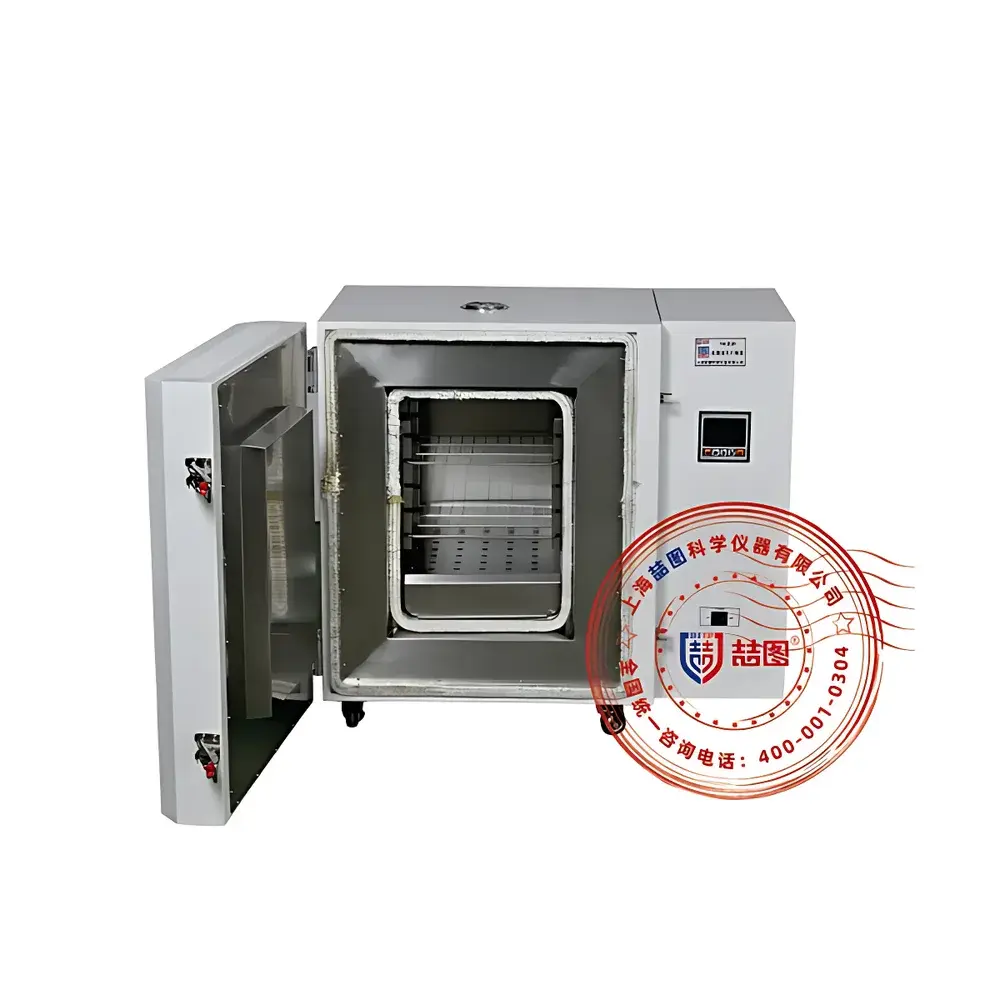
| Internal Chamber Dimensions | 400 × 400 × 450 mm |
| Temperature Resolution | 0.1 °C |
| Operating Ambient Temperature | 5–45 °C |
| Interior Material | Brushed Stainless Steel (SUS304) |
| Heating Method | Forced Convection with Dual-Airflow Circulation |
| Temperature Uniformity | ±2.5 °C (at 100 °C, no-load) |
| Safety Features | Over-Temperature Alarm, Leakage Protection, Short-Circuit & Overload Protection, Power-Failure Data Retention |
Overview
The DRETOP THG-9079AP is a high-precision, forced-air high-temperature drying oven engineered for laboratory and industrial applications requiring stable thermal environments up to 500 °C. It operates on the principle of forced convection heating—utilizing a high-power centrifugal blower and dual-channel airflow architecture to ensure rapid heat transfer and uniform temperature distribution across the stainless-steel chamber. Unlike natural-convection ovens, this model integrates a thermally optimized wind path system with strategically positioned stainless-steel heating elements and multi-directional air inlets/outlets, minimizing thermal stratification and reducing equilibration time. Designed for repeatable thermal processing under controlled conditions, it complies with foundational thermal validation requirements applicable to ISO/IEC 17025-accredited laboratories and supports process documentation aligned with GLP and GMP frameworks.
Key Features
- Microprocessor-based PID temperature controller with K-type thermocouple feedback, offering ±0.1 °C fluctuation control and 0.1 °C resolution;
- Intelligent self-diagnostic interface with alphanumeric fault-code display on a large backlit LCD screen;
- Double-layer insulation: outer shell coated with electrostatic epoxy powder, inner chamber constructed from brushed SUS304 stainless steel with seamless welding;
- Adjustable, drawer-style stainless-steel shelves with tool-free height positioning and full removal capability;
- Dual safety architecture: primary PID control loop + independent mechanical over-temperature cut-off (optional);
- Energy-efficient design using high-density glass fiber insulation and silicon-rubber door gasket rated for continuous operation at 500 °C;
- Low-noise, high-torque fan motor with multi-blade impeller optimized for long-term thermal stability and minimal vibration.
Sample Compatibility & Compliance
The THG-9079AP accommodates standard laboratory sample containers—including porcelain crucibles, quartz boats, stainless-steel trays, and ceramic setters—within its 70 L internal volume (400 × 400 × 450 mm). Its chamber geometry and airflow dynamics are validated for homogeneous exposure of samples up to 20 kg total mass (distributed load), ensuring consistent thermal treatment without localized overheating or cold spots. The oven meets general-purpose electrical safety standards per IEC 61010-1 and includes grounding continuity, insulation resistance, and dielectric strength verification. While not intrinsically rated for explosive atmospheres, optional modifications (e.g., explosion-proof wiring conduit, ATEX-compliant fan motors) can be implemented upon request for hazardous-area deployment. Documentation packages support audit readiness for FDA 21 CFR Part 11 (when paired with optional data-logging accessories), ISO 17025 method validation, and ASTM E145–22 (Standard Specification for Gravity-Convection and Forced-Ventilation Ovens).
Software & Data Management
The base configuration includes an embedded microcontroller with real-time clock, programmable timer (1–9999 minutes), and non-volatile memory for parameter retention during power interruption. Optional upgrades expand functionality: a USB data export module enables direct logging to FAT32-formatted USB drives; RS-485 Modbus RTU interface supports integration into centralized lab management systems (LIMS) or SCADA platforms; and a color TFT touchscreen controller (optional) provides multi-segment ramp-soak programming, real-time trend visualization, and password-protected user levels. All digital interfaces comply with NIST-traceable calibration protocols and support audit trail generation—including operator ID, timestamp, setpoint changes, and alarm events—required for GLP/GMP-regulated environments.
Applications
This oven serves as a critical thermal platform across multiple regulated domains: in materials science, it supports ceramic sintering, metal annealing, and polymer curing studies; in pharmaceutical manufacturing, it fulfills USP requirements for depyrogenation of glass vials and drying of excipients; in food safety testing, it enables AOAC-approved moisture loss assays and accelerated shelf-life modeling; and in electronics R&D, it facilitates flux residue baking, PCB pre-baking, and conformal coating curing. Its robust construction and wide operating range also make it suitable for ASTM D2857 (moisture content in plastics), ISO 293 (compression molding), and EN 14214 (biodiesel oxidation stability) test protocols.
FAQ
What is the maximum sustained operating temperature?
The THG-9079AP is rated for continuous operation at 500 °C, verified per manufacturer thermal endurance testing under no-load conditions.
Does the oven include validation documentation for IQ/OQ/PQ protocols?
Yes—factory-installed sensors are calibrated with NIST-traceable certificates; optional IQ/OQ documentation kits (including temperature mapping templates and probe placement guidelines) are available upon order.
Can the unit be integrated into a building management system (BMS)?
Via RS-485 Modbus RTU or optional Ethernet/IP gateway, enabling remote monitoring of chamber temperature, status flags, and alarm states.
Is vacuum capability available for this model?
No—the THG-9079AP is a forced-air convection oven only; vacuum-compatible variants (e.g., THV series) are offered separately.
What maintenance intervals are recommended for optimal performance?
Blower filter inspection every 3 months; door gasket integrity check semiannually; annual recalibration of temperature sensor and controller against reference standards.



