
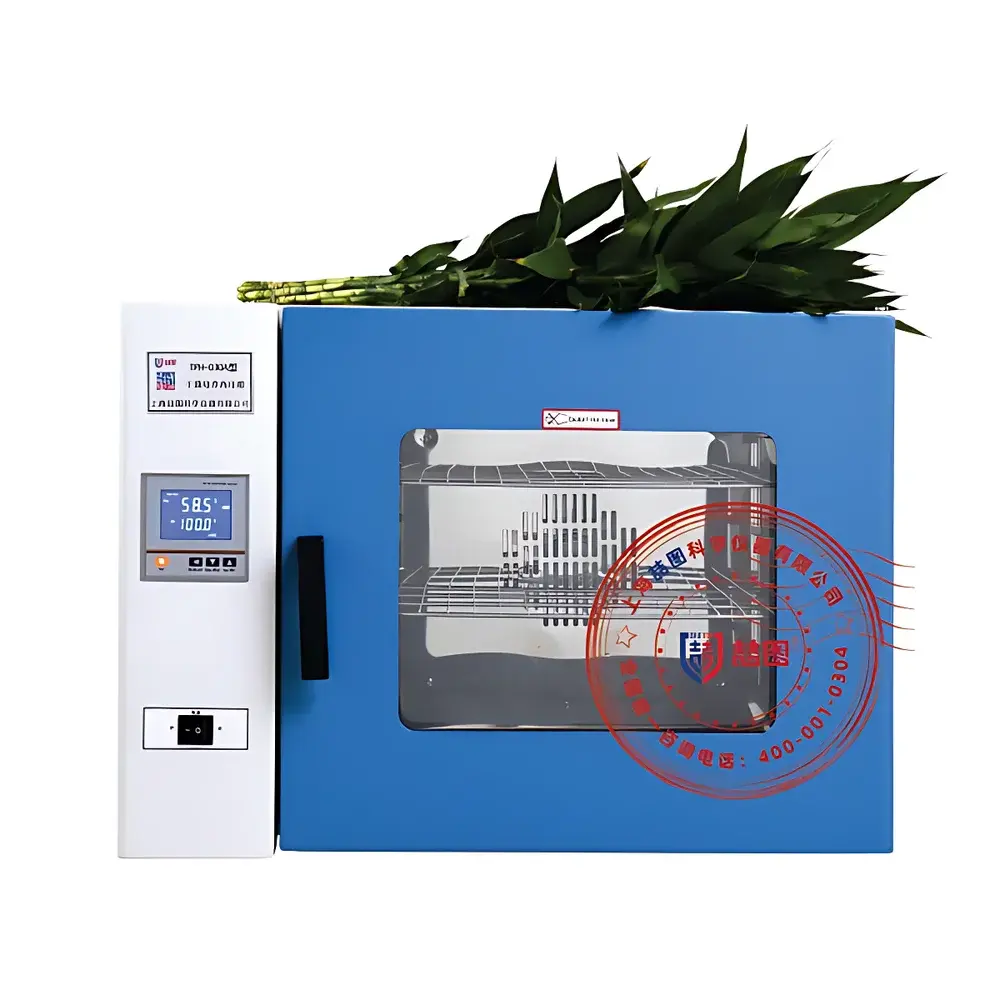
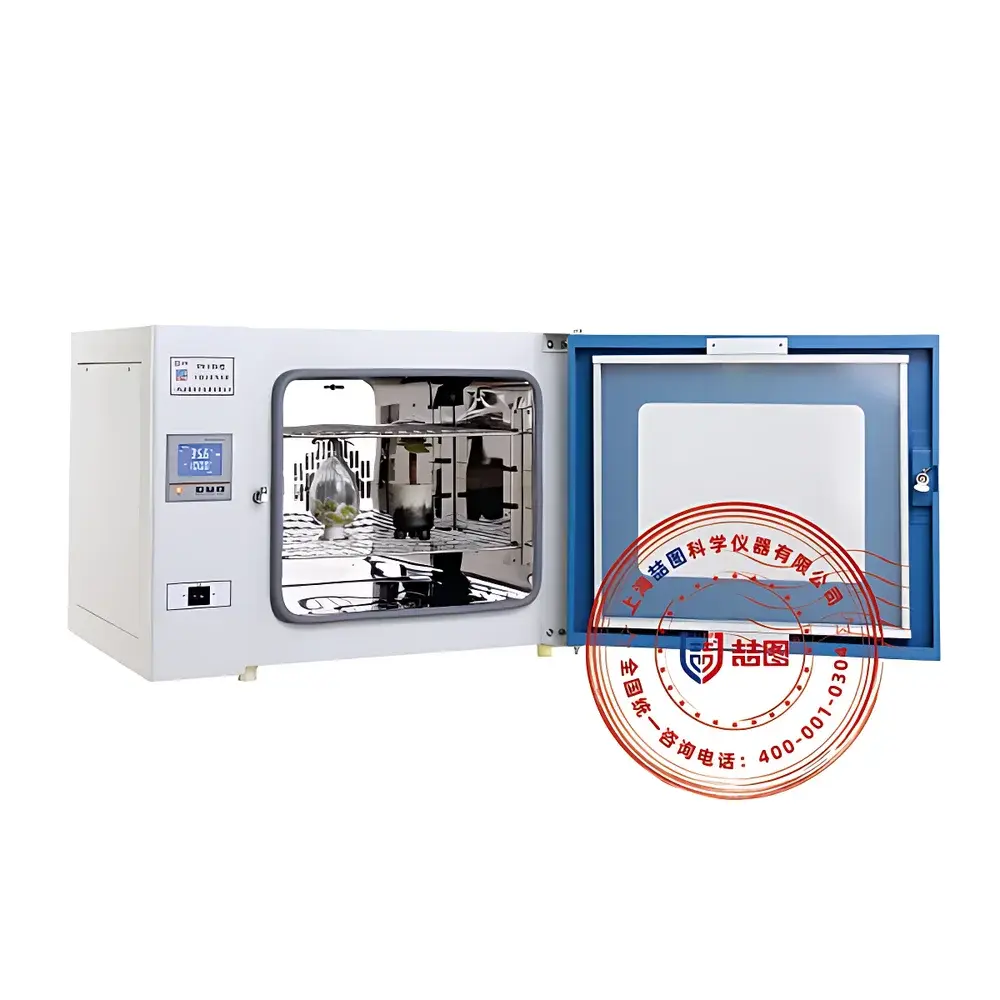
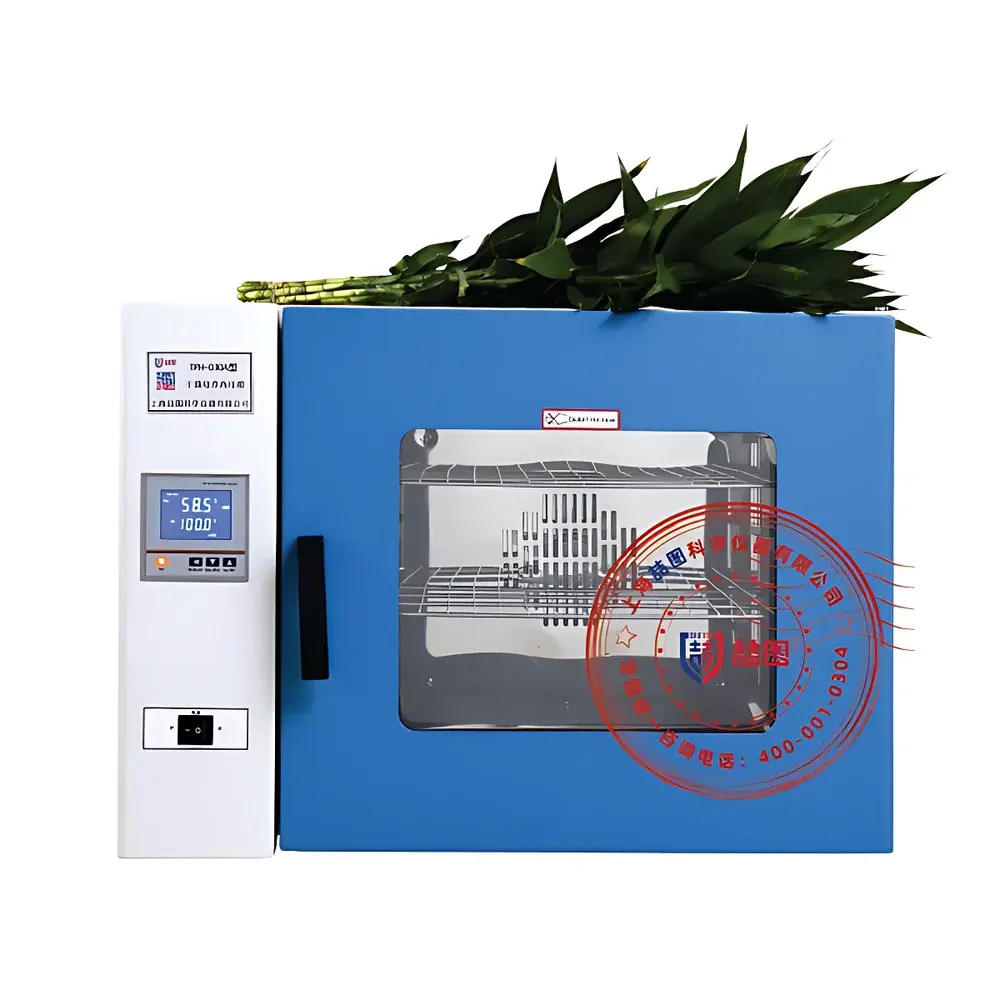
DRETOP TPX & TPH Series Dual-Function Dry Heat Sterilizer and Incubator
| Brand | DRETOP |
|---|---|
| Origin | Shanghai, China |
| Manufacturer Type | Authorized Distributor |
| Product Origin | Domestic (China) |
| Model Series | TPX & TPH |
| Price Range | USD 460 – 1,350 (FOB Shanghai) |
| Temperature Range | RT+5°C to 250°C (dual-mode) |
| Control Accuracy | ±0.5°C (incubation), ±1.0°C (dry heat) |
| Heating Method | Forced-air convection with optimized thermal channel design |
| Insulation | High-density glass fiber |
| Chamber Material | Stainless steel (AISI 304) inner chamber and shelves |
| Safety Compliance | Dual-limit temperature protection, overheat cut-off, leakage/short-circuit protection, data retention after power failure |
| Optional Accessories | USB data export port, programmable multi-segment controller, RS-485 interface, thermal printer compatibility, color touchscreen upgrade |
Overview
The DRETOP TPX and TPH Series Dual-Function Dry Heat Sterilizer and Incubator is an engineered laboratory instrument designed for precise thermal processing across two distinct operational regimes: low-temperature biological incubation (RT+5°C to 80°C) and high-temperature dry heat sterilization (80°C to 250°C). Unlike conventional ovens or standalone incubators, this dual-mode system integrates a thermally robust forced-air convection architecture with mode-specific control logic—automatically transitioning between incubation and sterilization profiles based on user-defined setpoints. Its core principle relies on controlled convective heat transfer via a high-efficiency centrifugal circulation fan and a scientifically optimized internal airflow path, ensuring rapid thermal equilibration and uniform temperature distribution (±0.5°C in incubation mode; ±1.0°C in dry heat mode) throughout the stainless steel working chamber. The system complies with fundamental thermal validation requirements for dry heat sterilization as referenced in ISO 17665-1 and USP , particularly for depyrogenation of glassware, metal instruments, and anhydrous pharmaceutical excipients where moisture-sensitive materials preclude steam-based methods.
Key Features
- Intelligent microprocessor-based PID temperature controller with real-time deviation compensation, adjustable alarm thresholds, and automatic over-temperature shutdown
- Large-format backlit LCD display showing simultaneous readings of setpoint, actual temperature, elapsed time, and fault codes for rapid diagnostics
- Double-stage mechanical door lock with high-temperature silicone gasket (rated to 250°C), ensuring long-term sealing integrity and minimal thermal leakage
- Electrostatically coated exterior housing and AISI 304 stainless steel interior chamber and adjustable shelving—resistant to corrosion, oxidation, and repeated thermal cycling
- Energy-efficient insulation using compressed glass fiber (≥80 mm thickness), reducing standby heat loss and supporting sustainable lab operations
- Programmable safety interlocks including independent over-temperature limiter, ground-fault circuit interrupter (GFCI), short-circuit protection, and non-volatile parameter memory for power recovery
- Modular air duct design enabling consistent laminar flow and automatic moisture evacuation during incubation cycles—critical for maintaining stable humidity-free environments
Sample Compatibility & Compliance
The TPX/TPH series accommodates a broad spectrum of thermally stable laboratory materials. In incubation mode, it supports microbial culture maintenance, enzyme activity assays, and material stability testing under strictly anhydrous conditions. In dry heat mode, it meets validated sterilization parameters for glass vials, pipettes, Petri dishes, surgical instruments, and oil-based formulations such as injectable oils and ointment bases—materials incompatible with autoclaving due to hydrolysis risk. The unit satisfies general laboratory safety standards per IEC 61010-1 and incorporates design elements aligned with GLP documentation practices, including optional timestamped data logging (via USB or RS-485) and audit-trail-ready controllers (with optional Part 11-compliant software add-ons). It is not intended for sterilizing polymers, elastomers, or biologics sensitive to prolonged dry heat exposure.
Software & Data Management
Standard operation requires no external software—control and monitoring are fully embedded within the front-panel interface. For enhanced traceability, optional accessories include a USB data export module enabling direct download of temperature/time logs to FAT32-formatted USB drives, compatible with Excel or LIMS import workflows. The programmable controller variant supports up to 30 segments per profile, with ramp/soak scheduling, cycle repetition, and event-triggered alarms. When integrated with RS-485 Modbus RTU protocol, the unit can be incorporated into centralized building management systems or automated QC platforms. All data records retain UTC timestamps, operator ID fields (when paired with access-controlled software), and checksum-verified integrity—supporting 21 CFR Part 11 readiness when deployed with validated electronic signature modules.
Applications
- Depyrogenation of glassware and stainless-steel components prior to aseptic processing
- Moisture-free drying of hygroscopic reagents, catalysts, and ceramic precursors
- Thermal validation studies for dry heat sterilization cycles (e.g., Fh calculation per ISO 17665)
- Accelerated stability testing of pharmaceutical intermediates under inert, low-humidity conditions
- Pre-sterilization conditioning of filters, syringes, and packaging components
- Controlled-temperature storage of calibration standards requiring thermal homogeneity without condensation risk
FAQ
What is the difference between TPX and TPH models?
The TPX series is dedicated exclusively to dry heat sterilization (RT+10°C to 250°C), while the TPH series offers dual-mode functionality—switching automatically between incubation (RT+5°C to 80°C) and dry heat (80°C to 250°C) based on user-set transition points.
Can this unit be used for sterilizing plastic labware?
No. Plastics, rubber, and most polymer-based consumables undergo thermal degradation or deformation above 80°C and are not compatible with dry heat sterilization protocols supported by this instrument.
Is validation support documentation available?
Yes—DRETOP provides IQ/OQ templates, temperature mapping guidance, and calibration certificate references compliant with ISO/IEC 17025-accredited service providers.
Does the unit meet FDA or EU GMP requirements?
The base hardware conforms to general electrical and thermal safety standards (IEC 61010-1); full GMP compliance requires site-specific qualification (IQ/OQ/PQ) and integration with validated data management systems.
What is the maximum allowable load volume without compromising temperature uniformity?
Uniformity is maintained at ≥80% chamber volume loading when shelves are spaced per manufacturer guidelines—validated per ASTM E2297-03 for forced-air ovens.



