

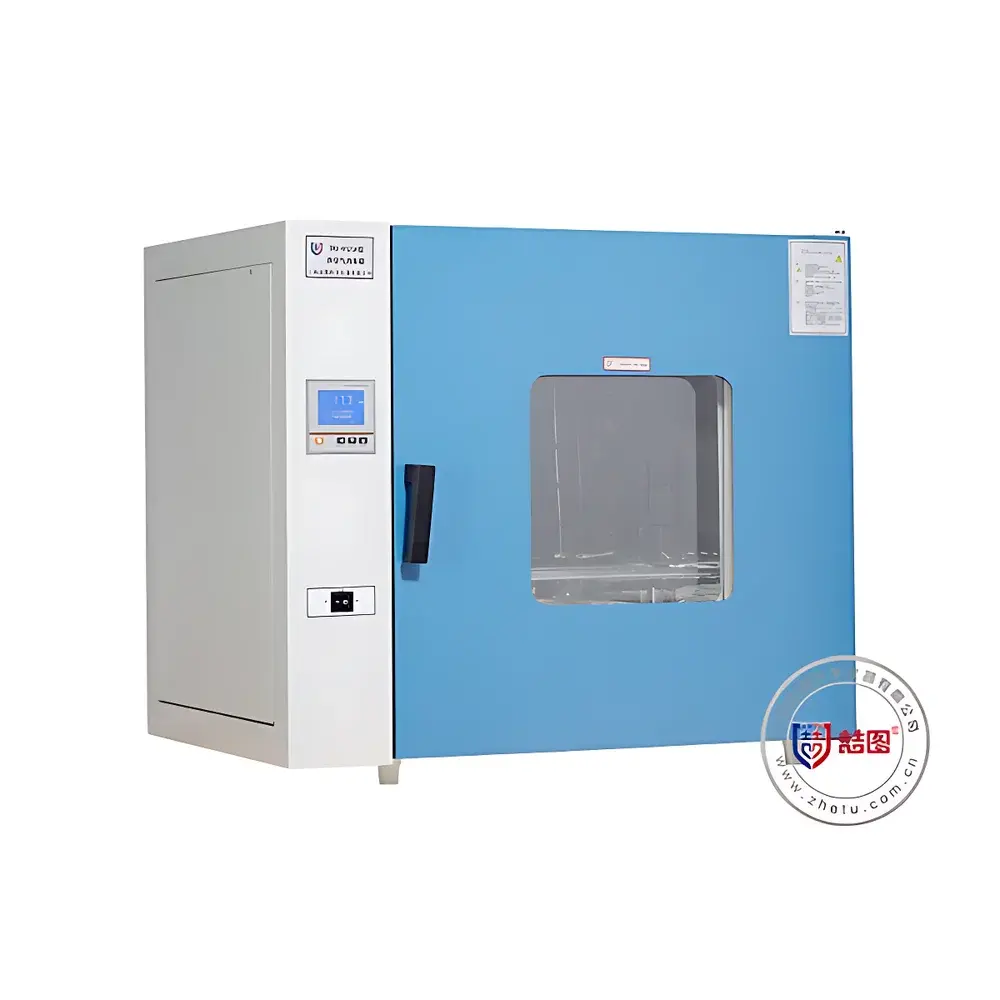
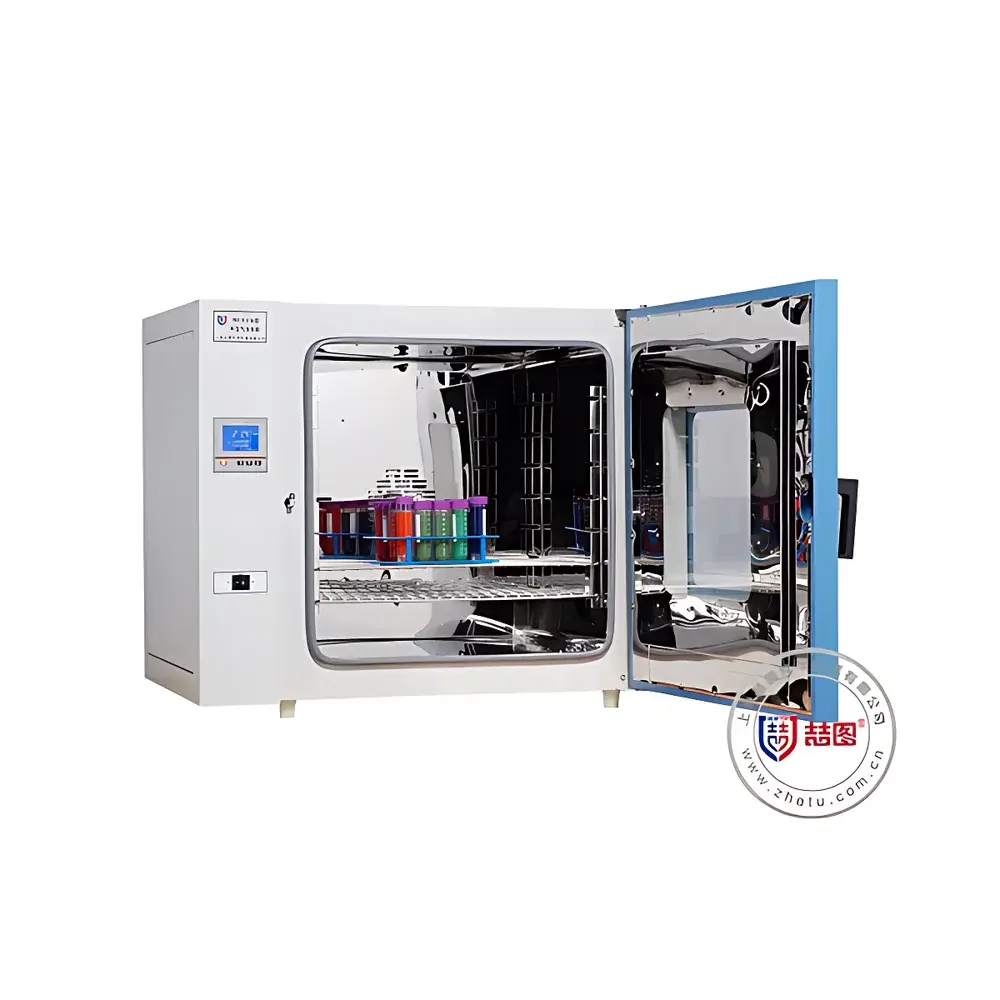
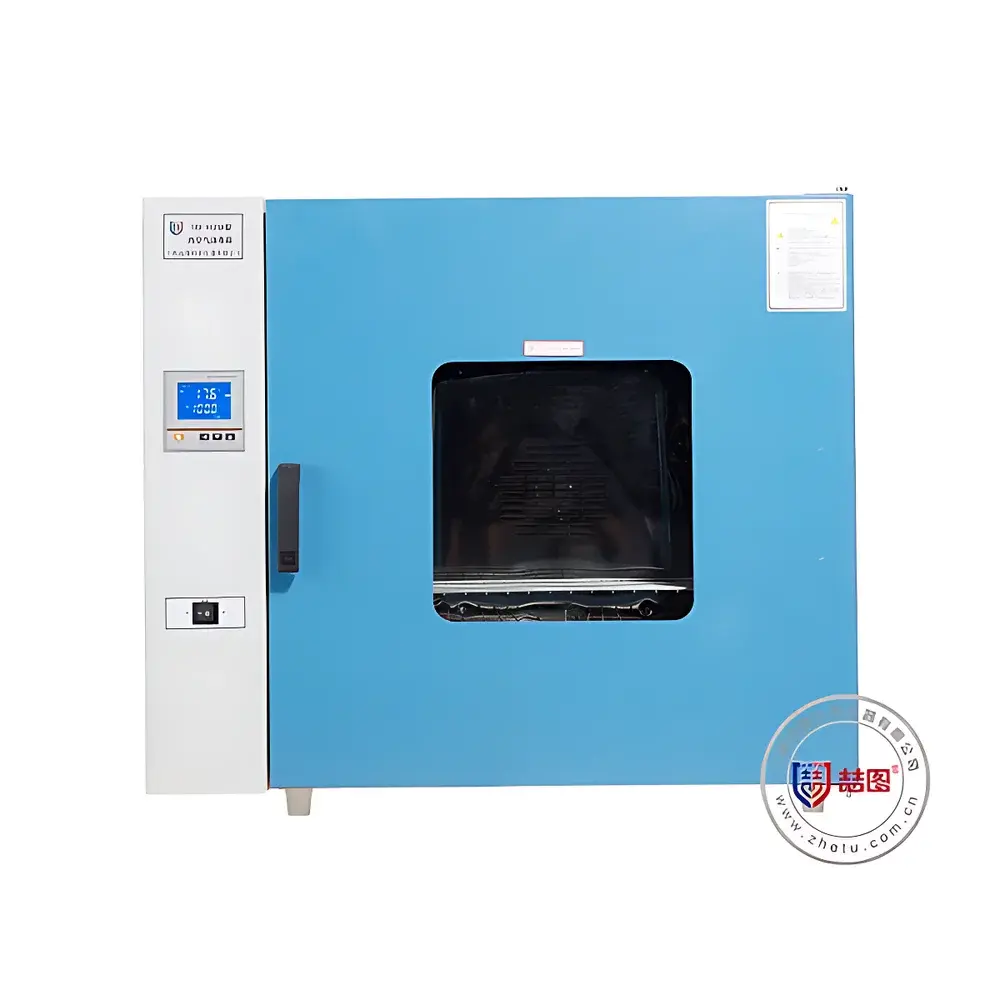
DRETOP TRX-9203A Forced-Air Dry Heat Sterilizer
| Brand | DRETOP |
|---|---|
| Origin | Shanghai, China |
| Manufacturer Type | Direct Manufacturer |
| Product Category | Domestic |
| Model | TRX-9203A |
| Price Range | USD 1,150 – 2,150 (FOB) |
| Air Circulation | Forced Convection |
| Temperature Range | RT +10°C to 250°C |
| Temperature Control Accuracy | ±0.1°C |
| Temperature Uniformity | ±2.5°C |
| Heating Power | 2500 W |
| Internal Chamber Dimensions (W×D×H) | 600 × 595 × 650 mm |
Overview
The DRETOP TRX-9203A Forced-Air Dry Heat Sterilizer is a precision-engineered laboratory-grade thermal sterilization system designed for reliable, repeatable dry heat decontamination of heat-stable materials. Operating on the principle of oxidative microbial inactivation—where sustained elevated temperatures induce irreversible protein denaturation, lipid peroxidation, and nucleic acid degradation—the TRX-9203A delivers validated sterility assurance for instruments and substances incompatible with moist-heat methods. Unlike autoclaving, dry heat sterilization avoids hydrolysis-sensitive compounds and eliminates moisture-related corrosion risks, making it indispensable for sterilizing glassware (e.g., Petri dishes, pipettes, syringes), stainless steel tools (e.g., forceps, scalpels, hypodermic needles), anhydrous oils (e.g., injection-grade mineral oil, ointment bases), and thermally stable pharmaceutical powders (e.g., sulfonamides, certain antibiotics). Its operational envelope—spanning from ambient +10°C up to 250°C—enables both low-temperature drying and high-integrity sterilization cycles (e.g., 160°C for 120 min or 180°C for 30 min per ISO 17665-1 and USP guidelines).
Key Features
- Microprocessor-based P.I.D. temperature controller with 0.1°C resolution, real-time deviation compensation, and programmable ramp-hold profiles
- Forced-air convection system with optimized ducted airflow path, ensuring ±2.5°C uniformity across the full 230 L chamber volume
- Double-layer insulated chamber: inner 304 stainless steel liner + outer cold-rolled steel shell, separated by high-density ceramic fiber insulation for minimal thermal loss
- Reinforced dual-stage locking door mechanism with high-temperature ceramic fiber gasket (rated to 300°C), maintaining positive seal integrity at all operating temperatures
- Large-format backlit LCD interface with tri-color status indicators, self-diagnostic fault code display (e.g., E01 = sensor open circuit, E02 = overtemperature), and audible/visual alarm triggers
- Dual independent safety systems: primary P.I.D. controller + secondary mechanical overtemperature cut-off (adjustable limit up to 260°C) with automatic power interruption and latching alarm
- Modular drawer-style stainless steel shelves (standard: 2 adjustable positions; optional: up to 4), supporting load distribution up to 25 kg per shelf
- Comprehensive electrical protection suite: leakage current detection, short-circuit interrupt, thermal overload relay, and non-volatile memory retention for parameter backup during power failure
Sample Compatibility & Compliance
The TRX-9203A is validated for use with Class B and Class C heat-stable materials under ISO 13485 and GMP Annex 1 requirements. It supports sterilization cycles compliant with ISO 17665-1 (Moist Heat) Annex B analogs for dry heat, ASTM F1876-20 (Standard Practice for Validation of Dry Heat Sterilization Processes), and USP “Sterility Assurance for Dry Heat Sterilization.” Compatible loads include borosilicate glass containers, tungsten-carbide surgical instruments, silicone-free metal components, paraffin-embedded tissue cassettes, and lyophilized excipient powders. It is explicitly not suitable for polymeric materials (e.g., PVC, PE, silicone elastomers), rubber stoppers, aqueous solutions, or thermolabile APIs—applications requiring validation per ICH Q5C and FDA Guidance for Industry: Sterile Drug Products Produced by Aseptic Processing.
Software & Data Management
The standard configuration includes RS-485 serial communication port (Modbus RTU protocol) for integration into centralized lab monitoring systems (e.g., LabVantage, Siemens Desigo CC). Optional upgrades include: (1) USB data logging module enabling direct export of time-stamped temperature logs (.CSV) to FAT32-formatted USB drives; (2) 7-inch color TFT touchscreen with multi-segment programmable controller supporting up to 32 steps, 99 cycles, and event-triggered data capture; (3) optional thermal printer interface (RS-232) for real-time hardcopy recording of cycle parameters, deviations, and pass/fail status. All firmware complies with FDA 21 CFR Part 11 requirements for electronic records and signatures when paired with audit-trail-enabled host software.
Applications
- Sterilization of glassware and metallic labware in QC/QA laboratories performing pharmacopeial testing (USP, EP, JP)
- Depyrogenation of vials and ampoules prior to aseptic filling in pharmaceutical manufacturing
- Pre-sterilization conditioning of chromatography columns and HPLC sample vials
- Drying and residual solvent removal from catalysts and inorganic reagents in synthetic chemistry workflows
- Heat treatment of calibration standards and reference materials requiring traceable thermal history
- Validation studies for dry heat depyrogenation cycles under ISO 14971 risk management framework
FAQ
What is the minimum recommended sterilization cycle for bacterial endospores using the TRX-9203A?
A validated cycle of 180°C for 30 minutes achieves ≥6-log reduction of Geobacillus stearothermophilus spores, consistent with ISO 17665-1 Annex B dry heat equivalency criteria.
Can the TRX-9203A be used for depyrogenation of glass containers?
Yes—when operated at ≥250°C for ≥45 minutes, it meets USP depyrogenation requirements for removal of bacterial endotoxins from glass surfaces.
Is the unit compliant with GLP/GMP documentation requirements?
With optional data logging and RS-485 interface, it supports ALCOA+ data integrity principles when integrated into validated electronic lab notebook (ELN) or MES platforms.
What maintenance is required to sustain temperature uniformity certification?
Annual verification using NIST-traceable Class A PT100 probes at 9 spatial points (per ISO 17025) is recommended; door gasket inspection and fan motor lubrication every 6 months.
Does the TRX-9203A support IQ/OQ/PQ protocol execution?
Yes—its deterministic control architecture, alarm logging, and parameter recall functionality align with ASTM E2500-13 guidance for equipment qualification in regulated environments.



