
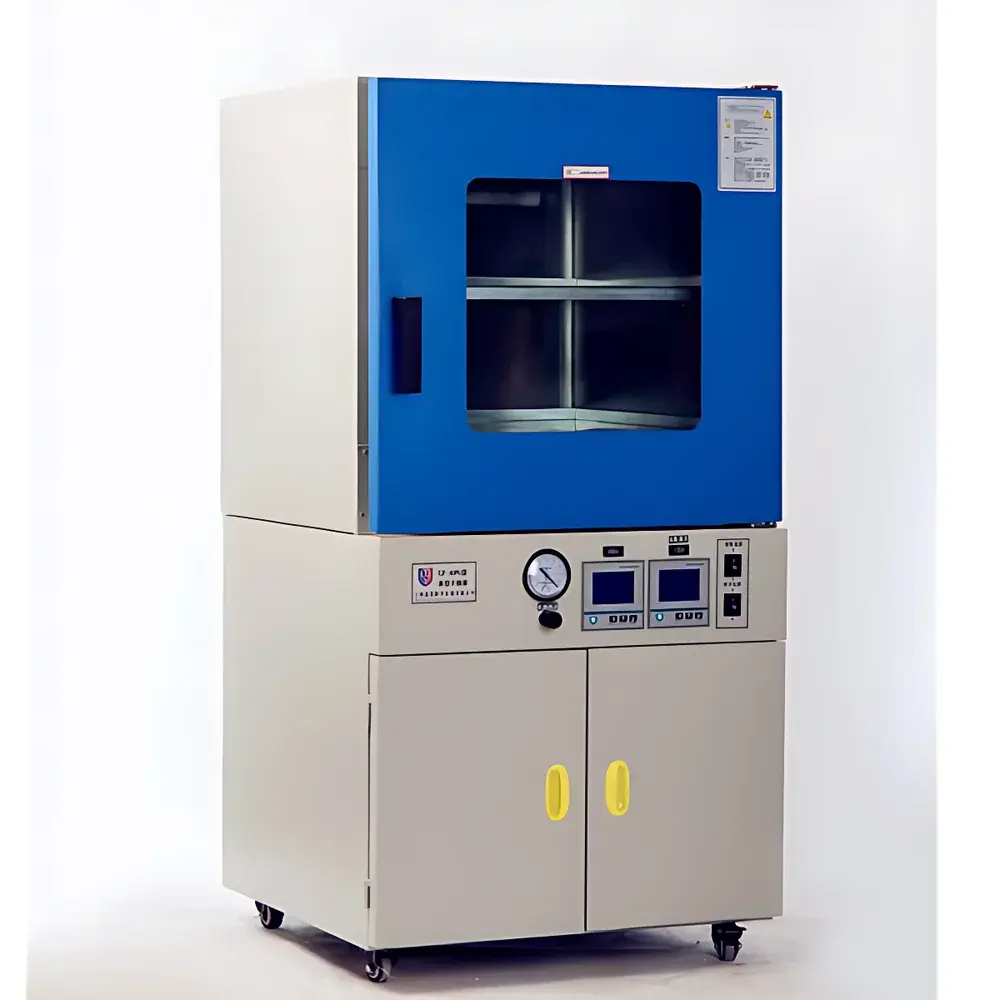
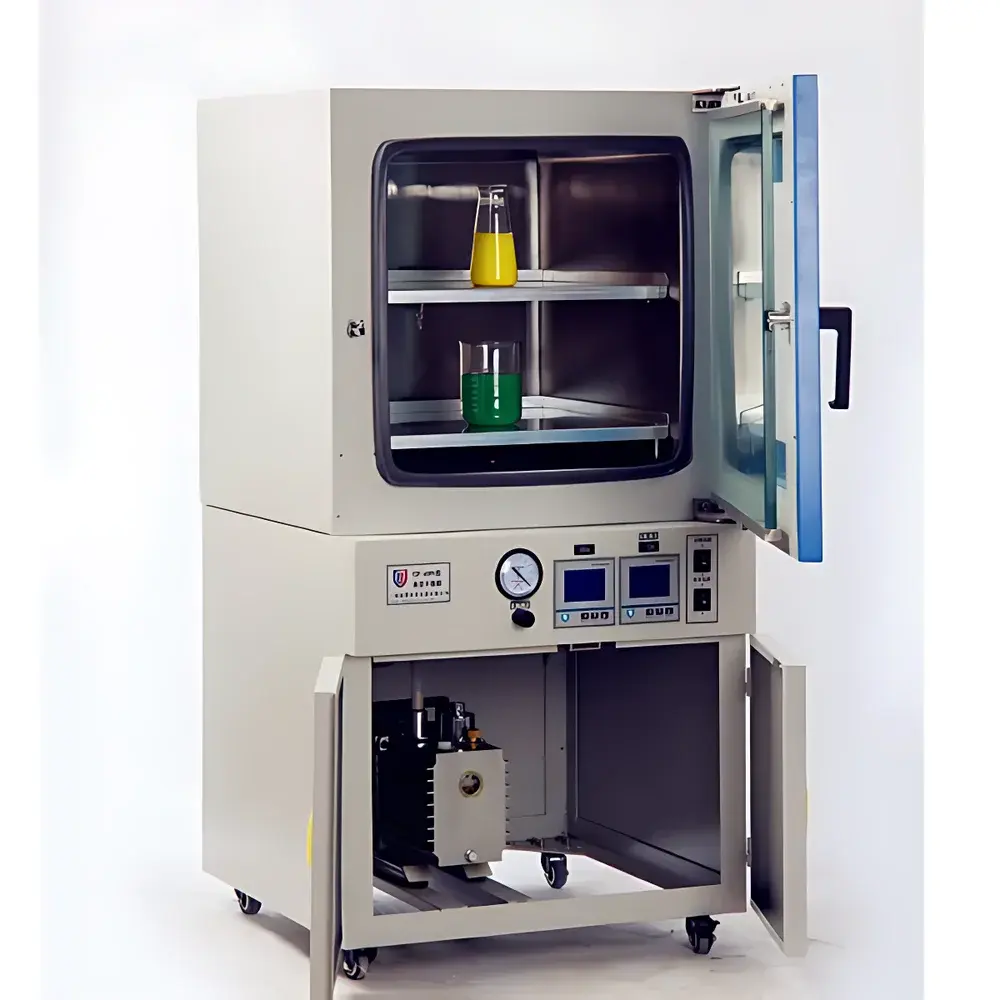
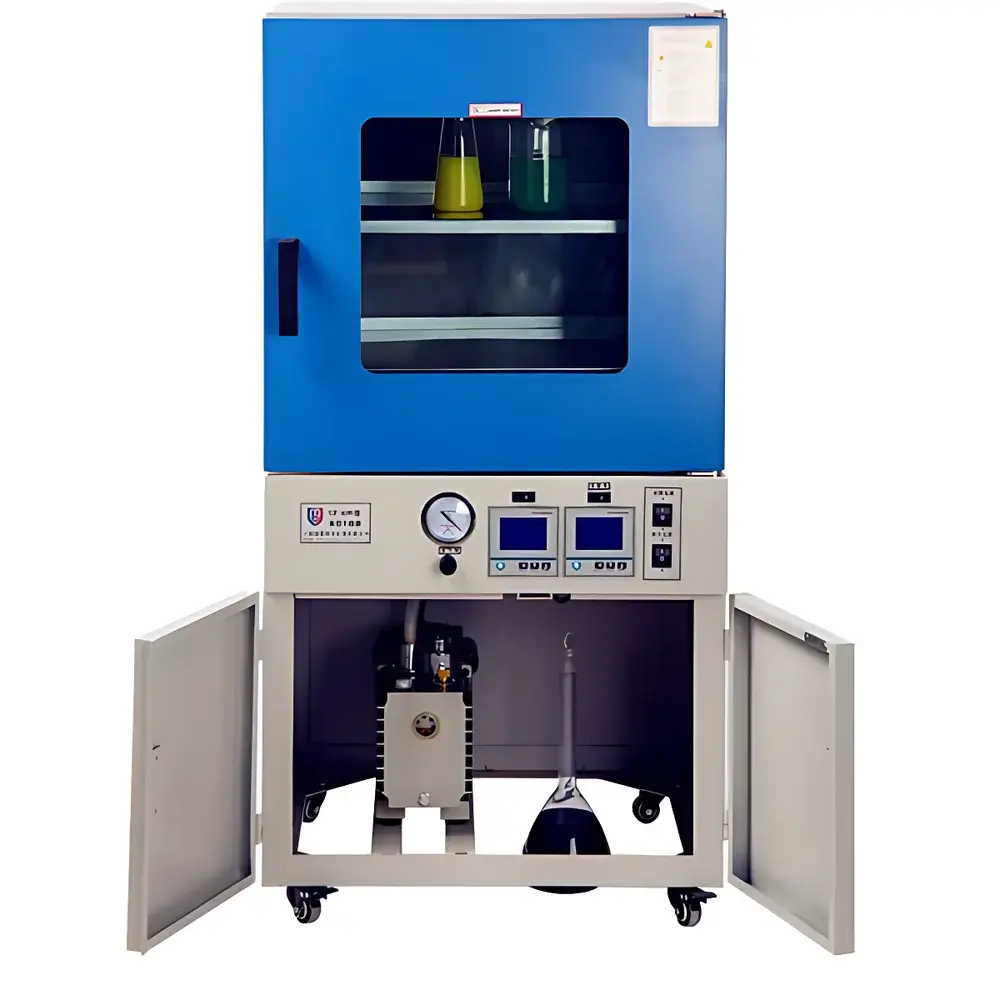
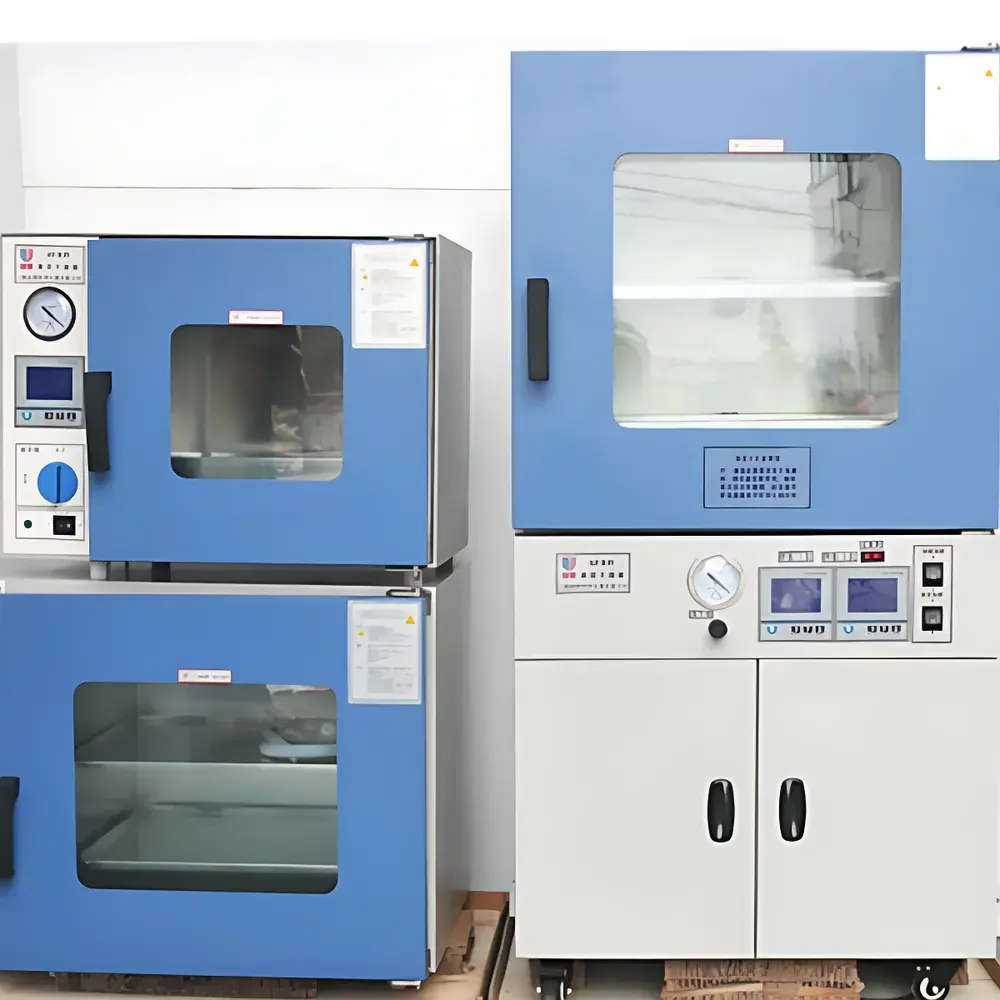
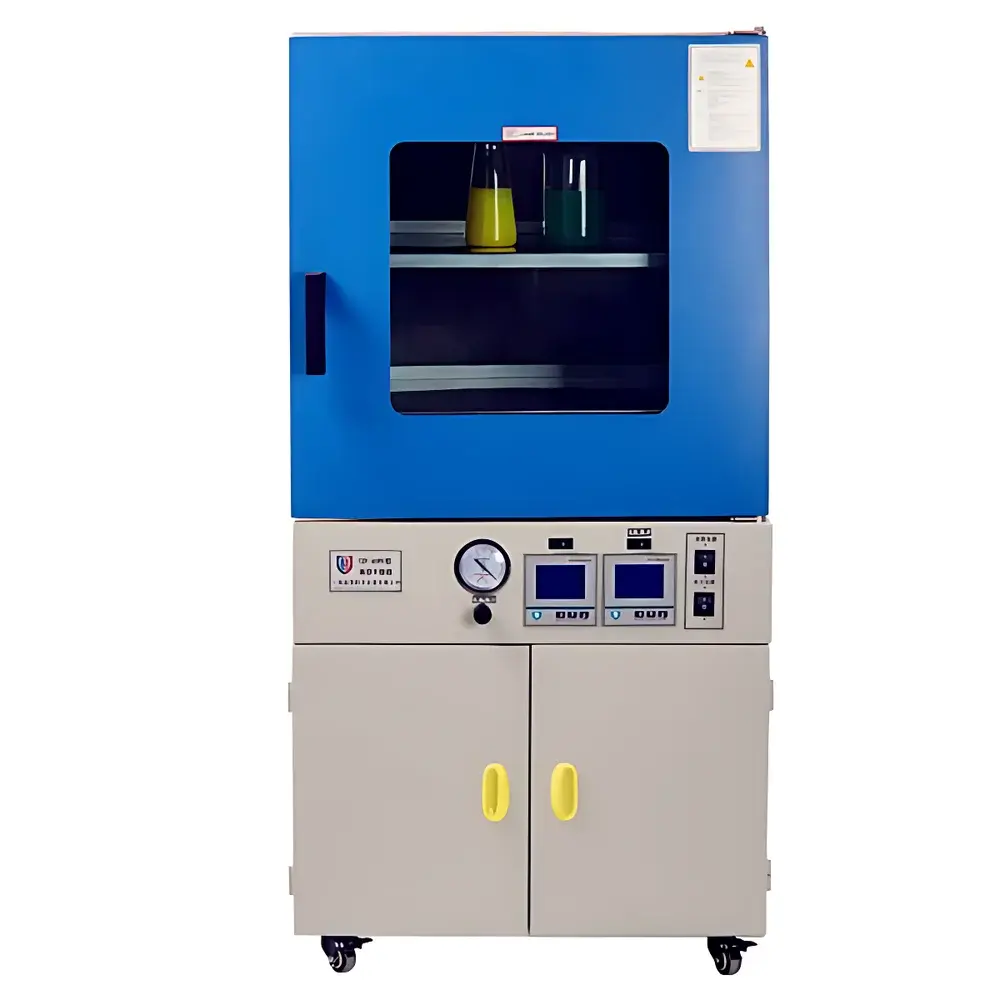
DRETOP TZF-6050LU Vacuum Drying Oven
| Brand | DRETOP |
|---|---|
| Origin | Shanghai, China |
| Manufacturer Type | Direct Manufacturer |
| Instrument Type | Vacuum Oven |
| Temperature Range | RT+10 to 250 °C |
| Temperature Uniformity | ±1 °C |
| Temperature Fluctuation | ±0.5 °C |
| Temperature Resolution | 0.1 °C |
| Vacuum Level | ≤133 Pa |
| Internal Chamber Dimensions (W×D×H) | 415 × 370 × 345 mm |
| External Dimensions (W×D×H) | 575 × 510 × 1130 mm |
| Chamber Material | 304 Stainless Steel |
| Heating Method | External Radiant Heating (Four-Side) |
| Operating Ambient Temperature | 5–45 °C |
| Insulation | Glass Fiber Blanket |
| Safety Protections | Over-Temperature Cut-Off, Leakage Current Protection, Short-Circuit & Overload Protection, Power-Fail Data Retention |
Overview
The DRETOP TZF-6050LU Vacuum Drying Oven is an engineered solution for controlled thermal processing under reduced-pressure conditions. It operates on the principle of vacuum-assisted evaporation—lowering the ambient pressure inside the chamber to reduce the boiling point of solvents and moisture, thereby enabling gentle, uniform drying of thermally sensitive, oxidation-prone, or chemically unstable materials without degradation. Unlike conventional forced-air ovens, this system eliminates convective heat transfer and oxygen exposure, making it ideal for applications where sample integrity, residual solvent removal, or inert atmosphere compatibility is critical. Designed for laboratory and pilot-scale R&D environments, the TZF-6050LU supports reproducible vacuum drying protocols compliant with ISO 17025 calibration traceability requirements and aligns with GLP documentation practices for regulated industries including pharmaceutical development, battery electrode manufacturing, and semiconductor packaging.
Key Features
- External radiant heating architecture: Four-side stainless steel-sheathed heating elements ensure uniform thermal distribution without vacuum arcing, carbon deposition, or localized hot spots—critical for long-term reliability in continuous operation.
- High-integrity vacuum sealing: Dual-stage rotary latch mechanism with high-compression silicone gasket and tempered double-layer observation window maintains stable vacuum levels ≤133 Pa over extended cycles.
- Microprocessor-based P.I.D. temperature controller with digital LCD interface: Supports programmable ramp-soak profiles, real-time deviation alarm thresholds, and automatic fault code diagnostics for rapid troubleshooting.
- Robust thermal insulation: Multi-layer glass fiber blanket between chamber and outer casing minimizes heat loss, achieving energy efficiency consistent with ISO 50001 benchmarking standards.
- Modular load configuration: Adjustable, removable stainless steel wire shelves (2 standard positions) accommodate varied sample geometries; shelf spacing optimized for laminar vapor flow during desorption.
- Comprehensive safety architecture: Independent over-temperature limiter, ground-fault circuit interrupter (GFCI), thermal cut-off fuses, and non-volatile memory retention for setpoints and timers after power interruption.
Sample Compatibility & Compliance
The TZF-6050LU accommodates a broad spectrum of sample types—including lithium-ion cathode slurries, polymer thin films, biological tissue sections, ceramic precursors, and pharmaceutical granules—without mechanical disturbance or oxidative side reactions. Its 304 stainless steel chamber resists corrosion from common organic solvents (e.g., NMP, DMF, acetone) and mild acidic vapors encountered in electrode drying or catalyst activation processes. The system supports optional inert gas purging via a dedicated inlet valve (N₂ or Ar), enabling controlled atmosphere annealing per ASTM F2628 guidelines. For regulated environments, optional RS485 serial communication enables integration into SCADA systems supporting FDA 21 CFR Part 11 audit trails when paired with validated software platforms.
Software & Data Management
While the base model features standalone microcontroller operation, the TZF-6050LU is compatible with optional programmable logic controllers (PLC) and color touchscreen HMI modules (P-series). These enable multi-step vacuum-drying recipes—including vacuum ramp rates, hold durations, pressure-controlled venting sequences, and temperature ramp limits—with timestamped event logging stored internally or exported via USB flash drive. All parameter changes are recorded with user ID and time stamp, satisfying ALCOA+ data integrity principles. Optional embedded thermal printer provides hard-copy verification of cycle completion, vacuum decay curves, and temperature deviation alerts—facilitating internal QA review and external audit readiness.
Applications
- Electrode drying in lithium-ion battery production: Removes residual NMP solvent from coated cathodes/anodes while preventing transition metal reduction and SEI layer disruption.
- Encapsulation curing for optoelectronic devices: Enables void-free polymer encapsulation of LED chips and MEMS sensors under vacuum prior to thermal crosslinking.
- Pharmaceutical lyophilization pre-drying: Stabilizes heat-labile APIs and biologics prior to freeze-drying by removing surface moisture at sub-atmospheric pressures.
- Moisture-sensitive material storage conditioning: Prepares hygroscopic reference standards, calibration weights, and optical components for metrology-grade handling environments.
- Research-scale ceramic sintering pre-treatment: Eliminates binder decomposition volatiles from green bodies prior to high-temperature firing, reducing blistering and pore formation.
FAQ
What vacuum pump is recommended for optimal performance with the TZF-6050LU?
A 2 L/s two-stage rotary vane pump (oil-lubricated) is standard; for oil-free operation in cleanroom or analytical labs, a chemically resistant diaphragm pump rated ≥2.5 L/s at 133 Pa is advised.
Can the chamber be upgraded for corrosive vapor resistance?
Yes—optional 316L stainless steel chamber lining or PTFE-coated interior surfaces are available for exposure to aggressive acids (e.g., ≤20% HCl, ≤50% NaOH) per ASTM G31 immersion testing protocols.
Is the temperature controller compliant with GLP/GMP documentation requirements?
When configured with optional RS485 interface and validated third-party software, the system supports electronic signature, audit trail generation, and 21 CFR Part 11–compliant data archiving.
How is temperature uniformity verified across the working volume?
Uniformity is confirmed per ISO 15504 Annex B using nine calibrated PT100 probes placed at standardized locations (center + six face centers + two corners); results are documented in factory calibration certificates.
What maintenance intervals are recommended for sustained vacuum integrity?
Silicone door gasket inspection every 6 months; vacuum gauge calibration annually; pump oil replacement every 500 operating hours (oil pumps) or membrane replacement every 2000 hours (diaphragm pumps).



