
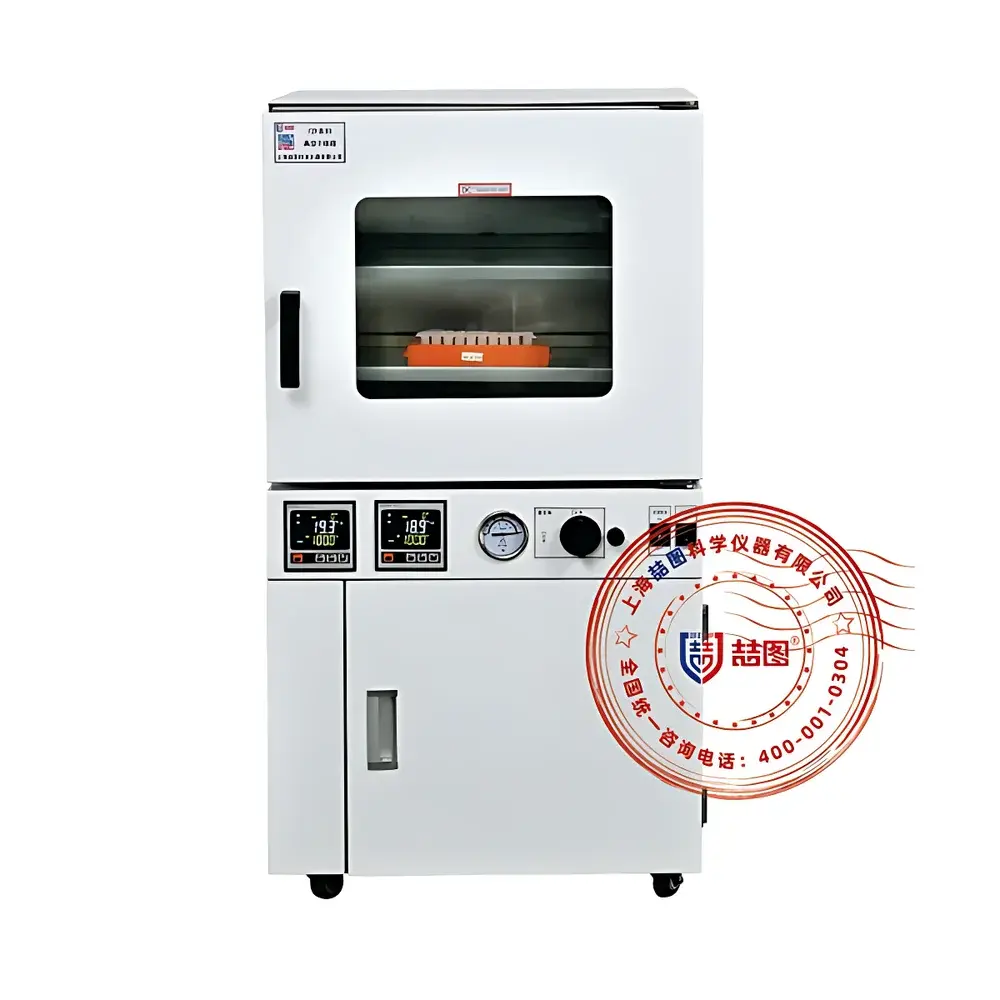
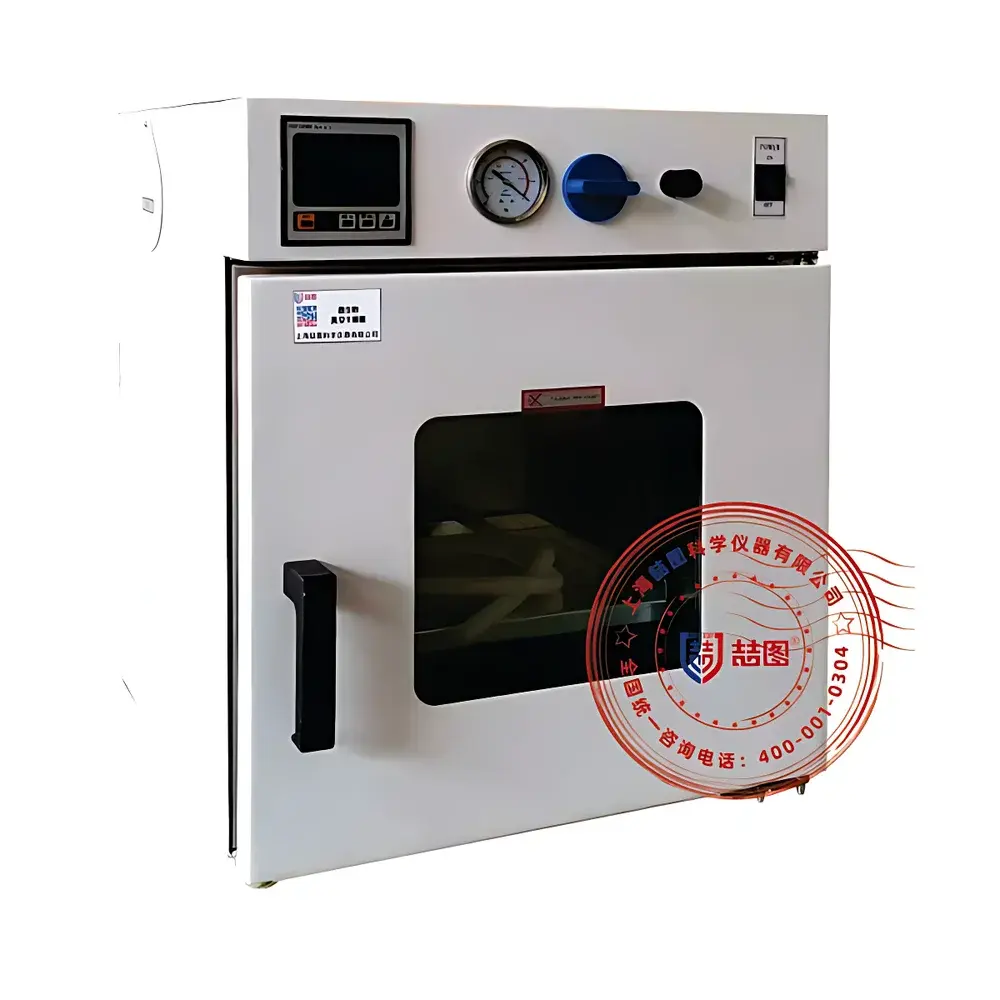
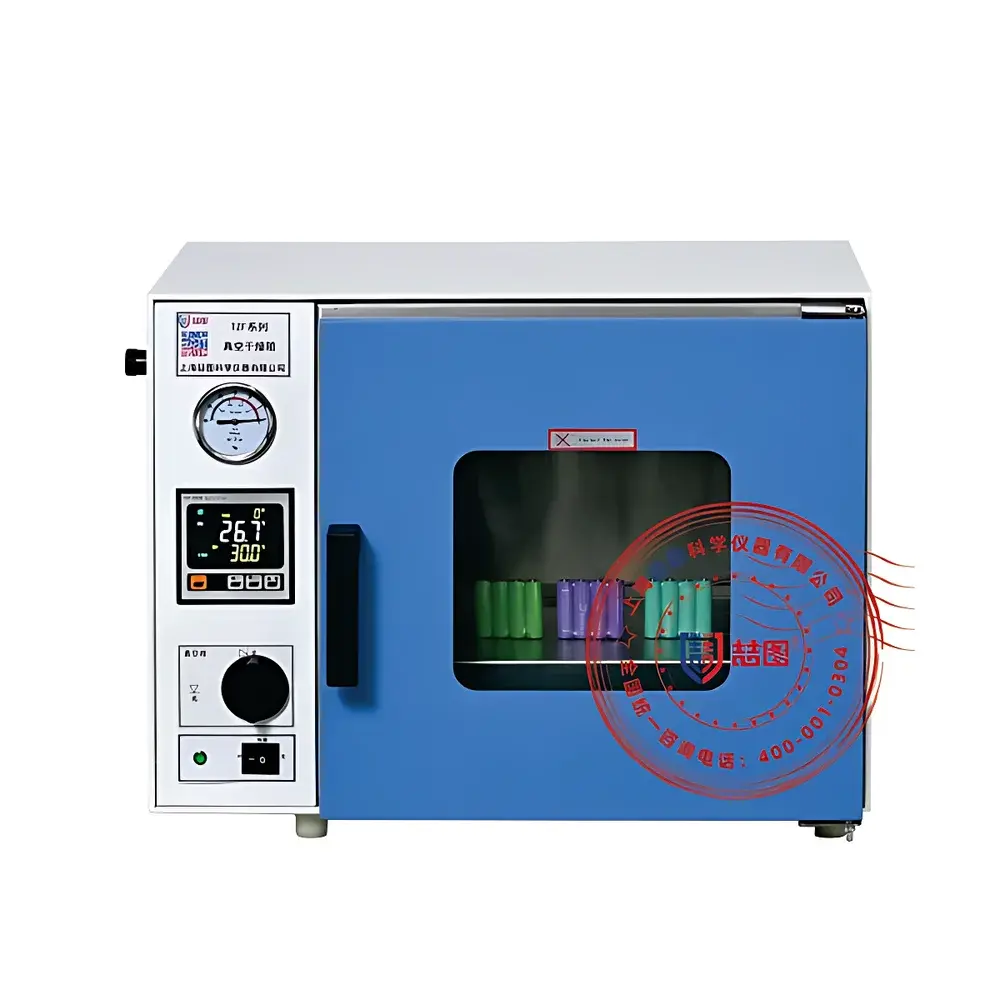
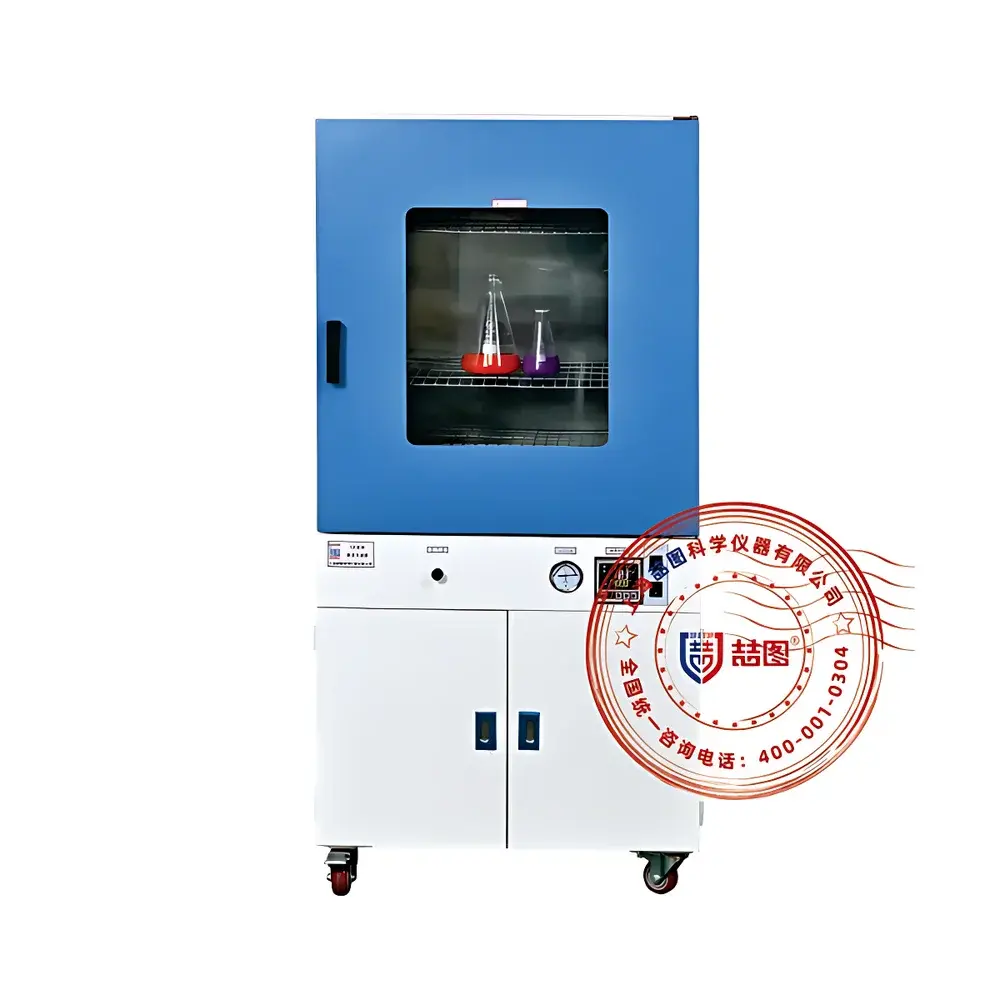
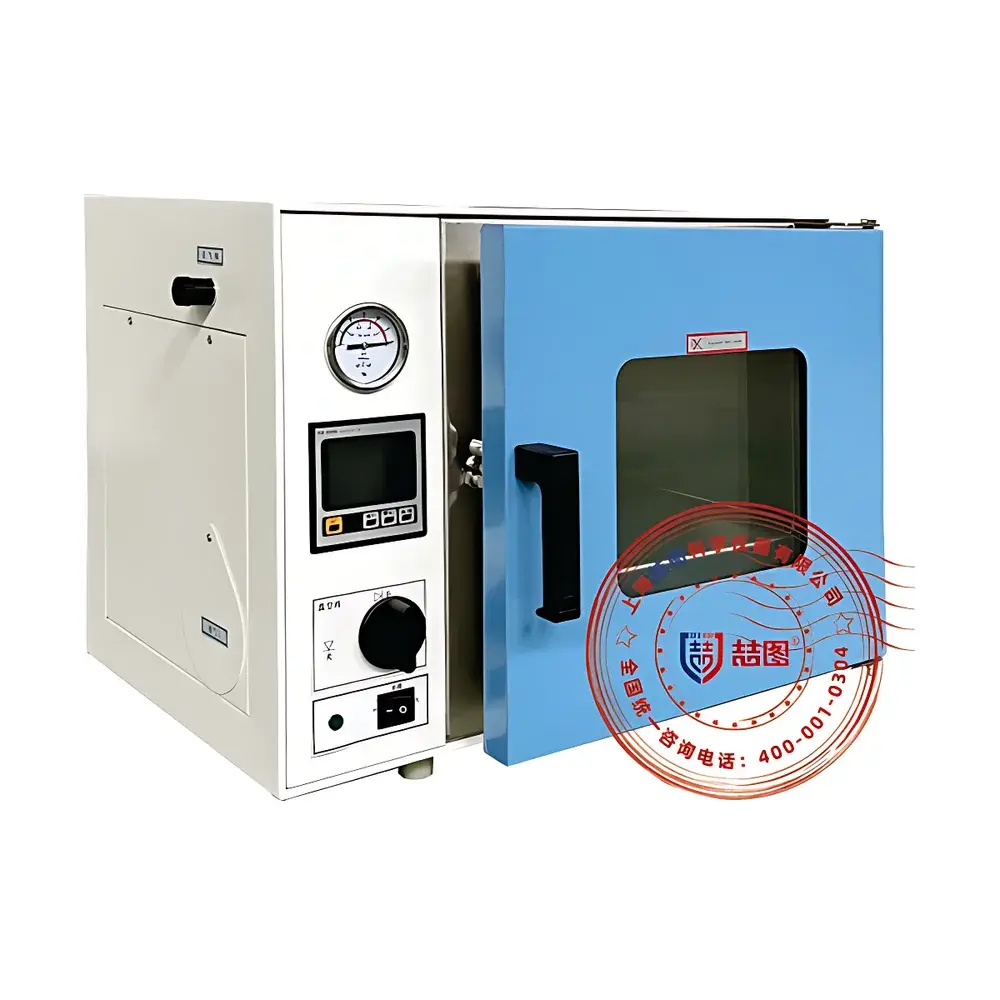
DRETOP TZF/TZS/XZ/XZS Series Vacuum Drying Ovens
| Brand | DRETOP |
|---|---|
| Origin | Shanghai, China |
| Manufacturer Type | Authorized Distributor |
| Product Category | Domestic |
| Models | TZF, TZS, XZ, XZS Series |
| Instrument Type | Vacuum Oven |
| Temperature Range | 65 °C to 300 °C |
| Temperature Uniformity | ±1.5 °C to ±2.5 °C |
| Temperature Fluctuation | ±0.5 °C |
| Control Range | RT+10 °C to 300 °C |
| Temperature Resolution | 0.1 °C |
| Vacuum Level | ≤133 Pa |
| Internal Dimensions | 300×300×275 mm to 630×810×845 mm |
| External Dimensions | 595×480×480 mm to 1000×1040×1855 mm |
| Chamber Material | 304 Stainless Steel |
| Heating Method | External Heating (Optional Internal Heating) |
| Ambient Operating Temperature | RT+10 °C |
| Insulation | Glass Fiber |
Overview
The DRETOP TZF, TZS, XZ, and XZS Series Vacuum Drying Ovens are engineered for precise, oxidation-free thermal processing under controlled low-pressure environments. Operating on the principle of vacuum-assisted moisture removal—where reduced ambient pressure lowers the boiling point of solvents and volatile compounds—these ovens enable gentle, efficient drying of thermally sensitive, hygroscopic, or oxygen-labile materials without decomposition, surface oxidation, or structural degradation. Unlike conventional forced-air ovens, vacuum drying eliminates convective heat transfer and atmospheric contamination, making it essential for applications demanding chemical stability, high-purity output, and reproducible residual moisture control. The series complies with fundamental laboratory safety and performance expectations aligned with ISO/IEC 17025 general requirements for testing laboratories and supports GLP-compliant workflows through configurable data logging and audit-ready operational parameters.
Key Features
- Dual Heating Architecture: Selectable external or internal heating configurations—external heating offers superior chamber cleanliness, spatial flexibility for large or irregular samples, and enhanced vacuum stability at ultra-low pressures; internal heating delivers tighter temperature uniformity (±0.5 °C), faster thermal response, and minimal air movement—critical for powders, nanoparticles, biological macromolecules, and pharmaceutical intermediates.
- Precision Temperature Management: Microprocessor-based PID controllers with 0.1 °C resolution, programmable ramp-soak profiles (via VT/VDT-series touchscreen interfaces), over-temperature alarm and cut-off protection, and real-time fault diagnostics displayed via alphanumeric codes on backlit LCD panels.
- Vacuum Integrity & Safety: Dual-layer stainless steel chamber construction with silicone gasket-sealed double-glazed observation windows; two-stage rotary door latch system ensures consistent compression force across the sealing perimeter; integrated overpressure relief and short-circuit, overload, and ground-fault protection circuits.
- Ergonomic & Maintenance-Optimized Design: Pull-out stainless steel shelving (adjustable height in external-heating models); electrostatically coated mild steel exterior; 304 stainless steel interior surfaces resistant to corrosion from acidic vapors or solvent residues; optional inert gas inlet valves (N₂ or Ar) for controlled-atmosphere annealing or passivation protocols.
Sample Compatibility & Compliance
The TZF/TZS/XZ/XZS platforms accommodate a broad spectrum of sample formats—including fine powders, granular composites, thin-film substrates, microelectronics assemblies, lithium-ion battery electrodes, lyophilized biologics, and ceramic green bodies—without risk of particle dispersion or cross-contamination. Their vacuum-rated design supports processes compliant with ASTM E145 (Standard Specification for Gravity-Convection and Forced-Ventilation Ovens), IEC 61000-6-3 (EMC emissions), and UL 61010-1 (safety requirements for electrical equipment). When configured with RS485 communication, embedded printers, or PLC integration (XZ/XZS multi-chamber variants), systems meet traceability prerequisites under FDA 21 CFR Part 11 for electronic records and signatures in regulated environments.
Software & Data Management
Select models—including TZS-VT and TZS-VDT variants—feature full-color capacitive touchscreens with intuitive graphical user interfaces supporting up to 99 programmable segments per profile, real-time trend plotting, and timestamped event logging. Data export is available via USB or RS485 to external SCADA or LIMS platforms. Optional accessories include cold traps for condensable vapor capture, oil mist filters for vacuum pump exhaust, and inert gas mass flow controllers enabling dynamic atmosphere switching during hold phases. All firmware versions maintain backward-compatible parameter storage and support power-loss recovery with non-volatile memory retention.
Applications
- Semiconductor manufacturing: Pre-bake of photoresist-coated wafers, desiccation of MEMS packaging components, and post-etch moisture removal.
- Lithium-ion battery R&D: Electrode drying prior to cell assembly, electrolyte impregnation conditioning, and separator film stabilization.
- Pharmaceutical development: Residual solvent reduction in API crystallization batches, sterile powder drying under nitrogen blanket, and stability study sample conditioning per ICH Q1 guidelines.
- Materials science: Thermal aging of polymer nanocomposites, outgassing characterization of aerospace adhesives, and calcination of metal-organic frameworks (MOFs).
- Environmental testing labs: Moisture content determination in soil/sediment samples per EPA Method 5035A, and preservation of volatile organic compound (VOC) standards.
FAQ
What distinguishes internal vs. external heating in vacuum drying applications?
Internal heating provides superior temperature homogeneity and eliminates airflow-induced particle migration—ideal for nanopowders and biologics. External heating avoids embedded resistive elements in the chamber wall, simplifying cleaning and improving long-term vacuum integrity at <10 Pa.
Can these ovens operate under inert gas purge conditions?
Yes—optional inert gas inlet valves allow continuous or pulsed N₂/Ar purging to suppress oxidation during thermal treatment of reactive metals or conductive polymers.
Is vacuum level monitoring integrated into the control system?
All TZS-series and XZ/XZS models include digital vacuum gauges with analog output; analog pointer gauges are standard on TZF base models and can be upgraded.
Do multi-chamber XZ/XZS systems share a single vacuum pump?
No—each chamber operates independently with dedicated vacuum line routing; optional dual-stage pumps (e.g., D8/D16/D24) are specified per chamber to ensure synchronized evacuation and pressure regulation.
Are calibration certificates available for temperature and vacuum sensors?
Factory calibration reports conforming to ISO/IEC 17025 are provided upon request; field-serviceable Pt100 sensors and Pirani gauges support third-party metrology verification.



