
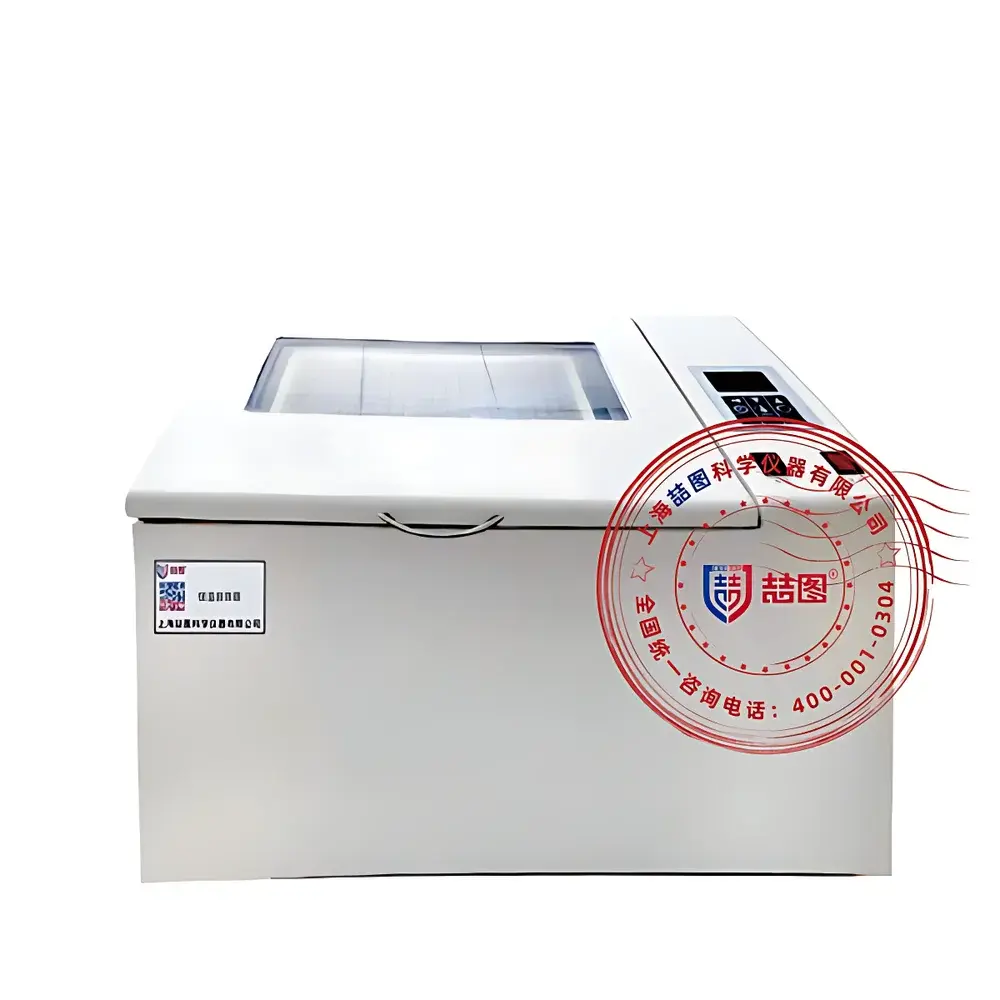
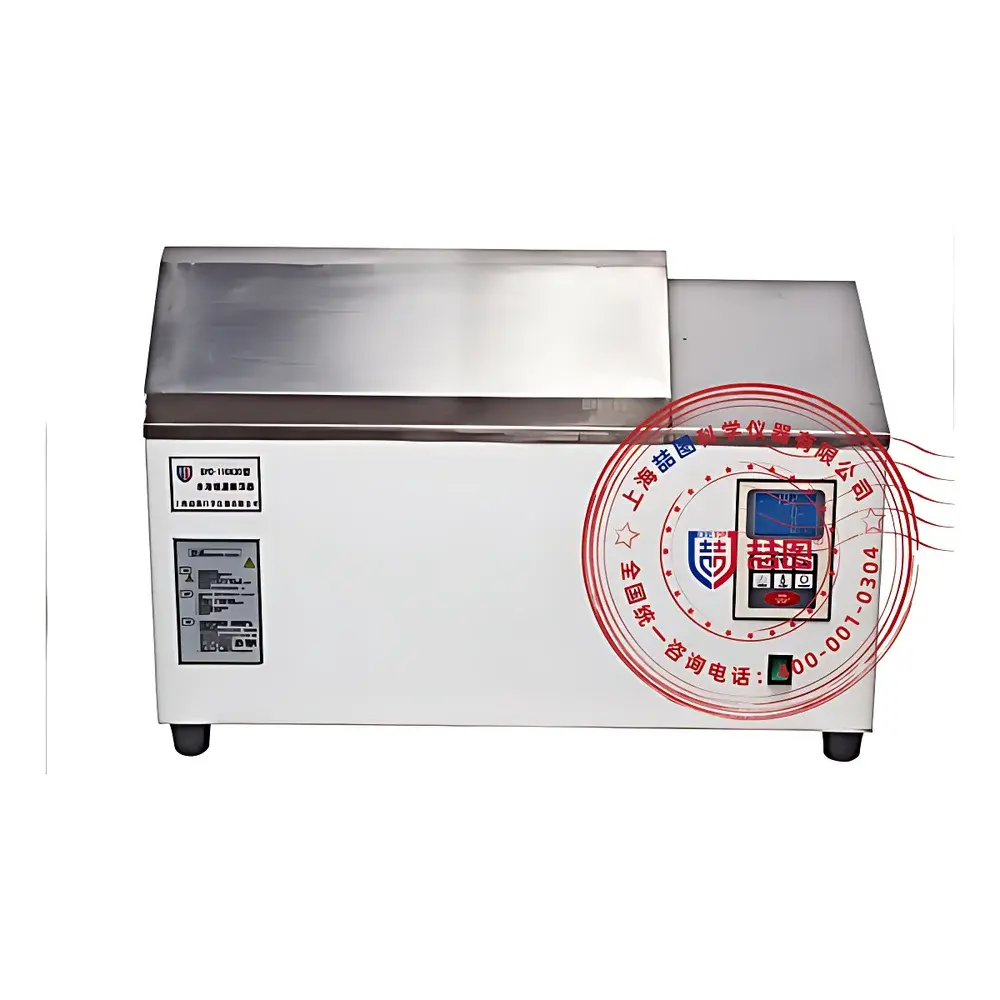
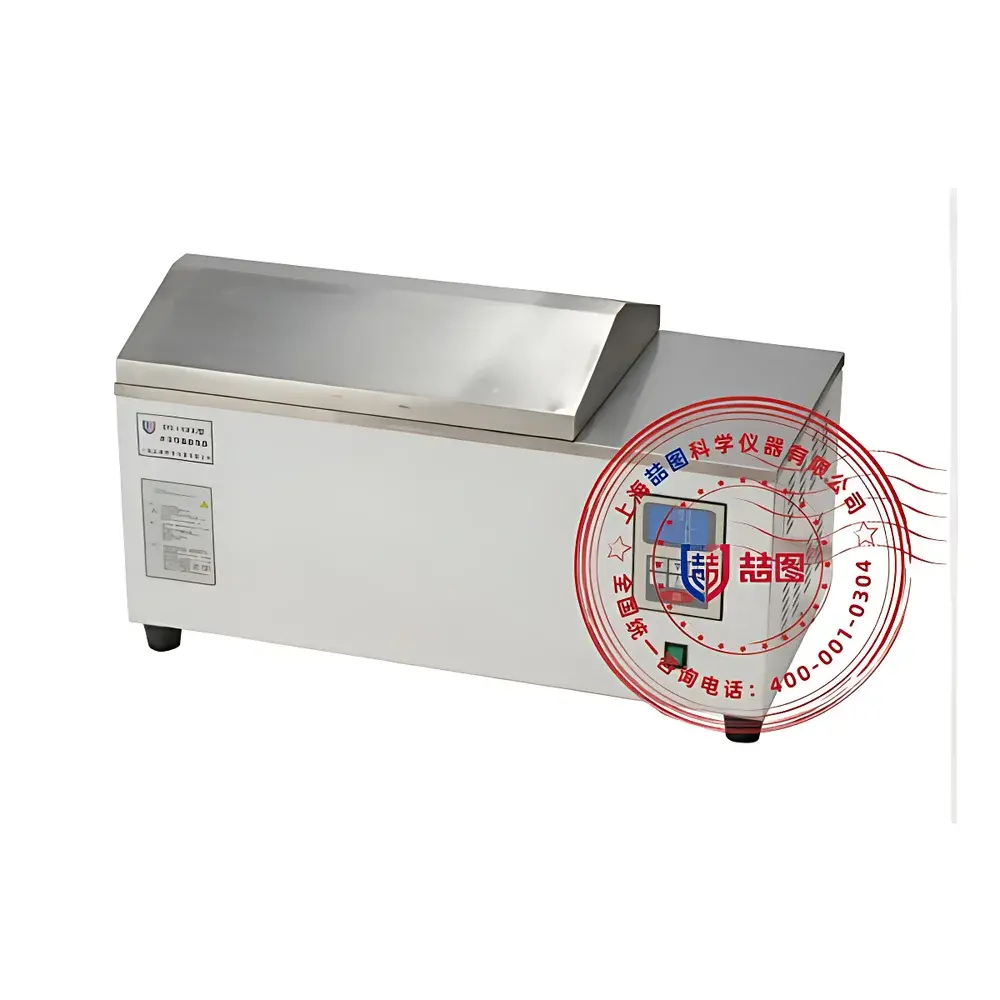
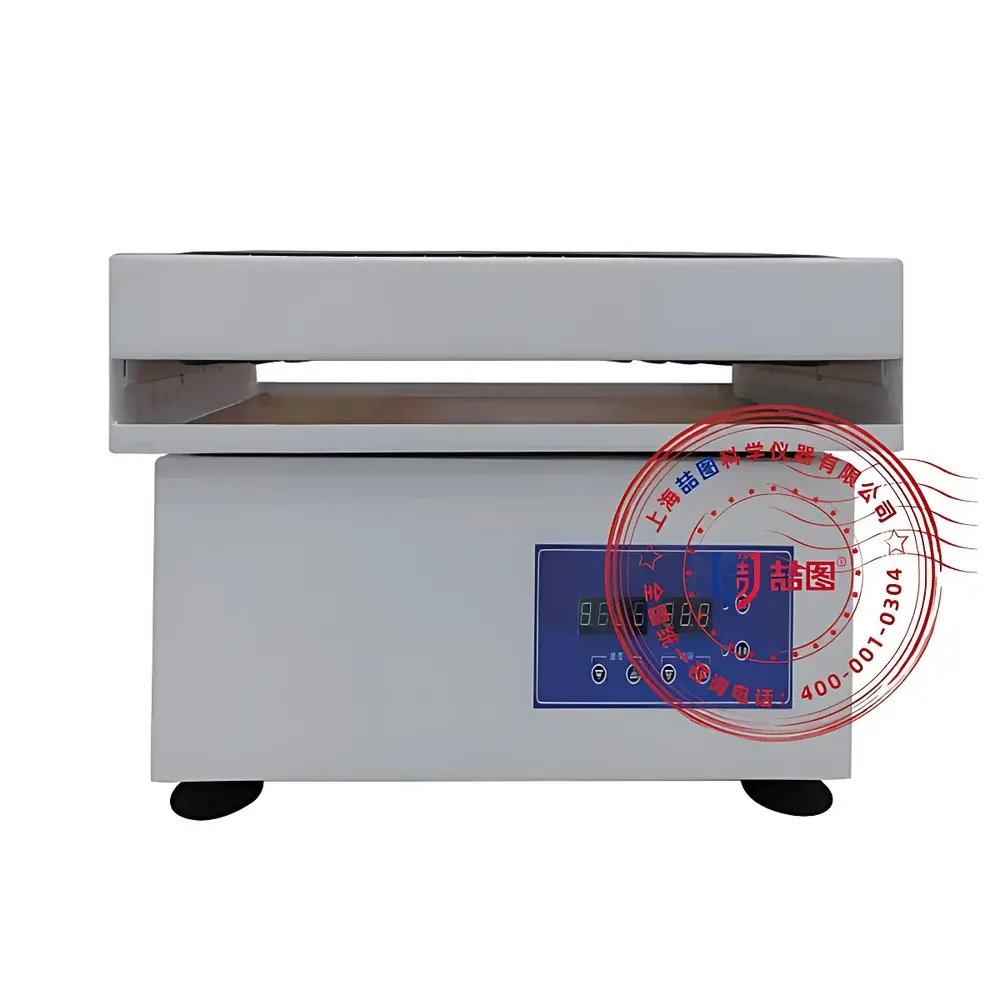
DRETOP WA-4433R Low-Temperature Water Bath Shaker
| Brand | DRETOP |
|---|---|
| Origin | Shanghai, China |
| Manufacturer Type | Direct Manufacturer |
| Instrument Category | Domestic |
| Model | WA-4433R |
| Pricing Range | USD 2,200 – 3,600 (FOB Shanghai) |
| Instrument Type | Water Bath Constant-Temperature Shaker |
| Timer Range | 1–9999 minutes |
| Oscillation Frequency | 0–220 rpm (customizable up to 300 rpm) |
| Oscillation Amplitude | 26 mm |
| Temperature Range | 4–100 °C |
| Shelf Quantity | 1 platform |
Overview
The DRETOP WA-4433R Low-Temperature Water Bath Shaker is an engineered platform for precise temperature-controlled oscillation of liquid and semi-solid biological samples in life science and bioprocessing laboratories. It operates on the principle of controlled convection-heated water bath immersion combined with synchronous orbital or reciprocating motion—enabling uniform thermal transfer and consistent mechanical agitation. Unlike air-jacketed shakers, the water bath design ensures superior temperature homogeneity (±0.5 °C) and reduced thermal overshoot during low-temperature operation, making it especially suitable for cold-sensitive applications such as enzyme kinetics, cryopreservation media equilibration, and psychrophilic microbial culture. The unit maintains stable operation from refrigerated conditions (4 °C) up to standard incubation temperatures (100 °C), with real-time PID-regulated feedback across both thermal and rotational domains.
Key Features
- Microprocessor-based PID temperature and speed control system with backlit LCD interface, supporting simultaneous display of setpoint/actual temperature (resolution: 0.1 °C), rotational speed (±1 rpm accuracy), and elapsed time.
- Brushless DC motor drive delivering constant torque across full speed range (0–220 rpm, optionally 300 rpm), eliminating carbon brush wear and enabling maintenance-free long-term operation.
- Dual-safety thermal architecture: independent over-temperature cut-off circuitry triggers audible/visual alarm and automatically disables heating elements upon detection of motor overheating, bath temperature deviation >2 °C from setpoint, or sensor failure.
- Soft-start acceleration profile minimizes initial liquid displacement, preventing splashing and cross-contamination—critical when handling low-volume cultures, PCR master mixes, or antibody-conjugated beads.
- Parameter lock function prevents unauthorized modification of operational settings; power-loss memory retains all active configurations and resumes pre-interruption protocol upon restoration of AC supply.
- Stainless-steel water bath chamber (530 × 400 × 230 mm internal dimensions) with corrosion-resistant epoxy-coated exterior housing and insulated lid to reduce evaporation and ambient heat exchange.
Sample Compatibility & Compliance
The WA-4433R accommodates standard laboratory vessels—including Erlenmeyer flasks (up to 2 L), test tubes (10–50 mL), microcentrifuge tubes (in rack adapters), and 96-well microplates—via its universal spring clamps (included). Its 440 × 330 mm platform supports load capacities up to 15 kg. The device conforms to IEC 61010-1:2010 safety standards for laboratory equipment and meets electromagnetic compatibility (EMC) requirements per EN 61326-1. While not certified for GMP production environments, its programmable timer, temperature logging capability (with optional USB module), and audit-ready parameter locking support GLP-aligned workflows in academic, clinical, and contract research settings.
Software & Data Management
The shaker integrates seamlessly with optional data acquisition modules: a plug-and-play USB storage interface logs timestamped temperature and RPM values at user-defined intervals (1 s to 60 min resolution), generating CSV files compatible with Excel, MATLAB, or LIMS platforms. Optional firmware upgrade enables remote monitoring via Ethernet/Wi-Fi (IEEE 802.11 b/g/n), supporting integration into centralized lab infrastructure. All stored data includes metadata (operator ID, experiment ID, calibration timestamps) and complies with ALCOA+ principles for traceability. No proprietary software installation is required—raw logs are human-readable and exportable without vendor-specific viewers.
Applications
- Low-temperature enzymatic assays requiring strict thermal stability between 4–25 °C
- Cultivation of cold-adapted bacterial strains (e.g., Pseudomonas fluorescens, Colwellia psychrerythraea) under controlled shear conditions
- Solubility profiling of thermolabile pharmaceutical compounds in aqueous buffers
- Cell lysis optimization using detergent-based or mechanical disruption protocols
- Antibody-antigen binding kinetics studies where temperature-induced conformational drift must be minimized
- Preparation of homogeneous suspension standards for particle size analysis (e.g., ISO 13320-compliant DLS sample conditioning)
FAQ
What is the minimum operating temperature, and how is sub-ambient cooling achieved?
The WA-4433R achieves 4 °C using resistive heating modulation—not active refrigeration. For sustained operation below ambient, external chillers or ice-water mixtures must be used in conjunction with the bath; the unit itself does not incorporate compressor-based cooling.
Can the oscillation mode be switched between reciprocating and orbital?
No—the WA-4433R is configured exclusively for orbital (rotary) motion. Reciprocating models are available under separate model numbers (e.g., QA-4433R series).
Is the water bath depth sufficient for full submersion of 1-L flasks?
Yes—the internal bath height of 230 mm allows complete immersion of standard 1-L Erlenmeyer flasks (height ≈ 210 mm) when mounted vertically on the platform.
Does the device support validation documentation (IQ/OQ/PQ)?
Factory calibration certificates are provided for temperature and speed sensors. Full IQ/OQ/PQ protocols require third-party qualification; DRETOP supplies technical specifications, sensor schematics, and firmware revision history to support user-led validation.
What is the maximum permissible load imbalance on the platform?
Asymmetric loading exceeding ±10% of total mass (i.e., >1.5 kg difference across opposing quadrants) may induce vibration harmonics that compromise thermal uniformity and accelerate bearing wear. Symmetrical placement is strongly recommended.




