
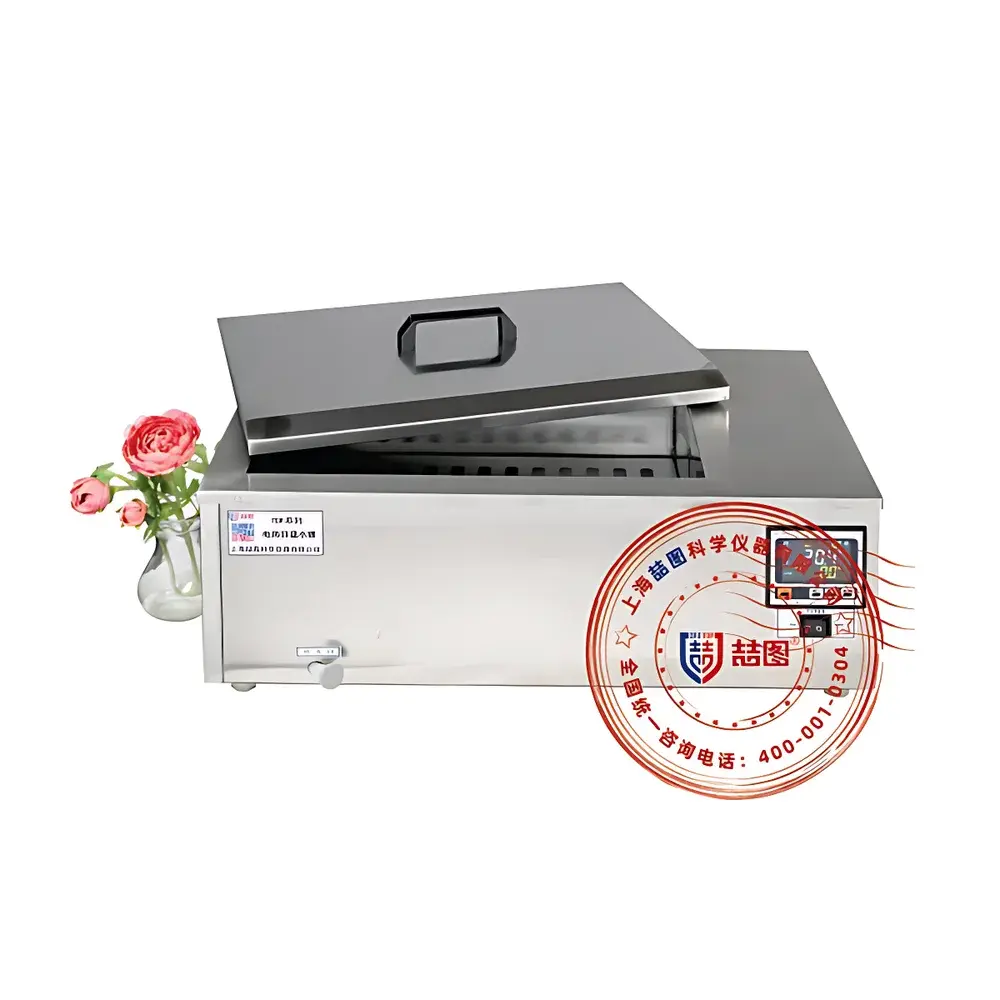
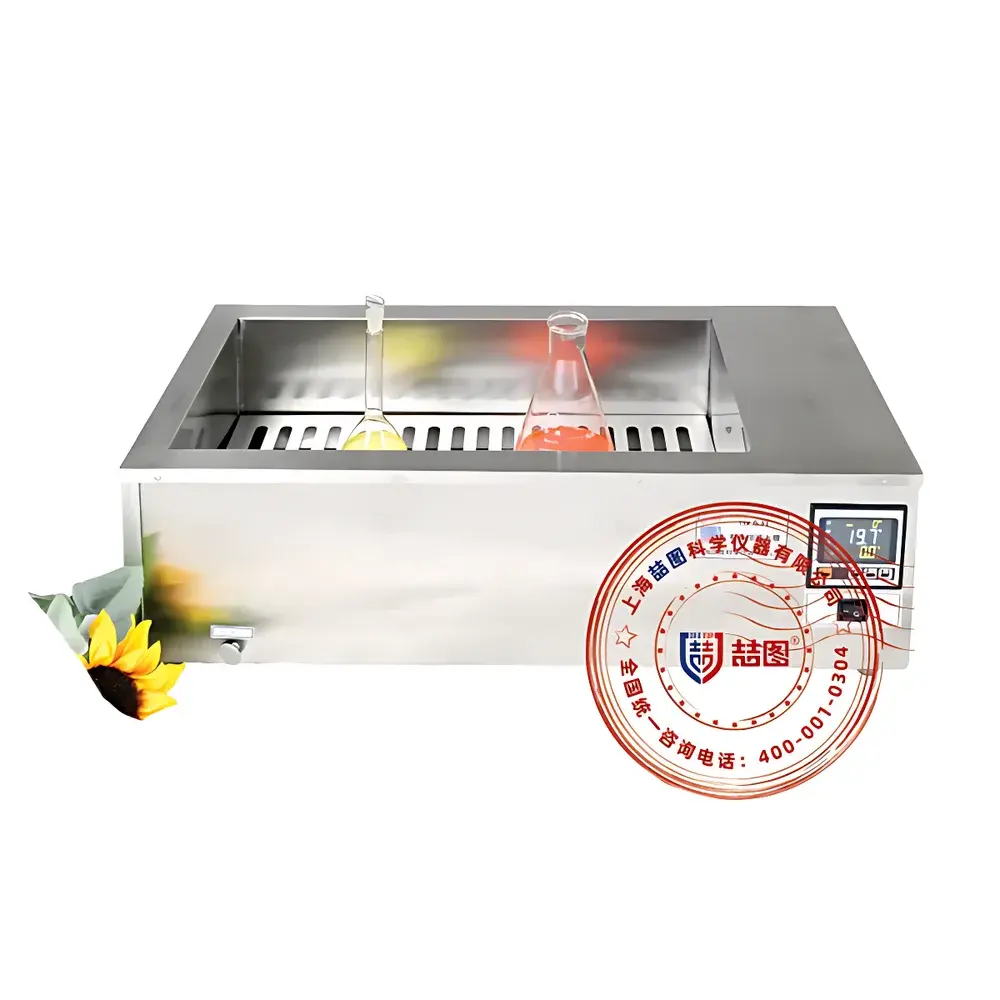
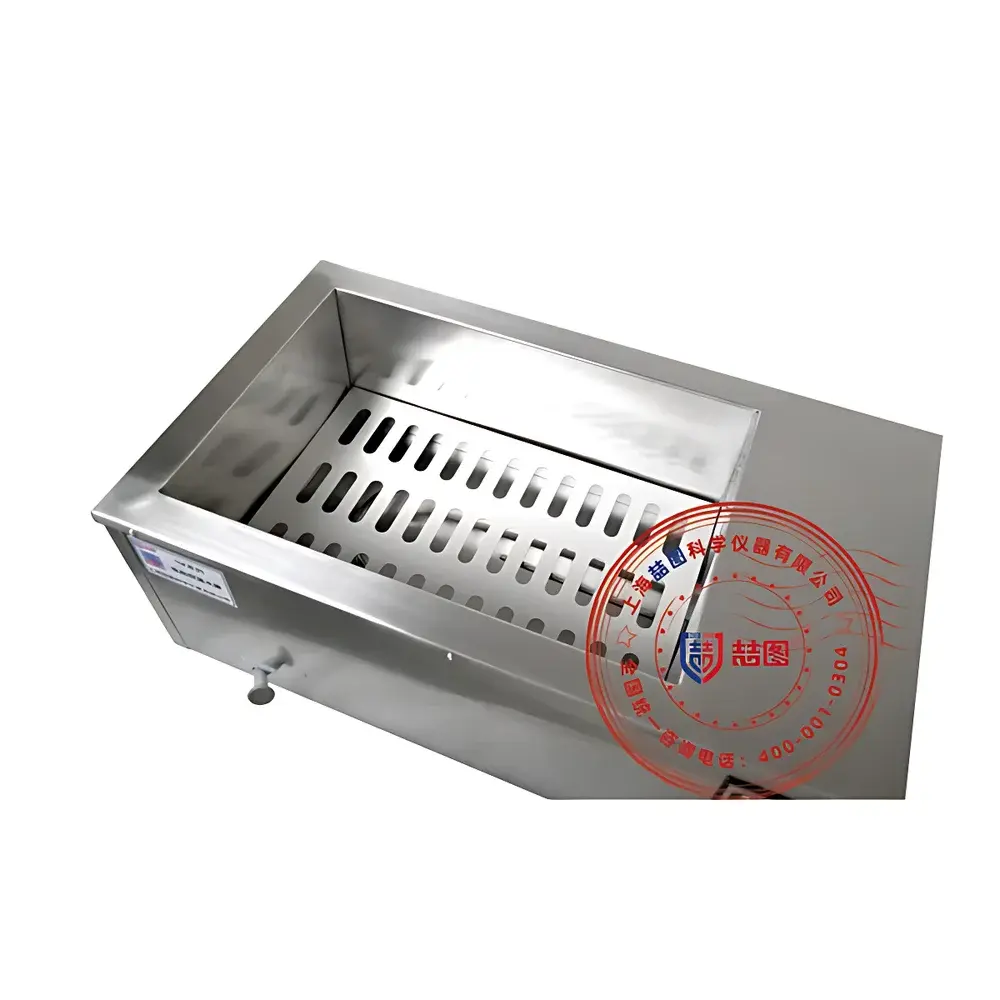
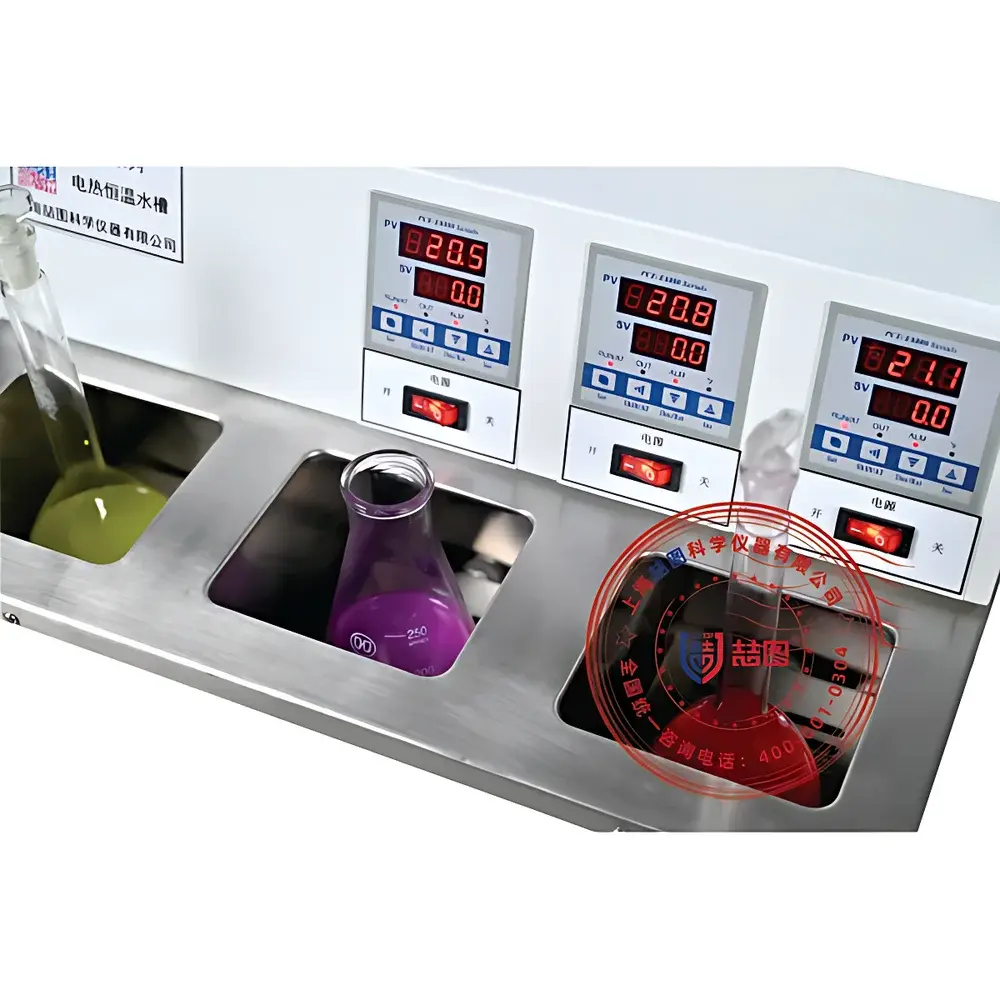
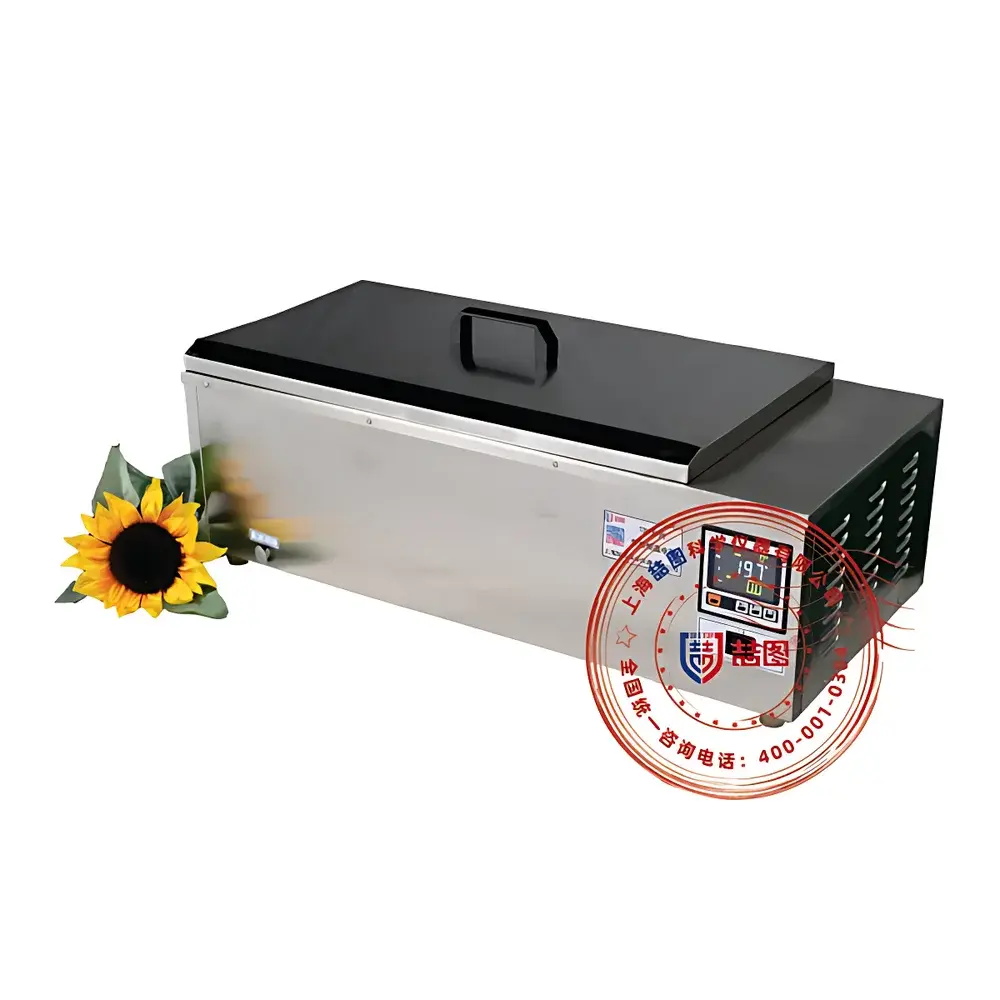
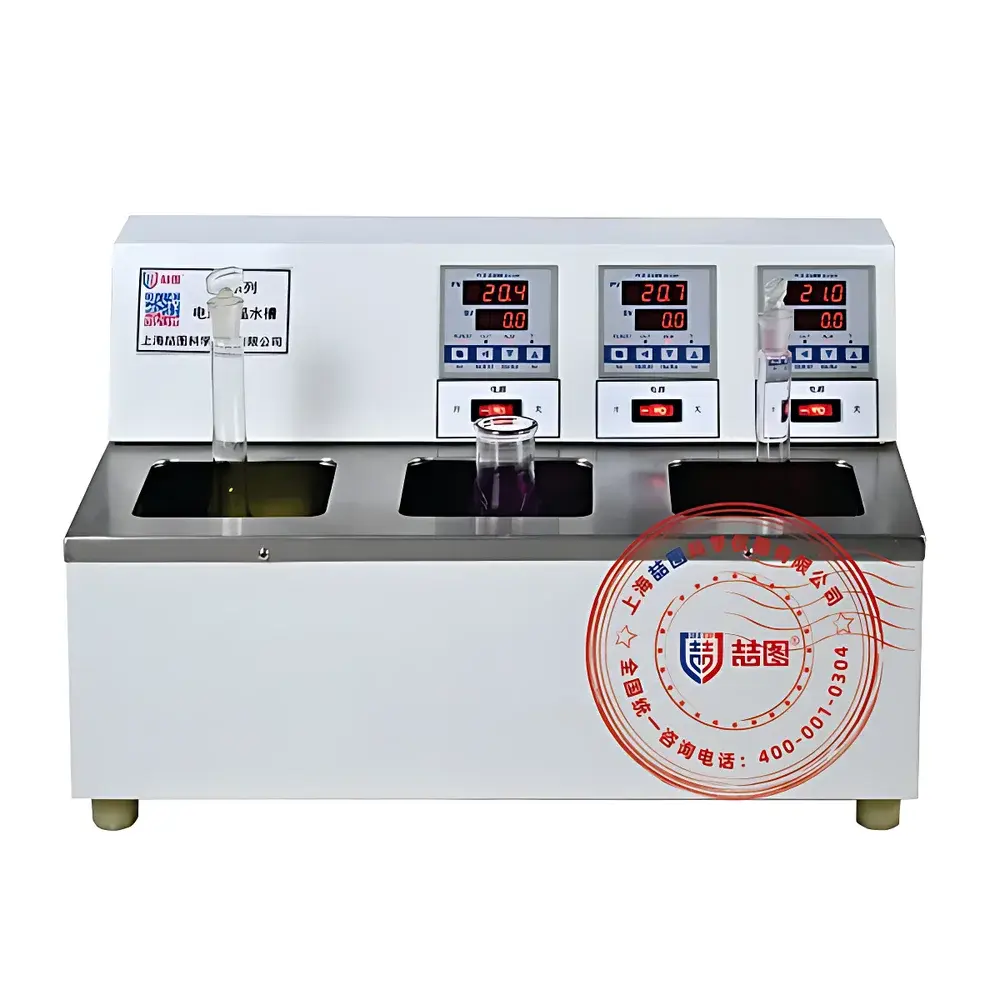
DRETOP WDC-164AB Precision Circulating Constant-Temperature Bath
| Brand | DRETOP |
|---|---|
| Origin | Shanghai, China |
| Model | WDC-164AB |
| Bath Volume | 164 L |
| Temperature Range | +5 to 100 °C |
| Control Mode | Refrigeration & Heating (optional R-series compressor cooling) |
| Circulation Type | Internal & External |
| Temperature Stability | ±0.3 °C (typical) |
| Temperature Resolution | 0.1 °C |
| Power Supply | AC 220 V, 50 Hz |
| Construction | 304 Stainless Steel Interior & Lid |
| Safety Features | Dry-run protection (F-type), Over-temperature alarm, Auto-recovery after power failure, Parameter memory retention |
Overview
The DRETOP WDC-164AB is a high-capacity, precision-engineered circulating constant-temperature bath designed for rigorous laboratory and pilot-scale applications requiring stable thermal environments across extended operational durations. Utilizing a dual-mode thermoregulation architecture—capable of both heating and optional refrigerated cooling—the unit maintains setpoint accuracy within ±0.3 °C under standard operating conditions. Its 164-liter stainless steel bath chamber supports large-volume immersion tasks, including jacketed reactor temperature control, solvent reflux, enzymatic incubation, accelerated stability testing, and calibration of temperature-sensitive instrumentation. The system operates on a closed-loop circulation principle: an integrated centrifugal pump draws thermostatically conditioned fluid from the main reservoir, delivers it through external tubing to auxiliary equipment (e.g., reactors or condensers), and returns it to the bath—ensuring uniform thermal distribution and minimizing axial and radial gradients. This design conforms to fundamental requirements outlined in ISO/IEC 17025 for temperature-controlled test environments and supports GLP-compliant workflows where traceable, reproducible thermal conditioning is mandatory.
Key Features
- Microprocessor-based PID temperature controller with LED display, real-time setpoint tracking, and programmable timer (1–9999 minutes)
- High-sensitivity Pt100 RTD sensor coupled with adaptive self-tuning algorithm for rapid stabilization and minimal overshoot
- 304 stainless steel interior, lid, and reinforced insulated housing—resistant to corrosion, easy to decontaminate, and compliant with ISO 15190 laboratory safety standards
- Double-wall insulation with vacuum-gap equivalent thermal barrier to minimize heat loss and eliminate condensation leakage
- Sealed immersion heater with direct fluid contact for high thermal transfer efficiency and low energy consumption
- Dry-burn protection via submerged water-level sensor; automatic heater cutoff and audible/visual alarm upon low-fluid detection (F-series standard)
- Over-temperature safety cutout with independent mechanical thermostat backup (UL 61010-1 certified)
- One-touch drain valve with quick-release mechanism for maintenance and media replacement
- Power-fail recovery function preserving user-defined parameters and resuming operation at pre-interruption setpoint
Sample Compatibility & Compliance
The WDC-164AB accommodates aqueous and low-viscosity organic media—including distilled water, deionized water (≥Grade III per ASTM D1193), glycol-water mixtures, and silicone oils up to 100 cSt—within its operational temperature envelope. It is not rated for flammable solvents above their flash point or aggressive halogenated media. All wetted surfaces comply with USP Class VI biocompatibility requirements for indirect contact with pharmaceutical intermediates. The unit meets CE marking directives (2014/30/EU EMC, 2014/35/EU LVD), RoHS 2011/65/EU, and carries factory calibration documentation traceable to NIST standards. Optional RS485 interface enables integration into centralized lab monitoring systems compliant with FDA 21 CFR Part 11 when paired with validated third-party data acquisition software.
Software & Data Management
While the base model features standalone microcontroller operation, optional accessories expand digital functionality: a 30-segment programmable temperature profile controller allows time-dependent ramp-hold sequences (e.g., 37 °C → hold 2 h → ramp to 60 °C → hold 1 h), supporting ICH Q5C stability protocols. An RS485 port (Modbus RTU protocol) permits bidirectional communication with SCADA platforms or LIMS for audit-trail generation, remote parameter adjustment, and automated event logging—including temperature excursions, alarm triggers, and power cycle timestamps. When configured with validated firmware and electronic signature capability, the system satisfies ALCOA+ data integrity principles required under GMP Annex 11 and EU GMP Annex 11.
Applications
- Temperature control of jacketed glass reactors (5–50 L scale) in fine chemical synthesis
- Thermal conditioning of cell culture media prior to sterile filtration (ISO 13408-1)
- Accelerated aging studies per ASTM D573, ISO 188, and IEC 60068-2-11
- Calibration of thermocouples, RTDs, and infrared thermometers against reference standards
- Supporting distillation and rotary evaporation systems requiring precise coolant supply
- Pre-heating and post-drying thermal equilibration of analytical sample vials and cuvettes
- Environmental simulation for materials testing under controlled hygrothermal stress
FAQ
What is the recommended working fluid for optimal longevity?
Distilled or Type III reagent-grade water is strongly advised. Tap water introduces mineral deposits that accelerate scaling on heaters and impair sensor response; routine descaling with 5% citric acid solution is required if non-purified water is used.
Can the WDC-164AB operate continuously at 100 °C?
Yes—its thermal insulation and overheat protection architecture permit uninterrupted operation at maximum setpoint, provided ambient room temperature remains ≤30 °C and ventilation clearance ≥15 cm is maintained on all sides.
Is external refrigeration integration supported?
The base unit is heating-only; however, the R-series retrofit option includes a hermetic scroll compressor, condenser coil, and expansion valve assembly enabling stable operation down to +15 °C (with optional upgrade to −10 °C using ethylene glycol/water mixtures).
Does the system meet GLP audit requirements for temperature recordkeeping?
With the RS485 module and validated data logger software, full electronic records—including operator ID, timestamped setpoints, deviations >±0.5 °C, and alarm acknowledgments—are generated in CSV/PDF format with cryptographic hash verification.
What maintenance intervals are recommended?
Visual inspection and fluid level check daily; full drain, cleaning, and sensor verification every 3 months; annual calibration of temperature sensor and safety cutouts by accredited service provider.



