
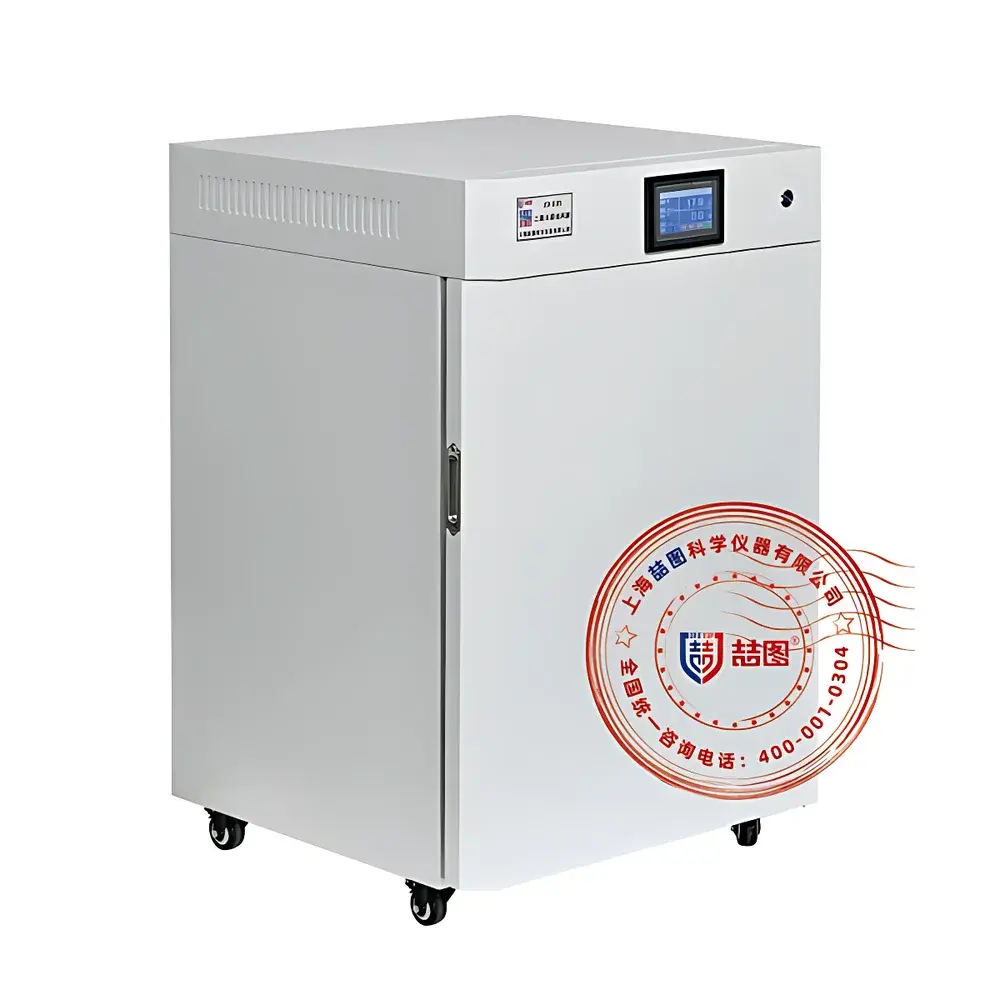
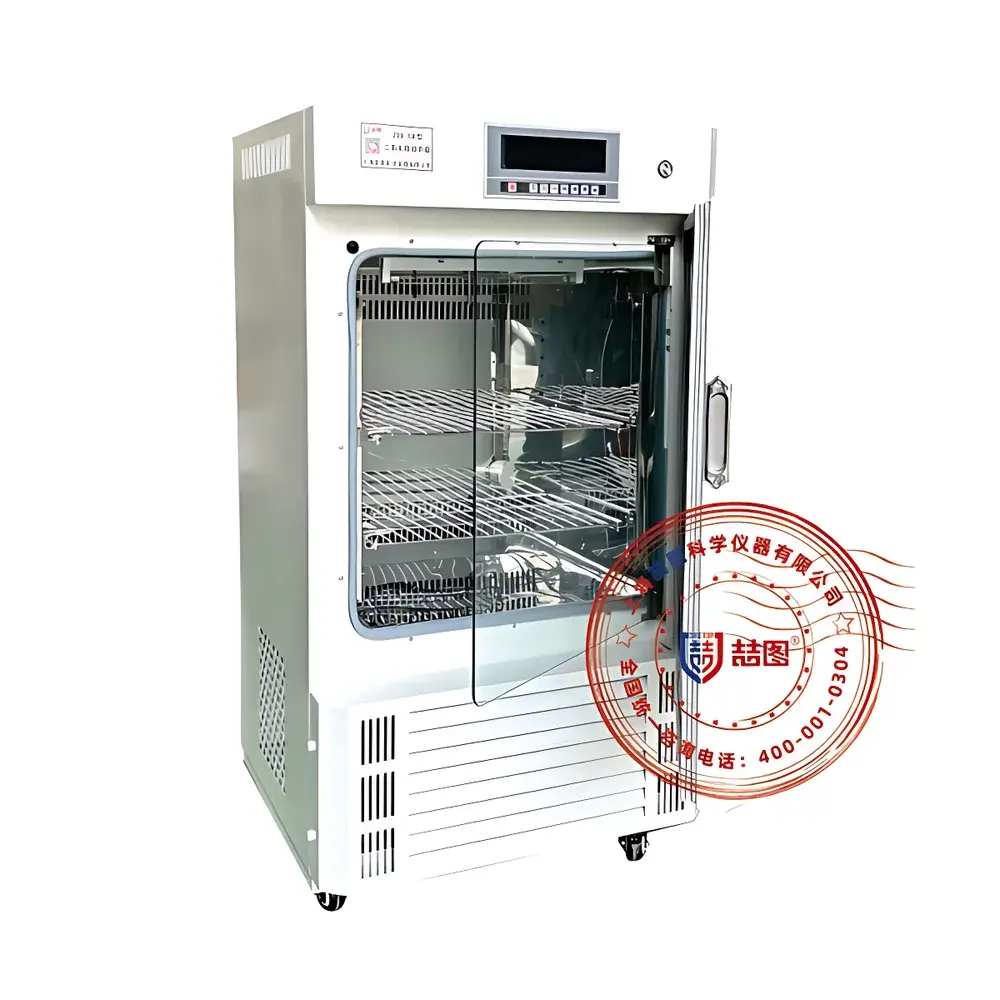
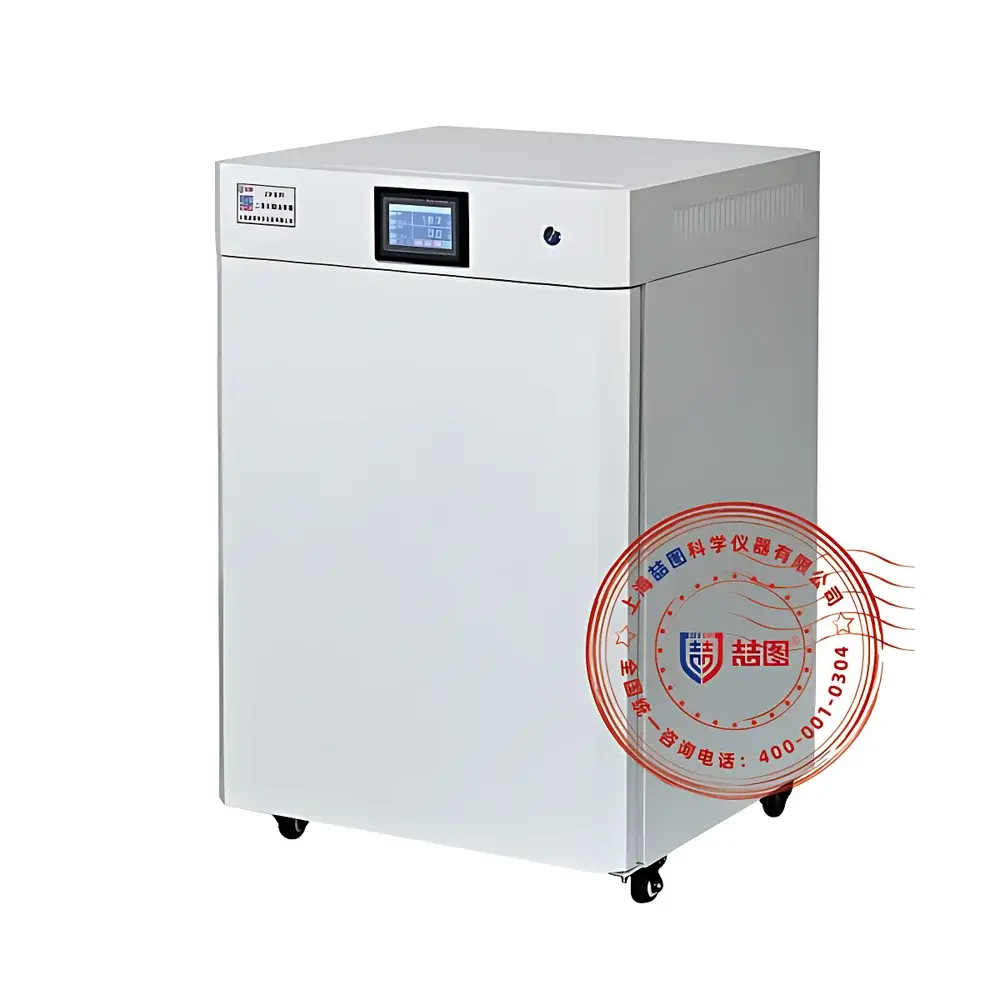
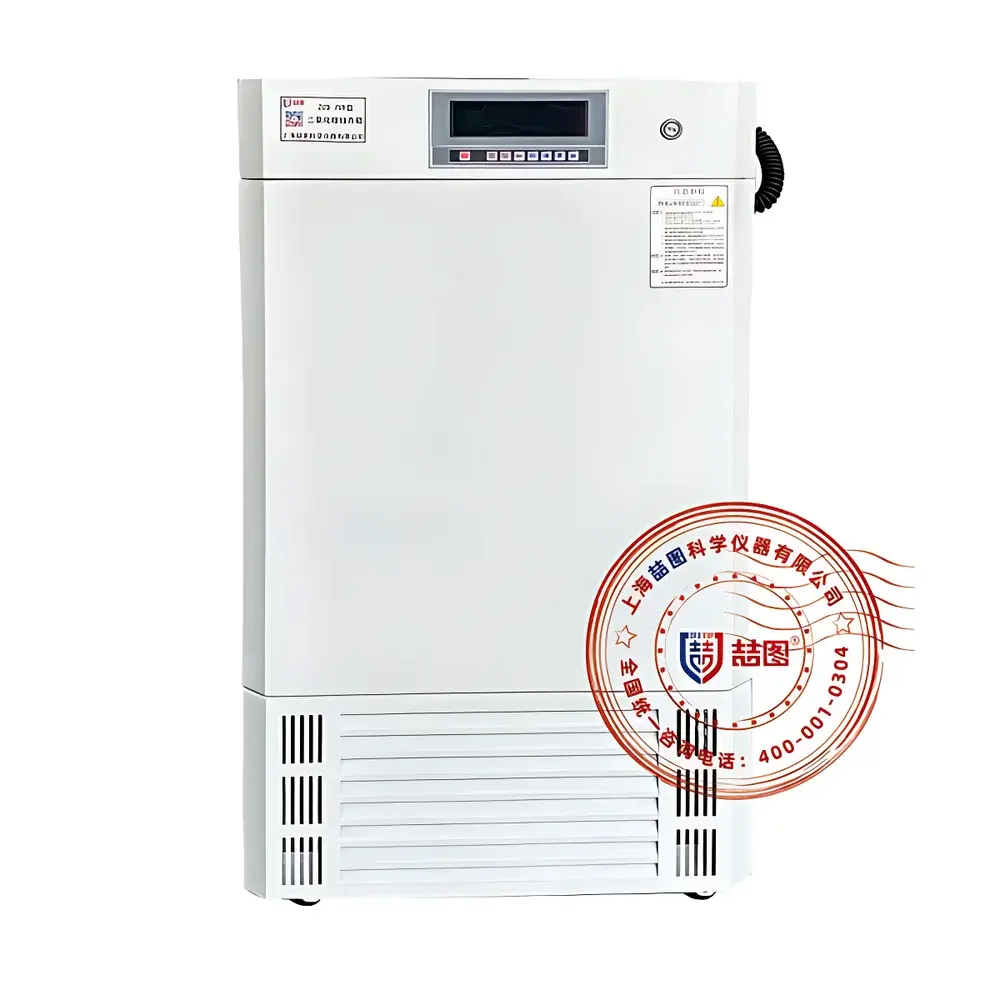
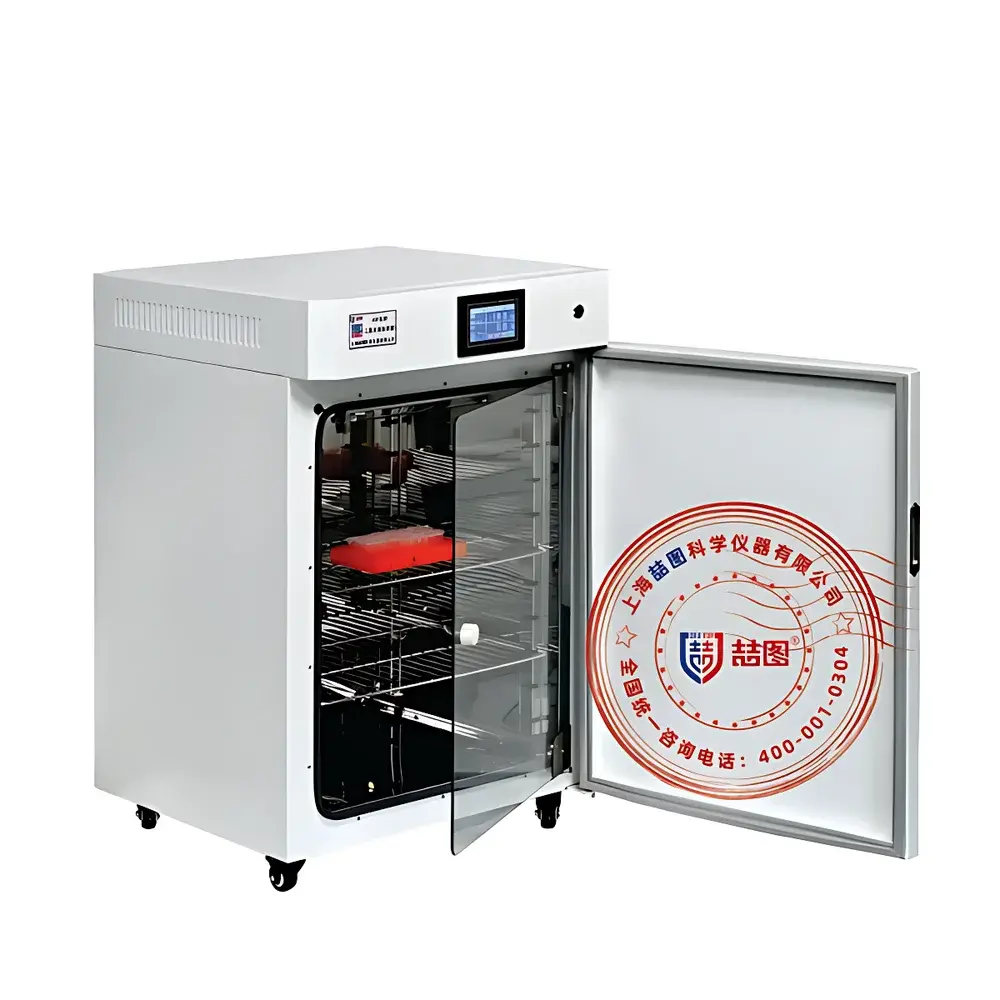
DRETOP ZCQ-160 Gas-Jacketed CO₂ Incubator
| Brand | DRETOP |
|---|---|
| Origin | Shanghai, China |
| Manufacturer Type | Direct Manufacturer |
| Instrument Type | Gas-Jacketed CO₂ Incubator |
| CO₂ Detection | Infrared (IR) Sensor |
| Temperature Control Range & Accuracy | RT + 5°C to 60°C |
| CO₂ Concentration Control Range & Accuracy | 0–20% vol, ±0.1% vol |
| Humidity Control | 95% RH ±3% RH (natural evaporation) |
| Chamber Capacity | 160 L |
| Internal Dimensions (W×D×H) | 500 × 490 × 650 mm |
| Standard Configuration | UV Germicidal Lamp (ozone-free) |
Overview
The DRETOP ZCQ-160 is a gas-jacketed, microprocessor-controlled CO₂ incubator engineered for precise, stable, and contamination-minimized cell culture environments. It replicates key physiological conditions required for mammalian cell growth—including tightly regulated temperature (typically 37°C), CO₂ concentration (commonly 5% v/v), and high relative humidity (≥95% RH)—through independent control of heating, CO₂ injection, and passive humidification. Unlike water-jacketed designs, the ZCQ-160 employs an air-heated outer jacket that surrounds the inner chamber, enabling rapid thermal recovery after door openings—critical for labs with frequent access or short-duration assays. Its infrared CO₂ sensor provides non-dispersive, oxygen-independent measurement with built-in temperature compensation and zero-point auto-calibration, eliminating drift and catalytic poisoning risks associated with traditional thermal conductivity sensors. The system operates within a validated environmental envelope compliant with ISO 13485 design controls and supports GLP-aligned workflows through configurable alarm thresholds, event logging, and power-failure memory retention.
Key Features
- Gas-jacketed thermal architecture with PID-controlled heating elements for fast temperature stabilization and <6-minute recovery to 37°C after 30-second door opening
- Infrared (IR) CO₂ sensor with ±0.1% vol accuracy, real-time compensation for ambient temperature/humidity fluctuations, and immunity to O₂ interference
- UV germicidal lamp (ozone-free) integrated into the chamber ceiling, effective against airborne and surface-bound microorganisms in circulating air and evaporative water reservoirs
- Reservoir-based humidification system featuring large-surface-area stainless steel water pan; achieves ≥95% RH with ±3% RH uniformity and rapid humidity recovery post-door opening
- Electropolished mirror-finish stainless steel interior with radius-corner construction, removable adjustable shelves, and anti-tilt shelf guides to prevent media spillage during partial drawer extension
- Double-glazed tempered glass door with integrated perimeter heating to suppress condensation and mitigate microbial ingress risk at the inner pane interface
- Intelligent LCD interface supporting multiple timing modes (run timer, hold timer, humidity-hold timer), DIY parameter adjustment, and menu-driven navigation
- Comprehensive safety suite including over/under-temperature alarms, door-open alert, low-water-level cutoff (for optional water pan monitoring), and power-loss data retention
Sample Compatibility & Compliance
The ZCQ-160 accommodates standard tissue culture vessels—including T-flasks, Petri dishes, multi-well plates, and roller bottles—within its 160 L working volume. Its Class II biological safety compatibility (when used downstream of certified hoods) supports applications requiring sterility assurance per ISO 14644-1 Class 5 cleanroom practices. The IR CO₂ sensor meets ASTM E2912–21 requirements for analytical performance in controlled-environment chambers. Humidity control aligns with USP recommendations for cell therapy process environments. While not FDA 21 CFR Part 11–certified out-of-the-box, the device’s audit-trail-capable firmware (via optional RS485 interface and external SCADA integration) enables configuration for GMP-compliant documentation when paired with validated data acquisition systems.
Software & Data Management
The embedded controller logs timestamped events—including temperature excursions, CO₂ deviations, door openings, UV cycle status, and alarm activations—with internal storage for ≥30 days of continuous operation data. Optional RS485 communication allows bidirectional integration with laboratory information management systems (LIMS) or building automation platforms using Modbus RTU protocol. No proprietary software installation is required for basic monitoring; however, DRETOP’s optional PC-based DataStation software (v3.2+) provides graphical trend analysis, configurable email/SMS alerts, PDF report generation, and CSV export compatible with JMP, MATLAB, and Python pandas workflows. All calibration parameters—including temperature offset, CO₂ span, and humidity bias—are password-protected and traceable to NIST-traceable reference standards.
Applications
The ZCQ-160 serves as a foundational platform for adherent and suspension cell culture in academic, clinical, and industrial settings. It is routinely deployed in monoclonal antibody production (hybridoma maintenance), stem cell expansion under feeder-free conditions, IVF embryo culture, toxicology screening (e.g., OECD 431 skin corrosion assays), 3D organoid development, and bioprocess optimization studies where reproducible gas-phase kinetics are essential. Its stability profile supports long-term experiments exceeding 72 hours without manual intervention, while rapid recovery characteristics make it suitable for high-throughput screening facilities integrating robotic arm access. The absence of ozone-generating UV lamps ensures compatibility with sensitive primary cultures and co-culture models involving delicate stromal or immune cell populations.
FAQ
What is the difference between gas-jacketed and water-jacketed CO₂ incubators?
Gas-jacketed units like the ZCQ-160 heat the chamber via convection in an outer air layer, enabling faster temperature recovery after door openings. Water-jacketed models offer superior thermal inertia during power outages but require routine water maintenance and pose leakage risks.
Does the ZCQ-160 support regulatory compliance for pharmaceutical manufacturing?
It supports IQ/OQ validation protocols and may be qualified for GMP environments when combined with third-party 21 CFR Part 11–compliant data loggers and electronic signature modules.
Can humidity be actively controlled or only passively maintained?
Humidity is maintained passively via natural evaporation from a stainless steel reservoir; no active steam generator or ultrasonic humidifier is included. This design minimizes mineral deposit accumulation and reduces maintenance frequency.
Is the IR CO₂ sensor factory-calibrated and user-calibratable?
Yes—the sensor ships with NIST-traceable calibration and supports field zero-point and span adjustments using certified gas standards (5% CO₂ in N₂), with full calibration history stored in non-volatile memory.
What safety certifications does the ZCQ-160 carry?
It complies with IEC 61010-1:2010 for laboratory equipment safety and meets EMC requirements per IEC 61326-1:2021. CE marking is applied for EU market access; FDA listing is pending as a Class I exempt device.






