
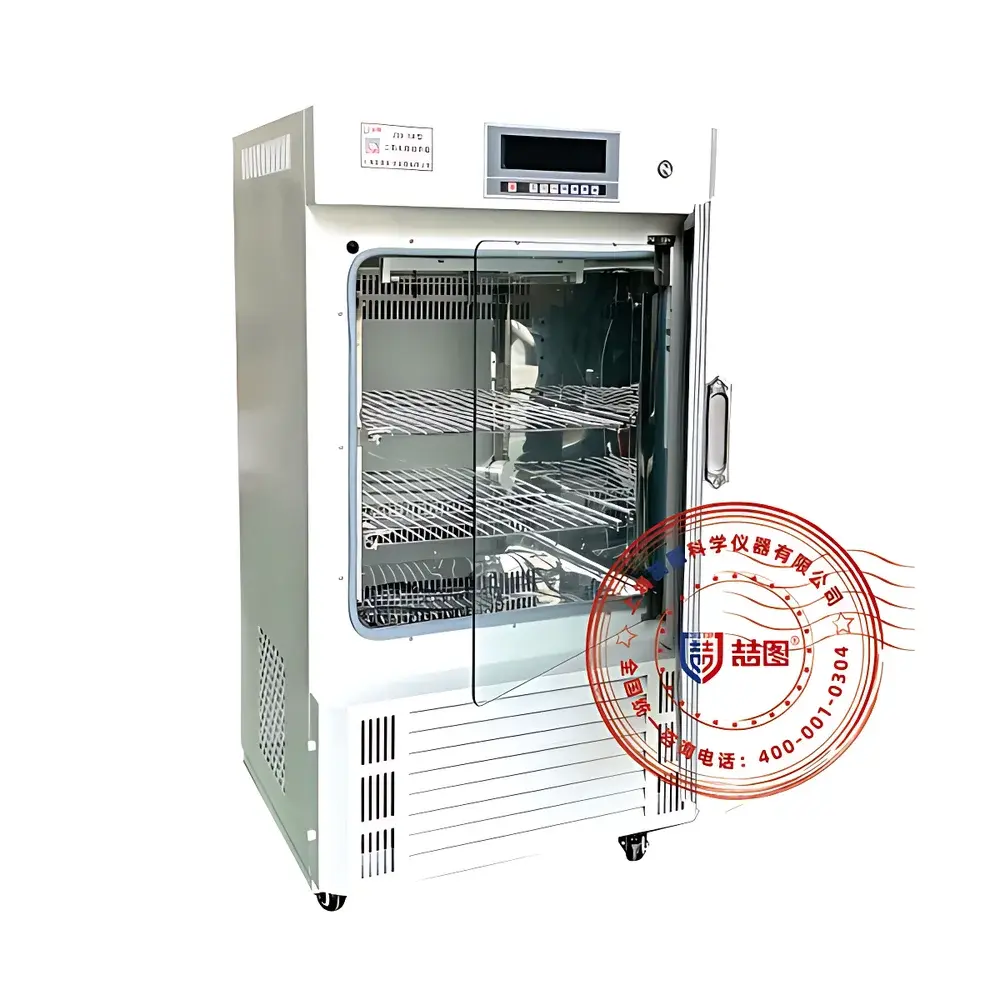
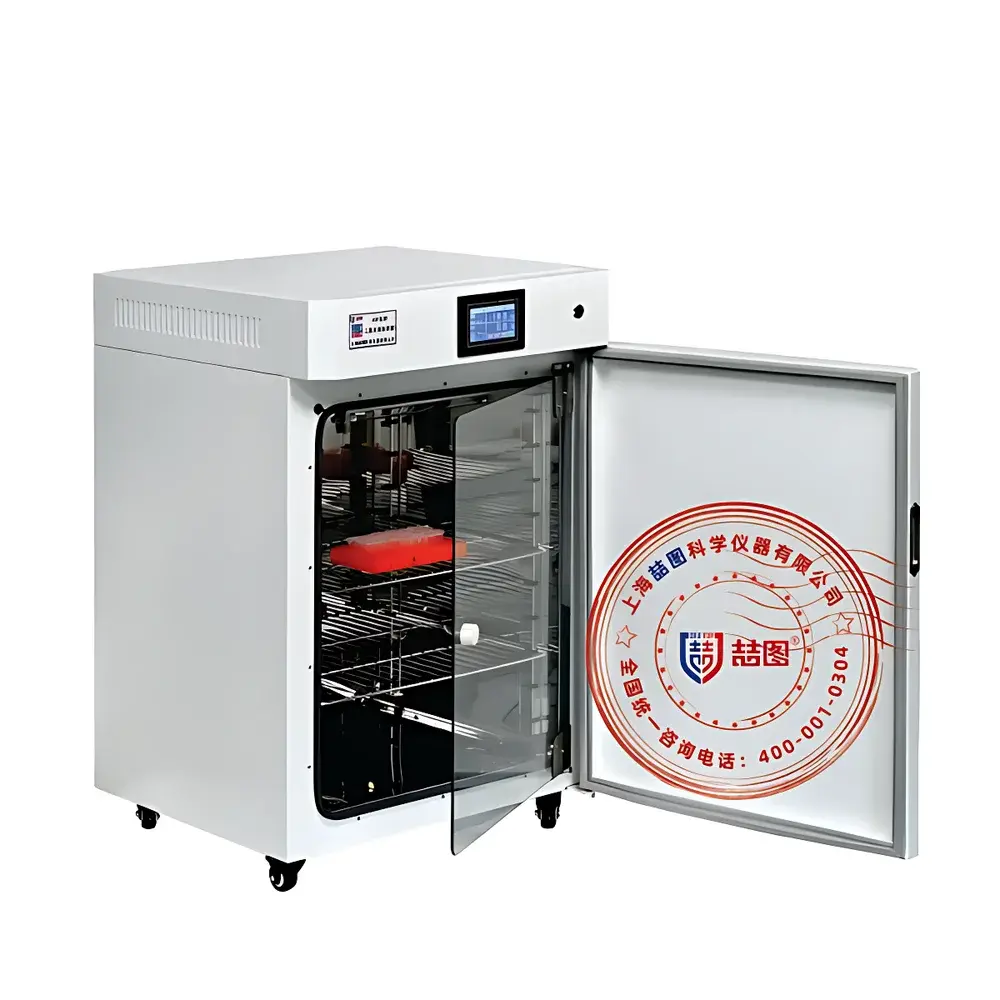
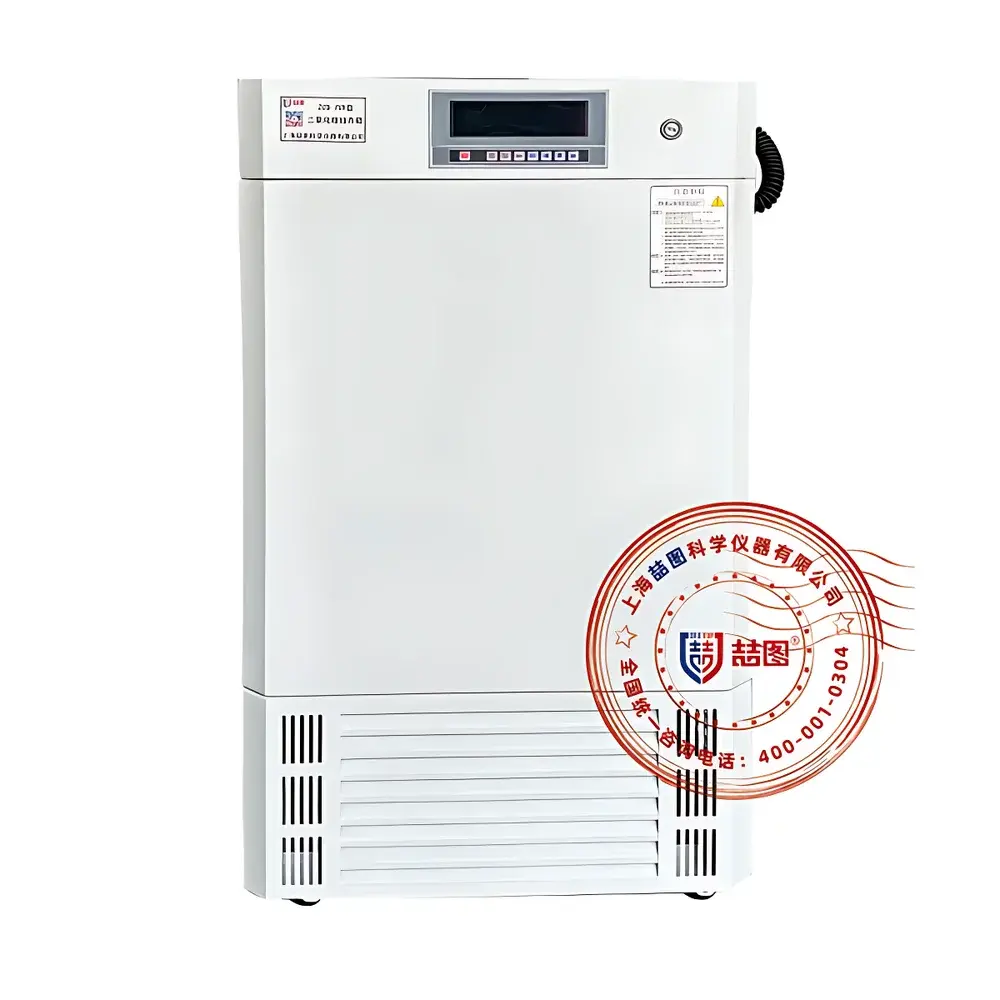
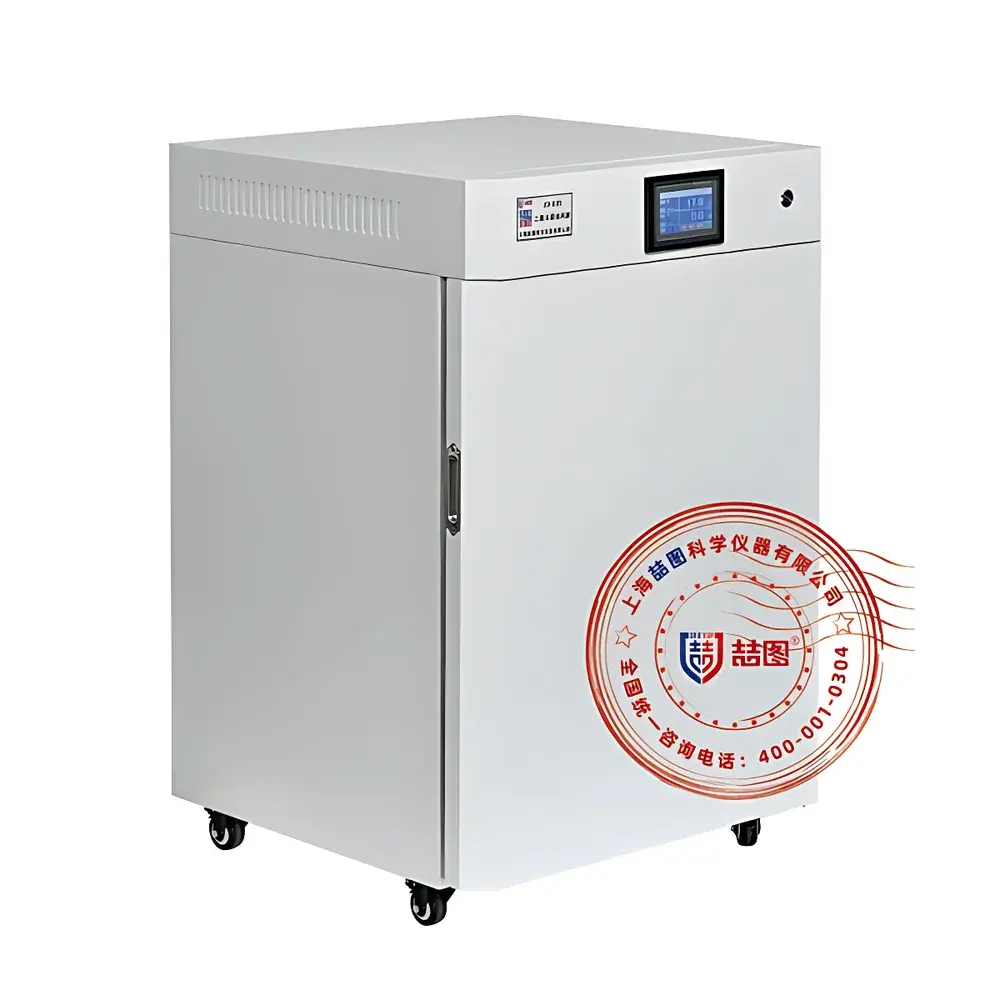
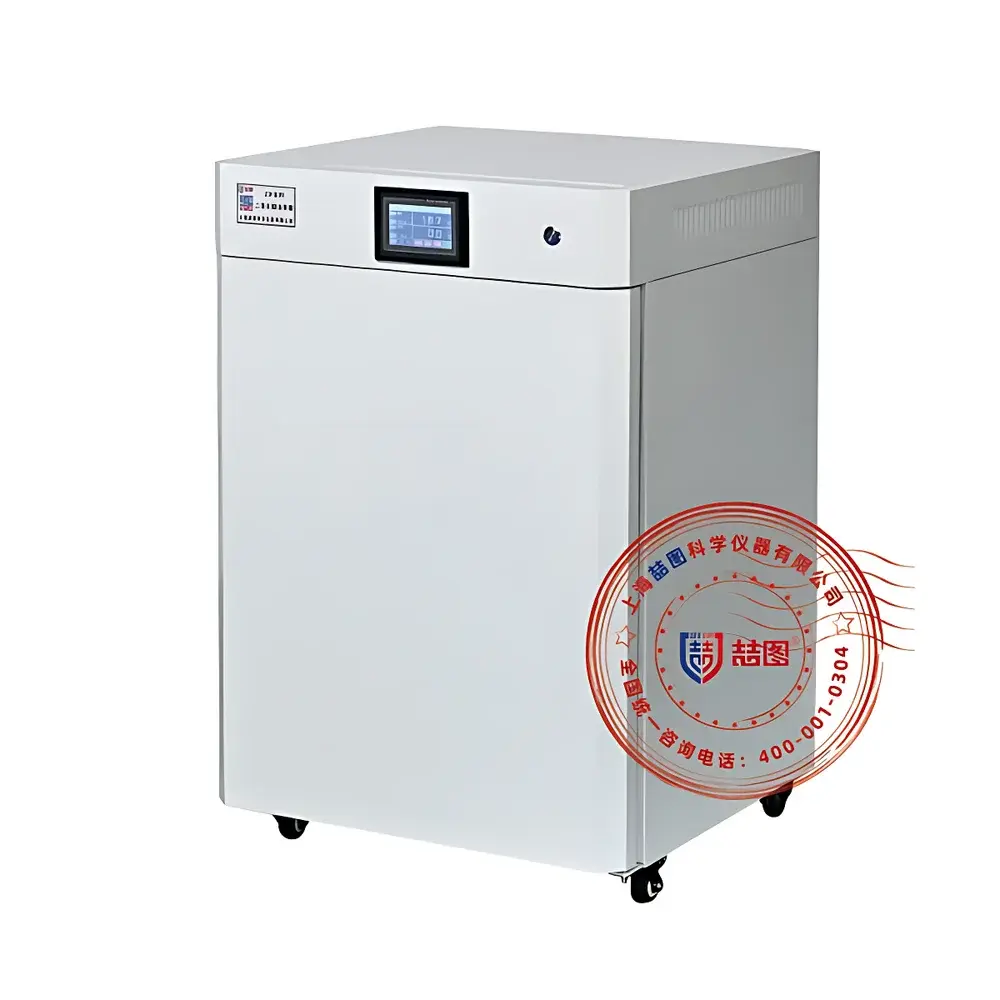
DRETOP ZCW-270T Water-Jacketed CO₂ Incubator
| Brand | DRETOP |
|---|---|
| Origin | Shanghai, China |
| Manufacturer Type | Direct Manufacturer |
| Instrument Type | Water-Jacketed CO₂ Incubator |
| CO₂ Detection | Infrared (IR) Sensor |
| Temperature Control Range & Accuracy | RT + 5°C to 60°C, ±0.2°C |
| Temperature Uniformity | Not specified (consult technical support) |
| CO₂ Concentration Control Range & Accuracy | 0–20% vol, ±0.1% vol |
| Humidity Control | 95% RH ±3% RH (natural evaporation via water reservoir) |
| Chamber Capacity | 270 L |
| External Dimensions (W×D×H) | 775 × 765 × 1050 mm |
| Internal Dimensions (W×D×H) | 600 × 600 × 750 mm |
| Standard Configuration | UV Germicidal Lamp (254 nm, ozone-free) |
| Optional | 90°C High-Temperature Humid Heat Sterilization Cycle |
Overview
The DRETOP ZCW-270T is a precision-engineered water-jacketed CO₂ incubator designed for long-term, high-fidelity mammalian cell culture under tightly controlled physiological conditions. It maintains three critical environmental parameters—temperature, CO₂ concentration, and relative humidity—within narrow tolerances to replicate in vivo tissue microenvironments. The unit operates on the principle of thermal inertia-based stabilization: a surrounding water jacket provides passive thermal mass that buffers against ambient fluctuations and power interruptions, ensuring temperature stability (±0.2°C) across the full working range (RT + 5°C to 60°C). CO₂ concentration is continuously monitored and regulated using a non-dispersive infrared (NDIR) sensor with built-in temperature compensation and zero-point auto-calibration—eliminating oxygen dependency and catalytic poisoning risks associated with traditional thermal conductivity sensors. Humidity is maintained at 95% RH ±3% RH via a large-surface-area stainless steel water reservoir integrated into the chamber base, enabling rapid recovery (<5 min) after door openings.
Key Features
- Water-jacketed thermal architecture delivering superior temperature stability and extended hold time during power loss—ideal for labs with unstable grid supply or stringent continuity requirements.
- Infrared CO₂ sensor with real-time drift correction, response time <60 s, and immunity to humidity-induced signal interference—ensures accurate gas regulation even during frequent access cycles.
- Optimized humidity management system featuring a wide-area evaporative reservoir and anti-tilt adjustable shelves; shelf remains level when extended halfway, preventing media spillage.
- Electropolished 304 stainless steel interior with seamless, radius-cornered construction and removable shelving supports—facilitates cleaning, sterilization, and compliance with ISO 13485 and cGMP facility hygiene standards.
- Dual-stage air filtration: HEPA-grade inlet filter (≥99.998% efficiency for particles ≥0.3 µm) plus optional UV-C lamp (254 nm, ozone-free) for continuous decontamination of recirculated air and humidification water vapor.
- Intelligent control interface with multi-mode operation: constant setpoint, day/night cycling, and programmable ramp-soak profiles—supporting circadian rhythm studies and multi-stage differentiation protocols.
Sample Compatibility & Compliance
The ZCW-270T accommodates standard T-flasks (up to T225), Petri dishes, multi-well plates, roller bottles, and custom bioreactor inserts. Its 270 L working volume and vertical stacking capability (with reinforced floor load rating) support high-throughput workflows without compromising spatial uniformity. The incubator meets essential performance benchmarks outlined in ASTM E1267 (Standard Specification for CO₂ Incubators), ISO 13408-1 (Aseptic processing of health care products), and USP (Cellular and Gene Therapy Products). All firmware logs—including temperature, CO₂, humidity, door open/close events, alarm triggers, and sterilization cycles—are timestamped and stored with audit-trail functionality compliant with FDA 21 CFR Part 11 requirements when paired with validated data export modules.
Software & Data Management
The embedded microprocessor controller records operational data at user-defined intervals (1–60 min) and stores up to 30 days of continuous history onboard. Optional RS485 serial interface enables integration with laboratory information management systems (LIMS) or building automation platforms via Modbus RTU protocol. Data export is supported in CSV format through USB port; no proprietary software installation is required. Alarm events—including high/low temperature deviation, CO₂ excursion >±0.3%, low water level, door ajar >90 s, and UV lamp failure—are logged with severity classification and persist until acknowledged. Remote monitoring and email/SMS alerts are achievable via third-party IoT gateways compatible with SNMP or MQTT protocols.
Applications
This incubator serves as a foundational platform for applications demanding high environmental fidelity: primary human cell expansion, induced pluripotent stem cell (iPSC) maintenance, hybridoma monoclonal antibody production, in vitro fertilization (IVF) embryo culture, 3D organoid development, toxicology screening (OECD TG 491), and bioprocess validation under GLP conditions. Its stable thermal profile supports long-duration assays such as senescence modeling and metabolic flux analysis, while the optional 90°C humid heat cycle satisfies ISO 14644-1 Class 5 cleanroom requalification requirements between experimental runs.
FAQ
What distinguishes water-jacketed from air-jacketed CO₂ incubators?
Water-jacketed designs use a surrounding water bath to provide thermal mass, resulting in slower temperature recovery but significantly longer thermal hold time during outages—typically 8–12 hours versus <2 hours for air-jacketed units.
Is the IR CO₂ sensor factory-calibrated and field-serviceable?
Yes—the NDIR sensor includes automated zero-point calibration routines and is replaceable as a modular assembly without recalibration of the entire control loop.
Can the unit operate continuously at 4°C for hypothermic cell storage?
No—the ZCW-270T is not refrigerated; its minimum operating temperature is RT + 5°C. For sub-ambient applications, refer to DRETOP’s ZCQ-70R low-temperature CO₂ incubator series.
Does the UV lamp require periodic replacement, and what is its service life?
The ozone-free UV-C lamp has a rated lifetime of 8,000 hours; intensity decay is tracked via integrated photodiode feedback, and replacement is prompted automatically when output falls below 85% of nominal irradiance.
How is humidity uniformity verified across the chamber volume?
Humidity distribution is validated per ISO 14644-3 Annex B using calibrated hygrometers placed at nine standardized locations (corners and center); typical spatial variation is ≤±2% RH at steady state.
Related Products




