
DRETOP ZHS.CP-300 Multi-Function CO₂ Incubator with Integrated Humidity and Temperature Control
| Brand | DRETOP |
|---|---|
| Origin | Shanghai, China |
| Manufacturer Type | OEM/ODM Manufacturer |
| Instrument Type | Air-Jacketed CO₂ Incubator |
| CO₂ Detection | Infrared (IR) Sensor |
| Temperature Range | 15–45 °C (with humidity), 10–45 °C (without humidity) |
| CO₂ Concentration Range | 0–20% |
| Humidity Range | 50–85% RH (customizable to 40–95% RH) |
| Chamber Capacity | 300 L |
| External Dimensions (W×D×H) | 710 × 765 × 1655 mm |
| Power Supply | AC 220 V, 50 Hz |
| Input Power | 1250 W |
| Temperature Uniformity | ±0.5 °C |
| Temperature Resolution | 0.1 °C |
| Humidity Accuracy | ±3–5% RH |
| Air Filtration | HEPA-grade filter (≥0.3 µm, 99.998% efficiency) |
| Recovery Time | <8 min to 37 °C, <3 min to 5% CO₂ after 30-sec door opening |
| Continuous Operation | ≥360 h |
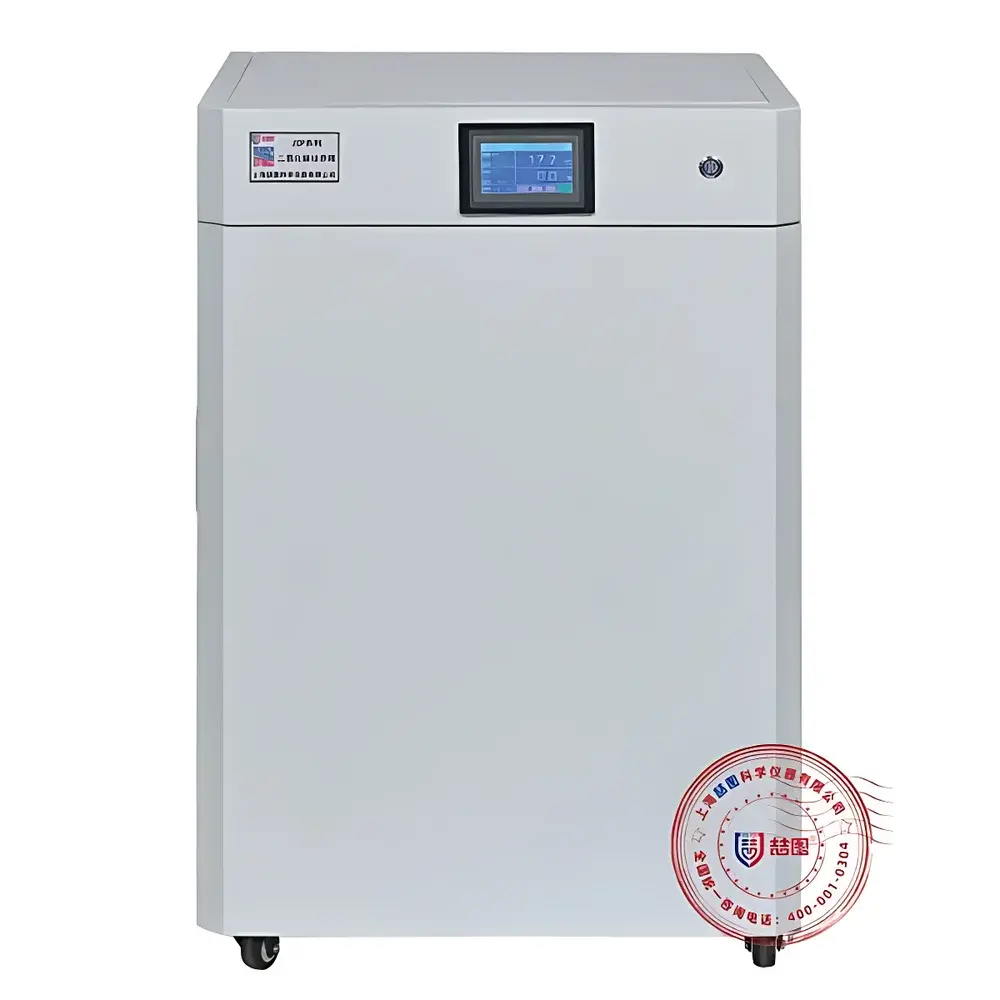
| Control Interface | Color TFT touchscreen (DCP-series variant) |
| Safety Features | Independent over-temperature cut-off, power-failure memory, audible/visual alarm |
Overview
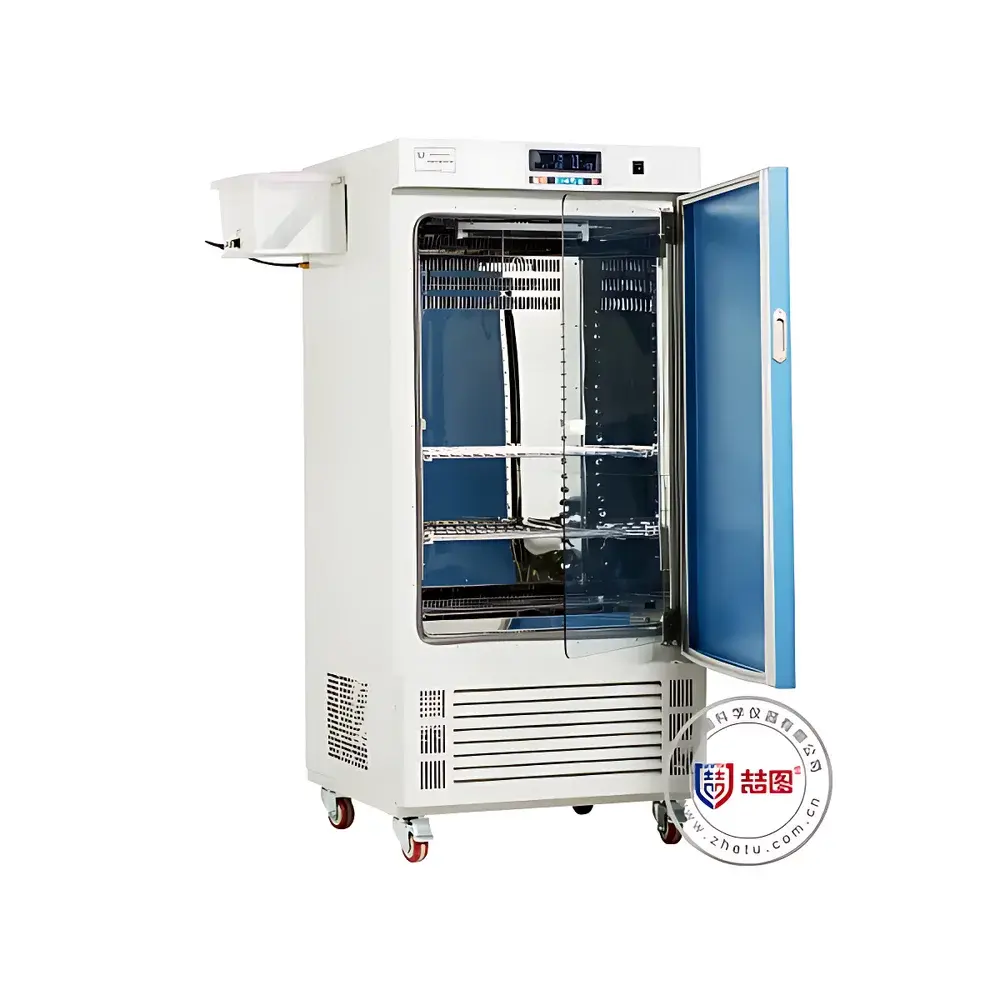
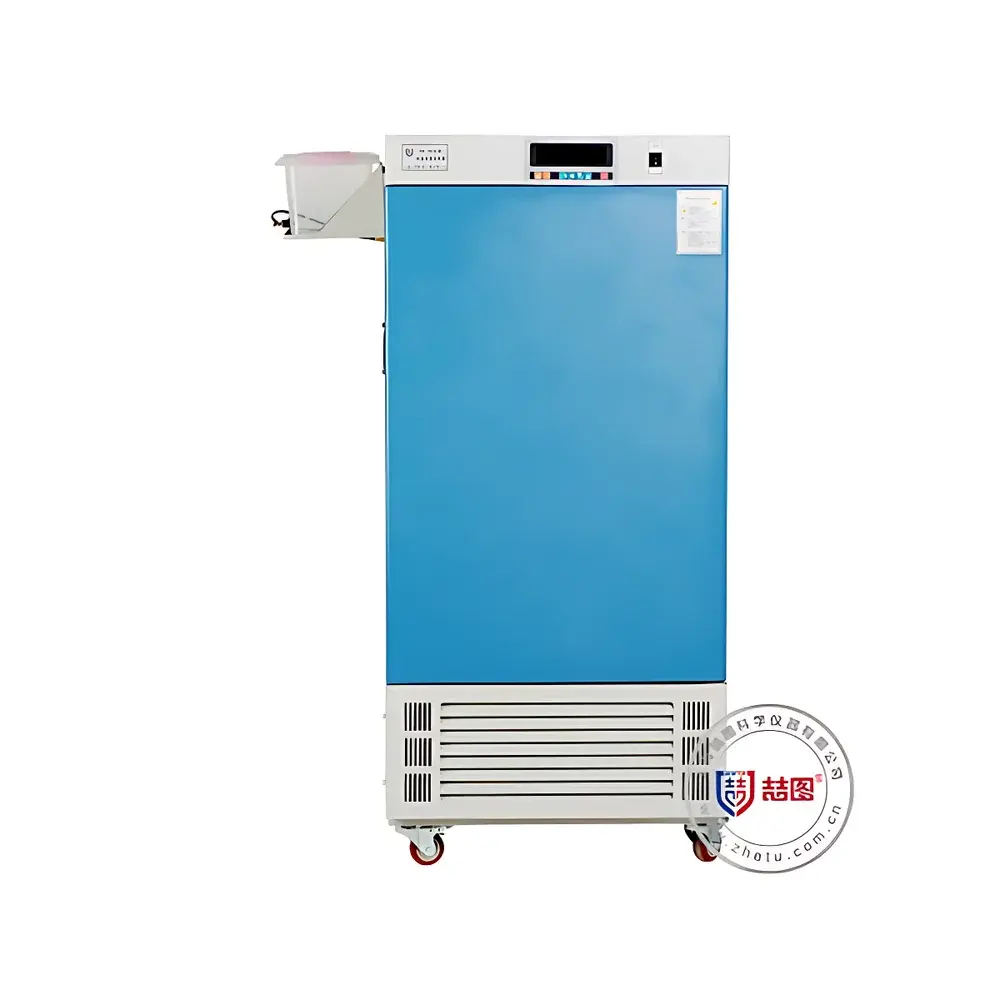
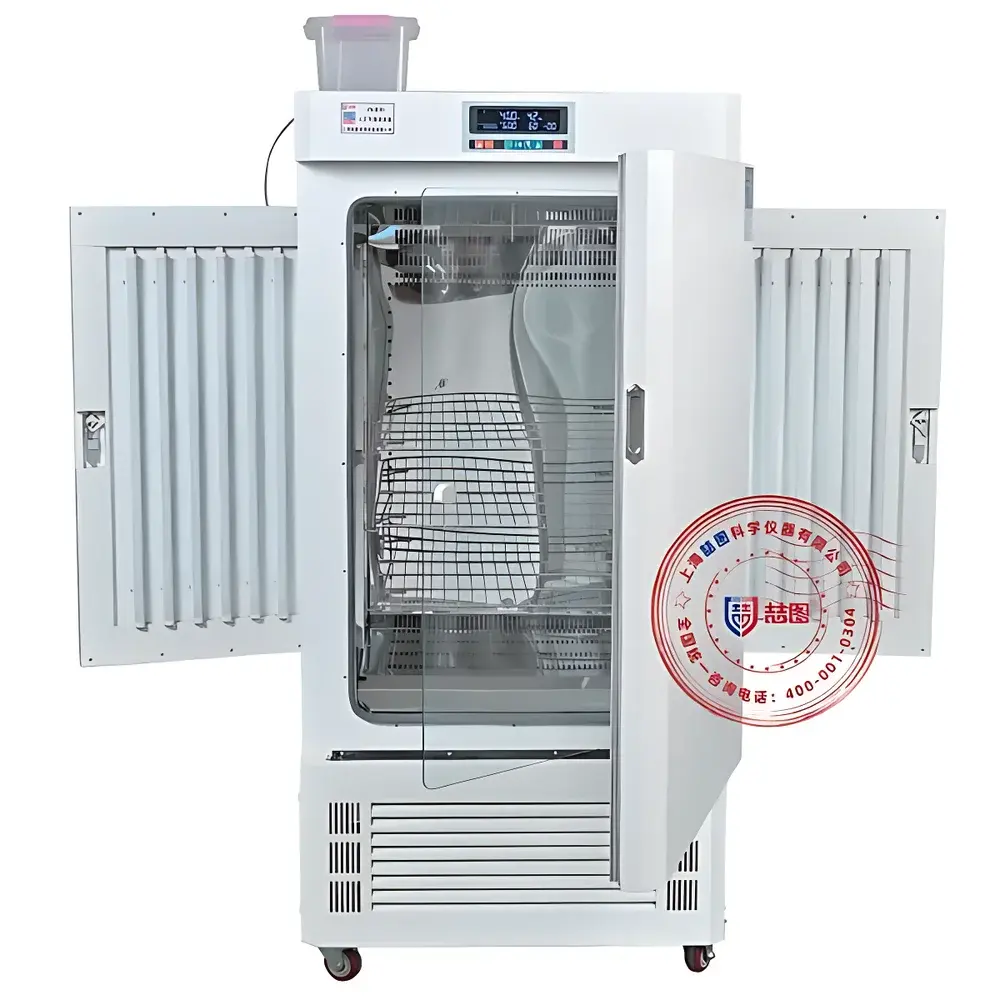
The DRETOP ZHS.CP-300 is a high-integrity, air-jacketed multi-function CO₂ incubator engineered for demanding cell culture applications in academic research laboratories, biopharmaceutical QC environments, and contract development and manufacturing organizations (CDMOs). Unlike conventional single-purpose CO₂ incubators, the ZHS.CP-300 integrates precise CO₂ regulation, active humidity control, and microprocessor-driven temperature management within a single chamber—enabling simultaneous maintenance of physiological conditions required for mammalian, hybridoma, and stem cell cultures. Its measurement architecture relies on dual-sensor feedback loops: an IR-based CO₂ sensor unaffected by ambient temperature or humidity drift, and a capacitive humidity transducer calibrated against NIST-traceable references. The air-jacketed thermal design—combined with ceramic fiber insulation and heated inner glass door—minimizes thermal gradients and condensation risk, ensuring stable setpoint adherence across the full 300 L working volume. All internal surfaces are constructed from electropolished 304 stainless steel with seamless, radius-rounded corners to eliminate microbial harborage points and support ISO 14644-compliant cleaning protocols.
Key Features
- Air-jacketed thermal architecture with ceramic fiber insulation and heated inner glass door to suppress condensation and maintain uniform thermal distribution (±0.5 °C)
- Infrared CO₂ sensor with real-time compensation for pressure and flow variations; achieves <3-minute recovery to 5% CO₂ after 30-second door opening
- Steam-generating humidification system delivering 50–85% RH (extendable to 40–95% RH per user specification), with reservoir-based rapid rehydration kinetics
- Electropolished 304 stainless steel chamber with fully radiused corners and removable, autoclavable shelving supports
- HEPA-grade inlet air filtration (≥0.3 µm, 99.998% efficiency) coupled with integrated ozone-free UV-C irradiation (254 nm) for continuous air and water pan sterilization
- Microprocessor-based PID temperature controller with 0.1 °C resolution, programmable ramp-soak profiles (99 cycles × 30 segments), and power-failure parameter retention
- Modular refrigeration system with compressor protection logic (start-delay, stop-interval, auto-defrost), engineered for >360 h uninterrupted operation
- Four-point leveling chassis with dual-mode mobility: swivel casters + locking static feet for vibration-dampened placement on laboratory benches or mobile carts
Sample Compatibility & Compliance
The ZHS.CP-300 accommodates standard tissue culture formats including T-25 to T-225 flasks, 6–96-well plates, Petri dishes, roller bottles, and custom bioreactor vessels up to 150 mm diameter. Its chamber geometry (580 × 540 × 950 mm internal) permits unobstructed access and optimal airflow distribution around stacked loads. The system complies with IEC 61010-1 (Safety Requirements for Electrical Equipment for Measurement, Control, and Laboratory Use) and meets essential requirements of EU Directive 2014/30/EU (EMC) and 2014/35/EU (LVD). While not pre-certified to FDA 21 CFR Part 11, its audit trail-capable data logging (via optional RS485/USB interface), electronic signature-ready event logs, and configurable alarm thresholds align with GLP and GMP documentation expectations for cell banking, vaccine production, and regenerative medicine workflows.
Software & Data Management
The DCP-series color touchscreen interface provides intuitive graphical configuration of all operational parameters—including temperature, CO₂, humidity, UV cycle timing, and alarm thresholds—with password-protected administrator access levels. Optional connectivity modules enable direct integration into LIMS or ELN platforms: RS485 Modbus RTU supports third-party SCADA systems, while USB export generates CSV-formatted time-stamped records (timestamp, T°C, CO₂ %, RH %, door status, alarm events). Data integrity safeguards include cyclic redundancy check (CRC) validation, write-protection for historical logs, and automatic timestamping synchronized to internal RTC with battery backup. When paired with DRETOP’s optional wireless SMS alert module, critical excursions (e.g., CO₂ deviation >±0.3%, temperature drift >±1.0 °C) trigger immediate notification to up to five designated personnel—ensuring rapid intervention without requiring local workstation monitoring.
Applications
This incubator serves as a primary environmental control platform for adherent and suspension cell lines in applications including monoclonal antibody production, induced pluripotent stem cell (iPSC) differentiation, 3D organoid culture, viral vector amplification, and cytotoxicity screening. Its stable CO₂/humidity coupling makes it suitable for long-term co-culture experiments where paracrine signaling depends on consistent extracellular pH and osmolarity. The absence of catalytic CO₂ sensors eliminates calibration drift during extended runs (>72 h), supporting automated feeding protocols and perfusion-based bioreactor seeding. In developmental biology labs, optional LED illumination modules (650 nm red / 470 nm blue, intensity-adjustable) allow circadian rhythm studies under controlled photoperiods—while maintaining strict CO₂ and humidity fidelity across light/dark transitions.
FAQ
What CO₂ sensor technology does the ZHS.CP-300 use, and why is IR preferred over thermal conductivity?
It employs a non-dispersive infrared (NDIR) sensor, which offers superior long-term stability, immunity to humidity-induced drift, and faster recovery kinetics than thermal conductivity detectors—critical for labs with high-throughput flask handling.
Can the humidity range be extended beyond 85% RH?
Yes—DRETOP offers factory-configured variants supporting 40–95% RH via enhanced steam generator capacity and modified condensate management, subject to validation per ISO 14644-3 cleanroom testing protocols.
Is the UV lamp ozone-free, and what is its irradiance profile?
The integrated low-pressure mercury lamp emits exclusively at 254 nm (germicidal peak) with zero ozone generation; average surface irradiance on the chamber ceiling is 120 µW/cm², validated per ISO 15714 for airborne microbial reduction.
Does the system support 21 CFR Part 11 compliance out-of-the-box?
No—electronic signature, audit trail, and role-based access control require optional software licensing and configuration by qualified validation personnel; hardware architecture is designed to meet foundational technical requirements.
What is the warranty coverage and service response time for international customers?
DRETOP provides 24-month parts-and-labor warranty; field service response for priority cases (e.g., CO₂ failure) is ≤72 business hours post-diagnosis via remote diagnostics, contingent upon regional distributor support infrastructure.




