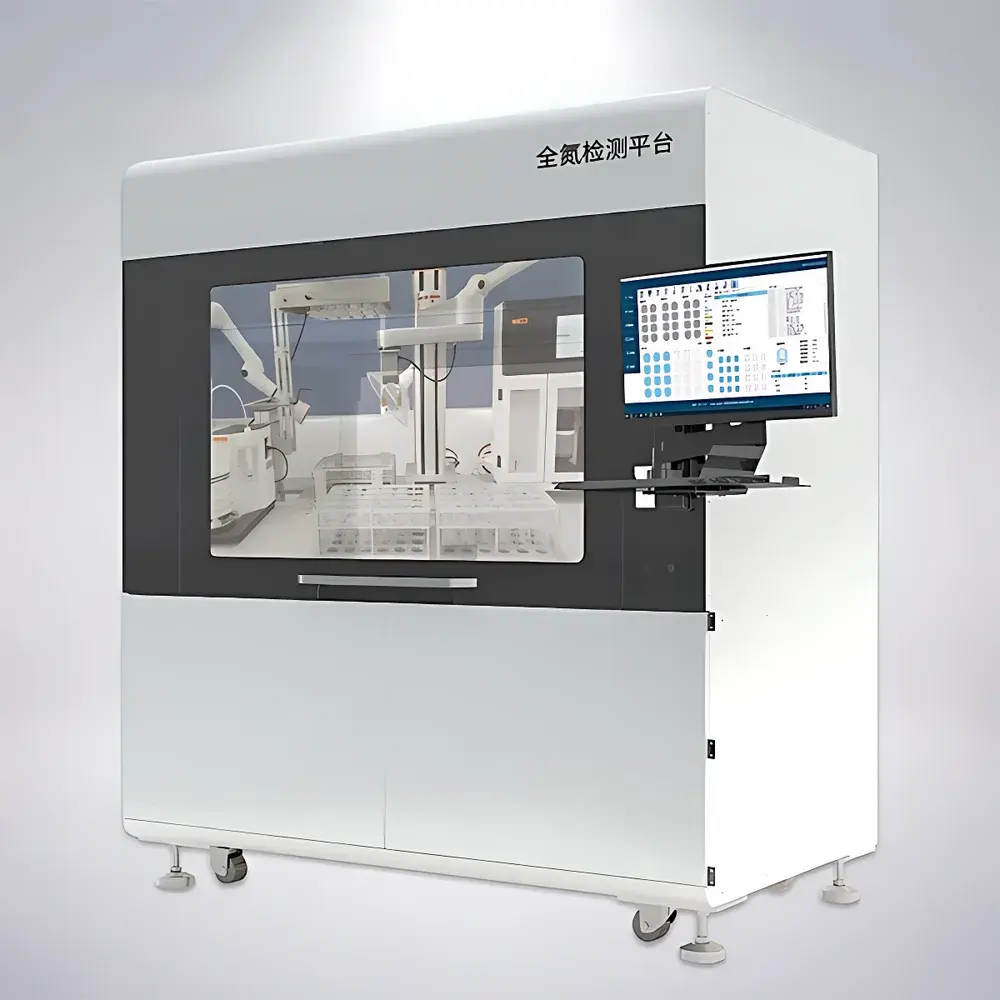
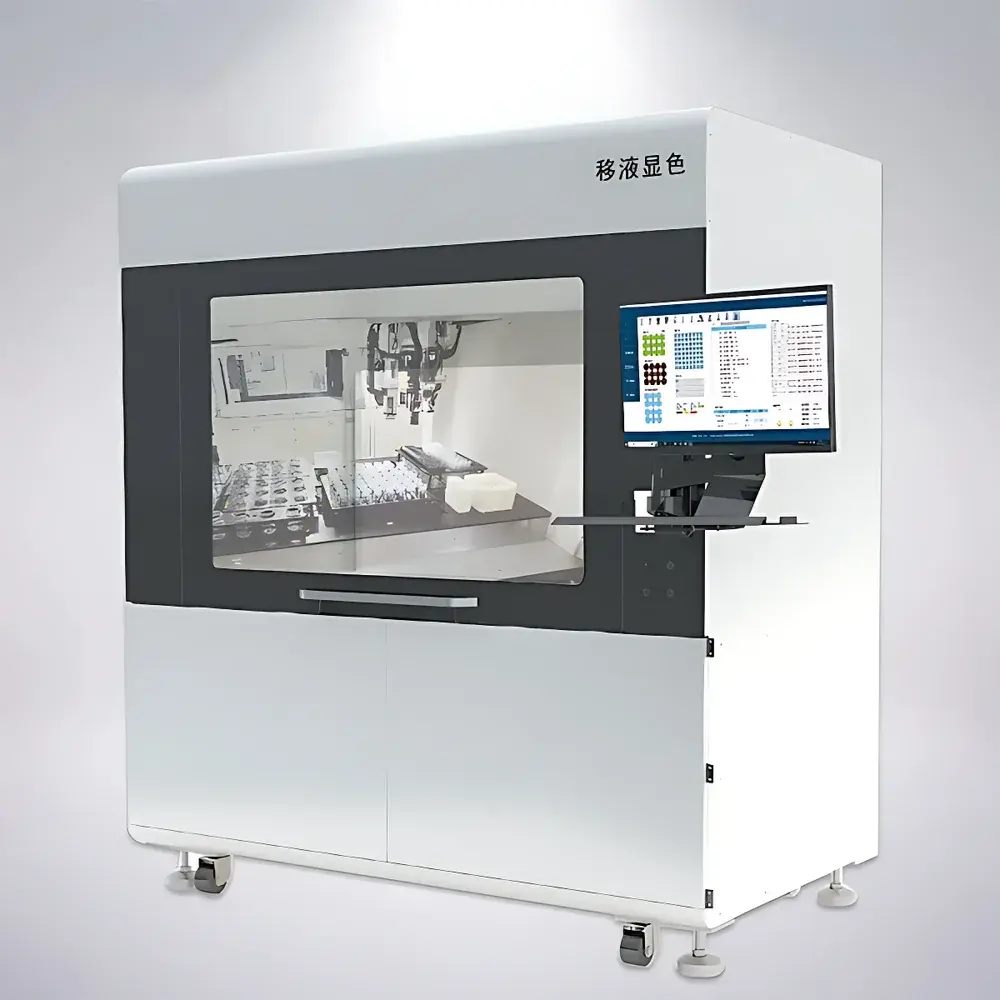
Drick DRK High-Throughput Intelligent Composition Analysis Robotic System
| Brand | Drick |
|---|---|
| Origin | Shandong, China |
| Manufacturer Type | OEM/ODM Manufacturer |
| Country of Origin | China |
| Model | DRK |
| Price | USD 140,000 (FOB Qingdao) |
Overview
The Drick DRK High-Throughput Intelligent Composition Analysis Robotic System is an integrated laboratory automation platform engineered for precision, reproducibility, and regulatory compliance in soil, agricultural, and environmental testing laboratories. Built upon core principles of robotic process automation (RPA), sensor-driven feedback control, and modular instrument integration, the system implements standardized analytical workflows defined by internationally recognized protocols—including NY/T 1121 series (Soil Testing Standards), HJ 781–2016 (Determination of Total Metals in Solid Waste by Acid Digestion–ICP-MS), HJ 766–2015 (Total Mercury in Soils), HJ 491–2019 (Copper, Zinc, Lead, Cadmium in Soils), and GB/T 22105–2008 (Total Elements in Soils by ICP-OES/AAS). It performs end-to-end automation across sample preparation, extraction, digestion, derivatization, colorimetric detection, titration, and data reporting—eliminating manual handling variability while maintaining full traceability per GLP and ISO/IEC 17025 requirements.
Key Features
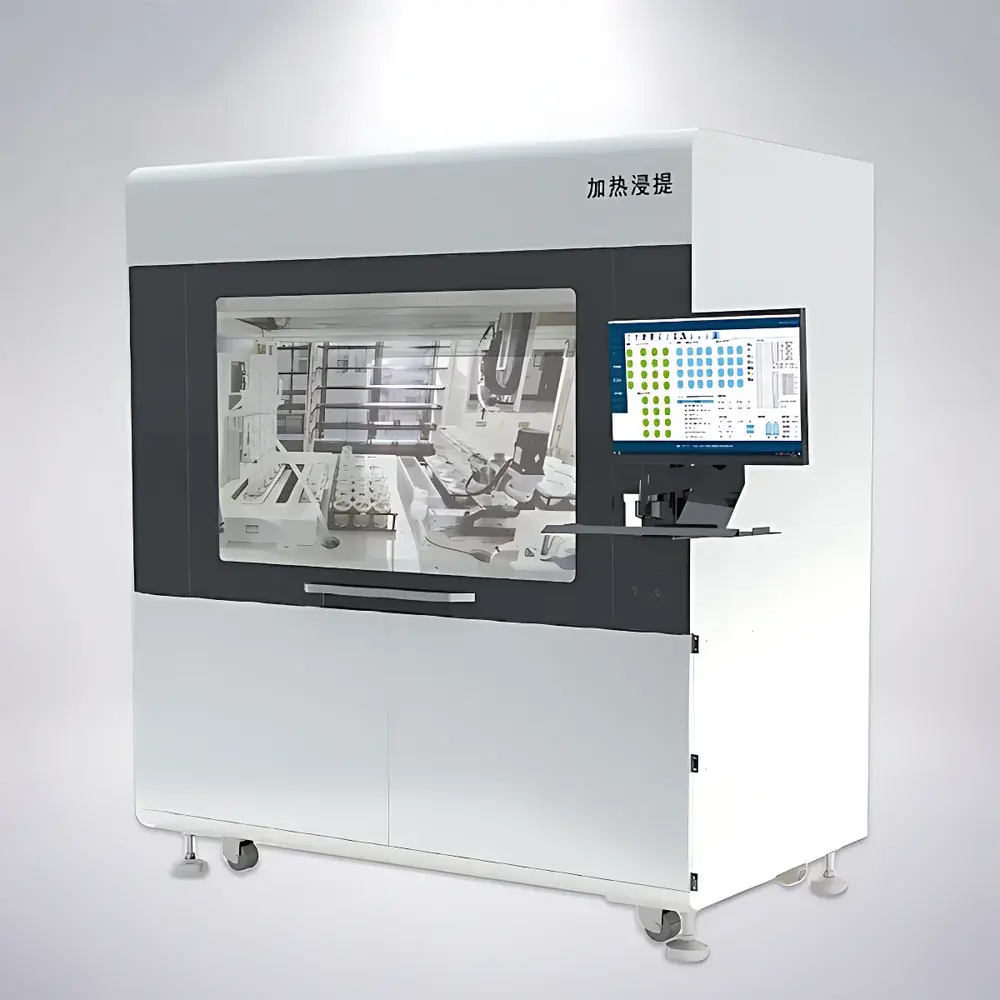
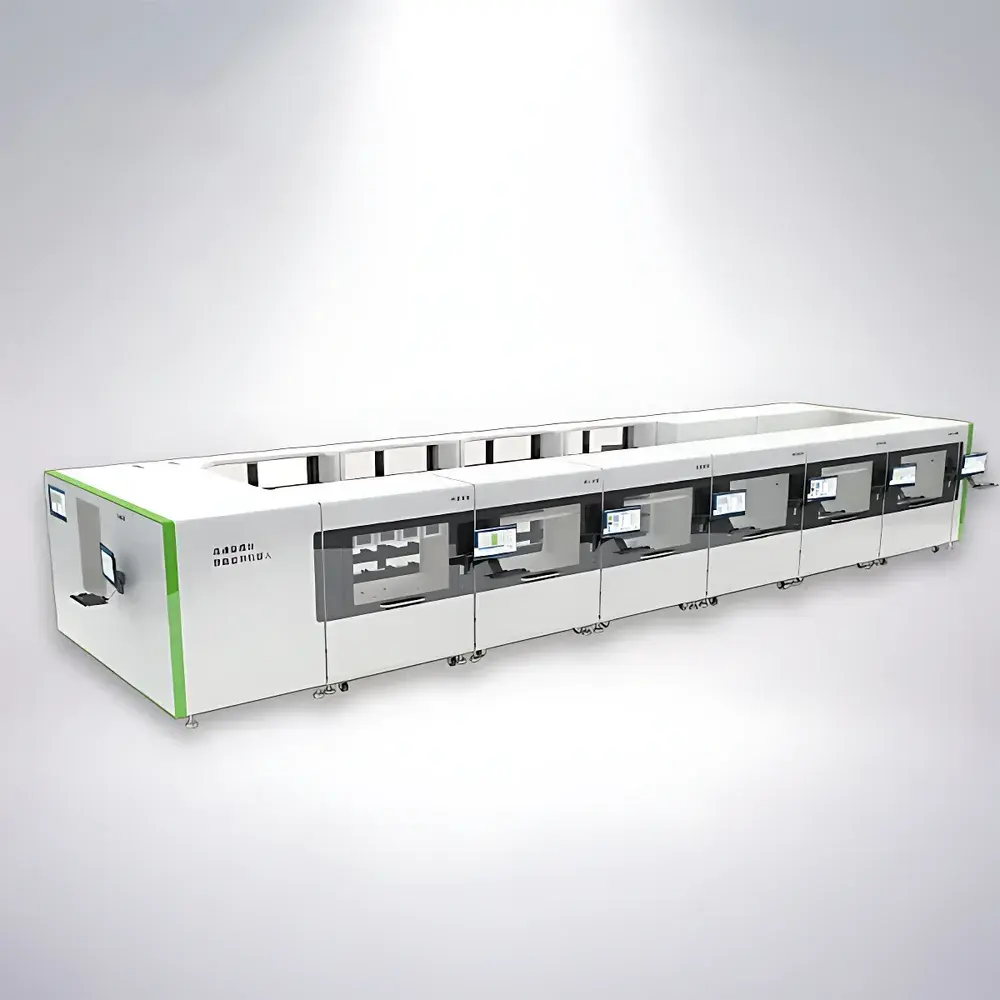
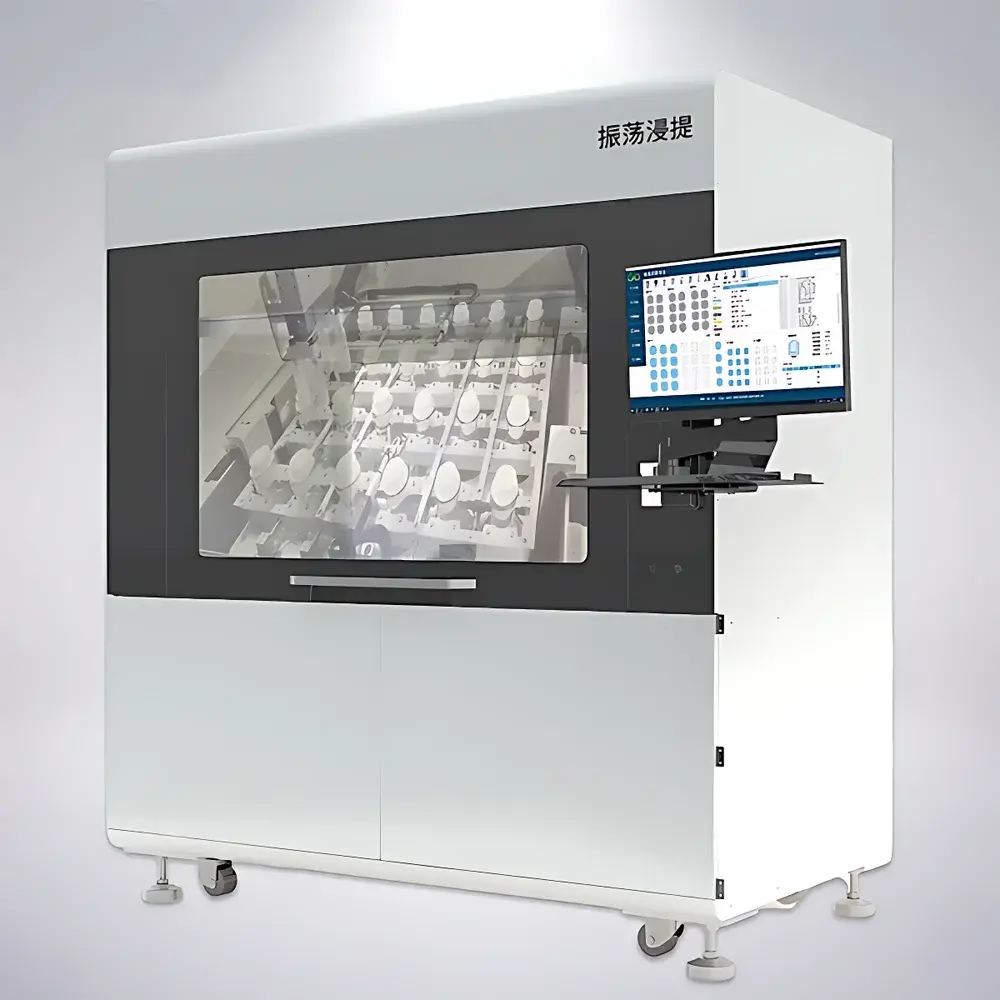
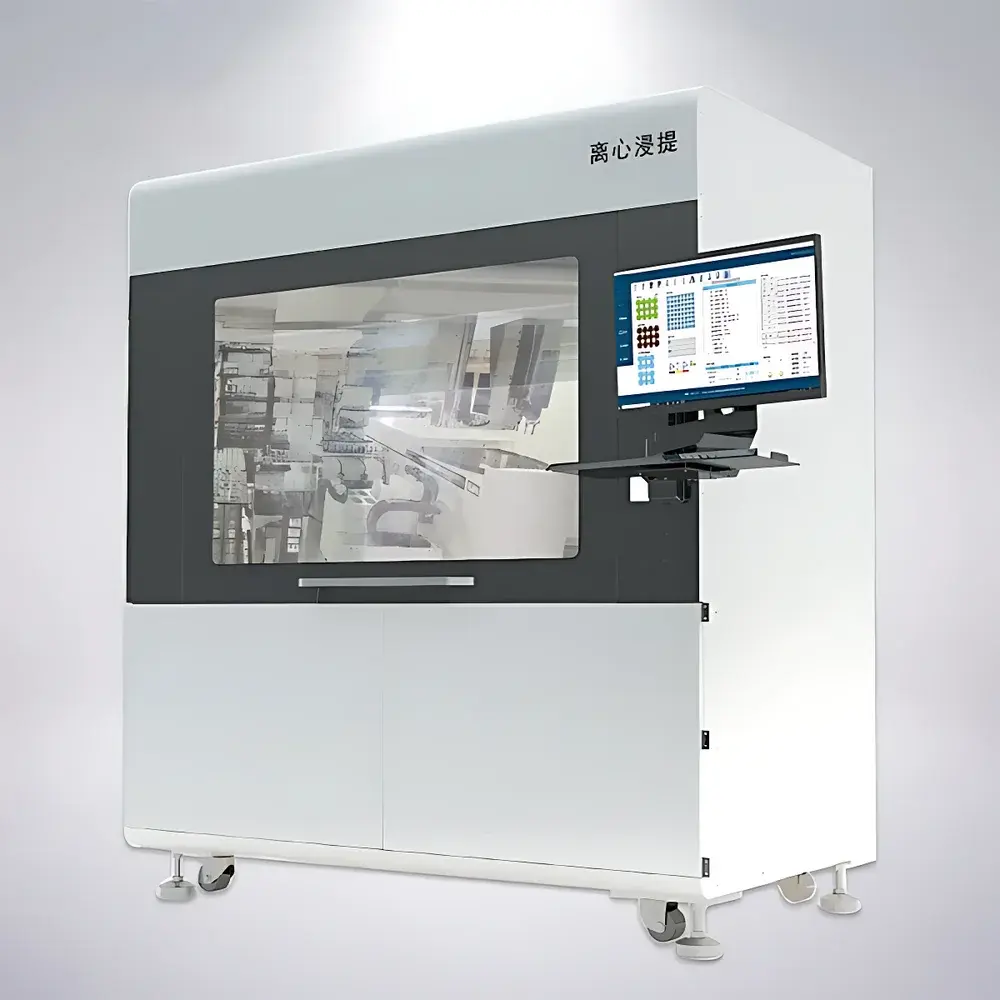
- Modular architecture with 10 interoperable functional platforms: Sample Preparation Station, Automated Weighing Module, pH Measurement Station, Organic Matter Titration Station, Oscillatory Extraction Station, Heated Reflux Extraction Station, Liquid Handling & Colorimetry Station, Centrifugal Extraction Station, Fully Automated Digestion System, and Detection Instrument Interface (compatible with ICP-OES, AAS, UV-Vis, and titrators).
- Robotic arm-based sample transport with 4-axis or 3-axis precision positioning; integrated grippers with force feedback and vision-assisted alignment for vial/cup handling.
- Real-time gravimetric dosing using high-resolution analytical balances (0.0001 g readability, 0–320 g range) coupled with vibration-assisted micro-sampling for consistent mass delivery (0.0500–20.0000 g, ±0.01 g repeatability).
- Automated endpoint detection via high-fidelity RGB color sensing (6000–7000 K adjustable white LED illumination, 0–10000 lux linear control) for redox and complexometric titrations (e.g., organic matter, total nitrogen).
- Programmable thermal control across platforms: digestion up to 230 °C (±0.1 °C accuracy, ≤1 °C well-to-well variance); reflux heating from 5–240 °C (±0.2 °C); centrifugation up to 4500 RPM.
- Full LIMS integration via ASTM E1578-compliant middleware, supporting bidirectional data exchange, audit trail logging, electronic signatures, and 21 CFR Part 11–compliant user access controls.
Sample Compatibility & Compliance
The DRK system supports solid matrices including soil, sediment, sludge, compost, and plant tissue. All modules comply with method validation criteria outlined in ISO 5725 (accuracy, precision, trueness), ISO 11843 (detection capability), and US EPA SW-846 Chapters. It fulfills technical requirements for China’s Third National Soil Census (“San Pu”) project, covering all 42 physicochemical parameters mandated by the Ministry of Agriculture and Rural Affairs (MARA), Ministry of Ecology and Environment (MEE), and Ministry of Natural Resources (MNR). These include pH, water-stable macroaggregates, exchangeable acidity, cation exchange capacity (CEC), exchangeable Ca²⁺/Mg²⁺/Na⁺/K⁺, organic matter, lime requirement, alkali-hydrolyzable N, available P/K/S/Si/Fe/Mn/Cu/Zn/B/Mo, total N/P/K/Se/Fe/Mn/Cu/Zn/Mo/Al/Ca/Mg/Ti, and total Hg/As/Pb/Cd/Cr/Ni. Each workflow is preconfigured to meet method-specific acceptance criteria—including ≥90% repeatability (RSD ≤10%), recovery rates >99.5% (for total N), and linearity R² ≥0.999 across calibration ranges.
Software & Data Management
The embedded DRK Control Suite (v4.2+) provides role-based workflow orchestration, method library management, real-time instrument monitoring, and automated report generation. All raw sensor data, robotic motion logs, balance readings, temperature/time stamps, and colorimetric absorbance values are timestamped, digitally signed, and stored in a relational database compliant with ISO/IEC 17025 Clause 7.5. Data export formats include CSV, PDF (with digital signature), XML (ASTM E1384), and direct API push to LIMS (via HL7 or RESTful endpoints). Audit trails record user actions, parameter changes, calibration events, and error recoveries—retained for ≥10 years per GLP Annex 11 and CNAS-CL01:2018 requirements.
Applications
- Regulatory soil testing labs performing MARA “San Pu” certification and MEE hazardous waste characterization.
- Contract testing organizations requiring high-volume throughput (up to 11,500 test results per day) with minimal operator intervention.
- Research institutions standardizing multi-element analysis across long-term field trials or inter-laboratory comparison studies.
- Environmental monitoring agencies conducting routine surveillance of heavy metal bioavailability, nutrient status, and soil health indicators.
- Agrochemical R&D facilities validating fertilizer efficiency, liming material reactivity, and contaminant immobilization technologies.
FAQ
Does the DRK system support method customization beyond listed standards?
Yes—users can define custom protocols using drag-and-drop workflow builder, adjusting timing, temperature ramps, reagent volumes, and decision logic for conditional branching.
Is remote operation and monitoring supported?
Yes—secure web-based interface enables real-time status viewing, alarm notifications, and limited remote control (subject to network security policy and two-factor authentication).
What maintenance intervals are recommended for robotic components and sensors?
Robotic arms require lubrication every 6 months; optical color sensors need annual recalibration; balance internal calibration is triggered automatically before each weighing batch.
Can the system integrate with third-party ICP-OES or AAS instruments from Thermo Fisher, PerkinElmer, or Shimadzu?
Yes—standardized RS-232, USB-TTL, and Ethernet interfaces support OEM communication protocols; driver libraries are provided for major vendors.
How is data integrity ensured during power failure or unexpected shutdown?
All critical operations use atomic transaction logging; in-progress assays resume from last validated checkpoint upon restart, with no loss of metadata or raw sensor history.