
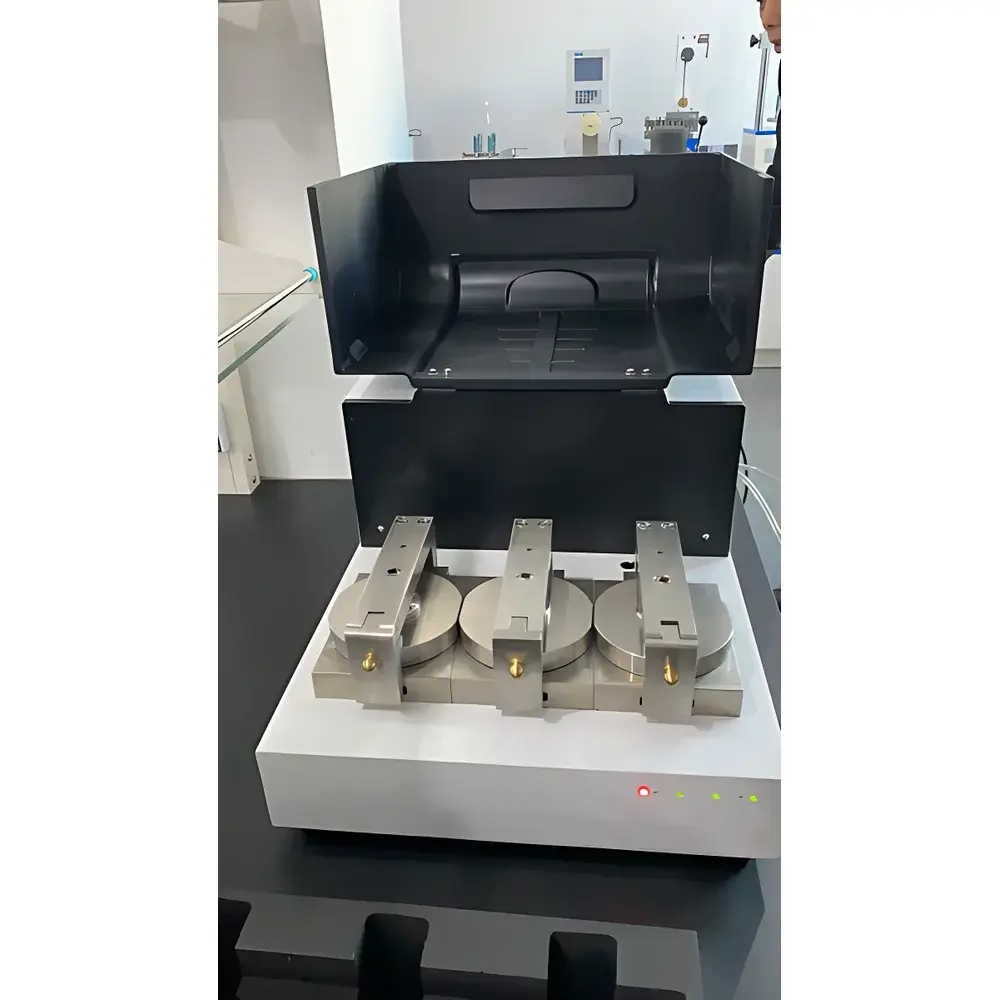
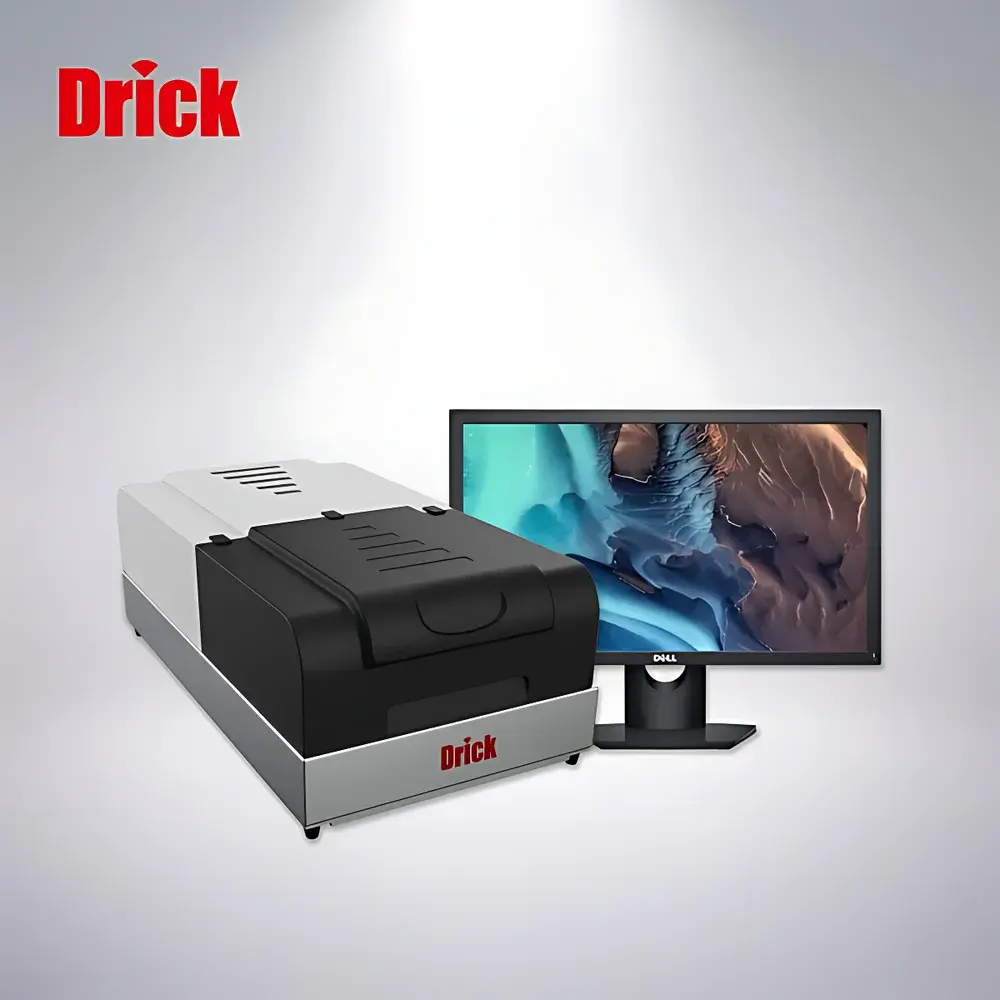
Drick DRK310 Tri-Chamber Differential-Pressure Gas Permeation Analyzer for Plastic Films
| Brand | Drick |
|---|---|
| Origin | Shandong, China |
| Manufacturer Type | Manufacturer |
| Origin Category | Domestic |
| Model | DRK310 |
| Quotation | Upon Request |
Overview
The Drick DRK310 Tri-Chamber Differential-Pressure Gas Permeation Analyzer is an engineered solution for precise measurement of gas transmission rates (GTR) through polymeric and composite packaging materials. It operates on the standardized differential-pressure (manometric) principle per ASTM D1434, ISO 2556, ISO 15105-1, JIS K7126-A, and YBB 00082003. In this method, a conditioned specimen is sealed between high-pressure and low-pressure chambers; after evacuation to sub-20 Pa vacuum, the high-pressure side is charged with test gas (O₂, N₂, CO₂, or toxic gases such as SO₂ or H₂S), establishing a constant partial pressure gradient across the sample. The resulting rise in pressure within the isolated low-pressure chamber—monitored continuously via high-stability vacuum transducers—is directly proportional to the gas permeation flux. By integrating real-time pressure kinetics with calibrated test area (45.34 cm²), temperature-controlled environment (15–50 °C, ±0.1 °C stability), and dynamic leakage compensation algorithms, the DRK310 delivers traceable, reproducible permeability data expressed in standard units: cm³/(m²·day·0.1 MPa).
Key Features
- Tri-chamber architecture enables simultaneous, independent testing of three specimens—reducing inter-test variability and improving statistical robustness of mean-value reporting.
- High-fidelity vacuum sensing system: dual-range capacitive vacuum transducers (0–1333 Pa full scale, resolution ≤0.1 Pa, long-term drift <0.5% FS/year) ensure accurate baseline stabilization and ultra-low-pressure rise detection.
- Bidirectional thermostatic control: parallel-flow constant-temperature bath maintains uniform thermal equilibrium across all chambers, eliminating thermal gradients that compromise diffusion kinetics.
- Dynamic background leakage correction: proprietary algorithm distinguishes true permeation signal from system outgassing and seal-related leakage—enabling valid measurements even with non-ideal sample mounting.
- Integrated toxic gas handling: dedicated exhaust manifold with catalytic scrubber interface and fail-safe solenoid isolation valves prevent operator exposure and ambient contamination during hazardous gas testing.
- Full automation suite: self-diagnostic boot sequence, one-touch test initiation, auto-sealing actuation, real-time vacuum ramping, and adaptive pressure regulation (0.005–0.15 MPa range) minimize operator intervention and procedural error.
Sample Compatibility & Compliance
The DRK310 accommodates rigid and flexible planar specimens up to 3 mm thickness—including plastic films (LDPE, PET, PP), metallized laminates, Al-foil composites, rubber sheets, and barrier-coated papers. Its 45.34 cm² circular test area conforms to ISO 2556 and ASTM D1434 geometry requirements. All mechanical seals utilize fluorosilicone gaskets rated for aggressive gases and repeated thermal cycling. The instrument meets electromagnetic compatibility (EMC) Class B per IEC 61326-1 and electrical safety per IEC 61010-1. When configured with the optional GMP Computerized System Module, it supports 21 CFR Part 11-compliant audit trails, role-based user authentication, electronic signatures, and immutable data archiving—fully aligned with GLP/GMP laboratory quality systems.
Software & Data Management
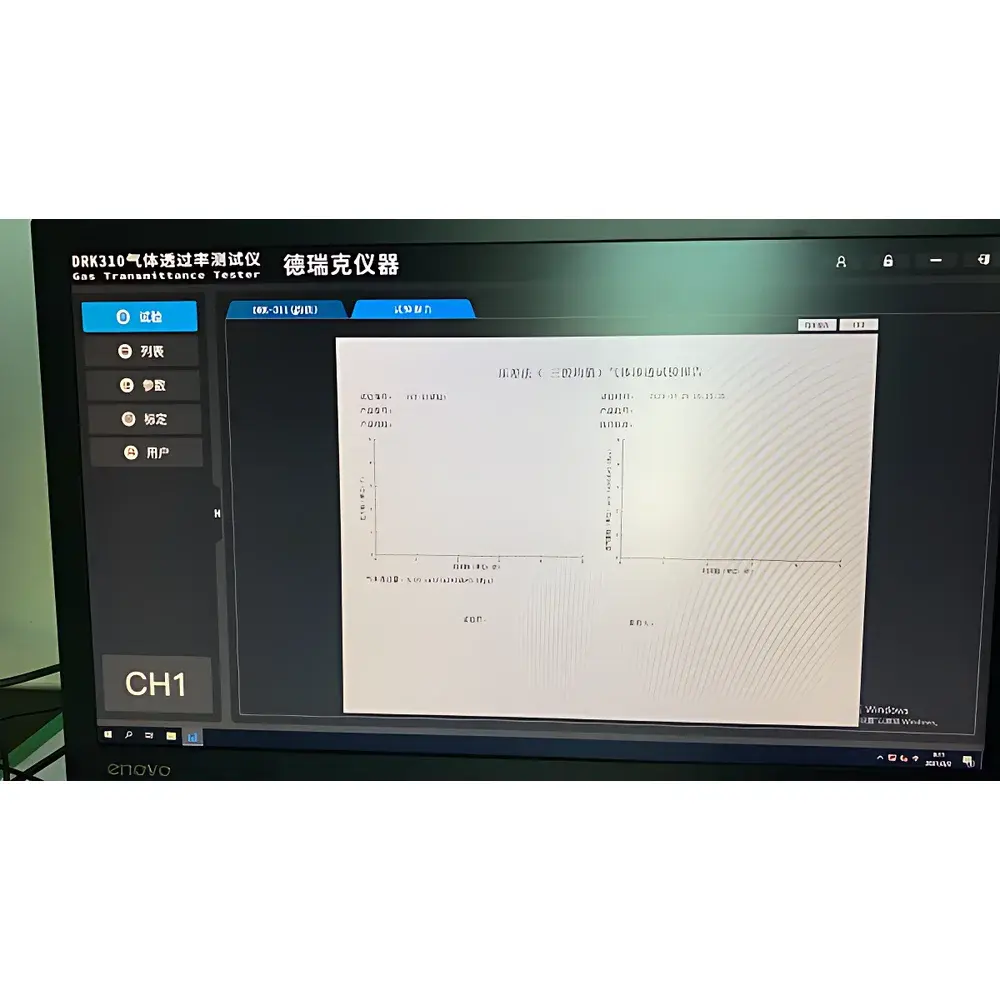
The embedded Windows-based analysis platform records all critical parameters—chamber pressure, temperature, time, valve status, and vacuum decay—at ≥10 Hz sampling rate. Raw data are stored in encrypted SQLite databases with checksum validation; power loss recovery preserves all intermediate states without truncation. Graphical output includes real-time permeation curves, Arrhenius plots for activation energy derivation, and comparative bar charts across multiple samples or conditions. Export formats include CSV, PDF reports (with customizable templates), and XML for LIMS integration. Optional humidity control unit (not included) allows concurrent RH conditioning per ISO 15105-2 protocols.
Applications
This analyzer serves R&D, QC, and regulatory submission workflows across food, pharmaceutical, medical device, and electronics packaging sectors. Typical use cases include: evaluating O₂ transmission rate (OTR) of retort pouches for shelf-life modeling; quantifying CO₂ permeability of carbonated beverage bottle preforms; validating nitrogen barrier performance of blister packaging for moisture-sensitive APIs; benchmarking novel nanocomposite films against legacy EVOH structures; and supporting FDA Drug Master File (DMF) submissions requiring ISO/ASTM-aligned permeation datasets.
FAQ
What gases can be tested beyond O₂ and N₂?
CO₂, He, Ar, and certified toxic gases (e.g., SO₂, Cl₂, H₂S) are supported—provided appropriate gas certification, compatible wetted materials (316L SS, Kalrez®), and exhaust treatment are implemented.
Is calibration traceable to national standards?
Yes—factory calibration uses NIST-traceable reference membranes with certified GTR values; users may perform in-house verification using supplied calibration standards.
Can the system operate unattended overnight?
Fully—automated shutdown, data integrity preservation, and thermal soak stabilization ensure repeatability across multi-hour and multi-day tests.
What maintenance intervals are recommended?
Vacuum pump oil change every 500 operating hours; O-ring inspection and replacement every 12 months or after 200 seal cycles; annual sensor recalibration advised.
Is remote monitoring supported?
Standard Ethernet interface enables secure VNC access and SNMP-based system health polling; optional OPC UA server module available for MES/SCADA integration.
Related Products





