
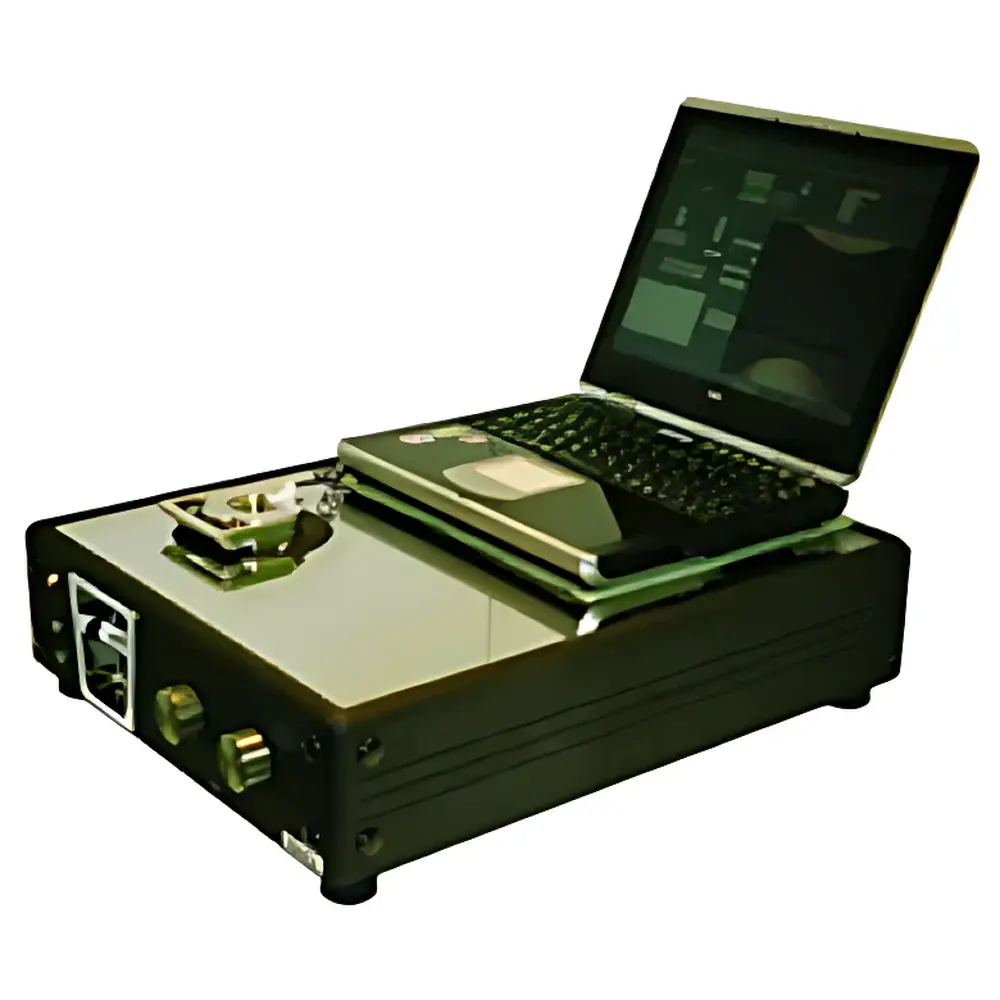
ECI EZ-TAXIScan Cell Migration & Chemotaxis Analysis System
| Origin | Japan |
|---|---|
| Manufacturer Type | Authorized Distributor |
| Origin Category | Imported Instrument |
| Model | EZ-TAXIScan (MIC-1000) |
| Pricing | Available Upon Request |
Overview
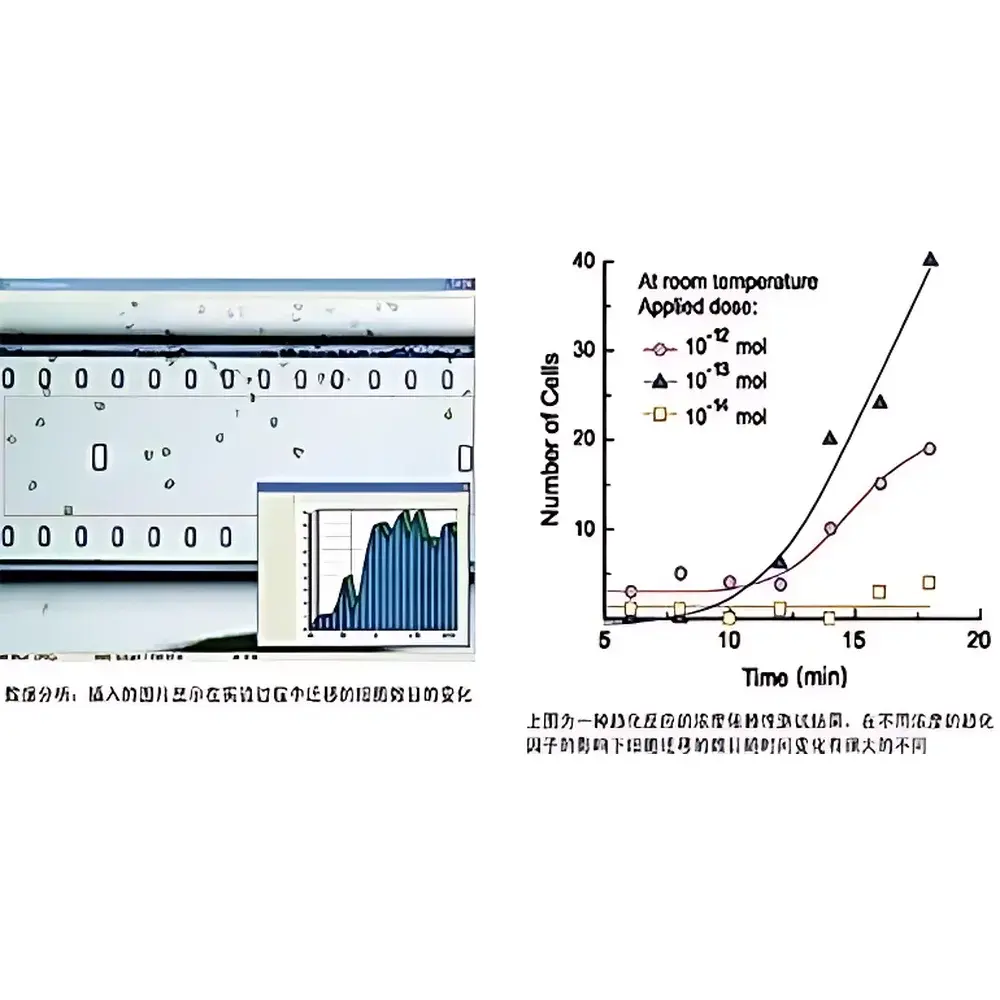
The ECI EZ-TAXIScan Cell Migration & Chemotaxis Analysis System is a purpose-built, microfluidic-based platform engineered for high-resolution, real-time quantitative analysis of cellular chemotaxis and directed migration. Developed by Effector Cell Institute (ECL), a Japanese research-driven instrumentation company, the system leverages precision silicon microchannel chips fabricated via photolithographic micromachining to establish stable, reproducible chemical gradients across a planar glass substrate. Unlike traditional Boyden chamber or under-agarose assays, EZ-TAXIScan operates on the principle of laminar flow–mediated gradient generation within microfabricated channels—enabling precise spatiotemporal control over chemoattractant concentration profiles (e.g., CXCL12, fMLP, C5a). Cells adhere and migrate horizontally along the glass surface under physiological shear-free conditions, permitting unobstructed phase-contrast or fluorescence imaging using standard inverted microscopes equipped with compatible CCD/CMOS cameras. The system captures time-lapse trajectories at user-defined intervals (e.g., 30 s–5 min/frame), enabling extraction of motility parameters including velocity, persistence, directional bias (chemotactic index), and population-level response heterogeneity.
Key Features
- Ultra-low input requirement: Quantitative chemotaxis analysis achievable with as few as 100 viable cells per assay—critical for rare primary isolates (e.g., tumor-infiltrating lymphocytes, circulating tumor cells, or patient-derived xenograft-derived cells).
- Monolithic silicon microchannel chip (MIC-1000 series): Fabricated in cleanroom-grade facilities in Japan; features dual inlet ports, diffusion-based gradient generation zones, and a central observation channel (100 µm wide × 20 µm deep × 3 mm long) optimized for single-cell tracking.
- Modular optical compatibility: Designed for integration with standard inverted research microscopes (Nikon Ti2, Olympus IX83, Zeiss Axio Observer) and commercially available motorized stages, LED illumination, and scientific-grade CCD/CMOS sensors (≥1.4 MP resolution, ≥12-bit dynamic range).
- Compact benchtop footprint (280 × 220 × 120 mm): Fits within biosafety cabinets and standard tissue culture workspaces without requiring dedicated environmental enclosures.
- No consumables beyond sterile chips and standard cell culture reagents; no pumps, valves, or external fluidic controllers required—gradient formation relies solely on passive diffusion and capillary filling.
Sample Compatibility & Compliance
The EZ-TAXIScan platform supports adherent and semi-adherent eukaryotic cell types exhibiting chemotactic behavior, including but not limited to human peripheral blood neutrophils, monocyte-derived dendritic cells, Jurkat and primary T lymphocytes, U87-MG and MDA-MB-231 cancer lines, PC12 neuronal precursors, vascular smooth muscle cells (VSMCs), and mammalian spermatozoa. All assays are performed under ISO 13485–aligned cleanroom-manufactured chip conditions; chip sterilization follows validated ethylene oxide (EtO) protocols compliant with ISO 11135. Experimental workflows align with GLP principles for preclinical immunology and oncology studies, and raw image datasets support audit-ready metadata tagging (time, temperature, gradient composition, cell source ID) required for FDA 21 CFR Part 11–governed environments when paired with compliant LIMS or ELN systems.
Software & Data Management
Acquisition is controlled via ECI’s proprietary EZ-Track Suite (v3.2+), a Windows-based application supporting live preview, automated focus stabilization, multi-position time-lapse scheduling, and synchronized trigger output for external devices (e.g., perfusion pumps, environmental chambers). Post-acquisition analysis includes batch processing of trajectory files (.csv/.tsv) with built-in modules for mean squared displacement (MSD), directionality ratio, chemotactic index (CI = cos θ), and kernel density estimation of migration vector fields. Export formats include HDF5 for MATLAB/Python interoperability and MIAME-compliant annotation for deposition in public repositories (e.g., GEO, ArrayExpress). Audit trails record all parameter modifications, user logins, and file exports—fully traceable for regulatory submissions.
Applications
- Quantification of immune cell chemotactic potency in response to cytokine gradients (e.g., IL-8, CCL2) for biomarker discovery in chronic inflammation.
- Evaluation of GPCR-targeting drug candidates (e.g., CXCR4 antagonists) via dose–response inhibition curves in primary leukocytes.
- Mechanistic dissection of metastatic cell invasion using tumor cell lines exposed to stromal-derived factor gradients.
- Functional validation of CRISPR/Cas9-edited chemokine receptor knockouts in isogenic cell pairs.
- High-content screening of nanomaterial-induced leukocyte dysregulation in toxicology assessment.
FAQ
What is the minimum viable cell number required per assay?
A minimum of 100 morphologically intact, non-apoptotic cells is sufficient for statistically robust trajectory analysis when loaded into the central observation zone.
Are the microchannel chips reusable?
No—each MIC-1000 chip is single-use, pre-sterilized, and designed for strict lot-to-lot consistency in gradient fidelity and surface chemistry.
Can the system be used with fluorescently labeled cells?
Yes; the glass substrate and chip architecture are fully compatible with epi-fluorescence, TIRF, and confocal modalities using standard filter sets (DAPI/FITC/TRITC/Cy5).
Does EZ-Track Suite support automated cell segmentation?
Segmentation is manual or semi-automated via threshold-based detection; advanced AI-driven segmentation requires third-party plugins (e.g., Ilastik, CellProfiler) with exported TIFF stacks.
Is technical support available outside Japan?
Yes—global distributor network provides localized installation, application training, and remote troubleshooting in English, German, French, and Mandarin.
Related Products




