
Eijkelkamp 01.11.SO Manual Soil Sampler (Edelman-Type Hand Auger)
| Brand | Eijkelkamp |
|---|---|
| Origin | Netherlands |
| Model | 01.11.SO |
| Weight | 26 kg |
| Max Sampling Depth | 5 m (extendable to 8–10 m with extension rods) |
| Auger Bit Diameter | 7 cm |
| Connection Type | Pin-lock coupling |
| Sample Types | Undisturbed and disturbed soil cores |
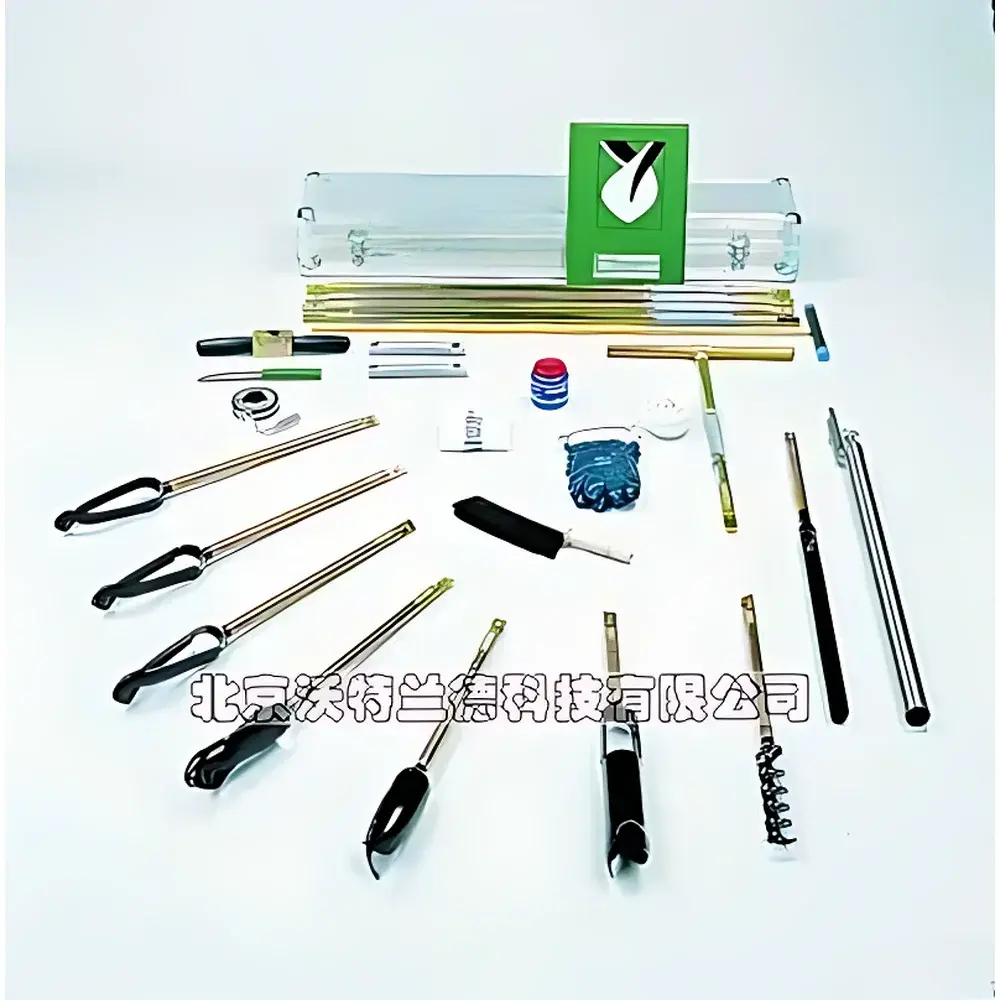
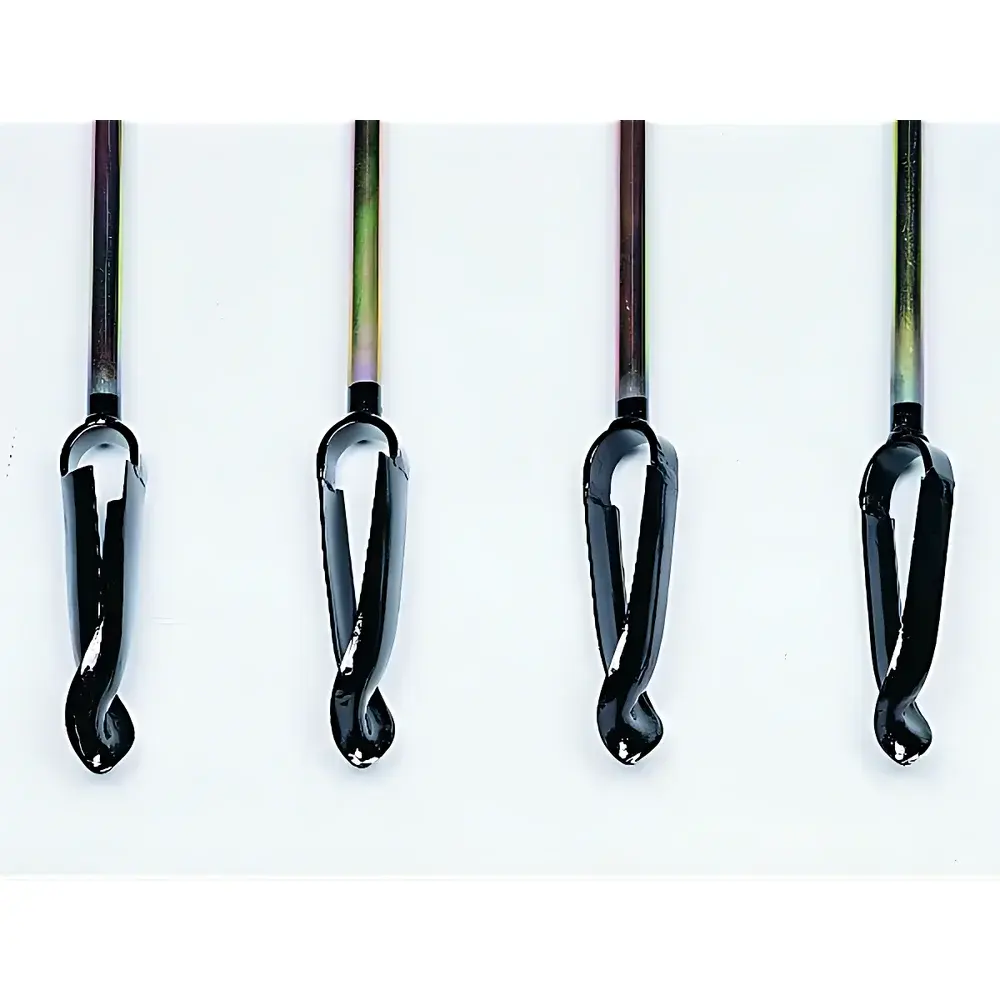
| Core Components | Four Edelman augers (clay, sand, gravel, composite), Riverside auger, gravel auger, spiral auger, piston sampler, semi-circular gouge auger |
| Accessories | Fiberglass multi-purpose probe rod, depth gauge tape, push-pull handle, maintenance tools, field logbook, aluminum transport case |
Overview
The Eijkelkamp 01.11.SO Manual Soil Sampler is a field-deployable, human-powered soil coring system engineered for high-fidelity sampling across heterogeneous geological profiles. Based on the classical Edelman auger principle—where torque applied manually rotates a helical or gouge-type bit to extract intact or disturbed soil columns—the 01.11.SO integrates six specialized auger configurations and one piston sampler to address stratified, saturated, and lithologically complex subsurface conditions. Unlike motorized or hydraulic samplers, this system prioritizes operator control, minimal ground disturbance, and immediate tactile feedback—critical for preliminary site assessment, environmental baseline studies, agricultural soil profiling, and regulatory compliance sampling where trace contamination or structural integrity must be preserved. Its mechanical design conforms to ISO 22473-1:2022 (Geotechnical investigation and testing — Sampling methods) and supports protocols aligned with ASTM D1586 (Standard Test Method for Penetration Test and Split-Barrel Sampling of Soils) and EPA Method 5035A (Soil Sampling for Volatile Organic Compounds).
Key Features
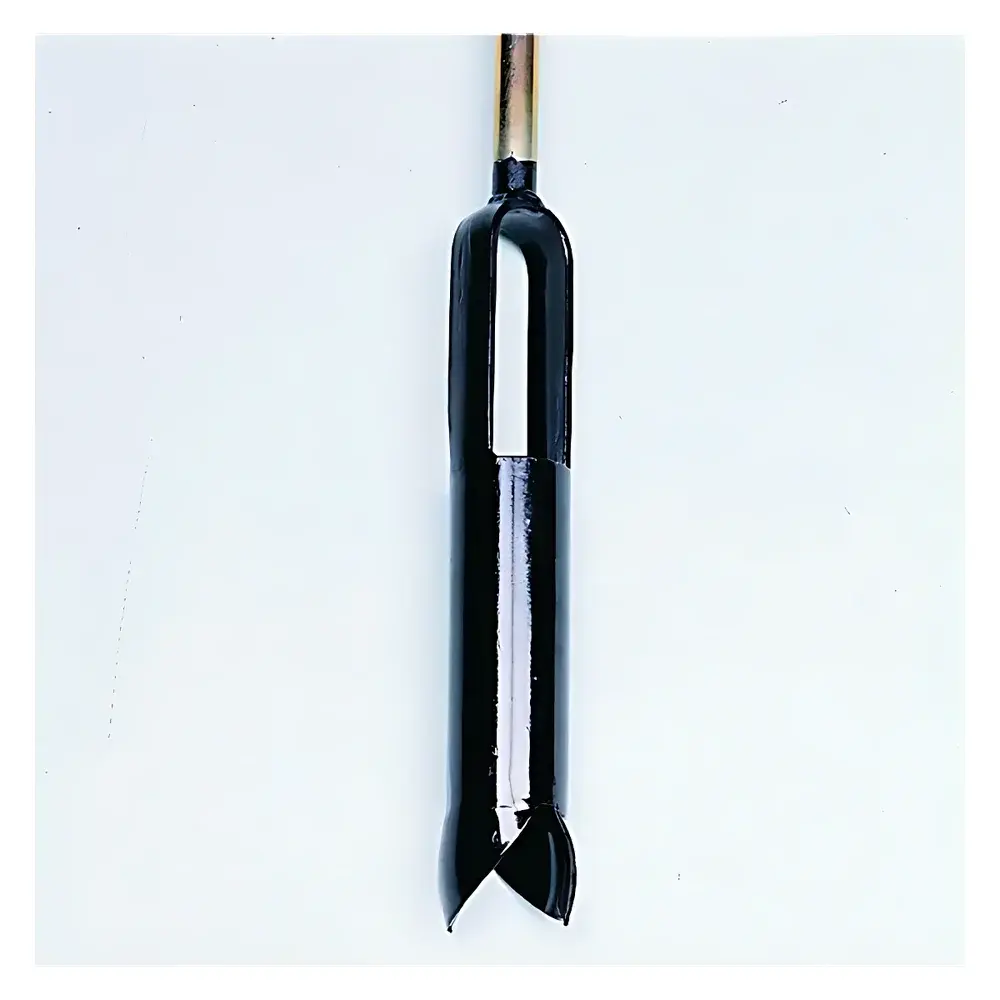
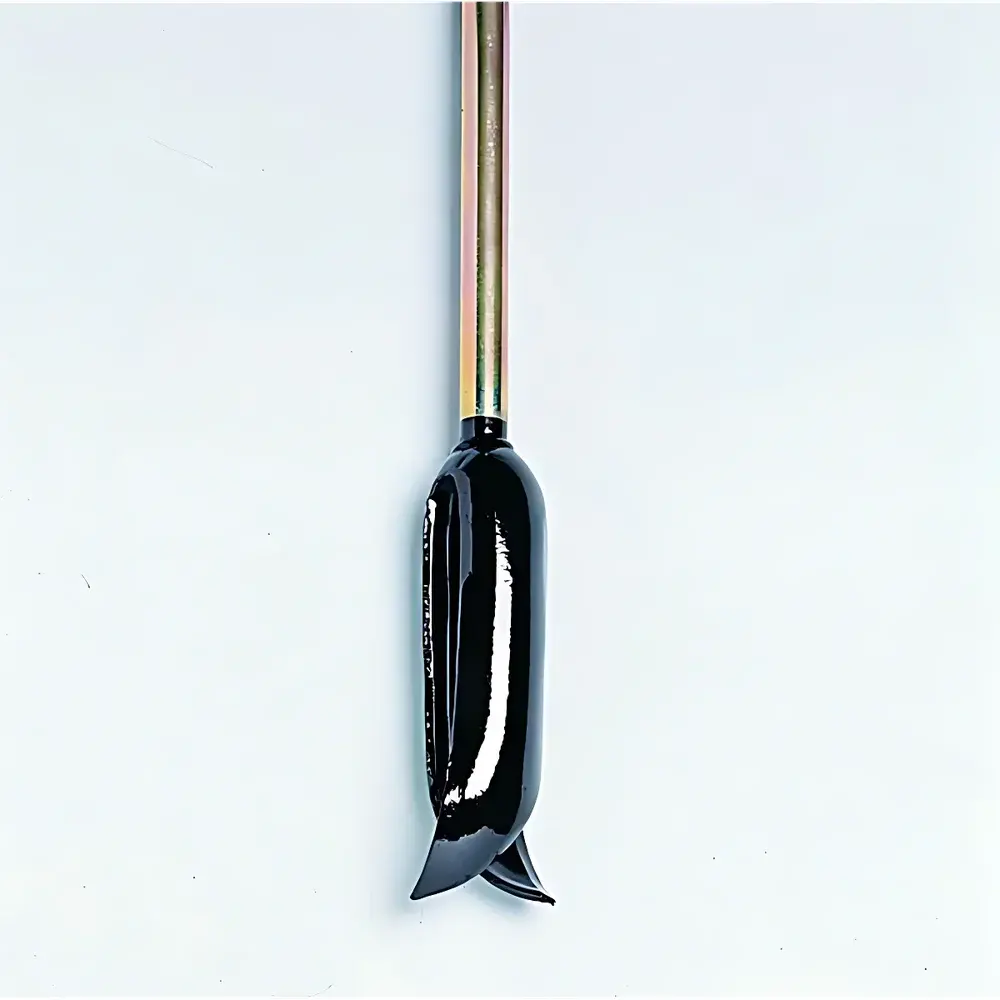
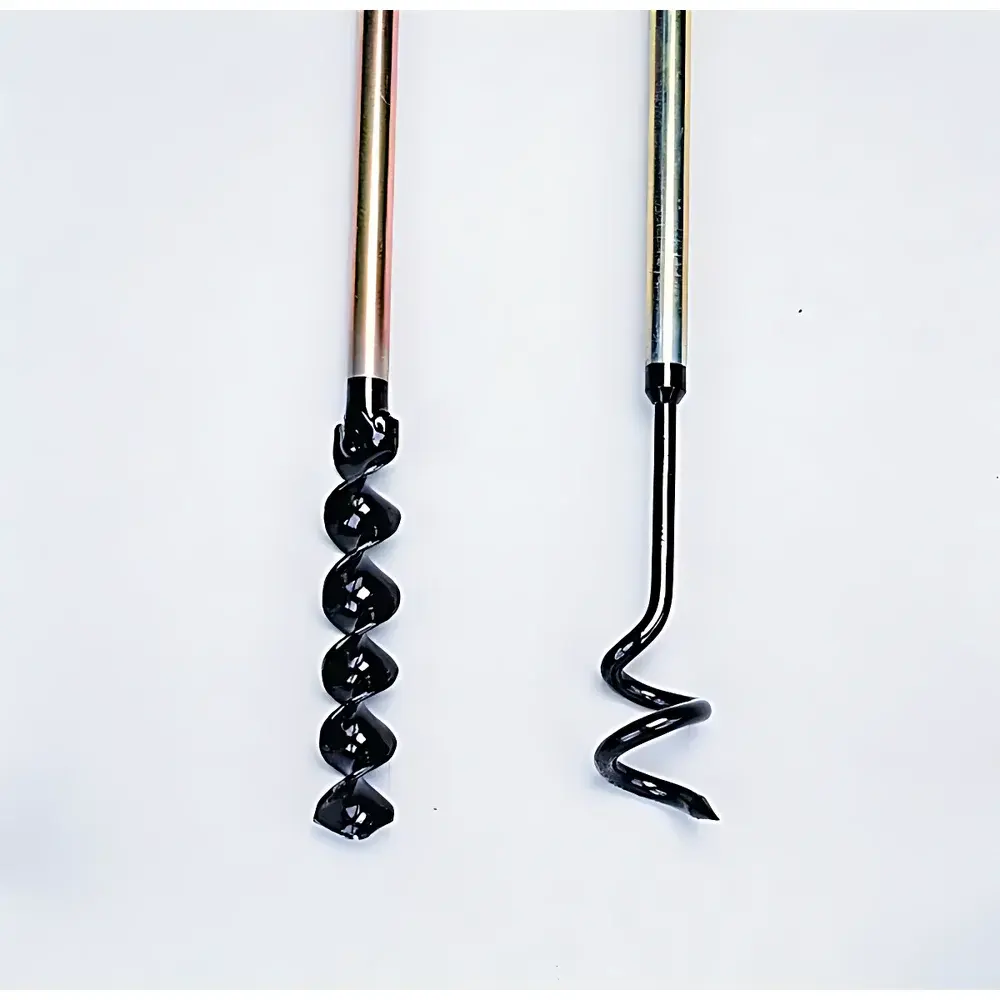
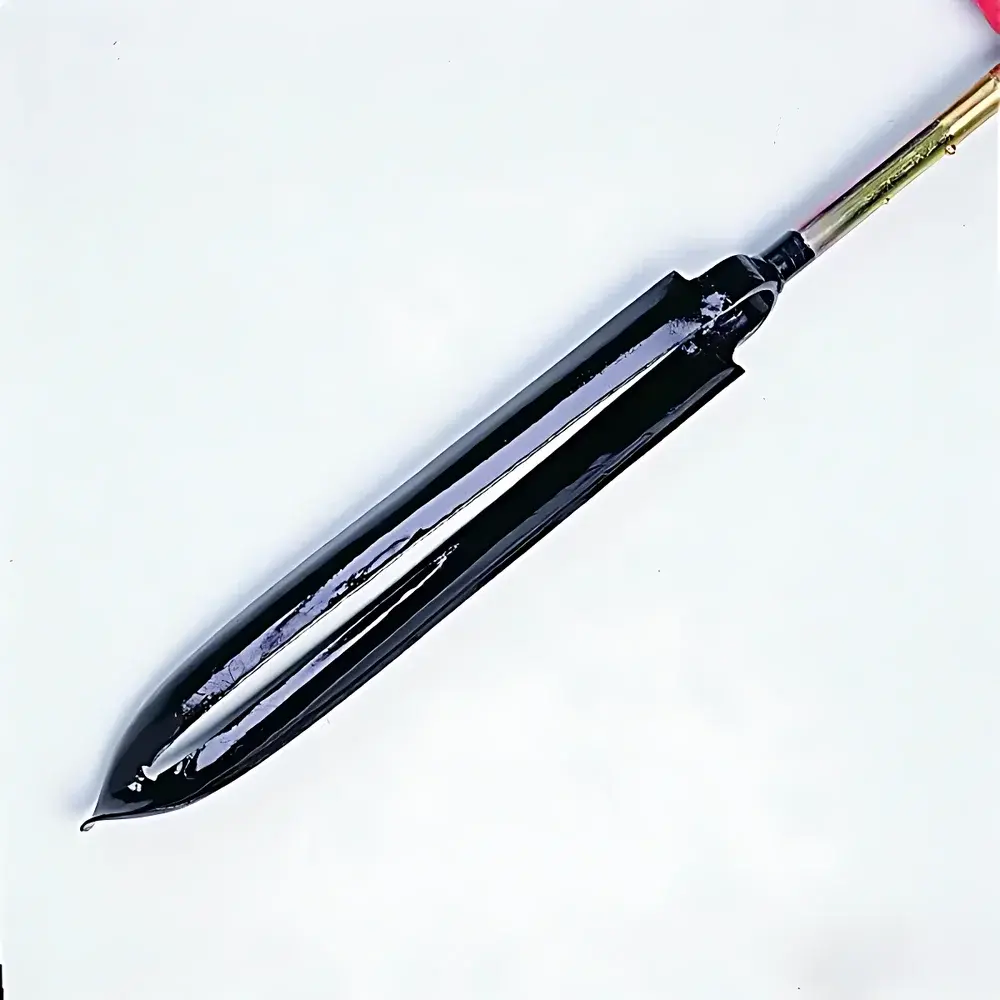
- Modular auger architecture: Includes four Edelman-style augers (optimized for clay, sand, gravel-rich, and mixed soils), a Riverside auger with acute tip geometry for compacted or water-saturated fine-gravel layers, a dedicated gravel auger constructed from two forged steel rods for high-impact resistance in stony substrates, a spiral auger for rapid disturbed sampling in cohesionless materials, a semi-circular gouge auger for high-moisture cohesive soils (e.g., peat, wet clay), and a double-tube piston sampler for near-undisturbed recovery below the water table.
- Tactile subsurface reconnaissance: Integrated fiberglass multi-purpose probe rod enables pre-drilling detection of obstructions—including buried utilities, concrete fragments, and bedrock—via direct haptic transmission without electrical instrumentation.
- Depth scalability: Pin-lock coupling system allows sequential attachment of lightweight extension rods; validated field use confirms reliable operation up to 10 m depth under optimal soil resistance and operator technique.
- Field-ready logistics: Complete kit housed in a corrosion-resistant aluminum transport case includes depth gauge tape (for groundwater level determination), push-pull handle with ergonomic grip, calibrated field logbook, and full maintenance toolkit—ensuring audit-trail readiness and long-term serviceability.
- Operator safety & ergonomics: All auger shafts feature standardized 25 mm outer diameter and unified threading interface; weight distribution (26 kg total system mass) minimizes fatigue during repetitive vertical thrust application.
Sample Compatibility & Compliance
The 01.11.SO accommodates both disturbed and undisturbed sampling objectives per EN ISO 22473-1 classification. The piston sampler meets ISO 22473-2 requirements for low-disturbance sampling in saturated silts and fine sands (N-value ≤ 15). Edelman and Riverside augers comply with ASTM D1587 for thin-walled tube sampling in stiff clays and dense sands. The gravel auger satisfies ASTM D1586 Annex A3 criteria for sampling in coarse-grained soils containing >15% gravel fraction. All components are manufactured in accordance with EU Machinery Directive 2006/42/EC and bear CE marking. Materials conform to RoHS 2011/65/EU restrictions on hazardous substances.
Software & Data Management
As a fully manual, non-electronic instrument, the 01.11.SO does not incorporate embedded firmware, wireless telemetry, or proprietary software. However, its design supports digital workflow integration: field logbook entries are structured to align with LIMS-compatible templates (e.g., CSV export via scanned PDF or mobile data capture); depth gauge tape markings enable direct GIS georeferencing; and sample labeling conventions follow ISO 11464:2019 (Soil quality — Sampling — Guidance on the selection of sampling strategies and techniques). Optional third-party mobile apps (e.g., ESRI Field Maps, QField) may be used to record GPS coordinates, stratigraphic notes, and photo documentation synchronized with physical sample IDs.
Applications
- Environmental site assessment (ESA) under ASTM E1527-21, including Phase I and II investigations requiring representative subsurface characterization.
- Agricultural soil health monitoring—organic matter profiling, compaction layer detection, and nutrient horizon mapping.
- Archaeological and paleoenvironmental core retrieval where minimal vibration and chemical inertness are mandatory.
- Regulatory compliance sampling for landfill post-closure monitoring, brownfield redevelopment, and contaminated sediment delineation (e.g., EPA Region 10 protocols).
- Educational field training in soil morphology, pedology, and hydrogeology—emphasizing hands-on understanding of soil mechanics and stratigraphy.
FAQ
What soil types are compatible with the Riverside auger?
The Riverside auger is optimized for dense, moist, fine-to-medium grained soils—particularly those with interstitial groundwater above or below the water table, such as glacial till, compacted loam, or silty sand with <10% gravel content.
Can the piston sampler be used above the water table?
No—it requires saturated conditions to maintain core cohesion during extraction; use Edelman or gouge augers for unsaturated cohesive soils.
Is calibration required before field deployment?
No formal calibration is needed; however, visual inspection of auger blade sharpness, pin-lock integrity, and probe rod flexibility is recommended prior to each sampling campaign.
How is groundwater level determined using the included depth gauge tape?
The tape is lowered into the borehole after initial augering; the wet-dry transition point on the tape surface indicates static water level elevation relative to ground surface.
Are replacement parts available for all auger types?
Yes—Eijkelkamp supplies certified spare bits, extension rods, piston sleeves, and handle assemblies under part numbers traceable to ISO 9001-certified manufacturing records.







