Eijkelkamp DIVER Series Submersible Groundwater Level and Temperature Data Logger
| Brand | Eijkelkamp |
|---|---|
| Model | DIVER (DI601/DI602/DI605/DI610, CTD-Diver, Micro-Diver) |
| Type | Submersible Pressure-Based Water Level Sensor |
| Measurement Parameters | Water Level (Depth), Temperature (±0.1 °C), Optional Conductivity (CTD-Diver: 0–80 mS/cm, ±1% FS) |
| Depth Ranges | 10 m / 20 m / 30 m / 50 m / 100 m (model-dependent) |
| Resolution | 0.2–2 cm (level), 0.01 °C (temperature), 0.1% FS (conductivity) |
| Accuracy | ±0.05–0.1% FS (level), ±0.1 °C (temperature), ±1% FS (conductivity) |
| Operating Temperature | −20 to +80 °C |
| Housing Material | RVS 316L stainless steel (Micro-/DIVER) or Zirconia ceramic (CTD-Diver) |
| Pressure Sensor Element | Alumina ceramic |
| Dimensions | Ø18 mm × 90 mm (Micro-/DIVER) |
| Weight | 60 g (Micro-/DIVER) |
| Memory Capacity | 2 × 48,000 readings (Micro-/DIVER) |
| Sampling Interval | 0.5 s to 99 h (adjustable) |
| Battery Life | 8–10 years (typical, at 15-min interval) |
| Temperature Compensation Range | −10 to +40 °C (for pressure sensor) |
| Atmospheric Compensation | Compatible with Baro-Diver for barometric correction |
| Compliance | Designed for long-term unattended deployment in compliance with ISO 14688-1 (soil description), ASTM D4043 (groundwater monitoring), and GLP-aligned data integrity practices |
Overview
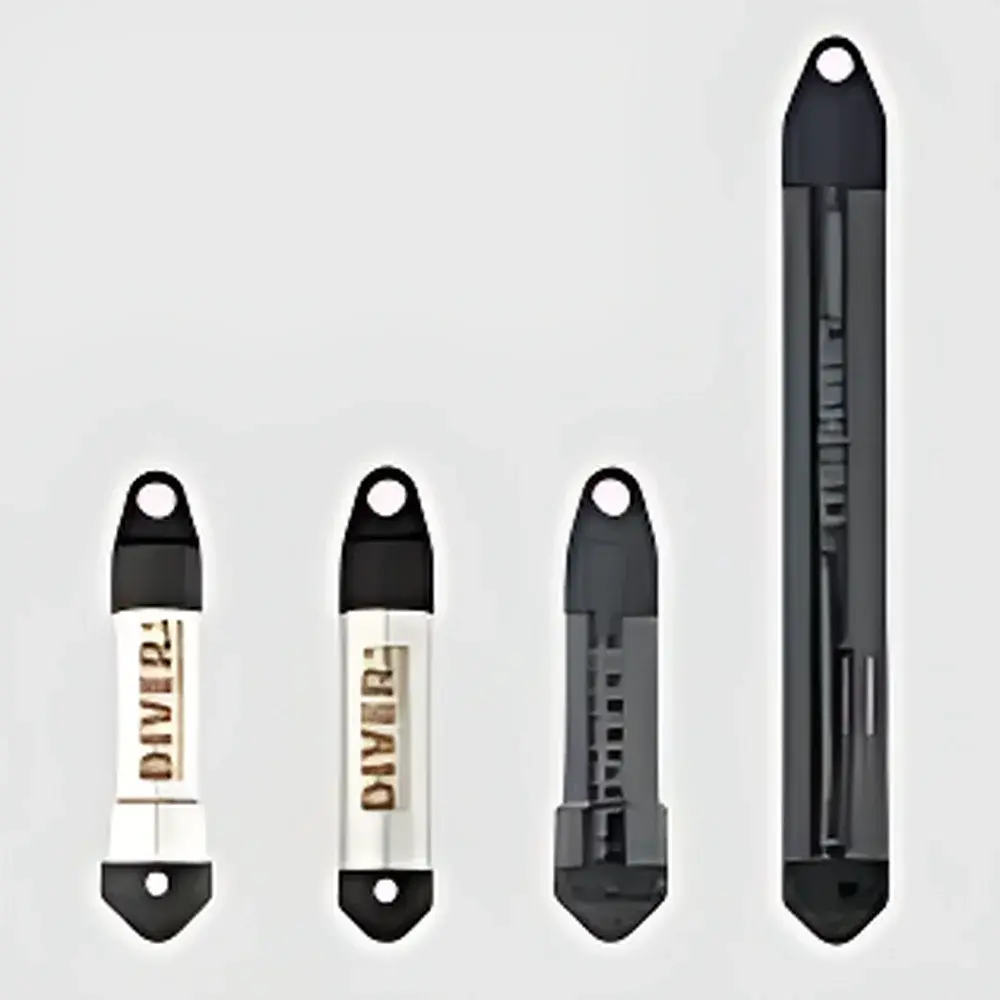
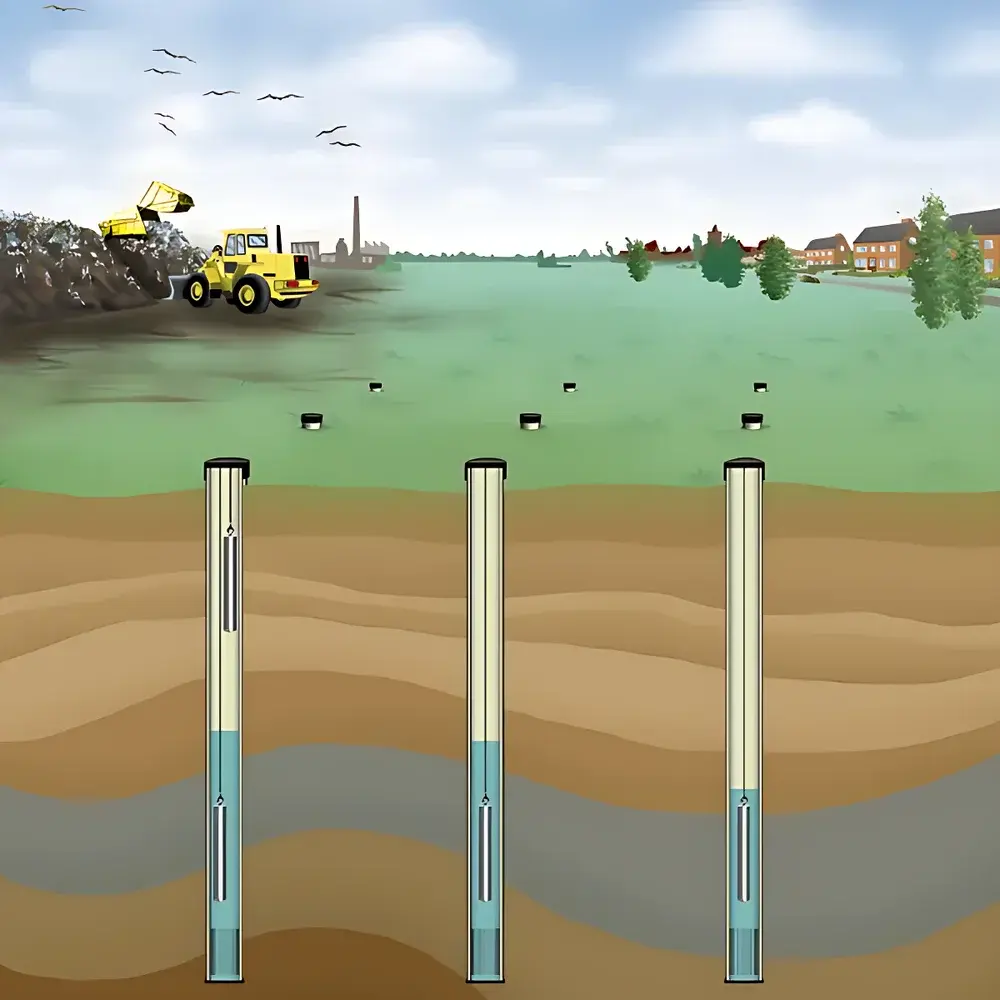
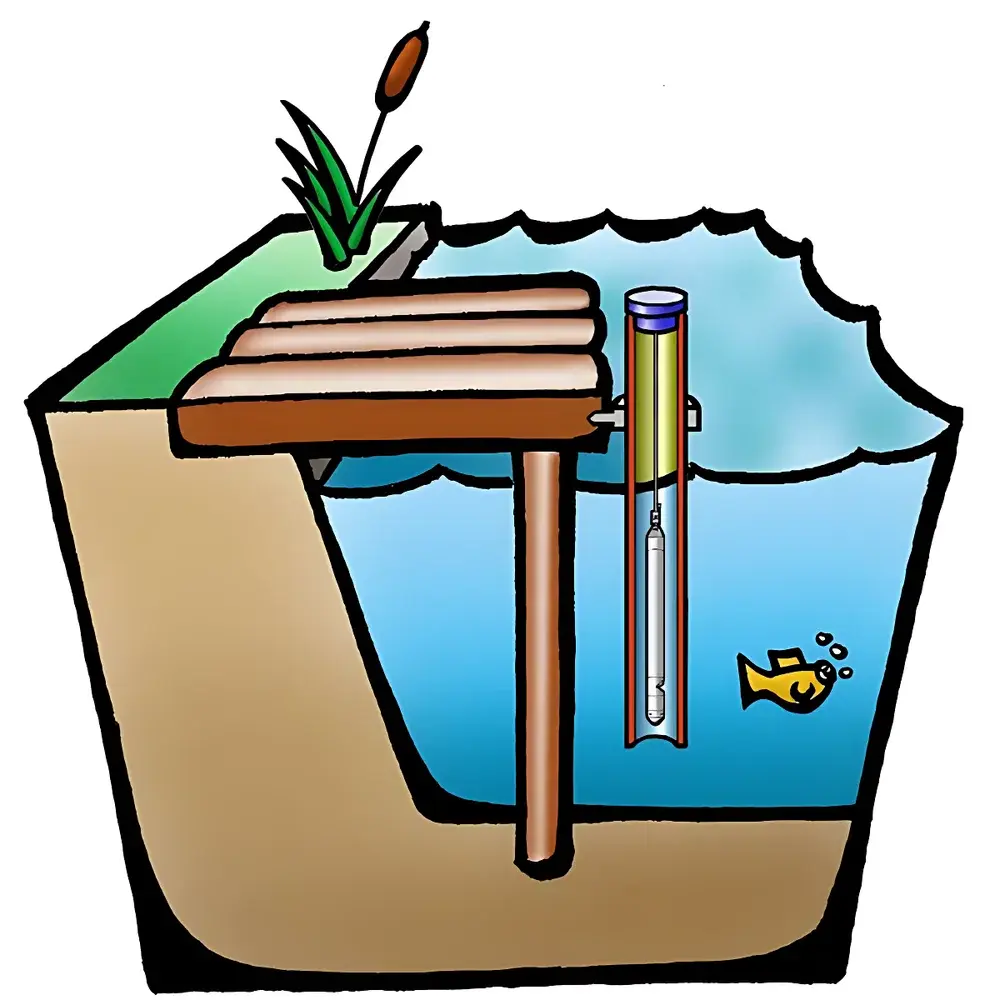
The Eijkelkamp DIVER Series is a family of submersible, autonomous data loggers engineered for high-precision, long-term groundwater level and temperature monitoring in boreholes, piezometers, and observation wells. Based on absolute pressure measurement—where hydrostatic pressure (ρgh) is converted into water column height—the DIVER instruments operate on the principle of piezoresistive ceramic pressure transduction, compensated for thermal drift across a defined operational range. Each unit integrates a calibrated ceramic pressure sensor, a high-stability platinum RTD temperature sensor, and non-volatile memory within a hermetically sealed, corrosion-resistant housing. The series includes three core variants: the compact Micro-DIVER (Ø18 mm × 90 mm), the standard DIVER (identical form factor, multiple depth ranges), and the advanced CTD-DIVER, which adds a dual-electrode platinum conductivity sensor for salinity and contaminant plume tracking. All models are designed for passive, battery-powered operation over multi-year intervals without maintenance, making them suitable for remote, low-access sites and national-scale monitoring networks.
Key Features
- True submersible architecture: Fully encapsulated, zero-leakage design rated for continuous immersion in aggressive groundwater chemistries.
- Ceramic sensing elements: Alumina-based pressure sensors and zirconia housings (CTD-DIVER) ensure exceptional chemical inertness and long-term zero stability—critical for multi-decadal trend analysis.
- High-resolution temporal sampling: Configurable from 0.5-second bursts (e.g., pump test response) to 99-hour intervals (e.g., seasonal baseline logging), with onboard clock accuracy ±10 ppm/year.
- Robust memory architecture: Dual-channel storage (level + temperature) supports up to 96,000 total readings; CTD-DIVER allocates 16,000 entries per parameter (depth, temp, conductivity).
- Low-power embedded electronics: Optimized firmware and lithium-thionyl chloride batteries enable 8–10 year service life at typical 15-minute logging intervals.
- Barometric compensation ready: Seamless integration with the optional Baro-DIVER atmospheric reference logger enables automatic, timestamp-synchronized correction of water level data in post-processing using LDM software.
Sample Compatibility & Compliance
The DIVER Series is compatible with standard 2-inch (50.8 mm) and larger diameter monitoring wells, including PVC, stainless steel, and stainless-steel-cased piezometers. Its small diameter (Ø18 mm) allows deployment in narrow-diameter wells where conventional loggers cannot fit. All models meet material compatibility requirements for Class I–IV groundwater (per ISO 10523 and US EPA Method 120.1), with RVS 316L housings certified to EN 10088-1 and CTD-DIVER’s zirconia body conforming to ISO 13356 for biomedical-grade biocorrosion resistance. While not intrinsically certified for hazardous locations, units are routinely deployed in regulated environments under GLP and GMP-aligned QA protocols—including China’s National Groundwater Monitoring Project (2003–present) and EU-funded aquifer sustainability initiatives. Data integrity is supported via tamper-evident memory writes and time-stamped acquisition logs compliant with ALCOA+ principles.
Software & Data Management
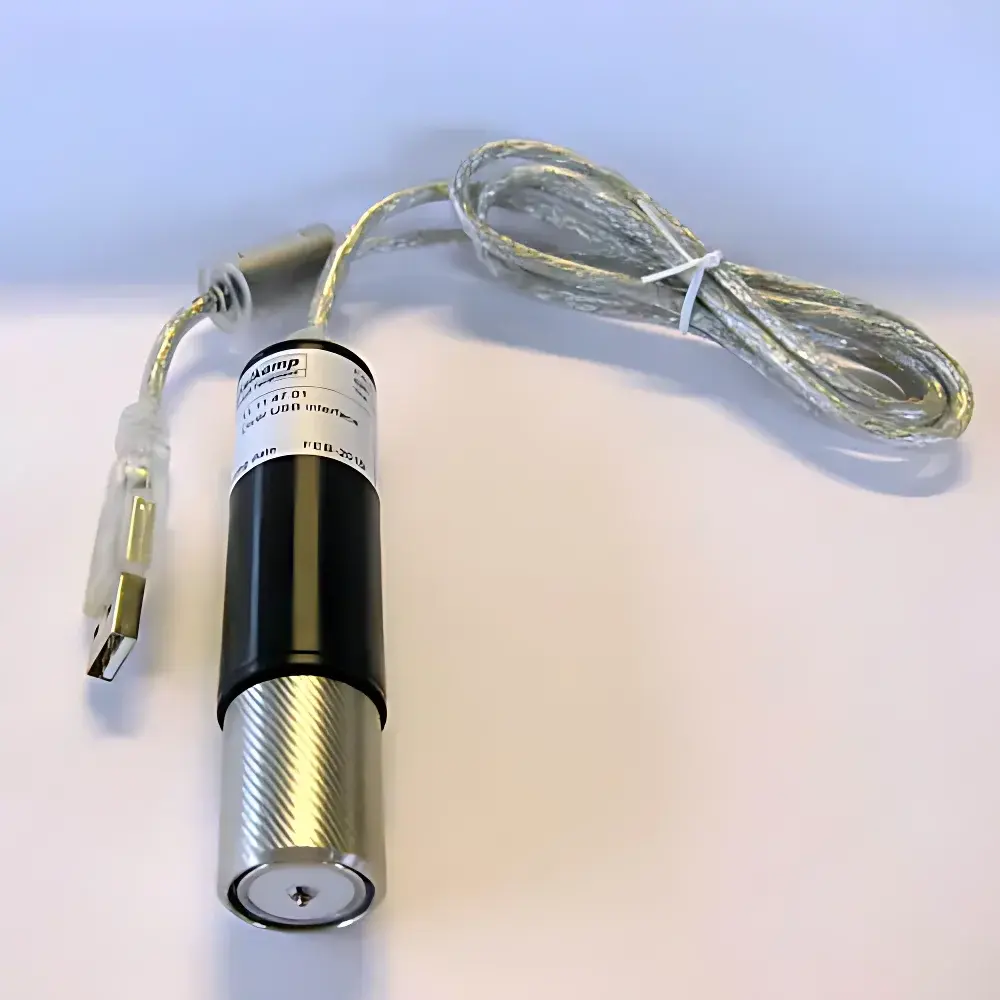
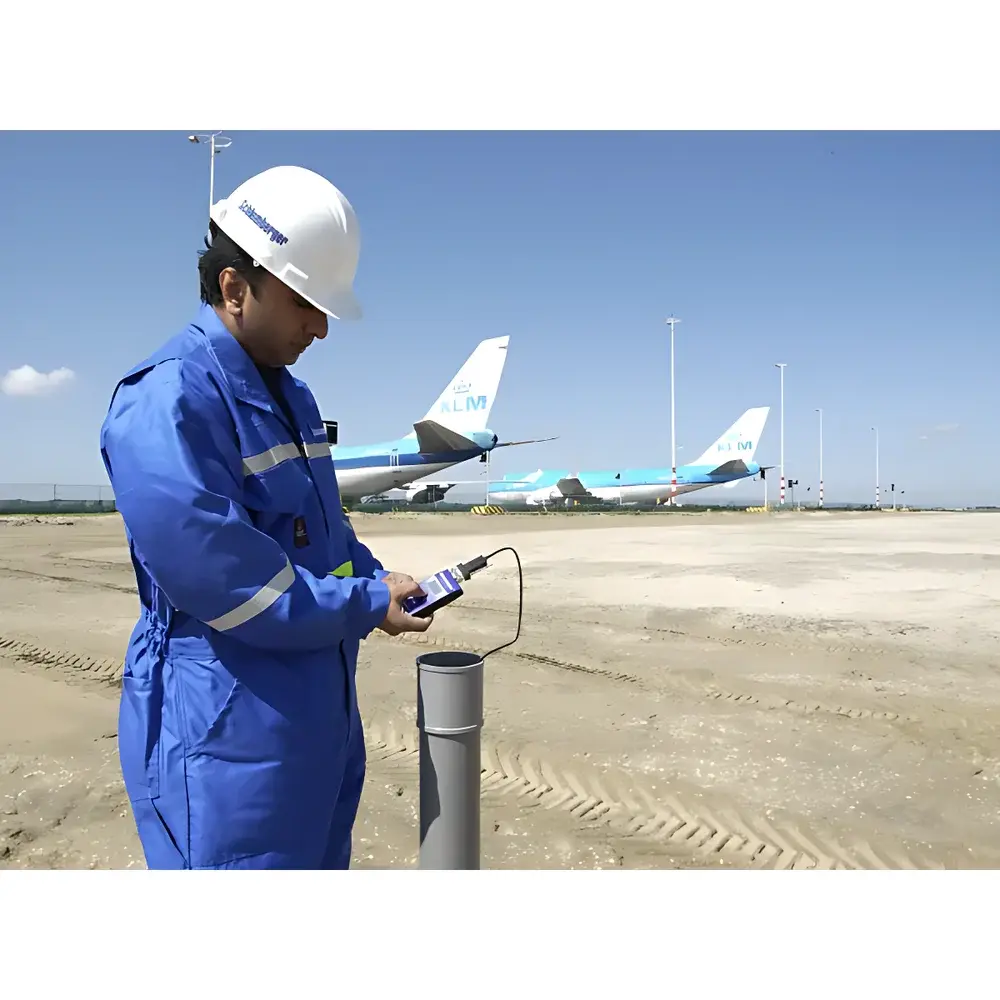
Data retrieval and configuration are performed using Eijkelkamp’s proprietary LDM (Logger Data Manager) software, a Windows-based application validated for scientific use in regulated settings. LDM supports automated barometric correction, unit conversion (cm H₂O, mbar, psi, m ASL), outlier flagging, and batch export to CSV or Excel-compatible formats. All raw measurements retain native timestamps with microsecond resolution, enabling synchronization with external meteorological or pumping event logs. The software enforces audit-trail functionality—recording user actions, parameter changes, and file exports—aligning with FDA 21 CFR Part 11 requirements when deployed in validated workflows. For networked operations, third-party telemetry modules (e.g., GPRS, LoRaWAN, or satellite) can be interfaced via RS-232 or SDI-12 output adapters, permitting real-time ingestion into SCADA or cloud-based hydrological dashboards.
Applications
The DIVER Series serves as a foundational tool in quantitative hydrogeology and environmental monitoring. Primary applications include long-term aquifer response assessment during drought or recharge cycles; detection of saline intrusion fronts via CTD-DIVER conductivity profiling; regulatory compliance monitoring at landfills and industrial sites (per ASTM D5092 and ISO 22475-1); and support of managed aquifer recharge (MAR) projects requiring high-temporal-resolution drawdown/recovery curves. Its proven reliability in China’s National Groundwater Information Center infrastructure—deploying >100 units across Hebei, Tianjin, and Shandong provinces—demonstrates field robustness under variable sediment loading, biofouling risk, and wide thermal gradients. The Micro-DIVER variant is particularly suited for nested well arrays and shallow fractured-rock settings where minimal disturbance and spatial resolution are critical.
FAQ
How does the DIVER compensate for atmospheric pressure variations?
It does not compensate autonomously. Accurate water level calculation requires subtraction of barometric pressure from absolute sensor output. This is achieved post-deployment using synchronized data from a co-located Baro-DIVER or local weather station, processed automatically in LDM software.
Can the DIVER be used in seawater or brackish conditions?
Yes—the RVS 316L housing and ceramic sensors resist chloride-induced pitting and crevice corrosion. CTD-DIVER is specifically optimized for conductive media, with platinum electrodes and alumina insulation rated for continuous exposure up to 80 mS/cm.
What is the recommended calibration interval?
Eijkelkamp recommends factory recalibration every 2–3 years for critical applications; however, field validation against a traceable reference manometer or certified pressure standard is advised prior to each major campaign.
Is wireless telemetry built-in?
No—wireless transmission is enabled via external telemetry modules (GPRS, NB-IoT, or LoRaWAN) connected through the optional SDI-12 or RS-232 interface kit. Standalone DIVER units require physical retrieval for data download.
Does the software support automated reporting for regulatory submissions?
LDM supports customizable report templates and scheduled exports, but formal regulatory reporting (e.g., USGS NWIS, EU WISE) requires integration with agency-specific middleware or manual formatting per jurisdictional guidelines.