
Eijkelkamp Multi-Purpose Sediment Sampler Model 12.42
| Brand | Eijkelkamp |
|---|---|
| Origin | Netherlands |
| Model | 12.42 |
| Sampling Depth | 5 m |
| Sample Tube Dimensions | Ø50 mm × 1000 mm |
| Sample Volume | 1.14 L |
| Connection Type | Bayonet Coupling |
| Material | Stainless Steel Frame, NBR Rubber Piston, Transparent Acrylic Sample Tube |
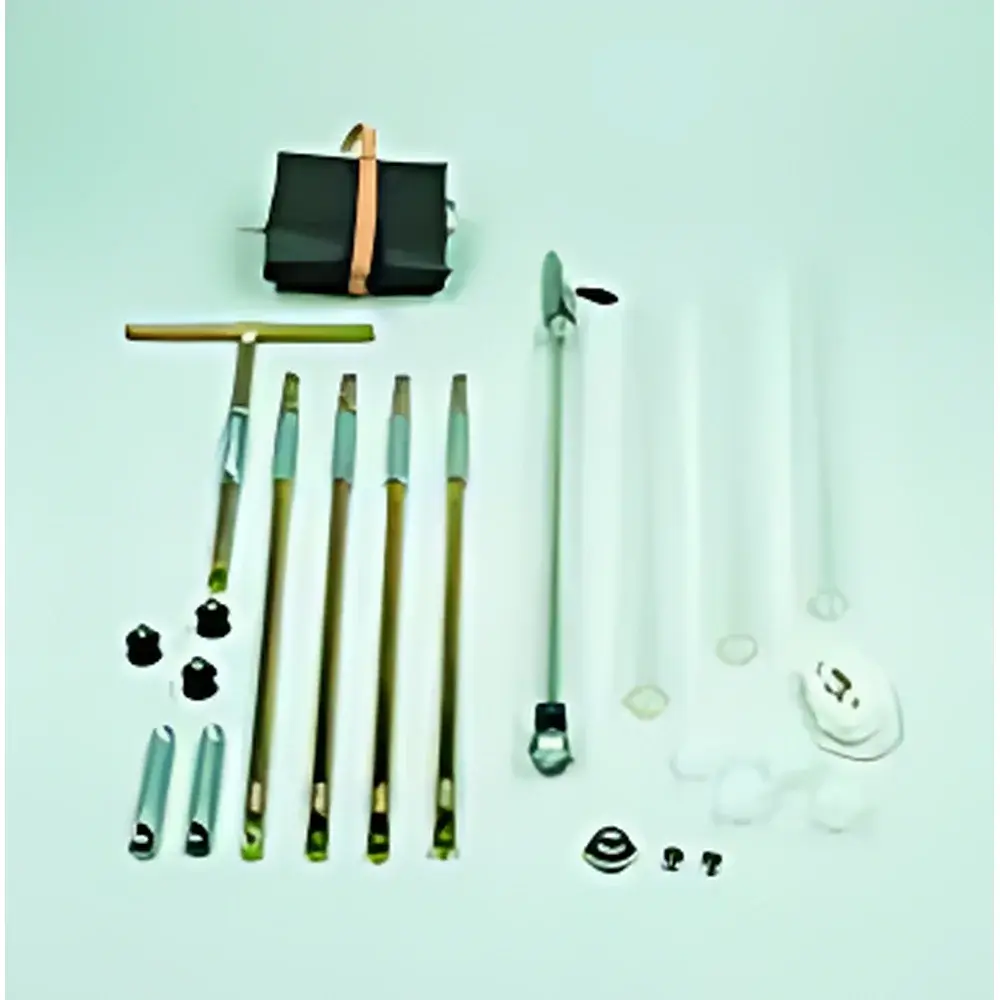
| Standard Configuration | Sampler Body, Two Cutting Heads (Liquid & Solid), Sample Tube, Piston Rod, 5-m Extension Rod Set, Carrying Backpack, Accessories |
Overview
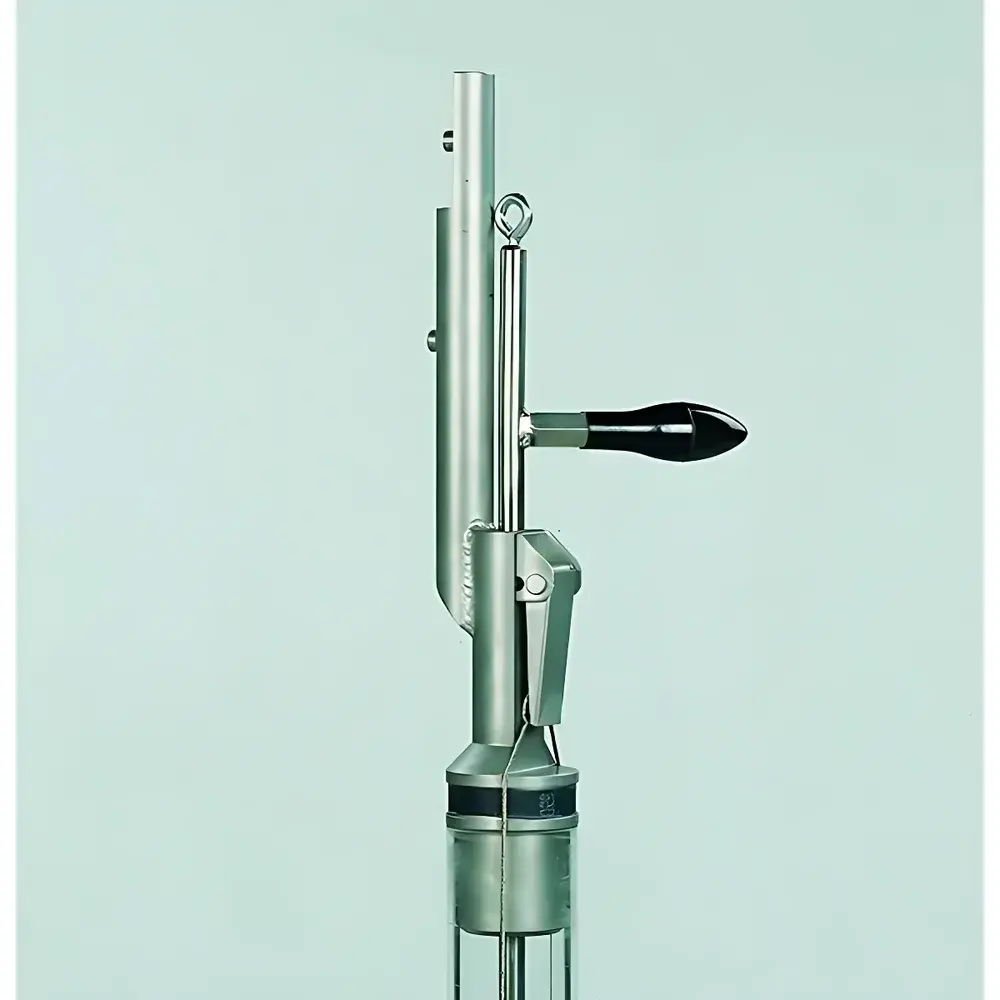
The Eijkelkamp Multi-Purpose Sediment Sampler Model 12.42 is a manually operated, piston-type coring device engineered for high-fidelity in situ sampling of unconsolidated sediments, sludges, and saturated soils in aquatic and semi-aquatic environments. Its core operating principle relies on a stationary sample tube combined with an internally actuated piston—deployed via a stainless-steel wire rope or rigid extension rod—to generate sub-atmospheric pressure ahead of the advancing tube tip. This mechanism minimizes compression and displacement during penetration, thereby preserving the natural stratigraphy, layer boundaries, and redox-sensitive horizons (e.g., oxic/anoxic interfaces) critical for geochemical, microbiological, and contaminant distribution analysis. Designed and manufactured in the Netherlands under stringent ISO 9001-certified production protocols, the Model 12.42 complies with internationally recognized field sampling standards including ASTM D1586 (Standard Test Method for Penetration Resistance and Classification of Soils), ISO 22475-1 (Geotechnical investigation and testing — Sampling methods and equipment — Part 1: General principles), and EU Water Framework Directive (WFD) Annex V sediment sampling guidelines.
Key Features
- Stratigraphic Integrity Preservation: The fixed-tube, moving-piston design eliminates shearing forces typical of push-core or percussion samplers—ensuring minimal disturbance to sediment fabric and vertical profile fidelity.
- Transparent Acrylic Sample Tube: Enables real-time visual inspection of layer boundaries, gas bubble formation, color transitions (e.g., Fe²⁺/Fe³⁺ zones), and macrofaunal distribution without tube extraction.
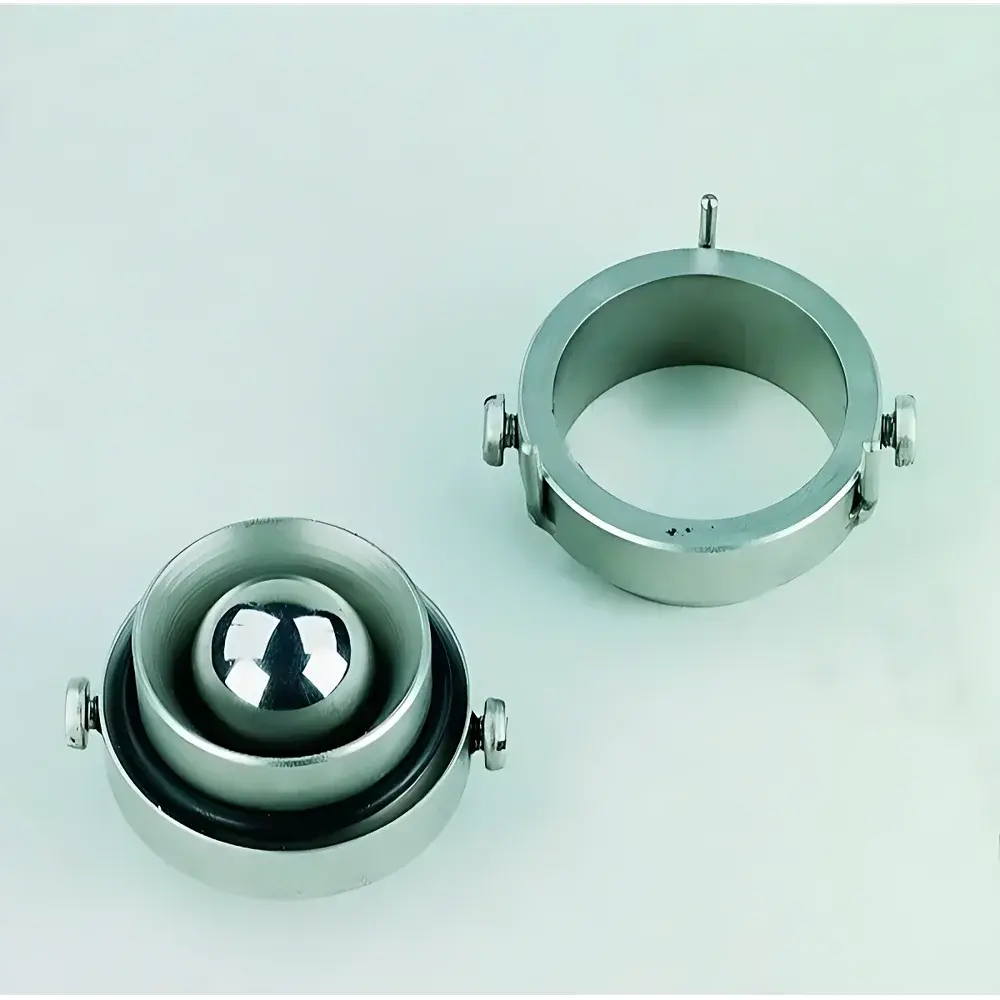
- Dual-Mode Cutting Head System: Includes interchangeable, precision-ground stainless-steel cutting heads—one optimized for low-viscosity liquid-phase suspensions (e.g., lake epilimnion sludge), the other for cohesive, high-moisture solids (e.g., estuarine muds or anaerobic digester sludge).
- Modular Bayonet Coupling: Allows rapid assembly/disassembly of 1-m sample tubes and 1-m extension rods; supports incremental depth profiling with repeatable positioning accuracy ±2 cm.
- Chemically Resistant Construction: All wetted components are fabricated from AISI 316 stainless steel, NBR rubber (resistant to hydrocarbons, H₂S, and mild acids), and UV-stabilized acrylic—validated per EN 15273-2 for long-term exposure in brackish and freshwater matrices.
- Field-Ready Ergonomics: Integrated backpack system accommodates full kit (tube set, rods, cutting heads, cleaning tools, documentation logbook) with weight distribution optimized for single-operator deployment from small vessels or bankside locations.
Sample Compatibility & Compliance
The Model 12.42 is validated for sampling materials with water content ≥35% w/w and shear strength <25 kPa, including freshwater/brackish sediments, wastewater treatment lagoons, aquaculture pond bottoms, dredged material stockpiles, and landfill leachate seepage zones. It meets requirements for GLP-compliant environmental monitoring programs under OECD Series on Testing and Assessment No. 150 (Sediment Testing) and supports chain-of-custody documentation per ISO/IEC 17025:2017 Clause 7.5.2. Each unit carries CE marking (2014/30/EU EMC Directive, 2014/35/EU LVD Directive) and conforms to IEC 61000-6-2 immunity standards for field instrumentation.
Software & Data Management
While the Model 12.42 operates as a mechanical field instrument without embedded electronics, its output integrates seamlessly into digital environmental data workflows. Eijkelkamp’s optional FieldLog Pro mobile application (iOS/Android) supports barcode-scanned tube labeling, GPS-tagged location metadata capture, depth-indexed photo logging, and direct export to LIMS platforms (e.g., LabWare, STARLIMS) via CSV or ASTM E1461-compliant XML schema. All sampling events generate auditable electronic records compliant with FDA 21 CFR Part 11 requirements when used with validated e-signature modules.
Applications
- Baseline sediment characterization for Environmental Impact Assessments (EIAs) under IFC Performance Standard 2.
- Redox gradient mapping in constructed wetlands and denitrification bioreactors.
- PCB, PAH, and heavy metal vertical distribution profiling in harbor sediments (per EPA Method 1664A and ISO 18238).
- Microbial community stratification studies using subsequent DNA/RNA extraction from discrete 2–5 cm sub-samples.
- Validation of in situ passive sampling devices (e.g., SPMDs, DGTs) by co-located core collection.
- QA/QC verification of geophysical surveys (e.g., ground-penetrating radar, resistivity imaging).
FAQ
Can the Model 12.42 be used in flowing water or tidal environments?
Yes—when deployed from anchored platforms or stabilized tripods, it achieves reliable penetration in currents up to 0.3 m/s. Optional weighted base plates and flow-deflecting skirts are available for enhanced stability.
Is sterilization of the acrylic tube possible between samples?
The acrylic tube is compatible with 70% ethanol immersion, 1% sodium hypochlorite (≤10 min contact), and autoclaving at 121°C for 15 min—verified per ISO 17664 for reprocessing of non-invasive sampling tools.
Does the sampler meet regulatory requirements for contaminated site investigations?
It satisfies US EPA SW-846 Method 5035A (Volatile Organic Analysis) and ASTM D5088-22 (Standard Practice for Soil Sampling) for volatile-preserving collection when used with pre-chilled tubes and immediate headspace sealing.
What maintenance is required to ensure long-term calibration stability?
Annual verification of piston seal integrity (via vacuum decay test per ISO 9227) and dimensional inspection of cutting edges (using optical comparator per ISO 10360-2) are recommended; no recalibration is needed due to purely mechanical operation.
Related Products







